

Language Settings
Select Website Language

GDPR Compliance

We use cookies to ensure you get the best experience on our website. By continuing to use our site, you accept our use of cookies, Privacy Policy, and Terms of Service.

G7 to Release 100 Million Barrels of Oil Global Energy Crisis Explained

1 hour ago

4

0

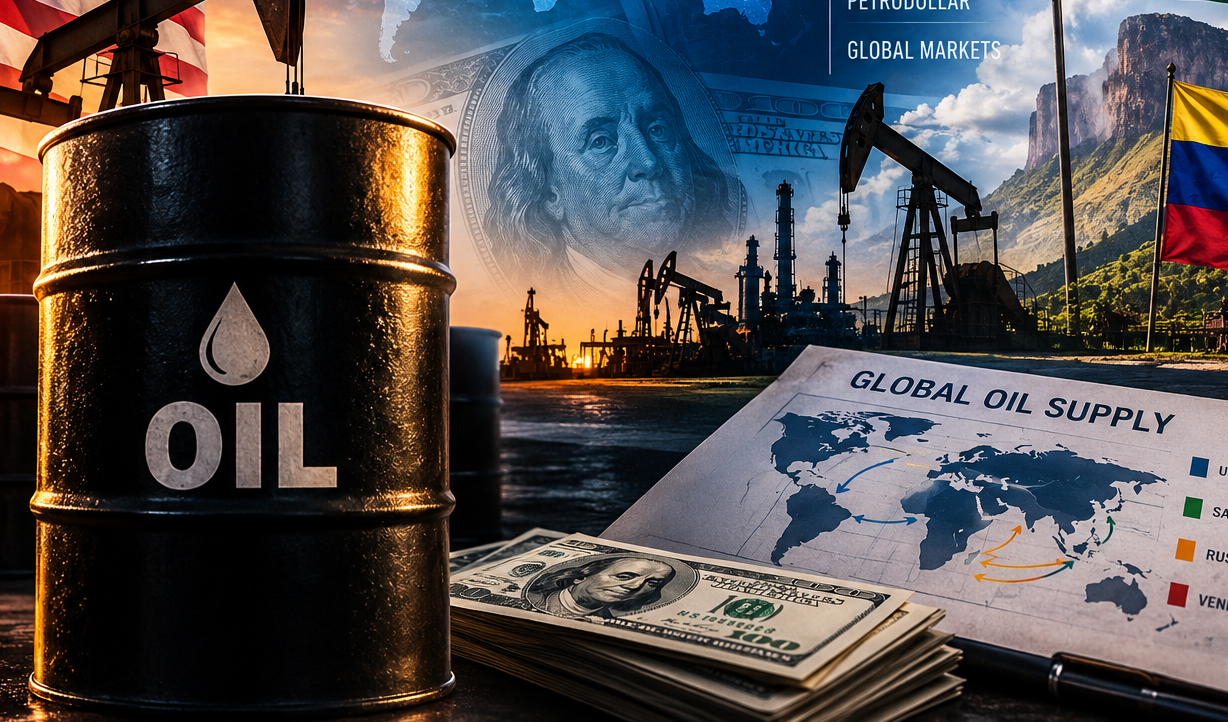
G7 nations plan to release 100 million barrels of oil and fuel through the IEA. Here's what it means for global markets and India.

G7 Announces 100 Million-Barrel Emergency Oil Release as Global Fuel Supply Comes Under Pressure

BRUSSELS / WASHINGTON, October 3, 2026: The Group of Seven has agreed to coordinate the release of about 100 million barrels of crude oil, diesel and other fuel products from emergency reserves as governments confront severe pressure in global energy markets.

The decision comes amid disruptions to energy supplies associated with the continuing conflict involving Iran, damage to infrastructure in the Persian Gulf region and wider restrictions affecting international fuel flows.

The coordinated action will be carried out through the International Energy Agency (IEA). According to a joint G7 statement reported by Reuters, the programme is scheduled to begin immediately and continue for four months, with a substantial release of diesel planned during the first 20 days.

Why Is the G7 Releasing Emergency Oil Stocks?

Emergency petroleum reserves are normally maintained for situations in which a major disruption threatens energy supplies.

The latest G7 decision reflects concerns that prolonged disruptions could place additional pressure on crude oil, diesel and other refined fuel markets.

Diesel is particularly important because it powers much of the global freight, agriculture, construction and industrial economy. A shortage can therefore affect considerably more than motorists.

The G7's plan is intended to add additional supply to the market and improve liquidity while energy flows remain under pressure. The Associated Press reported that the release will begin with substantial quantities of diesel, followed by additional crude and fuel products over the following months.

How Will the 100 Million Barrels Be Released?

The programme is expected to operate through the IEA rather than as an isolated action by a single country.

The G7 statement says approximately 100 million barrels will be released over a four-month period. A significant portion of the diesel component is expected to be released during the initial 20-day period.

The timing matters because governments are attempting to respond to immediate fuel-market pressure while avoiding measures that could further restrict international trade in energy products.

Why Diesel Has Become a Major Concern

Diesel is closely connected to the real economy.

Trucks use diesel to transport food, manufactured goods and industrial materials. Farmers rely on diesel-powered machinery, while construction companies, mining operations and many generators also depend on the fuel.

Consequently, a sustained diesel shortage can increase transportation and production costs.

The current G7 response therefore goes beyond the question of petrol prices. The availability and cost of diesel can influence supply chains and, ultimately, consumer prices.

What Does the Move Mean for Oil Prices?

The immediate objective is to increase available supply and reduce some of the pressure in energy markets.

However, releasing emergency reserves does not automatically solve the underlying supply problem.

The effect on prices will depend on several factors, including the scale and duration of physical supply disruptions, refinery availability, shipping conditions, global demand and the pace at which reserve barrels enter the market.

The G7 action has already attracted attention in financial markets. Reuters reported that the coordinated release is intended to help stabilise global energy markets.

Why the Decision Matters for India

India is one of the world's major oil-importing economies, making international energy prices particularly important for its economy.

Higher crude prices can increase the country's import bill and put pressure on the trade balance. Fuel costs can also affect transportation, manufacturing, agriculture and logistics.

India's currency can face additional pressure when the cost of imported energy rises because importers require more foreign currency to pay for crude and related products.

Recent Reuters reporting has highlighted the sensitivity of the Indian rupee and government bonds to elevated oil prices and geopolitical developments surrounding energy supplies.

The G7 reserve release could therefore be relevant to India even though India is not itself a G7 member.

Will the Emergency Release End the Energy Crisis?

Not necessarily.

Emergency stocks are designed to provide temporary market support rather than permanently replace normal oil production and international trade.

The longer-term direction of energy prices will depend on whether disrupted production and transportation routes return to normal, whether additional restrictions are introduced and how global demand develops.

There is also a strategic consideration: using emergency reserves reduces the amount of stock available for a future disruption.

That means governments must balance immediate market support against the need to retain emergency supplies for later crises.

The Bigger Geopolitical Picture

The G7 announcement demonstrates how geopolitical conflict can rapidly become an economic issue.

An energy disruption in one region can affect shipping, refining, transportation, inflation, currencies and financial markets thousands of kilometres away.

The decision also highlights the importance of coordinated action among major energy-consuming economies.

Rather than relying entirely on individual national measures, the G7 has chosen a coordinated mechanism involving the IEA.

What Happens Next?

The immediate focus will be on how quickly the planned diesel and crude releases reach the market and whether they reduce pressure on fuel prices.

Markets will also watch developments in the Middle East, shipping routes, refinery operations and international energy trade.

For consumers, businesses and governments, the key question is whether the emergency supply intervention provides temporary relief or becomes part of a longer-running strategy to manage an extended energy disruption.

News National Analysis

The G7's 100-million-barrel plan is significant because it represents a coordinated attempt by major economies to use emergency petroleum stocks during an unusually disruptive period for global energy markets.

Its impact will depend less on the headline number alone and more on how quickly the fuel reaches the market, where it is released, how long supply disruptions continue and whether normal energy flows can be restored.

For India and other major oil-importing economies, developments in global fuel markets will remain closely connected to inflation, transportation costs, currency movements and economic growth.


Key Facts at a Glance

Item Details
Coordinating group G7
Planned reserve release About 100 million barrels
Main mechanism Coordinated release through the IEA
Initial priority Diesel and refined fuel products
Initial period Substantial diesel release within first 20 days
Overall programme About four months
Main objective Support global energy-market stability
Key concern Supply disruptions and elevated fuel prices


Click here to Read More
Previous Article
Financial Markets Confront Inflation, Debt and Interest-Rate Uncertainty
Next Article
SIR Voter List Row Delhi and Mumbai Protests Intensify

Related World Updates:

Are you sure? You want to delete this comment..! Remove Cancel

Comments (0)

    Leave a comment