

Language Settings
Select Website Language

GDPR Compliance

We use cookies to ensure you get the best experience on our website. By continuing to use our site, you accept our use of cookies, Privacy Policy, and Terms of Service.

Latest

Xi Jinping Invokes Long March Spirit as China Marks 90th Anniversary

Xi Jinping calls for drawing strength from the Long March spirit as China marks the 90th anniversary of the Red Army’s historic victory. Xi Jinping Calls for Long March Spirit to Guide China Through Challenges By News National Editorial Team BEIJING: Xi Jinping, general secretary of the Communist Party of China Central Committee, has called on the Chinese people to draw strength from the spirit of the Long March to overcome difficulties, manage risks and respond to emerging challenges. The remarks came on Thursday as China marked the 90th anniversary of the victory of the Red Army’s Long March, a landmark event in the history of the Chinese Communist Party. Xi emphasised the importance of carrying forward the Long March spirit to support China’s national rejuvenation. He expressed the goal of ensuring that the country continues to advance steadily despite difficulties and challenges, using the image of a giant ship navigating through waves. The Long March remains a significant part of China’s official historical narrative. The Red Army’s military retreat and strategic movement during the 1930s played an important role in the development of the Chinese Communist Party. The anniversary provides an opportunity for Chinese leadership to highlight historical resilience, unity and perseverance. Xi’s remarks linked the historical experience of the Long March with the country’s present-day challenges, reinforcing the leadership’s emphasis on drawing lessons from the past while pursuing China’s national development objectives. Sources and References Xinhua News Agency — Official report on Xi Jinping’s speech at the 90th anniversary commemoration of the Red Army’s Long March victory, October 22, 2026.https://english.news.cn/ The State Council of the People’s Republic of China — Xi calls for new achievements on new Long March, October 22, 2026.https://english.www.gov.cn/news/202610/22/content_WS6ad9b060c6d00ca5f9a0de52.html The State Council of the People’s Republic of China — China holds gathering to mark 90th anniversary of Long March victory, October 22, 2026.https://english.www.gov.cn/news/202610/22/content_WS6ad97604c6d00ca5f9a0de50.html Source attribution: Based on reports published by Xinhua News Agency and the State Council of the People’s Republic of China.  

Saudi Coalition Intercepts Four Drones Targeting Saudi Arabia

A Saudi-led coalition says it intercepted and destroyed four drones launched towards Saudi Arabia amid regional security tensions. Saudi-Led Coalition Intercepts Four Drones Heading Towards Saudi Arabia By News National Editorial Team A Saudi-led military coalition said it intercepted and destroyed four unmanned aerial vehicles launched towards Saudi Arabia on October 21, 2026. The announcement was made by coalition spokesperson Major General Turki Al-Maliki, according to the Saudi Press Agency. The interception comes amid heightened regional security concerns and continuing tensions involving armed groups operating in and around Yemen. Saudi Arabia has faced repeated drone and missile threats during the Yemen conflict. Air-defence systems play a central role in responding to such attacks and protecting populated areas and critical infrastructure. The coalition did not report casualties or major damage in its announcement about the four drones. Further details about their launch locations and intended targets were not immediately provided. Source: Saudi Press Agencyimage: Apna Watan Tv's post

Kerala Landslide Derails Bilaspur–Tirunelveli Express Locomotive

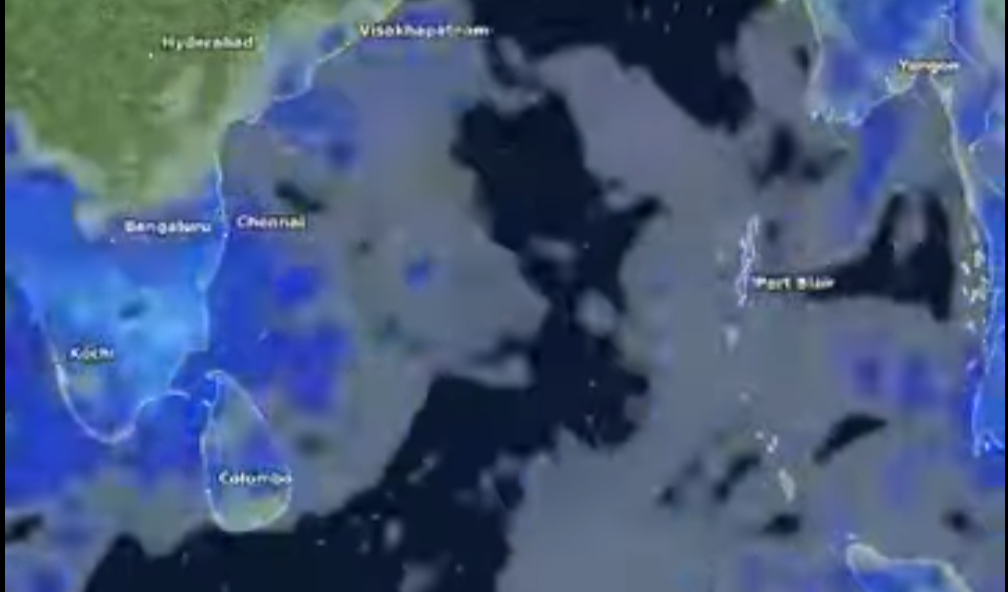
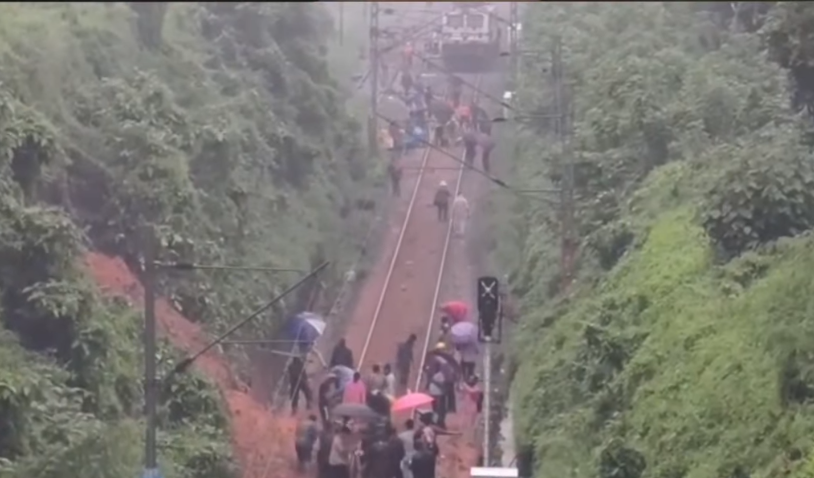
A landslide near Parassala derailed the Bilaspur–Tirunelveli Express locomotive. Railway officials said all passengers were safe. Landslide Derails Bilaspur–Tirunelveli Express Locomotive in Kerala By News National Editorial Team A landslide near Parassala railway station in Kerala's Thiruvananthapuram district derailed the locomotive of the Bilaspur–Tirunelveli Express early Thursday, disrupting train services in the area. The incident occurred at approximately 2:19 a.m. on October 22 after the train was stopped near Parassala following the landslide, according to railway officials. Southern Railway said all passengers and railway staff were safe. A relief locomotive was arranged to move the train, while an accident relief train and personnel were deployed to support restoration work. Three trains were held en route because of the disruption. The incident occurred amid heavy rain in southern Kerala, where weather alerts had been issued. Railway authorities worked to restore services on the affected Neyyattinkara–Parassala section. Passengers travelling through the area were advised to check the latest railway updates for changes to train schedules. Source: ThePrint — PTI report,image : beatrootnews

Raihan Vadra Exhibition Row Delhi Venue Removes Protest Photos

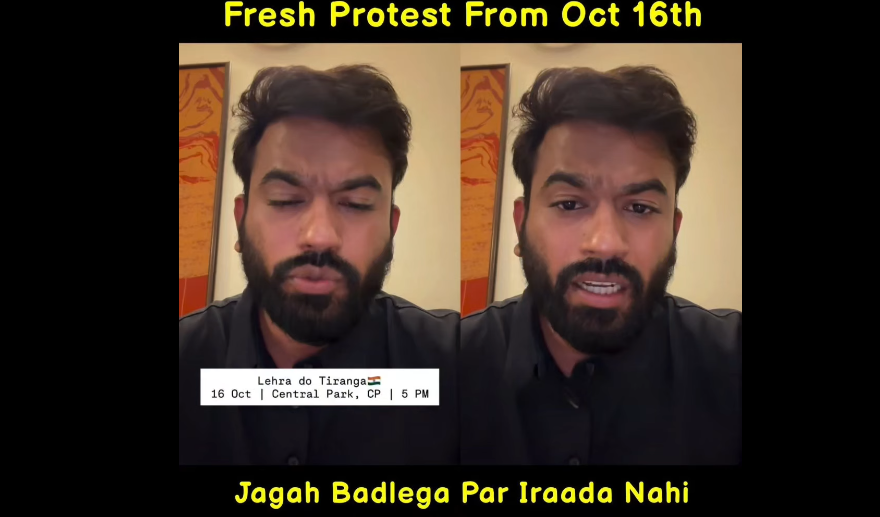
Protest photographs by Raihan Vadra were removed from his Delhi exhibition at Bikaner House, sparking debate over artistic freedom and venue policy. Subtitle: Artist says 74 of 105 photographs were removed from No Idea Is Final at Bikaner House; venue cites policy concerns as the dispute sparks debate over artistic freedom. By News National Editorial Team NEW DELHI, October 23, 2026: A controversy over artistic expression has emerged in New Delhi after photographs documenting youth protests were removed from an exhibition by Raihan Rajiv Vadra, the son of Congress MP Priyanka Gandhi Vadra and businessman Robert Vadra. The photographs were part of No Idea Is Final, an exhibition held at Bikaner House, a cultural venue in the national capital associated with the Rajasthan government. Raihan said the venue’s management asked him to remove or replace a substantial portion of the photographs only hours before the exhibition was scheduled to open on October 21, 2026. According to reports published by The Indian Express and NDTV, Raihan said he was instructed to remove 74 of the 105 photographs. Many of the images documented student and youth demonstrations in Delhi. The dispute has raised questions about the responsibilities of public cultural institutions and the limits of artistic expression. Artist Says Photographs Were Removed Before Opening Raihan said the photographs captured recent public movements and demonstrations, with an emphasis on the atmosphere, movement and collective experience of people participating in protests. In comments reported by The Indian Express, he said he viewed displaying the images as part of his responsibility as both an artist and a citizen. He also questioned the decision to object to the works shortly before the exhibition opened. According to his account, the exhibition team had shared a layout with the venue earlier in October. He said the management subsequently raised objections to the photographs’ political nature and the timing of their display. Raihan also said that photographs featuring the Indian national flag were among the images questioned. He objected to their removal, although he reported that venue personnel subsequently removed one of the images. The artist said he intended to find another venue where the complete collection could be displayed. Bikaner House Cites Its Exhibition Policy Bikaner House management maintained that certain photographs were inconsistent with the venue’s policies and that their removal had been requested. The venue’s position differs from Raihan’s account of how the objections were communicated and why the images were considered unsuitable for display. The disagreement centres on whether the photographs violated the venue’s stated requirements or whether their subject matter and timing prompted the decision. The artist has questioned the process, while the venue has referred to its policy framework. The available reports do not independently establish that the removal was ordered specifically to suppress criticism of the government. That interpretation remains disputed and should not be presented as a proven motive. Priyanka Gandhi Vadra Backs Her Son The incident prompted a public response from Priyanka Gandhi Vadra, who supported her son and criticised the restrictions placed on his work. The controversy also drew reactions from Congress leaders and other political figures, some of whom described the removal as an attempt to restrict artistic freedom. The BJP countered the criticism, arguing that the exhibition had raised issues concerning the venue’s policies and describing the political controversy as part of a wider political dispute. These reactions reflect competing interpretations of the incident rather than an independent determination of the venue’s motives. Debate Over Artistic Freedom and Public Institutions The dispute has renewed discussion about how publicly operated cultural spaces should handle exhibitions that document political demonstrations or other contentious public events. Artists rely on exhibition venues to present their work, while institutions may establish rules governing the use of their premises. When disagreements arise shortly before an exhibition opens, questions can emerge about transparency, prior review, consistent application of policies and the opportunity for artists to respond to objections. The case also highlights the distinction between documenting a protest and endorsing the views expressed by its participants. Photographs of demonstrations can serve as records of public events, although the context, presentation and applicable venue rules may become subjects of disagreement. As of October 23, 2026, the central facts reported by multiple news organisations are that photographs were removed from Raihan Vadra’s exhibition and that the artist and venue offered differing accounts of the decision. The precise reasoning behind the removal remains contested. The incident is therefore both a dispute over an individual exhibition and a broader discussion about the relationship between art, public institutions and freedom of expression in India. Sources: Reuters, The Indian Express, NDTV and Press Trust of India (PTI), reporting published on October 21–22, 2026.

The Engineer Behind QR Codes and Why the Technology Is Free to Use

Discover how Masahiro Hara and Denso developed QR Codes in 1994 and how an open-use policy helped the technology spread worldwide. The Engineer Behind QR Codes Helped Make the Technology Free to Use By News National Editorial Team A small black-and-white square has transformed the way people share information, make payments, access websites and verify tickets. Known as the Quick Response (QR) Code, this technology is now part of everyday life around the world. Behind its development was Japanese engineer Masahiro Hara, who led a team at Denso that created the QR Code in 1994. https://www.qrcode.com/en/history/ What makes the QR Code story particularly significant is not just the invention itself, but the decision that helped it spread: Denso Wave made the specifications publicly available and chose not to exercise its core patent rights against QR Codes that follow the standard. This allowed the technology to be used without the usual patent-licensing barriers. https://www.jpo.go.jp/e/news/koho/innovation/01_qrcode_e.html Why Was the QR Code Invented? In the early 1990s, manufacturers needed a faster and more effective way to track automotive components. Traditional one-dimensional barcodes were useful, but their limited data capacity made them less suitable for increasingly complex production and inventory systems. Denso's development team set out to create a code that could store more information, fit into a compact space and be scanned quickly. The new system also needed to support Japanese characters, including Kanji, and remain readable when part of the printed pattern was dirty or damaged. The result was the QR Code, announced in 1994. Its name refers to “Quick Response,” reflecting the emphasis on rapid scanning. Unlike conventional barcodes, which encode information in lines, a QR Code uses a two-dimensional arrangement of dark and light squares to store data. How the Technology Became Freely Usable Denso Wave's approach to intellectual property played a major role in the QR Code's expansion. The company did not simply give away ownership of the invention. It retained patent rights while making the specifications publicly available and adopting a policy of not exercising its core patent rights against standardized QR Codes. This distinction is important: the technology could be used freely under that policy, even though the company continued to hold intellectual property rights. https://www.qrcode.com/en/history/ By reducing licensing concerns, the company made it easier for businesses, software developers and equipment manufacturers to incorporate QR Codes into their products and services. This open approach encouraged innovation beyond the original automotive industry. International Standardization Expanded Its Reach QR Code adoption grew as the technology became standardized. It was recognized by industry standards bodies during the late 1990s and became an international ISO/IEC standard in 2000. Standardization helped manufacturers and developers build compatible systems across different countries and industries. https://www.denso-wave.com/en/system/qr/qr30th/ Mobile phones later brought QR Codes to a much wider public. In Japan, phones equipped with QR Code-reading features became available in 2002, allowing users to access mobile websites and coupons simply by scanning a code. As camera-based scanning became increasingly common, QR Codes moved well beyond factory floors. From Automotive Factories to Everyday Life Today, QR Codes serve a wide range of purposes, including: Digital payments: Customers can scan codes to pay merchants or transfer money through supported payment services. Travel and events: Airlines, transport operators and event organisers use QR Codes for tickets and check-in systems. Retail and logistics: Businesses use them to identify products, track stock and improve traceability. Restaurants and hospitality: Customers can open digital menus and access service information. Healthcare: QR Codes can help link people to product details, records and verification information where appropriate. Websites and communication: Organisations use them to direct users to webpages, contact details, forms and other digital resources. The code itself does not guarantee that a link or payment is safe. Users should still check the destination before opening a website or authorising a transaction. The Broader Lesson Behind the QR Code The QR Code illustrates how technical innovation and access policies can work together. A useful invention can reach far beyond its original purpose when people and organisations are able to build on it without unnecessary barriers. Masahiro Hara and the Denso development team designed the technology to solve a practical industrial problem. Denso Wave's decision to make the specifications available and not enforce its core patent rights against standardized QR Codes helped others adapt it for applications the original developers could not have fully anticipated. The story is therefore not one of an inventor surrendering ownership, but of a company retaining intellectual property while adopting an open approach to the technology's use. That choice helped a factory-oriented tracking system become a widely adopted tool for digital communication. Sources: Denso Wave's QR Code history; Japan Patent Office's account of QR Code development; Denso's official history of the technology. Editorial note: This article distinguishes between patent ownership and the decision not to exercise patent rights against standardized QR Codes. Trademark rights and other intellectual property considerations may still apply in particular contexts.

India–EU Trade Deal May Take Effect in Early 2027

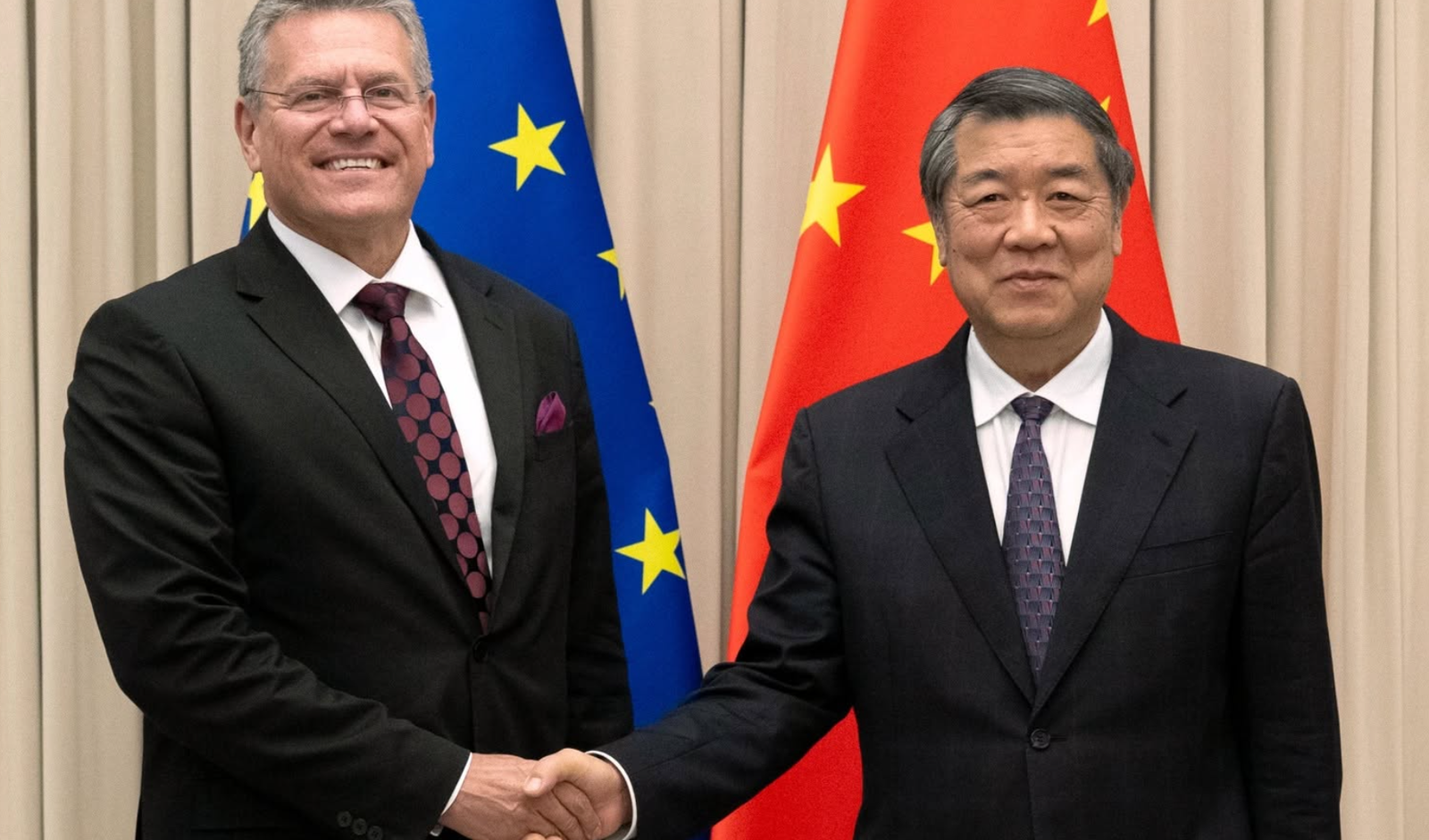
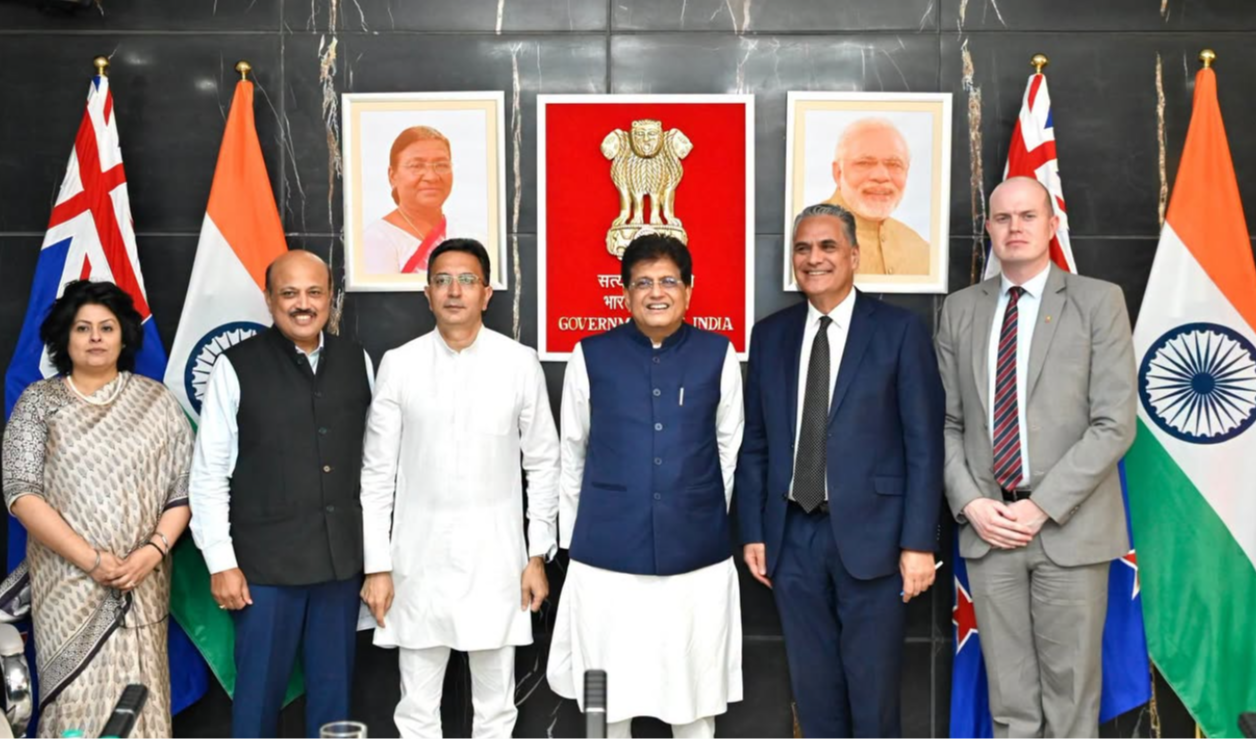
India's proposed free-trade agreement with the EU could become operational within months of signing, Commerce Minister Piyush Goyal says. By News National Editorial Team India's proposed free-trade agreement with the European Union could become operational within four to five months after signing, Union Commerce and Industry Minister Piyush Goyal said on Thursday. According to Reuters, India expects the agreement to be signed before the end of 2026. Goyal made the remarks during his visit to Germany, where he is holding trade and investment discussions. The proposed agreement aims to expand trade and investment between India and the EU's 27 member countries. It could improve market access for businesses and create opportunities for exporters across several sectors. The final impact will depend on the agreement's terms, including tariff reductions, market-access provisions and implementation arrangements. The deal has not yet entered into force. Source: Reuters

SBI Investigates Suspected Dark Web Data Leak

SBI is investigating a suspected data exposure after 3,897 customer records containing personal information were identified in a larger dataset SBI Investigates Suspected Data Leak Involving Customer Records By News National Editorial Team The State Bank of India (SBI) is investigating a suspected data breach after information linked to approximately 375,000 records surfaced on the dark web, according to a report by The Economic Times. SBI said preliminary analysis identified 3,897 customer records containing personally identifiable information within the data under investigation. The bank was reportedly alerted to the issue on October 16 by its threat-intelligence provider, the Defence Cyber Agency and the Indian Computer Emergency Response Team (CERT-In). The lender activated its cyber-incident response procedures and engaged an independent cybersecurity agency to assess the authenticity, source and extent of the suspected exposure. The bank said the incident had not materially affected its core operations, financial performance or business continuity. It also said customer balances remained safe. The investigation is expected to establish what information was exposed and whether additional protective measures are required. Customers should remain alert to unexpected calls, messages or emails requesting passwords, one-time passwords (OTPs), card details or other confidential banking information. SBI customers should use official bank channels to report suspicious activity and should not share banking credentials with anyone. Source: The Economic Times

Hachikō The True Story of Japan's Loyal Dog

Discover the true story of Hachikō, the Japanese Akita who continued waiting at Shibuya Station after his owner died in 1925. Hachikō: The Japanese Dog Who Waited Nearly 10 Years for His Owner By News National Editorial Team Hachikō, a Japanese Akita remembered for his extraordinary loyalty, became a national symbol after continuing to visit Tokyo's Shibuya Station following the sudden death of his owner, Professor Hidesaburō Ueno, in 1925. Born in 1923 in Odate, Akita Prefecture, Hachikō was brought to Tokyo in 1924 and became the companion of Ueno, a professor at Tokyo Imperial University, now the University of Tokyo. The two developed a close bond. Hachikō accompanied Ueno on parts of his daily journey, and their routine became the foundation of a story that would later capture public attention across Japan. On May 21, 1925, Ueno died suddenly after suffering a brain haemorrhage while at work. He never returned to meet Hachikō. Despite his owner's death, Hachikō continued visiting Shibuya Station and waiting for him. He remained associated with the station for nearly a decade, even as he lived with different caretakers. Hachikō's story gained widespread attention in 1932 after a newspaper article brought his loyalty to a national audience. Commuters and local residents began recognising him, and people provided food and care. In 1934, a bronze statue honouring Hachikō was unveiled outside Shibuya Station. Hachikō himself was reportedly present at the ceremony. He died on March 8, 1935, at approximately 11 years of age. Later examination of his remains identified cancer and a parasitic infection; the popular claim that swallowed food skewers caused his death was not supported by the examination. Hachikō's legacy continues through the statue at Shibuya Station, books and film adaptations, including the 2009 film Hachi: A Dog's Tale, starring Richard Gere. His story remains one of Japan's best-known accounts of the bond between humans and animals. Sources: University of Tokyo — Hachikō's history | Official HACHI100 story | Nippon.com — Hachikō, the Faithful Dog

Mecca Floods Why Flash Floods Become Deadly Without Warning

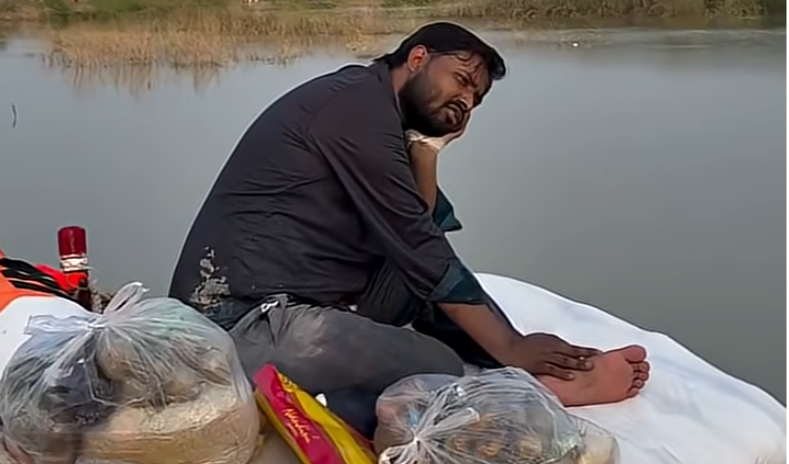
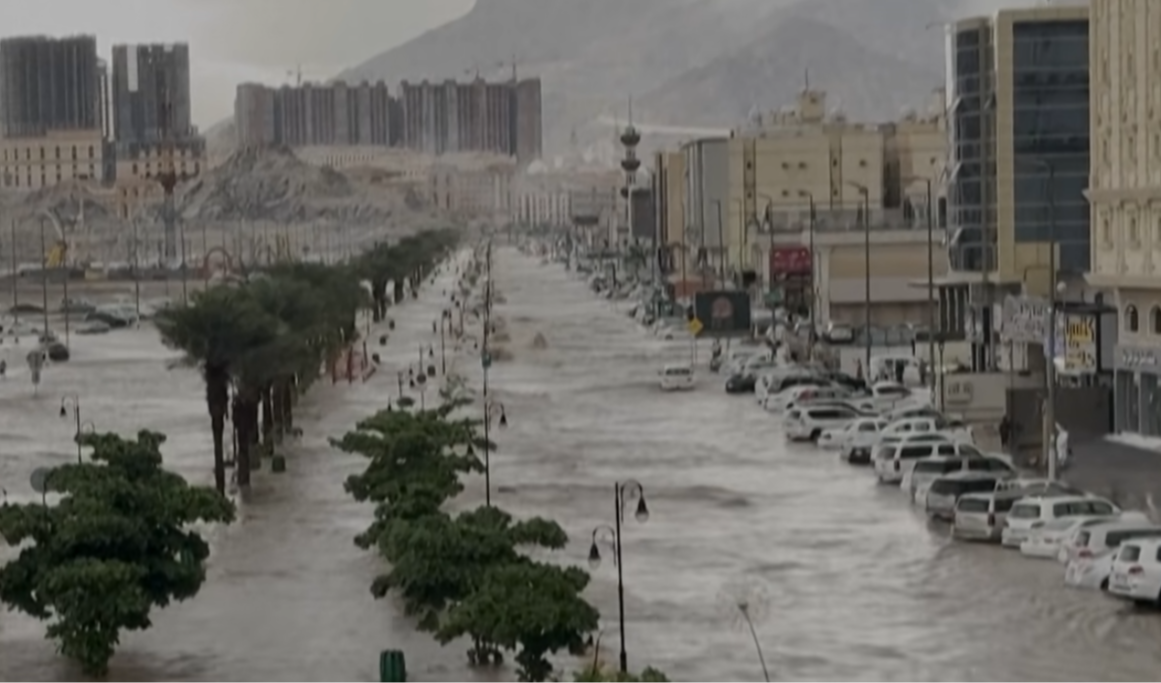
Mecca floods highlight the dangers of sudden torrents. Learn why flash floods develop rapidly and how residents and visitors can stay safe. By News National Editorial Team Flash floods in Mecca, Saudi Arabia, have once again highlighted the dangers posed by sudden torrents of rainwater, particularly in valleys, drainage channels and low-lying areas. The latest incident has drawn attention to how quickly floodwaters can turn a seemingly manageable weather situation into a life-threatening emergency. On October 20, 2026, three children were swept into a flood channel in Mecca. Saudi reports subsequently confirmed that one child had been rescued, while the other two were found dead. The incident prompted renewed warnings from Civil Defence authorities to stay away from flood channels and places where rainwater collects. The tragedy demonstrates why flash floods remain dangerous even when rainfall appears brief or occurs some distance away. Why flash floods can strike so suddenly A flash flood develops when water accumulates faster than the ground, drainage systems or natural channels can carry it away. Unlike a river flood that may rise over a longer period, a flash flood can develop rapidly during or shortly after intense rainfall. Saudi Arabia's climate makes this hazard particularly important. Rainfall is relatively infrequent in many parts of the country, but intense storms can send large volumes of water across dry terrain. The Saudi Geological Survey explains that runoff can flow through normally dry valleys and inundate roads and urban areas where natural drainage routes intersect with development. These valleys, known in Arabic as wadis, can appear dry and safe for extended periods. However, once heavy rain falls over a nearby catchment, water may rush into them with little warning. A person standing in a dry channel may therefore face danger even if rain is not falling directly overhead. Why moving water is so dangerous Floodwater is not simply a deep pool that people can walk or drive through. Fast-moving water can knock people off their feet, carry away vehicles and sweep debris along its path. Its depth, speed and the condition of the ground beneath it may be difficult to judge from the roadside. Water can also conceal open drains, damaged road surfaces and other hazards. A vehicle entering a flooded dip may lose traction or become trapped, while someone attempting to cross on foot can be pulled into a stronger current. The danger is not limited to the peak of a storm. Water can continue arriving from higher ground after rainfall has eased at a particular location. This means a dry-looking sky does not necessarily indicate that a nearby valley or channel is safe. How geography and urban development influence flood risk Mecca's mountainous terrain and network of valleys influence how rainwater moves through the surrounding landscape. When intense rainfall produces rapid runoff, water can converge in channels and low-lying areas. Urban development can add further challenges if roads, buildings or other infrastructure intersect with natural drainage routes. The Saudi Geological Survey identifies the preservation of valley pathways and their safe passage through developed areas as important considerations in flood-risk management. Effective protection therefore involves more than responding after flooding begins. It also requires rainfall monitoring, reliable warning systems, suitable drainage infrastructure, hazard mapping and careful planning around natural watercourses. Official warnings and public safety On October 19, Saudi Arabia's National Center for Meteorology raised a red alert for heavy rainfall and associated hazards in parts of the Mecca region. The warning included the risk of flash floods, thunderstorms, hail, strong winds and severely reduced visibility. On October 21, the Saudi Press Agency reported that Civil Defence was urging the public to remain cautious as thunderstorms were forecast across several regions. Authorities have advised people to avoid valleys and flood-prone locations, stay away from flowing water and follow official weather and emergency instructions. Residents and visitors should never attempt to walk or drive through floodwater, even when it appears shallow. People should also avoid gathering beside flood channels to watch the water or take photographs. If conditions deteriorate, they should move to higher, safer ground and contact emergency services when necessary. A warning that applies beyond Mecca Flash floods are not unique to Saudi Arabia. Similar events occur in dry regions, mountainous landscapes and cities worldwide. The common danger is the speed at which runoff can accumulate and move through places that people may mistakenly consider safe. The recent deaths in Mecca underline a central lesson: flood risk depends not only on how much rain falls directly overhead, but also on where that rain falls, how quickly water travels and whether people are near its path. Understanding the danger, respecting official warnings and keeping clear of valleys and flood channels can help prevent further tragedies. Sources and reporting references Saudi Press Agency: Civil Defence warning issued October 21, 2026. Saudi Geological Survey: Introduction to Floods. Saudi Gazette and Saudi reports on the October 20 Mecca flood-channel incident.

AP Municipal Elections 2026 Extended Nomination Window

Andhra Pradesh reportedly extends the nomination window in specified wards of four urban local bodies. Check the election schedule and official updates. Andhra Pradesh Municipal Elections 2026: Additional Nomination Opportunity in Four Urban Local Bodies Subtitle: State Election Commission reportedly extends nomination window following Supreme Court directions By News National Editorial Team Amaravati, October 23, 2026: The Andhra Pradesh State Election Commission has reportedly provided an additional opportunity for candidates who faced difficulties filing nominations during the municipal election process. The measure concerns specified wards in four urban local bodies: Kadapa Municipal Corporation, Rajampet Municipality, Mydukur Municipality and Tirupati Municipal Corporation. According to the information provided, the decision follows directions from the Supreme Court of India and is intended to address complaints that some candidates were prevented from filing their nominations within the original deadline. The details are attributed to State Election Commission Notification No. 1135/SEC-F1/2026, reportedly issued on October 22, 2026. The notification and its complete terms should be checked against the original official document before publication. Extended Nomination Window The schedule supplied for the additional nomination opportunity specifies October 23 and 24, 2026, as the dates for receiving nominations. The stated hours are 11 a.m. to 3 p.m. on both days. The facility is reported to apply only to the specified wards in the four urban local bodies. Candidates should confirm their ward eligibility, the designated Returning Officer and the required nomination documents with the relevant election authorities. The additional window is intended to give eligible candidates another opportunity to participate in the electoral process where nomination-related difficulties have been reported. Scrutiny and Final List of Candidates The schedule provided states that scrutiny of newly filed nominations, the withdrawal process and publication of the final list of contesting candidates are scheduled for October 25, 2026. Candidates should verify the applicable procedures and deadlines directly with the State Election Commission or the concerned Returning Officer. Any change to the original election schedule must be confirmed through an official order. Polling and Counting Schedule The dates included in the information supplied are: October 23–24, 2026: Additional nomination window, from 11 a.m. to 3 p.m. October 25, 2026: Scrutiny, withdrawal-related proceedings and publication of the final list, as stated in the supplied schedule. November 1, 2026: Polling, subject to confirmation against the latest official notification. November 2, 2026: Re-polling, if required, subject to official confirmation. November 3, 2026: Counting of votes, subject to official confirmation. These dates should not be treated as independently verified until they have been compared with the original notification and any subsequent amendments. Importance of a Fair Nomination Process The opportunity to file nominations is an important part of the electoral process. Eligible candidates must be able to participate in accordance with applicable election rules, while complaints about procedural obstacles should be examined through the appropriate legal and administrative mechanisms. The latest reported development concerns four urban local bodies in Andhra Pradesh. The precise wards covered, the scope of the Supreme Court's directions and the final election timetable require confirmation from primary official records. News National will report further developments after the relevant documents and dates have been verified. Sources for verification: Andhra Pradesh State Election Commission notification and relevant Supreme Court order. Background reporting may also be consulted through Moneycontrol and ThePrint/PTI.

APEC 2026 Foreign Journalists Explore Shenzhen’s AI and Robotics Innovation

Foreign journalists explore Shenzhen’s AI imaging, robotics, electronics manufacturing and technology ecosystem ahead of the 2026 APEC meeting. Category: World News | Technology | Business SHENZHEN, CHINA: As the 2026 Asia-Pacific Economic Cooperation (APEC) Economic Leaders’ Meeting approaches, media representatives from several countries are visiting Shenzhen to explore the Chinese city’s technological innovation and industrial development. Often described as China’s Silicon Valley, Shenzhen has emerged as a major centre for electronics manufacturing, artificial intelligence (AI), robotics and advanced technology development. During the visit, foreign journalists explored Insta360, a company known for its immersive panoramic cameras and imaging technologies. They experienced how AI-powered imaging and 360-degree camera systems are creating new possibilities for photography, video production and digital content creation. The media representatives also visited Shenzhen Robot Valley, where they interacted with robots and observed developments in robotics and smart manufacturing. The visit offered a closer look at how automation and intelligent equipment are being applied in modern industrial environments. Another key destination was Huaqiangbei, Shenzhen’s internationally recognised electronics marketplace. Known for its extensive network of electronic components, devices and technology suppliers, the area highlights the city’s role in the global electronics supply chain. Shenzhen’s technology ecosystem extends beyond individual companies and products. The city brings together research and development, advanced manufacturing, component suppliers and supporting businesses, helping technology companies develop and produce products efficiently. This integrated industrial ecosystem has contributed to Shenzhen’s reputation as an important destination for technology entrepreneurs, manufacturers and businesses seeking access to electronics expertise and production capabilities. The media tour provides international journalists with an opportunity to observe these developments firsthand and understand how Shenzhen combines technological research, manufacturing capacity and supply-chain networks. As attention turns towards the 2026 APEC Economic Leaders’ Meeting, the visit also highlights the role of technology and industrial innovation in discussions about economic development and regional cooperation across the Asia-Pacific.