These terms and conditions apply to the News National app (hereby referred to as "Application") for mobile devices that was created by (hereby referred to as "Service Provider") as an Ad Supported service.
Upon downloading or utilizing the Application, you are automatically agreeing to the following terms. It is strongly advised that you thoroughly read and understand these terms prior to using the Application. Unauthorized copying or modification of the Application, any part of the Application, or our trademarks is strictly prohibited. Any attempts to extract the source code, translate the Application into other languages, or create derivative versions are not permitted. All intellectual property rights remain the property of the Service Provider.
The Service Provider is dedicated to ensuring the Application is as beneficial and efficient as possible. They reserve the right to modify the Application or charge for services at any time and for any reason. Any such charges will be clearly communicated.
The Application stores and processes personal data provided by you. You are responsible for maintaining the security of your device and access to the Application. Jailbreaking or rooting your device is strongly discouraged as it may compromise security and application performance.
Third-Party Services
The Application uses third-party services that have their own Terms and Conditions. Refer to the following links:
Google Play Services
AdMob
Google Analytics for Firebase
Firebase Crashlytics
Limitations and Responsibilities
Some Application functions require an internet connection (Wi-Fi or mobile data). The Service Provider is not responsible if the Application does not function fully due to lack of access or depleted data. If using the Application outside a Wi-Fi area, you accept responsibility for any charges incurred, including roaming fees. If you are not the bill payer, it is assumed you have obtained permission.
It is your responsibility to keep your device charged. The Service Provider is not responsible if the device is unavailable due to a drained battery.
While the Service Provider strives to keep the Application updated and accurate, they rely on third-party data and do not accept liability for losses caused by reliance on Application functionality.
Updates and Termination
The Application may be updated to remain compatible with the operating system. You agree to install updates as offered. The Service Provider may discontinue the Application at any time without notice. Upon termination:
Rights and licenses granted to you will end.
You must stop using the Application and delete it from your device.
Changes to These Terms and Conditions
The Service Provider may update these Terms and Conditions periodically. Please review this page regularly. Changes will be posted on this page.
Effective Date: 2025-07-23
Contact Us
If you have questions or suggestions about the Terms and Conditions, contact the Service Provider at: 📧 info@news-national.com
We use cookies to ensure you get the best experience on our website. By continuing to use our site, you accept our use of cookies,
Privacy Policy,
and
Terms of Service.
Seasonal transitions may feel refreshing for humans, but for pets they can sometimes bring unexpected health challenges. Sudden shifts in temperature, humidity, and environmental allergens can weaken a pet's immunity and trigger a variety of physical problems. Dogs and cats, especially those with sensitive immune systems, often struggle to adapt quickly to such changes.
For responsible pet parents, recognising early warning signs is crucial. From skin allergies and respiratory infections to digestive troubles, seasonal changes can affect pets in multiple ways. Understanding these risks can help owners take preventive steps and keep their furry companions healthy, active and comfortable throughout the year. Here are eight common health problems pets may face during seasonal change and what every pet owner should know.
Seasonal change often brings an increase in pollen, dust and environmental allergens, which can trigger skin allergies in pets. Dogs and cats may begin scratching excessively, licking their paws, or rubbing their faces against furniture in an attempt to relieve itching. Redness, rashes and small bumps on the skin are also common symptoms. Pet parents should regularly groom their pets during seasonal shifts. Brushing the coat removes dust and allergens while also improving blood circulation. Bathing pets with veterinarian-recommended shampoos can soothe irritation and prevent infections.
2. Respiratory Infections
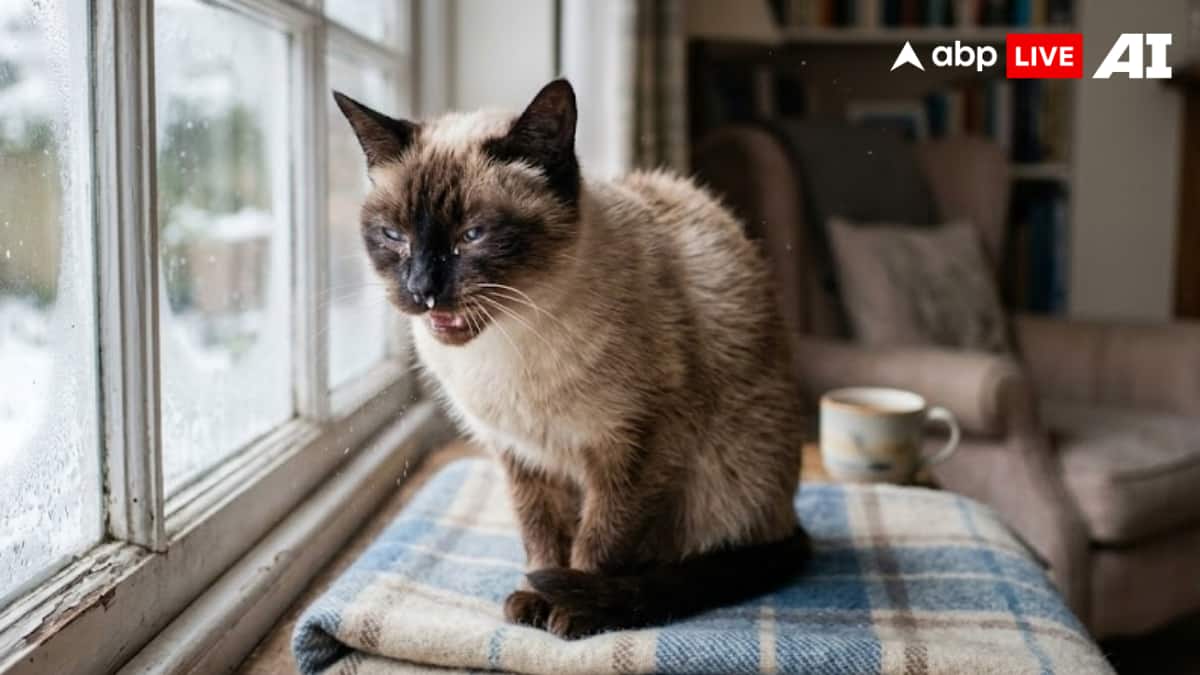
(Image Source: ABPLIVE AI)
Just like humans, pets can develop respiratory issues when the weather changes. Cold air, dust particles and sudden temperature fluctuations can irritate the respiratory tract, especially in dogs and cats with sensitive airways. Symptoms may include coughing, sneezing, nasal discharge and breathing difficulty. In severe cases, pets may become lethargic or lose interest in food. Young puppies, kittens and senior pets are more susceptible because their immune systems may not be strong enough to fight infections quickly. Maintaining a clean living environment is essential to reduce airborne irritants. Pet owners should avoid exposing animals to cold drafts or damp areas.
3. Digestive Problems
(Image Source: ABPLIVE AI)
Seasonal transitions can also affect a pet’s digestive system. Changes in temperature may alter appetite patterns, while exposure to contaminated food or water during humid conditions can lead to stomach infections. Pets experiencing digestive problems may show symptoms such as vomiting, diarrhoea, bloating or sudden loss of appetite. In some cases, pets may become weak or dehydrated due to fluid loss. Pet owners should ensure that their animals are given fresh food and clean water at all times. Storing pet food properly and avoiding leftovers can reduce the risk of bacterial contamination.
4. Tick And Flea Infestation
(Image Source: ABPLIVE AI)
Seasonal weather changes often create favourable conditions for parasites like ticks and fleas. These pests thrive in warm and humid environments and can quickly infest a pet’s coat. An infested pet may scratch constantly, develop irritated skin, or show signs of hair loss. Ticks and fleas can also transmit diseases and cause severe discomfort if not treated promptly. Regular grooming and inspection of your pet’s coat are essential preventive measures. Using vet-approved tick and flea prevention treatments can significantly reduce infestation risks.
5. Joint Pain And Mobility Issues
(Image Source: ABPLIVE AI)
Seasonal changes, particularly colder temperatures, can worsen joint stiffness in pets. Older dogs and cats with arthritis may experience increased discomfort during colder months. You might notice your pet moving more slowly, hesitating to jump or climb stairs, or showing signs of pain while walking. Cold weather can tighten muscles and joints, making mobility more difficult. Pet parents can help by ensuring pets have warm sleeping areas and comfortable bedding. Gentle exercise and short walks can also keep joints active and flexible.
6. Ear Infections
(Image Source: ABPLIVE AI)
Humidity and moisture during seasonal transitions can create the perfect environment for bacteria and yeast to grow inside a pet’s ears. Dogs with floppy ears are particularly prone to ear infections. Common symptoms include head shaking, scratching around the ears, unpleasant odour and redness inside the ear canal. Pets may also become irritable due to discomfort. Regular ear cleaning with veterinarian-approved solutions can help prevent infections. Pet owners should also keep ears dry, especially after bathing or outdoor play.
7. Reduced Immunity And Fatigue
(Image Source: ABPLIVE AI)
Weather fluctuations can temporarily weaken a pet’s immune system. This makes them more vulnerable to infections and general fatigue. Pets experiencing low immunity may appear less energetic, sleep more than usual or show reduced appetite. Their bodies may take longer to fight off minor illnesses. Balanced nutrition plays a key role in supporting immunity. High-quality pet food rich in essential vitamins and minerals helps maintain overall health.
8. Eye Irritation And Infections
(Image Source: ABPLIVE AI)
Dust, pollen and pollution levels often fluctuate during seasonal transitions, which can irritate a pet’s eyes. Dogs and cats may develop redness, excessive tearing or watery discharge. Pets may also rub their eyes frequently due to irritation. If left untreated, minor irritation can develop into infections. Pet parents should keep their pet’s eyes clean by gently wiping away discharge with a soft cloth. Avoid letting pets roam in dusty areas where allergens are high.
[Disclaimer: The information provided in this article is intended for general informational purposes only. It is not a substitute for professional veterinary advice, diagnosis, or treatment. Always consult a qualified veterinarian regarding your pet’s health, diet, or any medical concerns.]