

Language Settings
Select Website Language

GDPR Compliance

We use cookies to ensure you get the best experience on our website. By continuing to use our site, you accept our use of cookies, Privacy Policy, and Terms of Service.

Filters

Channels
Topics
Other Filters

37 Dead as Russian Strike Devastates Kyiv Weapons Depot

Russian drone strike kills 37 near Kyiv, damages 130 homes. Ammunition stored near homes and care facility triggers investigation into official negligence. A Russian drone strike devastated a weapons depot near Ukraine's capital, unleashing a catastrophic explosion. The attack killed at least 37 people and forced evacuations of almost 400 residents. Located dangerously close to homes and a care facility, the strike has sparked outrage over why explosives were stored in a civilian area. Late-Night Strike Levels Village A Russian drone attack on Friday night targeted an ammunition depot in Myla village, on Kyiv's outskirts. The impact detonated shells, mines, and stored drones in a massive secondary explosion. The blast tore through the Bucha district, devastating the surrounding residential area and triggering urgent rescue operations. 37 Dead, Hundreds Evacuated At least 37 people lost their lives in the explosion, with 42 more injured. Four children were among the wounded, compounding the tragedy. Nearly 400 residents were evacuated from the affected area as rescue operations continued throughout Saturday and beyond. 130 Homes Destroyed Overnight The explosion damaged approximately 130 homes in Myla village, leaving families homeless overnight. Structural damage was catastrophic-walls cracked, windows shattered, and building integrity compromised. Resident Liubov Pavlenko described her home 200 meters from the warehouse as "completely damaged," with cracks across its entire perimeter. Ammunition for Military Drones Russia's Ministry of Defence said forces targeted ammunition components and launch boosters for FP-1 and FP-2 long-range unmanned aerial vehicles. The storage facility housed critical drone components destined for military operations. This revealed the strategic importance of the depot to Ukraine's defense capabilities. Explosives Stored Next to Homes President Zelensky expressed fury over storing explosives adjacent to residential buildings. He stated regulations explicitly prohibit ammunition storage near homes or civilian areas. Zelensky called the placement "absolutely unacceptable" and demanded investigation into what he termed "terrible negligence" by storage officials. Vulnerable Elderly Care Home Hit The blast damaged a care home for elderly and disabled residents located near the depot. Residents of this vulnerable facility faced terrifying moments during the explosion and evacuations. The placement of explosives beside such sensitive facilities triggered additional outrage from officials and community members alike. Second Major Strike This Year This was the second major strike on a munitions depot near Kyiv in recent months. In July, a similar attack on an ammunition warehouse in Vyshneve killed nine people. That explosion damaged over 280 homes and left dozens injured, foreshadowing the devastation now unfolding in Myla. Officials Face Criminal Negligence Charges Criminal proceedings have been opened against officials for charges of negligence and improper storage decisions. Ukraine's prosecutor general is reviewing the legality of placing explosives near residential buildings. Investigators will examine the actions of officials responsible for siting the depot in such a populated area. Kyiv weapons depot, Russian drone strike, Ukraine ammunition explosion, Myla village, Residential building damage, Official negligence

Herpes Transmission Through Kissing: What You Need to Know

Health experts explain how herpes transmission occurs through kissing and why the virus remains dormant in the body after infection. Herpes transmission through kissing represents a significant route of viral spread that many people remain unaware of until infection occurs. The virus, once contracted, establishes itself as a persistent infection in the body, creating ongoing health considerations for affected individuals. Understanding the transmission pathway is essential for anyone seeking to protect their health. Close contact, particularly through kissing, provides direct access for the herpes virus to enter the body and establish infection. The warmth and moisture of the mouth create an environment conducive to viral transmission, making this route of spread particularly efficient. During active outbreaks, when viral shedding is highest, transmission risk escalates significantly. The Persistent Nature of Herpes Infection One of the most challenging aspects of herpes infection is its permanence. Once the virus enters the body, it does not leave. The infection persists within nerve cells, establishing a lifelong presence that distinguishes herpes from many other viral infections. This persistence means that individuals who contract herpes must adapt their approach to health management, recognizing that the virus remains a biological reality they will navigate throughout their lives. The virus exists in a dormant state within the body most of the time, causing no symptoms and presenting no immediate health threat. However, this dormancy is not permanent inactivity. The herpes virus maintains its genetic material within nerve cells, ready to respond to various triggers that prompt reactivation. This biological characteristic fundamentally shapes the disease experience for millions of people worldwide. Understanding Reactivation Risk The potential for reactivation at any point represents perhaps the most important aspect of herpes management. Without warning or predictable timing, the virus can transition from its dormant state back to an active phase, producing the symptoms that define clinical herpes infection. This unpredictability means that individuals with herpes cannot simply move past their infection; they must remain vigilant about potential reactivation. Various factors influence when reactivation might occur, though individual experiences vary considerably. Some people experience frequent reactivation episodes while others go extended periods without symptoms. This variability reflects the complex interaction between the virus and each person's immune system. Understanding one's personal reactivation patterns becomes an important component of living with herpes. The possibility of reactivation also carries implications for transmission risk. Even when no symptoms are present, the virus may occasionally shed from nerve endings, creating potential transmission opportunities. This asymptomatic shedding means that people with herpes require awareness and consideration even during periods when they feel completely well. Living With Herpes: Awareness and Management The Australian Herpes Management Forum emphasizes the importance of understanding herpes as a long-term health consideration rather than a temporary infection. Individuals diagnosed with herpes benefit from comprehensive information about their condition, strategies for managing outbreaks when they occur, and approaches to reducing transmission risk to partners. Modern medicine offers treatments that can manage symptoms and reduce the frequency of outbreaks, though these interventions do not eliminate the underlying infection. Antiviral medications can suppress viral replication and reduce the duration and severity of symptoms when reactivation occurs. Many people find that consistent use of preventive treatment significantly improves their quality of life. Beyond medical treatment, lifestyle factors play important roles in managing herpes. Stress reduction, adequate sleep, proper nutrition, and overall immune health support the body's natural ability to keep the virus in check. People with herpes often report that periods of physical or emotional stress precede reactivation episodes, suggesting that holistic health approaches contribute to outbreak prevention. Communication and Prevention Considerations The transmission potential of herpes through kissing underscores the importance of communication between partners. Individuals aware of their herpes status can take precautions and make informed decisions about intimate contact. This transparency supports both disease prevention and relationship trust. Prevention strategies during periods of active symptoms are particularly important. Avoiding kissing, shared utensils, towels, and other direct contact during outbreaks reduces transmission risk significantly. For those with herpes, understanding their reactivation patterns helps them anticipate high-risk periods. Education about herpes transmission and the persistent nature of the infection remains essential for public health. Many people contract herpes without fully understanding the lifelong implications, emphasizing the need for clear, accessible health information. Greater awareness empowers individuals to make informed choices about their health and relationships, while supporting compassionate understanding of those living with this common viral infection. herpes transmission, kissing, viral infection, health awareness, oral herpes, virus reactivation, health prevention

Tennessee State, Jackson State Open 2026 Season in Nashville

Tennessee State hosts Jackson State in the John A. Merritt Classic on Saturday at FirstBank Stadium, featuring new Tigers QB Daylin Lee in his debut. Two Historically Black College and University football programs will open the 2026 season in Nashville this weekend when Tennessee State welcomes Jackson State to FirstBank Stadium for the John A. Merritt Classic. The matchup, scheduled for Saturday at 7:30 p.m. Central Time, represents the first game for both teams and brings together programs from different conference structures seeking early-season momentum. Tennessee State competes in the Ohio Valley Conference, while Jackson State represents the Southwestern Athletic Conference. The Week 0 contest will showcase both teams' rosters and coaching approaches as each looks to establish rhythm before diving into conference play. A Rivalry Renewed The history between these institutions spans decades of competition. Tennessee State holds a 30-23-2 advantage in the all-time series, a record that underscores the closely matched nature of the rivalry. Their most recent encounter occurred in 2022 when Jackson State prevailed 16-3. Before that meeting, the programs had not faced each other for several years, making this weekend a significant renewal of the rivalry. The last time these teams played in Nashville dates to September 10, 1988, when they battled to a 26-26 stalemate at Hale Stadium. Tennessee State will add another layer of historical significance to this weekend by hosting the classic at Vanderbilt's facility. This marks the first time since August 31, 1996-when the Tigers hosted Florida A&M-that Tennessee State has designated Vanderbilt as its home venue for a game. Jackson State Brings Recent Momentum Jackson State arrives with recent success and confidence. The Tigers finished their previous campaign with a 9-3 overall record and a 7-1 conference mark within the Southwestern Athletic Conference. That combination of strong performance and consistency positions the program as a formidable opponent for Tennessee State's season debut. New Leadership at Quarterback Tennessee State's offense will operate under new leadership. Daylin Lee, a transfer from Winston-Salem State, inherits the starting role after establishing himself as one of the more productive quarterbacks in his former conference. Over three seasons at his previous school, Lee accumulated 55 career touchdown passes and 15 rushing touchdowns. In his most recent season, Lee's production remained high. He completed 149 passes in 238 attempts for 2,046 yards and 23 touchdowns while throwing just seven interceptions, resulting in a 62.6 completion percentage. Lee also showcased dual-threat capability, rushing for 89 yards and five additional touchdowns. Several performances stood out during Lee's previous season. He registered a season-high 338 passing yards against Virginia State and produced four passing touchdowns along with 326 total offensive yards against Virginia Union. Eight different contests featured multiple touchdown passes from Lee, highlighted by four-touchdown efforts against both Lincoln and Bowie State. Beyond his athletic achievements, Lee has earned academic recognition. He received All-CIAA Second Team honors as a true freshman in 2023 and was named CIAA Male Scholar of the Year that same year. The following year, he made the College Sports Communicators Academic All-District Team. Proven Contributors in the Backfield Tennessee State's skill positions feature proven contributors ready to support Lee. Zach Simmons-Brown assumes the primary running back duties. The previous season saw Simmons-Brown participate in all 12 games, carrying the football 101 times for 456 yards and two touchdowns while averaging 4.5 yards per carry. His receiving production added 12 catches for 56 yards, bringing his total yards from scrimmage to 512. Simmons-Brown demonstrated both consistency and the ability to produce explosive plays. His season-best rushing performance came against Western Illinois with 98 yards on 18 carries, resulting in 124 total offensive yards that game. He scored touchdowns in contests against Alabama A&M and Southeast Missouri, with the Southeast Missouri game featuring a 50-yard run among his contributions. The receiving rotation will include Brock Montgomery at the Z-receiver position. Montgomery appeared in all 12 games the previous season with seven starts, catching 20 passes for 203 yards. His average reception gained 10.2 yards, and he averaged 16.9 receiving yards per game. Montgomery posted season highs of three receptions and 40 yards against Western Illinois, featuring a 27-yard catch. He concluded the season with three catches for 32 yards in the final contest. Information for Fans The classic will broadcast on ESPN+ with radio coverage on 102.5 and 106.3 FM locally. Satellite radio and the TSU Tigers App will also carry the game for interested fans. Fans planning to attend can participate in tailgating activities beginning at noon, with the official Revel XP Tailgate opening at 3:30 p.m. Tennessee State's team will arrive at 5 p.m., and the ticket office will open at that time as well. Stadium gates open at 6 p.m., allowing fans time to settle in before the 7:30 p.m. kickoff. Tennessee State football, Jackson State football, John A. Merritt Classic, HBCU football, College football 2026, FCS football, Week 0 football  

TVS Jupiter Spectral Dual Tone New Color-Shifting Variant Launches

TVS launches new Jupiter 110 Spectral variant with color-shifting paint and sequential turn signals. Priced from Rs 89,825 with multiple segment-first features. TVS has introduced a new top-specification variant of its Jupiter 110 scooter that incorporates multiple features marking firsts within the segment. The Jupiter brand represents TVS's bestselling two-wheeler offering and maintains the position of the country's second-highest selling scooter model, a standing sustained through diverse variant options addressing different customer segments and price points. The latest Spectral Dual Tone variant, priced from Rs 89,825, extends this strategy through premium styling and technology additions designed to attract buyers seeking enhanced features and distinctive design elements. Color-Shifting Paint Technology The defining element of the new variant involves proprietary color-shifting paint technology, a segment-first innovation for Jupiter. Buyers can choose between Spectral Blue and Spectral Copper finishes, both displaying optical characteristics that transform depending on viewing angles and light intensity. The Spectral Blue option draws visual inspiration from evening sky illumination patterns, while Spectral Copper reflects the golden light tones characteristic of pre-dusk hours. These paints create continuously shifting gradients that underscore the scooter's contemporary design language. Design complementation comes through white-finished front apron panels, cowl sections, and side floorboards, with coordinating seat colors and inner panel hues. Partial chrome detailing on rear-view mirrors introduces an additional styling accent that contributes to the overall premium appearance. Smart Technology Integration Beyond visual enhancements, the Spectral variant introduces multiple technological features. A front-mounted sequential turn signal system represents another segment-first, combining functional and aesthetic benefits to the scooter's lighting arrangement. The overall lighting suite encompasses front infinity light bars, rear light bar treatments, and LED headlamp technology. A digital instrument display panel incorporates connectivity features bridging the scooter with smartphone integration. Navigation assistance with voice prompting supports directional guidance, while the system processes incoming calls and text message notifications. A vehicle location tracking function addresses ownership security concerns. Standard readouts encompass fuel range estimates and average fuel consumption metrics throughout operation. Safety systems include follow-me headlamp functionality, disc braking with SBT technology, emergency brake indicators, hazard lighting, and parking brake mechanisms. Additional conveniences comprise front-positioned USB charging access and external fuel tank filler location. Ergonomic and Storage Features Occupant comfort receives emphasis through extended seating length and optimized ergonomic geometry supporting various rider heights and ground reach requirements. Standard pillion backrests accommodate passengers, while three-position adjustable rear suspension components work with 12-inch alloy wheel equipment. Storage solutions prove competitive within the category, offering underseat compartment volume and a dedicated 2-litre front storage box. Floor space remains ample for rider accommodation and cargo placement. The scooter incorporates Body Balance Technology addressing vehicle stability and handling dynamics through intelligent chassis engineering. Dimensions and angles have been calibrated to support enhanced control characteristics during cornering and general maneuvering scenarios. A proprietary centre stand mechanism eases parking requirements. Engine and Efficiency Performance The Spectral variant retains the proven Jupiter 110 powerplant comprising 113.3cc displacement delivering 8 PS output and 9.8 Nm torque specification. Integrated automatic engine shutdown during idle periods combines with refined starting systems to minimize fuel consumption, with claimed efficiency figures representing competitive performance within the segment. This engine configuration provides adequate responsiveness for urban navigation and longer-distance applications, balancing performance with consumption economy. The unchanged powertrain ensures continued reliability alongside the new cosmetic and feature enhancements that define the Spectral variant's positioning in the market. TVS Jupiter, spectral dual tone, scooter launch, color-shifting paint, two-wheeler India, Jupiter 110, auto news

Ather Launches Konarc E-Scooter Starting at Rs 99,999

Ather Energy unveils Konarc e-scooter with up to 200 km range, steel chassis, and integrated charging. Starting at Rs 99,999 with multiple variants. Ather Energy unveiled its latest offering in the electric scooter segment with the launch of the Konarc at its annual Community Day event. The new model marks a significant milestone as the first production vehicle to utilise the manufacturer's newly developed EL platform. Entry-level pricing begins at Rs 99,999, positioning the vehicle to capture a broad consumer base in India's growing electric two-wheeler market. The Konarc arrives with two distinct product lines-the S and Z versions-each catering to different customer needs and budgets. The S variant is designed as the more accessible option, while the Z maintains a premium positioning. This segmentation strategy reflects Ather's approach to expanding its addressable market while maintaining focus on specific user categories. Variant Structure and Range Capabilities The Konarc S will be available in four range configurations, spanning from 100 km to 200 km on a single charge. The Z version will initially launch with 125 km and 161 km options. At present, three S variants have been priced: the 100 km model commands Rs 99,999, the 125 km variant is listed at Rs 1,21,999, and the 161 km version carries a Rs 1,44,999 price tag. A longer-range 200 km S model has been confirmed but pricing details remain pending. These range options correspond to differing battery capacities. The entry-level 100 km variant utilises a 2.1 kWh battery, the mid-range 125 km model carries a 2.7 kWh unit, and the 161 km version features a 3.5 kWh battery pack. All battery casings employ aluminium construction and feature an IP67 rating for protection against water and dust ingress. Performance and Construction Details The Konarc maintains a consistent top speed of 70 km/h across all initial variants. The 2.1 kWh battery delivers 4 kW peak power, whereas both the 2.7 kWh and 3.5 kWh versions provide 4.7 kW. Maximum torque remains uniform at 16 Nm across the lineup, with a claimed gradeability of 16 degrees. Acceleration figures show the entry-level model reaching 40 km/h in 5 seconds, while the larger-battery variants achieve the same milestone in 4.7 seconds. A fundamental departure from Ather's existing scooter line is the Konarc's construction methodology. The vehicle features a steel unibody chassis with metal body panels, departing from previous designs. The scooter rides on a 14-inch front and 12-inch rear wheel setup, fitted with 90/90-14 and 100/90-12 tyres respectively. The braking system varies by variant, with the entry model featuring drum brakes at both ends, while the 125 km and 161 km versions incorporate a 220 mm front disc brake. Front and rear suspension offer 90 mm and 100 mm of travel respectively. Integrated Charging and Practical Features A distinctive characteristic of the EL platform is its integrated charging system. All variants come equipped with a standard 450W onboard charger, eliminating the need to transport external charging equipment. From a domestic power outlet, the 2.1 kWh battery reaches 80% charge in approximately 4 hours, the 2.7 kWh requires 4 hours 30 minutes, and the 3.5 kWh takes 5 hours 40 minutes. For users seeking faster charging, an additional 450W charger can be connected, raising combined charging capacity to 900W. Under this dual-charger setup, charging times to 80% reduce to around 2 hours for the smallest battery, 2 hours 25 minutes for the mid-tier, and 3 hours 10 minutes for the largest. Ather Grid charging access comes as standard on the 125 km and 161 km variants and as an optional feature on the 100 km model, enabling the entry model to add 13 km of range in 10 minutes, while the larger-battery versions achieve 15 km in the same timeframe. Practical storage reaches 31 litres under the seat, while USB charging and reverse Park Assist enhance daily usability. Display options include a 4.2-inch unit on the entry model and a 7-inch variant on premium models, with the latter supporting Bluetooth connectivity, ride tracking and remote vehicle management through the Ather app. Availability and Delivery Timeline Deliveries for the 100 km Konarc S will commence in Q1 2027, while the 125 km and 161 km variants begin shipping in September 2026. The forthcoming 200 km S variant is scheduled for Q3 2027. The Z variant will see availability in Q2 2027 for both its range options. Ather Konarc, electric scooter launch, EL platform, range variants, integrated charging, electric vehicle India, e-scooter pricing, two-wheeler

Mercury Retrograde Explained: What It Really Means for Your Zodiac Sign

Discover what Mercury retrograde means for your zodiac sign and how to navigate its astrological effects on communication and decision-making. If you've ever blamed a miscommunication on "Mercury retrograde," you're tapping into an ancient astrological belief that has captivated millions worldwide-including right here in India, where Vedic astrology has tracked planetary movements for millennia. But what exactly is Mercury retrograde, and should you really put your life on pause when it happens? Let's explore what this celestial phenomenon means for your zodiac sign and how to work with it. Mercury retrograde occurs three to four times each year when the planet Mercury appears to move backward in its orbit from Earth's perspective. In astrology-a tradition valued by many as a guide for self-reflection and personal growth-this period is believed to amplify communication mishaps, technological glitches, and misunderstandings. While modern astronomy explains this as an optical illusion caused by relative planetary motion, astrology interprets it as a time when Mercury's influence shifts inward. Think of it less as scientific law and more as a cultural framework many use for introspection and timing important decisions. Understanding Mercury's Role in Astrology In the astrological tradition, Mercury governs communication, intellect, travel, and commerce. During retrograde periods, astrologers suggest that Mercury's energy turns inward, potentially creating space for reflection rather than forward momentum. This doesn't mean disaster strikes-rather, it's considered an invitation to slow down, review past decisions, and revisit unfinished business. Many people worldwide use Mercury retrograde as a helpful reminder to double-check emails, back up important files, and think carefully before major life changes. The Communication Challenge Communication breakdowns are the defining characteristic of Mercury retrograde in astrological practice. According to this tradition, misunderstandings spike, technology acts up, and our words often get lost in translation. Whether you're in India or anywhere globally, countless people report feeling more scattered during these periods. While skeptics attribute this to confirmation bias, many see it as Mercury's gentle nudge to communicate more mindfully. Using retrograde periods to clarify intentions, have pending conversations, and listen actively is valuable regardless of astrological belief. How It Affects Your Zodiac Sign Fire Signs (Aries, Leo, Sagittarius): These dynamic signs may feel their natural momentum stall during retrograde. Astrology suggests slowing down, reconsidering hasty decisions, and focusing on strategic planning. It's a rare gift for action-oriented fire signs to pause and refine their approach. Earth Signs (Taurus, Virgo, Capricorn): Practical and methodical, earth signs often navigate Mercury retrograde well. However, astrology cautions against over-rigidity-use this time to revisit abandoned projects with renewed perspective and practical wisdom. Air Signs (Gemini, Libra, Aquarius): As Mercury rules communication and intellect, air signs (especially Mercury-ruled Gemini) may feel the retrograde most keenly. The tradition suggests this is ideal for clarifying ideas, reconnecting with old friends, and deepening your communication style. Water Signs (Cancer, Scorpio, Pisces): Intuitive water signs often thrive during Mercury retrograde's inward turn, astrology suggests. Journal, meditate, and trust your emotional wisdom during this naturally reflective period. Practical Strategies During Retrograde Regardless of your sign, here are grounded, practical approaches many use: - Protect your technology: Back up data and avoid major tech purchases or updates when possible - Review before launching: Delay major contracts, projects, or announcements; if unavoidable, review meticulously - Reconnect with the past: Reach out to old friends, restart abandoned hobbies, or complete unfinished work - Over-communicate: Assume misunderstandings are likely and clarify more than usual - Embrace reflection: Use the slower pace for journaling, planning, and evaluating your direction Working With, Not Against, Mercury Retrograde The key insight from astrological tradition is this: Mercury retrograde isn't inherently negative-it's simply *different*. Rather than a time to fear, many view it as a natural rhythm for refinement, rest, and course-correction. History shows that profound achievements happened during retrograde periods because people invested time in thinking deeply and perfecting their ideas. Whether you're a devoted astrology enthusiast or simply curious, using Mercury retrograde as a seasonal reminder to slow down, communicate thoughtfully, and revisit your plans is universally sound advice. Across cultures and continents, the wisdom remains the same: sometimes the best way forward is to pause, reflect, and reconnect with what truly matters. mercury retrograde, zodiac signs, astrology, Mercury retrograde effects, communication, retrograde period, planetary influence, astrology guidance

Microsoft's Next Xbox Will Be Multiple Devices, Not One

Microsoft's next Xbox, Project Helix, will launch as a family of devices rather than a single console, according to Xbox CEO Asha Sharma. Microsoft is taking a different approach to its next generation of home gaming hardware. Rather than releasing a single console as has been traditional for the company, the technology giant will instead launch what its leadership describes as a "family" of gaming devices under the Project Helix banner. The shift became clear recently when Xbox CEO Asha Sharma addressed the question of what form the upcoming hardware would take. When asked whether Project Helix would be a discless console, Sharma didn't provide a direct answer but instead offered broader context about the company's plans. She told BBC News that Microsoft has "been hard at work on a great next generation and a great family of devices for Helix," signaling that consumers should expect multiple hardware options rather than a singular release. This represents a notable clarification from Sharma's initial announcement of Project Helix back in March, when the codename was presented as referring to Microsoft's "next generation console"-language that suggested a single piece of hardware would arrive. The expanded scope hints at Microsoft's ambition to capture different segments of the gaming market, from casual players to enthusiasts, through differentiated hardware options. Strategic Partnership Shapes the Portfolio Microsoft's approach to building this family of devices involves collaboration with semiconductor manufacturer AMD. In 2025, the two companies formalized what they called a "strategic multi-year partnership" focused on developing "a portfolio of devices" that includes Microsoft's next-generation console technology. This partnership appears central to how Project Helix will materialize, suggesting AMD's chips will power multiple SKUs tailored for different use cases and price points. The partnership framework indicates that both companies are working in concert to ensure the various devices within the Helix family share compatible architecture while serving distinct market segments. By leveraging AMD's expertise in console-class processors, Microsoft can more effectively execute its multi-device strategy. Software Ecosystem Expansion Beyond hardware, Microsoft is also preparing its software and services infrastructure for the Helix generation. The company announced a program designed to help users digitize their existing physical game collections, suggesting that the Helix family will embrace digital distribution while offering paths for customers to bring legacy libraries forward. Additionally, the Helix devices are confirmed to be capable of running PC games, indicating that Microsoft intends to blur the traditional boundaries between console and personal computer gaming. This cross-compatibility aligns with the company's broader strategy of creating a unified gaming ecosystem across its platforms. Potential Third-Party Involvement Reports have suggested that manufacturers outside Microsoft may produce their own versions of Project Helix hardware-a departure from typical console markets where the original equipment maker maintains exclusivity. While Xbox's VP of next generation, Jason Ronald, didn't explicitly confirm third-party manufacturing, his statement that "Project Helix will be available as a 1st party Xbox console" was carefully worded in a way that left room for additional hardware partners. The language distinction between first-party availability and total exclusivity hints that the Helix ecosystem could expand beyond Microsoft's own production capacity or market strategy, though the company has not formally announced any such partnerships. Timeline for Launch Project Helix remains several years away from availability. During a conference presentation in March, Ronald indicated that the hardware would not reach alpha-the earliest stage of internal testing-until 2027. Earlier that year, AMD had suggested it would be prepared to support a Microsoft next-generation Xbox launch in 2027, aligning with the console's developmental timeline. This means consumers should not expect Project Helix to appear in stores in the near term, with 2027 representing a target year for reaching early testing phases rather than public availability. The extended development timeline gives Microsoft adequate runway to refine the family of devices and ensure compatibility across multiple hardware configurations. What Helix Signals for Gaming The shift toward a portfolio of devices reflects broader industry trends and Microsoft's strategic positioning within gaming. Rather than forcing consumers into a one-size-fits-all hardware choice, the company is apparently betting that offering multiple entry points will expand its addressable market. This approach could appeal to price-conscious buyers while still satisfying performance-focused gamers willing to pay premium prices. Microsoft's commitment to PC game compatibility further suggests that the line between traditional home consoles and personal computers will continue to blur. As gaming hardware becomes more modular and diverse, players may have greater flexibility in selecting devices that match their specific needs and budgets. The full scope of the Helix family remains to be detailed. Microsoft has indicated that additional information will be shared in the future, though the company has not specified when such announcements might occur. For now, the confirmation that Project Helix represents multiple devices rather than a single console marks a significant departure from console industry norms. Xbox, Project Helix, Microsoft, gaming console, AMD, next-generation, 2027 launch, hardware

Waste to Shelter Mexican Startup Transforms Plastic Into Homes

Mexican social enterprise EcoDom converts discarded plastic into durable building panels, tackling pollution while providing affordable housing solutions for impoverished families. A Mexican entrepreneur's vision of transforming discarded plastic into functional building materials has evolved into a growing social enterprise, offering a dual solution to two pressing challenges: the accumulation of waste and the shortage of safe, affordable housing. The venture, called EcoDom, demonstrates how industrial waste typically destined for landfills can be converted into robust construction panels suitable for residential buildings. The process draws on an increasingly recognized principle in sustainable development: that environmental solutions and social solutions can reinforce each other when properly designed. Converting Waste Into Construction Material The core innovation centers on recycling plastic that would otherwise persist in the environment for decades. Workers process collected plastic into panels that meet construction requirements, creating an alternative to conventional building materials. This approach addresses multiple layers of the waste problem simultaneously. Informal waste collectors, who typically operate at the bottom of economic hierarchies with minimal bargaining power, now participate in a supply chain with improved terms and conditions. Their work becomes more valuable because they provide essential raw material for a manufacturing process that generates demand. The three-year trajectory from initial concept to operational enterprise reflects the complexity of scaling a business model that must simultaneously innovate in production, build market acceptance, and maintain social impact. The venture has demonstrated that the conversion process can work at meaningful volumes while maintaining quality standards for the panels produced. Addressing Housing and Environmental Crises Mexico, like many developing nations, faces simultaneous housing shortages and waste management challenges. Millions of families live in inadequate housing structures, while plastic consumption continues to generate waste streams that overwhelm existing disposal infrastructure. The intersection of these problems creates opportunity for integrated solutions. Building panels made from recycled materials reduce demand for traditional construction materials while simultaneously providing housing components that lower construction costs for impoverished communities. The environmental benefit extends beyond simple waste diversion. Manufacturing new construction materials from virgin resources typically requires significant energy input and generates emissions. Repurposing existing plastic reduces both the environmental footprint of housing construction and the volume of waste requiring disposal infrastructure. Impact on Informal Waste Collectors Informal waste collection represents a survival strategy for millions across the developing world. Collectors operate without employment protections, stable income, or access to credit systems. The conventional waste trade offers minimal compensation, with multiple middlemen extracting value before materials reach recyclers. EcoDom's model creates direct purchasing relationships, shifting bargaining power toward collectors. This structural change affects livelihoods more fundamentally than simple price increases, as improved dealing terms provide predictability and dignity to work that society often stigmatizes. The enterprise thus functions as both an environmental technology and a social program, recognizing that sustainable development requires economic improvements in vulnerable communities. Scaling Toward Broader Impact The social enterprise has articulated ambitions to expand beyond its initial market. Global reach represents the logical progression for a model that addresses universal challenges-waste streams exist everywhere, and housing shortages affect populations across numerous countries. Replicating the approach requires adapting to local conditions: different plastic waste profiles, distinct housing needs, varying regulatory environments, and unique social structures in informal waste collection sectors. The success of the initial venture creates a proof of concept for other entrepreneurs and social enterprises considering similar models. Whether measured in environmental impact-plastic diverted from landfills-or social impact-livelihoods improved and families housed-the three-year expansion suggests the model shows viability. The enterprise represents one response to the reality that conventional solutions have failed to adequately address waste management or housing deficits. Top-down waste programs often exclude informal collectors, while housing programs frequently rely on inefficient construction methods or remain inaccessible to the poorest households. Market-driven approaches leveraging recycled materials create space for solutions that improve environmental outcomes while generating economic opportunity. plastic waste recycling, sustainable housing, Mexico social enterprise, affordable housing solutions, EcoDom, building materials, waste management, poverty alleviation.

Sunil Narine Drives Massive Interest in TKR vs BT Cricket

Sunil Narine trends as Trinidad and Tobago Knights face Barbados Tridents in Port of Spain. August 28 match generates 2,000+ searches. A cricket match between Trinidad and Tobago Knights and Barbados Tridents at Port of Spain on August 28, 2026 generated considerable online attention throughout the cricket-watching world. The 19th match of the tournament saw Sunil Narine emerge as a focal point of fan engagement, with searches for the cricketer exceeding 2,000 queries on major search platforms in India. This concentration of digital interest highlights both the prominence of individual players within franchise cricket and the global nature of modern sporting engagement. The Port of Spain fixture represents the type of mid-tournament encounter that typically carries significant implications for both participating franchises. Held at an established cricket venue in Trinidad, the match brought together two competitive Caribbean Premier League teams in what observers anticipated would prove consequential for tournament standings and playoff positioning. Sunil Narine's Place in Modern Cricket Sunil Narine has carved out a distinctive role within international cricket through his unorthodox playing style and competitive presence. Operating primarily within T20 franchises globally, he has competed across multiple premier leagues while representing his national team. His approach combines unconventional batting techniques with bowling variations that create tactical complexity for opposition teams. The consistent public interest in Narine's performances reflects his standing as a player capable of influencing match outcomes through individual brilliance or uncharacteristic moments. His presence in any fixture automatically elevates audience expectations and media attention. Fans across multiple cricket-following nations closely track his performances, aware that his aggressive approach and tactical unpredictability can reshape the course of a game within the T20 format's condensed timeframe. This combination of technical ability and entertainment value has made Narine a consistently newsworthy figure within cricket reporting. When established players participate in significant tournament fixtures, their individual performances often generate discussion extending far beyond match statistics into broader cricketing and cultural commentary. The Caribbean Premier League Context The Caribbean Premier League stands among cricket's established franchise competitions, attracting substantial international participation and television viewership. The league features teams representing different Caribbean territories, with Trinidad and Tobago Knights and Barbados Tridents both maintaining competitive rosters and established fan bases. Matches between competitive franchises within the CPL generate considerable interest within cricket-following audiences, particularly during tournament stages where standings and playoff positions become increasingly defined. The 19th match of the tournament fell during a phase where individual results could materially influence team trajectories and playoff qualifications. Port of Spain as Venue Port of Spain, situated in Trinidad, serves as home ground for the Knights and hosts matches at an established cricket venue recognized throughout the sport. The location provided familiarity and support advantages for the host franchise while ensuring consistent playing conditions and infrastructure standards. The concentration of search interest and online engagement around this particular fixture demonstrates how contemporary cricket's digital dimension amplifies attention for significant matches. With real-time information access now enabling global audiences to track developments instantly, regional and franchise competitions attract viewership far exceeding their geographic boundaries. Global Engagement with Caribbean Cricket For India's cricket audiences, the Caribbean Premier League offers engagement with international franchise cricket beyond national competitions. The league's combination of competitive cricket and established international players creates appeal across multiple markets and demographics. When significant figures like Sunil Narine participate in high-profile fixtures, the resulting audience interest manifests through multiple digital channels. The August 28 match at Port of Spain represented another moment demonstrating cricket's increasingly interconnected global nature. Regional franchise competitions now attract worldwide attention and generate substantial online engagement, with individual player performances capable of trending across continents and search platforms. This geographic reach underscores how modern cricket transcends traditional boundaries through digital connectivity and global fan bases.  Sunil Narine, TKR cricket, Barbados Tridents, Caribbean Premier League, Port of Spain, August 2026, T20 cricket

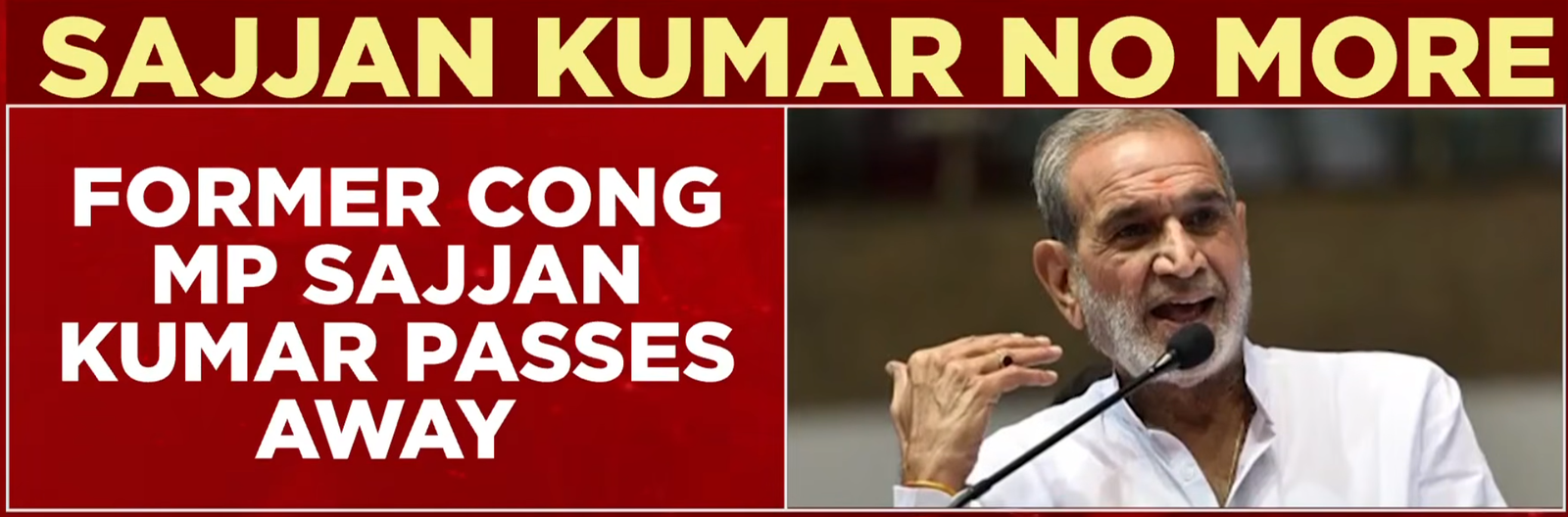
Delhi BJP MPs' Visit to Sajjan Kumar's House Triggers Leadership Response

Three Delhi BJP MPs visited the residence of Sajjan Kumar, leading to significant action from party leadership amid growing public interest in Delhi political developments. A visit by three Delhi BJP legislators to the residence of Sajjan Kumar has triggered notable action from party leadership, drawing considerable attention among observers of Delhi's political landscape. The development, which generated significant interest online, reflects ongoing dynamics within the ruling party's organizational structure in the capital. The visit represents the kind of political engagement that periodically occurs within party structures, where elected representatives hold discussions with senior figures. Such interactions often carry implications for party strategy, organizational decisions, or broader political developments. The fact that multiple MPs made the coordinated visit underscores the potential significance attached to the meeting. Party Leadership's Response Following the visit, the party's top leadership moved to address the situation, signaling that the matter warranted high-level attention. Such swift responses from party leadership typically indicate concerns about organizational issues, internal matters, or strategic considerations requiring senior intervention. The nature of leadership action in response to political developments frequently shapes the trajectory of subsequent party decisions and public positioning. The sequence of events-visit followed by leadership action-reflects patterns commonly seen in large political organizations where grass-roots level activities and senior decision-making intersect. These dynamics help political parties maintain internal discipline and strategic coherence while managing diverse perspectives among their members. Delhi's Political Context Developments involving Delhi BJP MPs take on particular significance given the capital's status as India's political center. The city's complex political landscape, with multiple layers of governance and representation, means that activities involving party members and senior figures attract scrutiny from various quarters. The fact that this development registered on public interest metrics demonstrates how closely political observers and citizens track movements within the ruling party. Delhi's politics involve multiple jurisdictions and levels of representation, creating an intricate environment where intra-party coordination and decision-making carry practical implications. Three legislators visiting a senior figure's residence reflects the kind of political engagement that helps parties navigate this complexity and address organizational priorities. Public Interest and Transparency The development's appearance in trending searches indicates sustained public curiosity about Delhi BJP's internal workings and senior figures' roles. In contemporary India's media landscape, such developments rarely remain confined to internal party discussions, as public interest drives coverage and commentary. The attention generated suggests that observers view the event as potentially significant for understanding party dynamics or political developments in the capital. This level of public engagement with party politics reflects broader trends in how Indian voters and citizens monitor their elected representatives and party organizations. Political movements at every level generate interest among engaged citizens seeking to understand the forces shaping governance and policy decisions in their localities. Organizational Implications When party leadership responds to activities initiated by elected members, it typically reflects organizational priorities or concerns that need addressing. Large political parties maintain internal mechanisms to ensure coordination, resolve differences, and reinforce party discipline. Actions taken by leadership following specific events contribute to shaping how party members conduct themselves and coordinate their activities. For a party operating across multiple jurisdictions and managing diverse constituencies, maintaining internal coherence while allowing for necessary political engagement presents ongoing challenges. Responses by senior leadership to developments involving MPs serve as signals to the broader party structure about expectations and strategic direction. The visit and subsequent action, while initially appearing as a localized political engagement, reflects the broader organizational dynamics that characterize India's largest political parties and their management of representatives across the country. How such situations are handled can set precedents for internal functioning and influence party members' understanding of their roles and responsibilities within the organizational structure. Delhi BJP, Sajjan Kumar, BJP MPs, Delhi politics, party politics, political development

National Sports Day Shadows Where Will Youth Play?

As India marks National Sports Day, public playgrounds vanish and digital entertainment competes for youth attention, raising questions about the nation's sporting future. The nation prepares to celebrate National Sports Day this weekend, a moment typically reserved for recognizing athletic achievement and inspiring the next generation of players. Yet beneath the festivities lies a troubling question: as public grounds continue to disappear from the urban and rural landscape, what space remains for young people to discover their sporting potential? The tension captures a fundamental challenge facing youth engagement with physical activity. For any nation to cultivate athletic talent, the basic infrastructure must exist-accessible, open spaces where children can gather, practice, and play without cost or formal membership. In many parts of the country, these spaces are shrinking, lost to urban development, competing land uses, or simple neglect. The Shrinking Canvas for Play The maidan, that essential public ground rooted deeply in Indian culture and sport, represents more than just open space. Historically, these fields have been the birthplace of countless athletes and the lifeblood of community sports culture. Cricket matches, football tournaments, athletics training, and informal games have all thrived on these grounds, accessible to anyone with the desire to play. Yet across the country, these spaces face mounting pressure. Urban expansion, infrastructure projects, and the conversion of public land to other uses have gradually eroded the playground network that once characterized Indian towns and cities. The consequence extends beyond mere loss of real estate-it represents a narrowing pathway through which young talent can enter organized sports. The Digital Alternative Simultaneously, young people face unprecedented competition from indoor entertainment options. Gaming consoles and digital platforms now offer constant engagement, requiring no physical space and minimal effort to access. The choice between stepping outside to find a playable ground and settling into a familiar digital environment becomes increasingly skewed when the outdoor option grows scarcer. This shift reflects broader patterns in how leisure time is allocated. Where playgrounds once promised adventure, social connection, and physical challenge, the gaming world delivers immediate gratification and elaborate worlds without geographic limitation. For youth weighing their options, the decision often depends on what is practically available-and therein lies the critical issue. Building the Future of Sport National Sports Day celebrations serve as reminders of the country's sporting ambitions and the potential resident in its young population. Yet these aspirations cannot materialize without foundational infrastructure. No amount of motivational messaging or recognition of athletic excellence can substitute for accessible places where young people can actually pick up a bat, ball, or simply run. The disappearance of maidans threatens to create a widening gap between those with access to private facilities and those dependent on public spaces. This inequity undermines the democratic nature of sport and narrows the pool from which emerging talent can be discovered and nurtured. A Call for Preservation and Action As the nation marks this weekend's sports celebration, the underlying challenge remains unresolved. Preserving and expanding public playgrounds is not merely a leisure concern-it is an investment in national sporting capacity and youth health. Every maidan lost represents opportunities foreclosed, potential athletes who will never pick up a racket or ball, and communities diminished by the loss of shared recreational space. The question posed by disappearing playgrounds is ultimately one about priority and foresight. Can the nation develop the sporting culture it celebrates while simultaneously allowing the physical spaces that enable that culture to vanish? The answer, increasingly, appears to depend on whether preservation of public grounds becomes an urgent national conversation rather than an afterthought in development planning. National Sports Day, playgrounds, youth sports participation, public maidans, physical activity, sports infrastructure, India sports, outdoor recreation

Bollywood Pays Respects to Filmmaker Kuku Kohli

Kuku Kohli's prayer meet held in Mumbai with Bollywood actors and colleagues paying respects. His wife Aruna Irani attended the ceremony honoring the filmmaker. The Indian film industry gathered in Mumbai for a prayer meet honoring filmmaker Kuku Kohli, bringing together prominent actors, directors, and entertainment professionals to pay their respects. The ceremony served as a poignant reflection of the interconnections within Bollywood and the lasting impact filmmakers have on their colleagues and the broader community of cinema professionals. Kohli's wife, Aruna Irani, attended the gathering, visibly affected by the occasion. Her presence throughout the ceremony underscored the personal dimensions of grief within the entertainment world, where professional relationships frequently develop into deep personal bonds. The attendance of numerous industry members demonstrated the network of connections Kohli had cultivated throughout his professional career. Among those who attended were notable actors Rajpal Yadav and Sunny Kaushal, whose presence reflected the respect Kohli commanded across different phases and circles within Bollywood. The participation of such established figures suggested his influence extended across multiple generations and professional communities within Indian cinema. A Filmmaker's Contribution to Indian Cinema Kuku Kohli established himself as a filmmaker through his directorial work in Indian cinema. His filmography included "Phool Aur Kaante," which represented his creative efforts within the Hindi film landscape. Through his projects, Kohli contributed to the evolving narrative of Indian filmmaking, engaging audiences and shaping the industry's cultural output during his career. Filmmakers occupy a distinctive position within the entertainment ecosystem. Beyond storytelling, they serve as collaborators who work intimately with actors, cinematographers, music composers, and countless other technical professionals. These collaborative relationships frequently span multiple projects across years, often developing into bonds that transcend the professional sphere. The directorial vision a filmmaker brings to a production influences not only the final cinematic product but also the creative development of those they work alongside. Bonds Within the Film Community The Indian film industry is characterized by close professional relationships developed through the collaborative nature of filmmaking. Actors, directors, and technicians work together in intimate settings during production, building connections that often extend beyond individual projects. For many in Bollywood, these professional partnerships develop into lasting personal relationships that define their careers. The prayer meet brought together members of this extended professional community to formally acknowledge Kohli's passing. Such gatherings hold particular significance within Indian culture and the entertainment industry. They provide occasions for the broader community to recognize an individual's contributions while creating space for personal mourning and collective reflection among those who knew and worked with the deceased. Cultural Significance and Legacy Prayer meets occupy an important place within Indian cultural traditions. These gatherings, held to honor the deceased and provide spiritual observance, serve significant social and emotional functions. Within the film industry specifically, prayer meets have become occasions for the entertainment community to formally celebrate and acknowledge the lives of industry members who have passed. Filmmakers leave behind multifaceted legacies. The films they directed exist as records of their creative vision and technical expertise. The actors they developed, the stories they brought to screen, and the innovations they contributed to filmmaking all form part of their lasting impact on cinema's evolution. Beyond completed works, filmmakers influence the creative professionals who collaborate with them through their directorial approaches and artistic choices. Kohli's prayer meet provided an occasion for the film community to reflect on both his completed works and his influence within Bollywood. For his family, the gathering represented recognition of his professional legacy. For the industry, the ceremony marked a moment to consider how filmmakers contribute to cinema's development and how personal relationships bind the entertainment community across generations. Kuku Kohli, Bollywood filmmaker, prayer meet Mumbai, Phool Aur Kaante, Aruna Irani, Indian cinema, Rajpal Yadav

iQoo Z9 Turbo specs leak reveals smartphone details

iQoo's Z9 Turbo smartphone leaks with 1.5K display, Snapdragon 8s Gen 3, 6000mAh battery, 144Hz refresh rate, 80W charging, and Rs 19,999 price. Smartphone specifications have leaked ahead of the official launch of iQoo's latest addition to its Z-series lineup. The iQoo Z9 Turbo is expected to arrive with a combination of display technology, processing power, and charging capabilities that appear designed to attract mid-range buyers seeking performance without flagship pricing. According to the leaked details, the device will sport a 1.5K resolution display paired with a 144Hz refresh rate. These specifications suggest the manufacturer is prioritising smooth visual performance for gaming and everyday scrolling. The Snapdragon 8s Gen 3 chipset listed in the leak indicates the phone aims to deliver capable performance for demanding applications while maintaining reasonable power consumption. Display and Processing Power The leaked specifications highlight a 1.5K display as a key feature, which sits between conventional 1080p and 2K resolutions. This resolution level offers a balance between visual clarity and power consumption-sharp enough for most viewing distances on a smartphone screen while avoiding the battery drain associated with higher resolution displays. Combined with the 144Hz refresh rate mentioned in the leak, this suggests the device targets users who value responsive screen performance. Gaming enthusiasts and those who engage with fast-paced applications would likely find such display specifications appealing. The higher refresh rate can make scrolling through social media feeds, web browsing, and other daily tasks feel smoother and more responsive than standard 60Hz displays. The Snapdragon 8s Gen 3 processor represents a positioning in Qualcomm's processor lineup that prioritises capability and efficiency. This chipset has appeared in several recent smartphone launches and is known for balancing processing performance with power management. For most users, the processing power available through this chipset would be sufficient for multitasking, media consumption, photography editing, and performance-intensive apps. Battery Life and Charging The leaked details mention a 6000mAh battery capacity, which aligns with expectations for smartphones in this category. A battery of this size typically provides a full day of moderate to heavy use, though actual longevity depends on display brightness settings, application usage patterns, and processing demands. Battery capacity has become an important specification for consumers evaluating smartphone purchases. The 80W fast charging capability described in the leak suggests relatively quick replenishment of the battery when the device is connected to a charger. This charging speed enables users to achieve substantial battery levels within short charging windows, which many consumers find valuable for maintaining device usage throughout the day. Fast charging technology has become increasingly common in the smartphone market, and users typically expect such features in devices at this price point. Camera System The iQoo Z9 Turbo is expected to feature a 50MP dual camera setup according to the leaked specifications. Dual camera configurations typically combine a primary sensor with a secondary lens designed for additional photographic capabilities, such as ultra-wide angle capture or depth sensing for portrait photography. Such configurations have become standard across many smartphone price segments. A 50MP primary sensor has become common in smartphones across various price points. The actual quality of photographs depends not only on megapixel count but also on sensor size, software processing, lens quality, and lighting conditions. The specific capabilities and intended purpose of the secondary camera remain unspecified in the available information. Market Positioning and Competition The leaked specification sheet indicates an expected price point of Rs 19,999. This positions the device in India's competitive mid-range smartphone segment, where numerous manufacturers offer feature-rich alternatives. At this price, consumers can typically find various options from different brands, each emphasising different strengths and features. The combination of specifications mentioned in the leak-a high-refresh display, capable processor, substantial battery, and fast charging-suggests iQoo is targeting buyers who prioritise performance value. The mid-range segment remains one of the most competitive areas of the smartphone market, as manufacturers attempt to offer flagship features at accessible prices. The iQoo Z-series has historically focused on delivering performance-oriented features at competitive price points, and these leaked specifications appear consistent with that positioning. Consumer interest in features like display quality, processing power, battery life, and charging speed continues to drive purchasing decisions across the market. iQoo Z9 Turbo, smartphone specifications, Snapdragon 8s Gen 3, 144Hz display, specifications leak, 6000mAh battery, mid-range smartphone  

HDFC Bank faces fresh leadership uncertainty as CEO signals exit timeline

HDFC Bank's CEO announces departure plans, following recent exit of bank chairman. Leadership transitions set to reshape India's largest private lender. HDFC Bank is navigating a period of significant leadership transition, with the chief executive officer indicating plans to step down before the end of October. The announcement comes several months after the bank's chairman departed from the position, creating a window of management change at India's largest private sector lender. The succession of departures at the helm of such a major financial institution carries implications for the bank's strategic direction, investor confidence, and operational continuity. Leadership transitions in banking-particularly when occurring in close succession-typically prompt stakeholders to reassess organizational stability and governance practices. HDFC Bank holds a prominent position in India's financial landscape. As a major lender serving retail, corporate, and institutional clients across the country, the bank's leadership decisions and organizational health are watched closely by depositors, investors, and regulators. The bank operates one of India's largest branch networks and serves millions of customers, making leadership stability a matter of broader economic significance. Implications of Management Transition When senior leadership changes occur, particularly in quick succession, financial institutions typically experience periods of heightened scrutiny. Questions around succession planning, governance frameworks, and strategic priorities often emerge during such phases. Markets and stakeholders assess whether transitions are orderly and whether institutional knowledge is being preserved through the change. The timing of these departures-spanning several months and culminating before year-end-suggests the organization is managing a planned transition rather than responding to crisis-driven departures. How smoothly these changes are executed can influence the bank's ability to maintain operational momentum and market position. Banking Sector Leadership Dynamics Leadership changes in large financial institutions reflect broader patterns in the sector. Banks regularly face challenges in retaining and transitioning senior talent, balancing regulatory requirements around governance with the need for continuity. The Indian banking industry has seen numerous executive transitions in recent years as leaders retire or pursue other opportunities. Regulatory bodies in India maintain oversight of succession planning at major banks, requiring institutions to demonstrate adequate preparation for leadership transitions. Such frameworks are designed to protect depositor interests and maintain financial system stability. Organizational Continuity and Markets During periods of leadership change, banks typically emphasize their organizational depth and succession pipelines. The presence of capable middle and senior management layers becomes significant in demonstrating that individual executives, while important, are part of broader institutional structures. Investor communication around such transitions typically focuses on the continuity of strategy, the strength of the board, and confidence in the incoming or interim leadership. Banks use these periods to reaffirm their commitment to corporate governance standards and stakeholder interests. The financial services sector generally expects well-managed transitions to proceed without significant operational disruption. HDFC Bank's ability to maintain customer service, credit growth, and operational efficiency during this window will be closely monitored by market participants, analysts, and regulators. Looking Forward The departure of both chairman and chief executive within a short timeframe represents a significant moment in the bank's history. How the board manages the succession process, the qualifications of potential successors, and the clarity of communication around the transition will all factor into market perception of the institution. Banking sector observers will be watching to see how swiftly new leadership is announced, whether it comes from within the organization or outside, and what strategic signals accompany the transition. The board's actions in this period will serve as a gauge of institutional governance practices and long-term vision for the bank. These transitions, while routine in their occurrence across the financial sector, remain significant events for any major bank. They present opportunities to reinforce institutional values, reset strategic priorities, and demonstrate the strength of organizational governance. The outcomes of this transition period will likely shape perceptions of HDFC Bank's leadership depth and institutional resilience in the months to come. HDFC Bank, CEO resignation, banking leadership, financial services, India banking sector, executive transition, private banks.  

Tarot for Beginners: Understanding the Major Arcana

Learn the basics of tarot's 22 major arcana cards—their meanings, symbolism, and how to start reading for self-reflection and guidance. Tarot has fascinated seekers for centuries, weaving together art, symbolism, and storytelling into a powerful tool for reflection and insight. Originally used as a card game in 15th-century Italy, tarot evolved into a beloved practice for self-exploration across cultures worldwide. Today, millions turn to these symbolic cards seeking guidance, perspective, and deeper self-understanding. If you're new to tarot, the major arcana is the perfect starting point—22 foundational cards that tell a complete story of human experience, transformation, and growth. The major arcana forms the spiritual spine of any tarot deck. Unlike the 56 other cards in a standard deck, these 22 numbered cards represent significant life themes and universal human experiences. For beginners, focusing on the major arcana first simplifies learning while offering profound depth. These cards show us ambition, love, loss, discovery, and rebirth. They're considered the "big picture" cards—often pointing to major life moments and transformative lessons rather than daily details. The Major Arcana: A Spiritual Journey The major arcana consists of 22 cards numbered 0 to 21, traditionally understood as "The Fool's Journey"—a spiritual odyssey through life's stages. The Fool (card 0) begins as an innocent seeker and progresses through experiences of power, knowledge, love, hardship, and ultimately wholeness and completion (card 21, The World). This narrative structure makes the major arcana a complete teaching framework. Whether you view tarot as spiritual guidance or as a reflective practice grounded in psychology and symbolism, this archetypal journey speaks to universal human experiences we all navigate. Essential Cards Every Beginner Should Know Start by learning these core major arcana cards. The Magician embodies willpower, creativity, and personal power—your ability to manifest your intentions. The High Priestess represents intuition, mysteries, and inner knowing; she invites you to trust your instincts. The Lovers speaks to connection, authentic choice, and alignment with your values. The Tower depicts sudden change and upheaval, but signifies liberation and necessary transformation. Death (don't fear it!) symbolizes endings that clear the way for new beginnings—rarely literal death. The Sun radiates optimism, clarity, and joy. The World marks completion, fulfillment, and success. Learning these archetypal cards provides a foundation for understanding the entire deck. Upright and Reversed: Exploring Deeper Layers Each major arcana card has two primary interpretations: upright (right-side up) and reversed (upside-down). Upright meanings typically reflect direct or positive energy, while reversed meanings often indicate blockages, delays, or shadow aspects—the hidden side of the card's energy. For example, The Magician upright suggests confidence and available resources; reversed, it might point to self-doubt or misused power. As a beginner, focus on upright meanings first until they feel natural. Once comfortable, reversed interpretations add valuable nuance and complexity to your readings. Getting Started: A Practical Approach Begin with simple, intentional practice. Shuffle your deck mindfully while focusing on a specific question or general openness to guidance. Draw a single card each morning and reflect on what it might mean in your day ahead. Progress to a three-card spread—perhaps past-present-future, or situation-action-outcome. Many tarot decks include guidebooks with detailed card meanings; use these as learning tools, but also trust your intuition. If a card's imagery sparks a different meaning, honor that personal insight—it may hold special relevance for you. The Heart of Tarot: Personal Meaning and Tradition Tarot works most powerfully when it resonates personally with you. The major arcana's symbols—the serpent, the key, the crown, the journey—carry archetypal meaning across cultures and centuries. Yet your own life experience, beliefs, and intuition shape how you interpret them. This is where tarot becomes a bridge between ancient tradition and personal self-discovery. Many people use these cards as daily meditation tools or mirrors for growth and healing. Whether you approach tarot as a spiritual practice or as a psychological reflection tool grounded in symbolism, the real value lies in honest self-inquiry and mindful contemplation. Begin Your Arcane Adventure Learning the major arcana is an invitation to explore one of history's most enduring symbolic languages. Approach it with curiosity and patience, not pressure. Spend time with each card—study its imagery, meditate on its message, notice how it connects to your life. Tarot's ancient wisdom has guided countless seekers, and like The Fool embarking on his journey, your unique path with tarot unfolds one card at a time. Welcome to the practice. tarot for beginners, major arcana cards, tarot meanings, divination guide, tarot symbolism, spiritual practice, tarot interpretation