

Language Settings
Select Website Language

GDPR Compliance

We use cookies to ensure you get the best experience on our website. By continuing to use our site, you accept our use of cookies, Privacy Policy, and Terms of Service.

Filters

Channels
Topics
Other Filters

Louisiana Court Ends Neighbor Land Feud With $15K Award

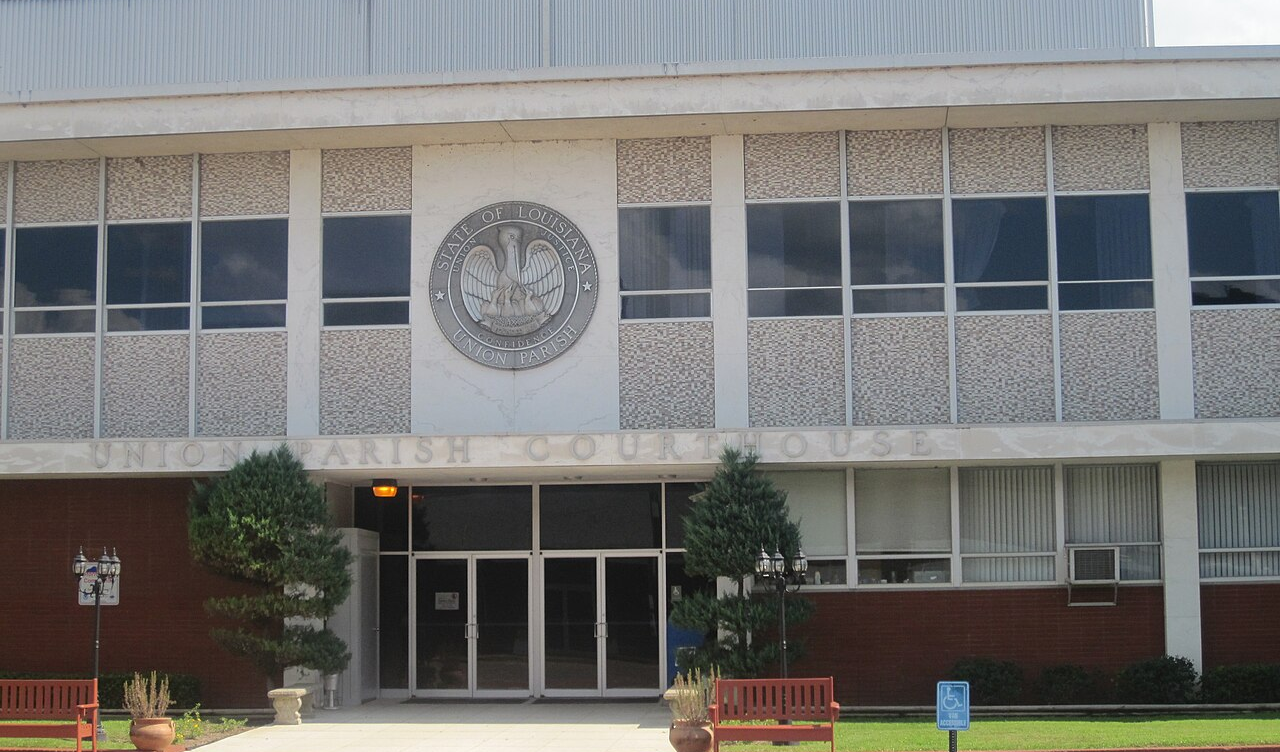
A Louisiana appeals court upheld a $15,000 award and boundary ruling after neighbors clashed over a 70-foot timber strip, lights, generators and a dead cow. A Louisiana appeals court has settled a bitter neighbor feud in Union Parish, ruling that the true property line between two families sits at an old fallen wire fence and ordering the couple who sparked the fight to pay $15,000 in damages. The Louisiana Second Circuit Court of Appeal issued its decision on January 14, 2026, backing an earlier district court judgment. The case pitted Jesse Justin Colvin and his wife, Ruby Sue Hill Colvin, against their neighbors, Robert Bradford Jones and Roni Michelle Reppond Jones. Under the ruling in consolidated docket numbers 56,654-CA and 56,655-CA, each Colvin must pay $7,500 to the Joneses. The court also permanently barred the couple from causing any further trouble along the shared boundary. The two properties lie near Farmerville. Jesse and Ruby Colvin purchased a 23-acre tract along Highway 828 on July 12, 2012, and built their main home there. On March 25, 2014, Robert and Roni Jones bought an adjoining one-acre lot on Linville Fire Tower Road. For over a decade, the couples got along as friends. That goodwill collapsed over a 70-foot-deep band of trees and brush between the two lots. The Colvins insisted the strip fell entirely within their northern line, pointing to surveys done in 1989 and 2012. The Joneses countered that the genuine historic edge ran along an old combination wire fence set farther south. Signs, lights and a rotting carcass As the Joneses pressed their claim to the wooded ground, the Colvins posted "NO TRESPASSING" signs along the surveyed line, then swapped them for larger ones. The confrontation grew steadily uglier. The Colvins strung orange construction fencing across the contested area and pointed high-intensity lights toward the Joneses' home, including their backyard. They also ran noisy power generators through the night, from dusk until dawn, and left a dead cow beside the survey marker close to the boundary. The trial court later concluded that these acts served no genuine purpose and badly disrupted the Joneses' ability to live peacefully at home. The litigation opened on September 8, 2023, when the Colvins sued in the Third Judicial District Court for the Parish of Union, asking a judge to fix the boundary. The Joneses filed their own demands, seeking a permanent injunction and monetary compensation. They accused the Colvins of repeated intimidation that interfered with the use of their property. Judge sides with the Joneses After a bench trial, District Judge Monique Babin Clement ruled for the Joneses. She placed the legal line at the old combination fence rather than the newer surveyed line, and ordered the Colvins to strip away the signs, posts, lights and flagging materials. She held Jesse Colvin liable for $7,500 to each neighbor, totaling $15,000. The Colvins took the matter to the Second Circuit, challenging the boundary finding, the injunction and the damages. A three-judge panel of Judges Hunter, Marcotte and Ellender turned aside every argument and affirmed the lower court. The panel explained that pinpointing a contested boundary is a question of fact. Under Louisiana Civil Code Article 786, a line may be established through evidence of long possession when ownership cannot otherwise be proven. Testimony showed that earlier owners of the Colvin tract had long treated the old wire fence as the working border. Jesse Colvin himself conceded under questioning that he had never set foot in the disputed northern area before the fight began. He had never grazed livestock or felled trees there, and said he ordered the 2022 survey because he did not know where his line lay. He also acknowledged that his grandchildren drove steel posts along the surveyed line. The court found no error in resting the boundary on the physical evidence and history of use. Damages stand on appeal The Second Circuit likewise upheld the $15,000 award and the permanent injunction, finding the trial record amply supported the judge's conclusions about the Colvins' behavior. That record covered the oversized signs, the carcass, the construction fencing, the glaring lights and the droning generators aimed at the Joneses' home. The Colvins argued the Joneses had endured nothing worse than a minor nuisance, with no medical, physical or financial harm. The judges rejected that view. Louisiana law weighs whether an activity inflicts real harm or merely a small annoyance, considering the neighborhood's character, the degree of intrusion and the impact on health and safety. Lasting distress, broken sleep, anxiety and lost enjoyment of one's property, the court held, can qualify as genuine damage. It found no abuse of discretion in the award and no flaw in the injunction. Louisiana property dispute, Union Parish boundary case, Second Circuit Court of Appeal, neighbor harassment lawsuit, timberland property line, Farmerville Louisiana, $15,000 damages ruling, Louisiana Civil Code Article 786

USL to MLS How Players Climb American Soccer

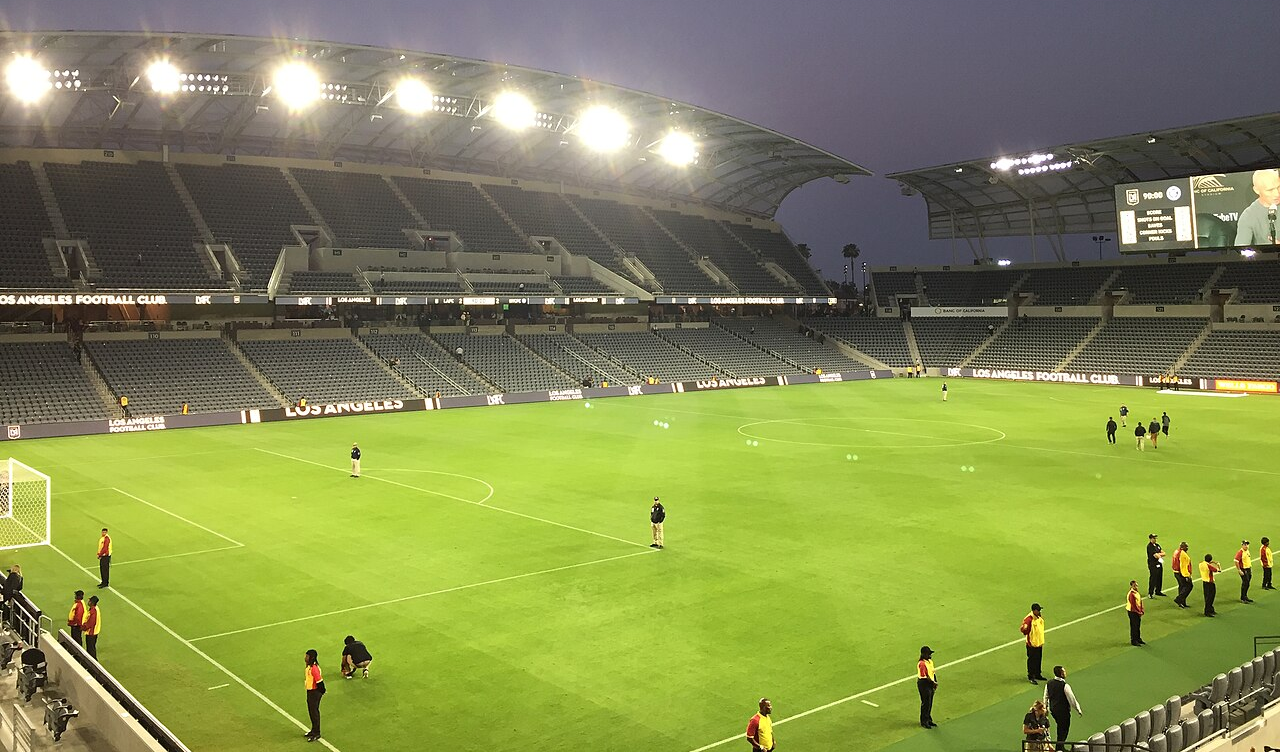
American soccer has no promotion or relegation between tiers. Players like Mark-Anthony Kaye move up on their own, from USL clubs into MLS. In American soccer, moving up the ranks does not work the way it does in Europe. A player can travel from an academy to college, from college to the USL, from the USL to Major League Soccer, and sometimes back again. What stays constant is that the player advances on his own. His club does not rise with him. That distinction sits at the center of how talent develops in the United States. A USL club is not promoted to MLS for winning its league. There is no relegation pulling teams down a tier the following season. Instead, an individual player can perform his way from the USL Championship into MLS, which makes each career a separate journey rather than a shared one between player and club. Mark-Anthony Kaye is one example of that route. He played for Louisville City in the USL before making the move to LAFC in MLS. His path shows the range of options open inside the American system, where the steps upward are rarely direct and almost never guaranteed. The contrast with the European model is sharp. In much of Europe, a club starts small, improves, and climbs the pyramid through promotion, carrying its players with it into bigger stadiums and higher divisions. The American structure separates the two. The club stays where it is. The player is the one who moves. Being watched from the stands For a young player in the USL Championship, advancement often depends on who is watching. It may be an MLS scout, a sporting director, or an agent. It may be no one at all. Nothing is announced when interest begins. A scout might attend one match, then another, then a third, without the player ever being told he is under review. The qualities that draw that attention are not always the ones that circulate online. The player who understands space, keeps running, takes responsibility, and makes the pass that never reaches a highlight reel can be the one a scout returns to see. The question a scout asks is less about spectacular moments and more about how a player responds when the demands increase. That pressure is the real test of the jump. MLS is a faster league than the tier below it, and the move from the USL asks a player to handle more speed and more intensity than he faced before. A steady USL performer does not automatically become an MLS regular. The gap between the two levels is what the individual journey is built to bridge. The piece was written by Bunyamin Cankirli and published on September 27, 2026, as part of a series explaining how soccer in the United States is organized. Its central point is straightforward: in American soccer there is no elevator to the top, only a series of separate steps that each player has to climb alone. USL to MLS pathway, American soccer pyramid, Mark-Anthony Kaye, Louisville City, LAFC, USL Championship, MLS scouting, player development

Uttar Pradesh Orders 'Use By Date' On All Sweets From Oct 15

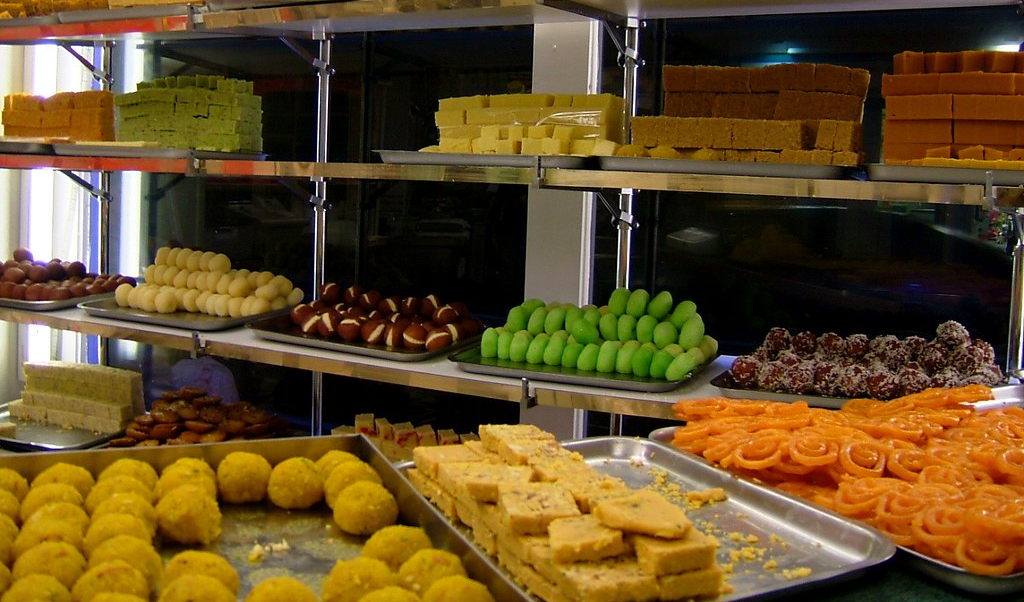
Uttar Pradesh will require every sweet shop to display a 'Use by Date' from October 15, covering loose sweets for the first time. FSDA also bans two coolant chemicals in milk units. Uttar Pradesh will require every sweet sold across the state to carry a visible "Use by Date" from October 15, the state's Food Safety and Drug Administration (FSDA) Department has ruled. The order matters most for loose sweets, which until now carried no compulsory expiry marking, officials said on Sunday. The directive was issued by Dr Roshan Jacob, Commissioner of the FSDA Department. It applies to all sweets kept in storage or put on display for sale, whether packaged or sold loose. Department inspections at sweet-making units and retail counters found that buyers were often left without clear details on when a product was made or when it should be eaten by. Without that information, the FSDA said, shoppers cannot judge how fresh a sweet is or how long it will keep. Shelf life varies widely by product. According to the department, some sweets last just a single day while others stay good for up to 30 days, with taste, quality and freshness declining as time passes. Marking the date, officials argue, tells buyers exactly how long they have to safely finish the item. Under the rules in place before this order, expiry or "Use by Date" labelling was already compulsory only for packaged sweets. Loose sweets had no equivalent requirement, leaving a gap the new measure is meant to close. The department framed the change as a push for greater openness in the confectionery trade. The FSDA also announced a separate ban on the use of ethylene glycol and diethylene glycol in units that process milk and milk products. Inspections had turned up establishments using the two chemicals as coolants during steps such as pasteurisation and refrigeration. The agency warned that both substances carry serious health dangers if they reach food, and said the ban was ordered because a leak in processing equipment could let the coolants seep into milk. It pointed to propylene glycol as a safer substitute, noting that many milk processors already rely on it. Uttar Pradesh sweets, Use by Date, FSDA, loose sweets expiry, Roshan Jacob, food safety UP, ethylene glycol milk, sweet shelf life

Haiti Race Clear of Group A With 2-0 Lead Over Costa Rica

Haiti led Costa Rica 2-0 in their Concacaf Nations League League A Group A tie on Monday, moving top of the table on six points as Costa Rica stayed bottom. Haiti held a commanding 2-0 lead over Costa Rica on Monday, 28 September, in their Concacaf Nations League League A Group A fixture at Sabina Park. The result, still being played out in the second half, put Haiti firmly in control of the group. Jean Bellegarde opened the scoring in the ninth minute, converting an assist from D. Jean Jacques to give Haiti an early advantage. The lead doubled before the break when Costa Rica defender Francisco Calvo turned the ball into his own net in the 39th minute. Haiti went into half-time 2-0 up and remained ahead as the match passed the hour of play. The win moved Haiti to the top of League A Group A. After two matches, they had won both, scoring five goals and conceding two for a goal difference of plus three and a total of six points. It marked a strong opening to the campaign for a side sitting clear at the summit of the table. Costa Rica anchored to the bottom For Costa Rica, the defeat left them rooted at the foot of the group. Two games had brought two losses, three goals scored and six conceded, a goal difference of minus three and no points. The own goal added to a difficult night for a team already searching for its first result of the tournament. The match was one of several played across the region on the same day. In the same group, Curaçao beat Nicaragua 1-0, keeping Curaçao level with Haiti on six points and second on goal difference. Dominica lost 1-0 to Puerto Rico in another fixture on the schedule. The Group A picture Haiti's victory shaped a tight table at the top. Curaçao sat second, also with two wins from two and six points, separated from the leaders only by a goal difference of plus two. The Dominican Republic held third place on three points from a single win, having scored three and conceded two. Below them, the standings turned sharply. Trinidad and Tobago were fourth with no points from one match, followed by Nicaragua in fifth, who had lost both of their opening games. Costa Rica occupied sixth and last, the only side without a goal to their credit in the points column and the heaviest negative goal difference in the group. Elsewhere in the day's fixtures, Trinidad and Tobago were due to face the Dominican Republic at a 02:00 kick-off, while other regional ties were scheduled through the evening. The results across the round continued to reshape the League A standings as the group stage progressed. Haiti's early goals and clean sheet through the first half underlined the gap that had opened between the group's leaders and its lower half. With six points from a possible six, Haiti carried momentum into the remainder of the campaign, while Costa Rica faced the task of recovering ground after two straight defeats. Haiti vs Costa Rica, Concacaf Nations League, League A Group A, Jean Bellegarde, Francisco Calvo own goal, Sabina Park, Concacaf standings, Haiti football

The 'Great Iced Coffee Debate' dividing job seekers in 2026

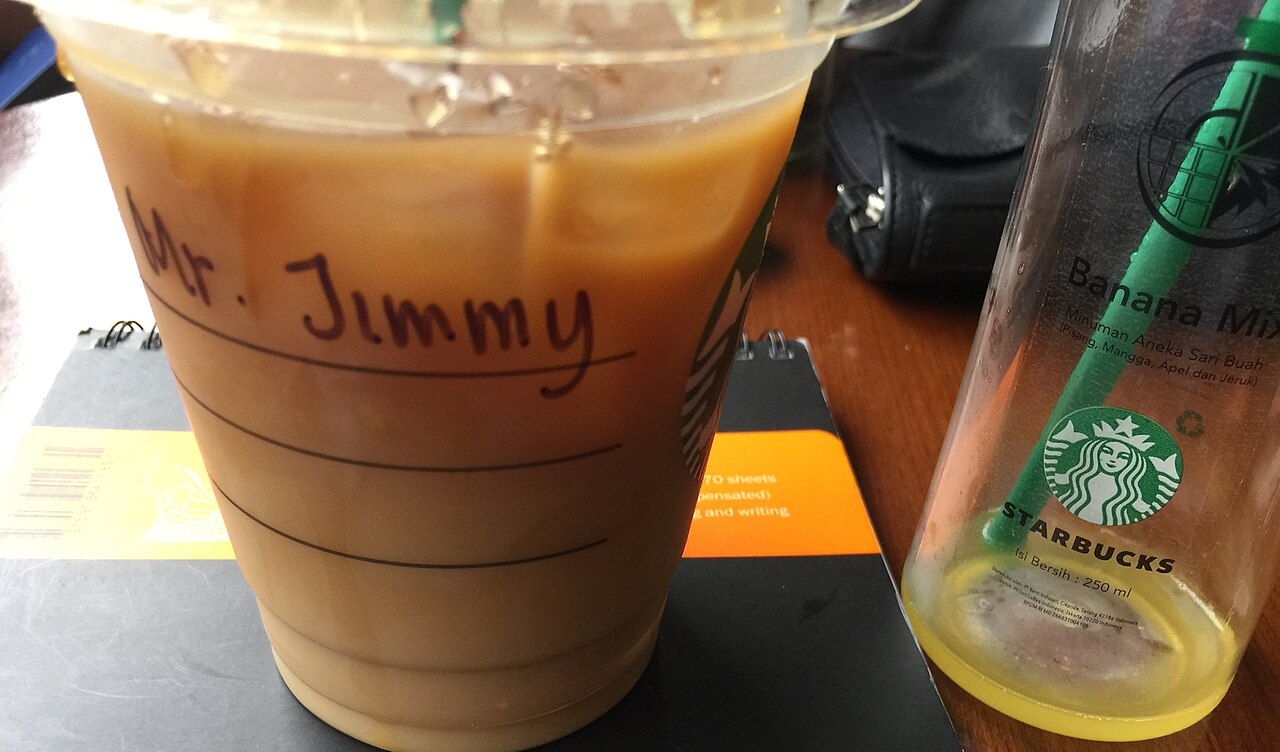
A recruiter's TikTok warning against bringing iced coffee to interviews has split workers over etiquette, sexism and a shrinking job market. A short video posted to TikTok has turned a cup of iced coffee into a workplace flashpoint. US recruiter Caitlin Wehniainen told candidates not to "waltz into your interview all casual with an iced coffee", arguing that it makes the meeting look like "just a stop on your list of errands for the day". She said her Gen Z applicants were increasingly showing up drink in hand, and that it read as if they "didn't have time to finish your coffee beforehand". Wehniainen has since called the reaction the "Great Iced Coffee Debate of 2026". Supporters of her view treat arriving with an iced matcha latte as a cardinal sin - unprofessional, too informal and a distraction. Critics say the fuss is an overreaction that ignores how hard it has become simply to land an interview. The recruiter later softened her message in a LinkedIn post. "I was never saying that bringing coffee makes someone a bad candidate," she wrote. "My point was simply about avoiding distractions." The online argument has drawn in workers with sharply different views. Hanad, 28, who works for an energy supplier in London, likes iced coffee but would leave it at the door. "A job interview is all about first impressions," he said. "Anything can deter the employer from employing you." He described iced coffee as a teenage drink that "would look immature and too informal", and said he would avoid an energy drink for the same reason. Water or a hot coffee, in his view, would pass. His colleague Tsvetina, 24, disagreed. She argued that a candidate should not be judged on what they carry or how they dress. "I think we should be moving away from these traditional corporate stigmas," she said. "What matters is what the person is actually communicating during the interview." Aisha, 28, went further and said she would happily bring one along. "I think it shows that I have come early enough to get iced coffee," she said. A fizzy drink would be a step too far, but she believes employers want to see personality. Showing some, she said, "makes you stand out from other people who are coming for the job". A question of gender For some, the row is about more than manners. Katy, 25, a personal assistant working in events, said she would not take an iced coffee to an interview herself, but she sees a bias in the criticism. She called the controversy "a bit sexist, because it's usually girls who drink iced coffee". Her point was pointed: "If it was a hot coffee, which is more masculine, there wouldn't be a discourse about that." That framing has resonated because the drink has become closely associated with young women, making it an easy target for judgements about professionalism that a mug of black coffee would escape. The debate, in other words, may say as much about who is being scrutinised as about what is in the cup. A shrinking market for young workers The intensity of the argument sits against a bleak backdrop for the people it concerns most. The number of graduate vacancies in the UK has almost halved over the past year, as employers cut entry-level positions in favour of artificial intelligence and try to contain rising costs. Roughly one in eight people aged 16 to 24 are now classed as Neets - not in education, employment or training. The pressure is not confined to Britain. Young workers in the United States are also contending with a tight labour market as hiring slows, leaving early-career candidates competing for a shrinking pool of openings. Recruiters who work with younger applicants say the stakes are high enough that few would risk anything seen as a misstep. Lucy Cooper, founder of the London design and branding recruitment firm Spark, said her corner of the market - marketing - is "really tough right now". She added that she does not know of any Gen Z candidate who would take the chance. That caution is the thread running through the whole dispute. For a generation facing fewer openings and stiffer competition, even a drink order can feel like a decision with consequences. Whether an iced coffee genuinely costs anyone a job is unproven, but the readiness of both candidates and recruiters to weigh in shows how much a first impression still matters when jobs are scarce. iced coffee job interview, Caitlin Wehniainen, interview etiquette, Gen Z job market, graduate vacancies UK, Neets, recruitment, AI hiring

Lava Virat Curve 5G vs Poco M8 Power vs Vivo T5 Lite Compared

Lava Virat Curve 5G, Poco M8 Power and Vivo T5 Lite 5G compared on price in India, battery, display, chipset and cameras. Lava has launched the Virat Curve 5G in India, a phone built around a 6,000mAh battery and a MediaTek Dimensity 7100 chipset. It sits in the sub-Rs. 25,000 segment and is listed at Rs. 23,999 for the 6GB RAM and 128GB storage configuration, in Ellora Slate, Heritage Indigo and Makrana Ivory colours. The device lands against two established rivals in the same price band: the Poco M8 Power and the Vivo T5 Lite 5G. The Poco M8 Power starts at Rs. 24,999 for its 6GB and 128GB variant, with an 8GB and 128GB option at Rs. 27,999, sold in Black, Blaze Orange and Green. The Vivo T5 Lite 5G is the cheapest of the three, starting at Rs. 19,999 for a 4GB and 128GB base model, rising to Rs. 21,999 for 6GB and 128GB and Rs. 24,999 for 6GB and 256GB, in Twilight Shadow and Wave Blue. Displays and software The Lava Virat Curve 5G carries a 6.75-inch full-HD+ AMOLED screen with a 120Hz refresh rate and runs Android 16. It also includes a rear display that shows notifications, battery status, time and emojis. The Poco M8 Power uses a larger 6.90-inch full-HD+ panel, also at 120Hz, protected by Gorilla Glass 7i, and runs Android 16 with HyperOS 3. The Vivo T5 Lite 5G takes a different route. Its 6.74-inch display runs at 120Hz but is limited to HD+ resolution, and it uses an LCD panel rather than AMOLED. Software is OriginOS 6 based on Android 16. Among the trio, only the Lava and Poco models offer AMOLED screens. Chipsets and battery The Lava Virat Curve 5G pairs its Dimensity 7100 chipset with 6GB of RAM and 128GB of storage, and its 6,000mAh battery supports 45W charging. The Poco M8 Power runs on Qualcomm's Snapdragon 4 Gen 4, offers up to 8GB of RAM with 128GB storage, and holds the largest cell of the three at 8,000mAh, also with 45W fast charging. The Vivo T5 Lite 5G is powered by the MediaTek Dimensity 6300 and comes with 4GB or 6GB of RAM alongside 128GB or 256GB of storage. Its 6,500mAh battery supports 44W FlashCharge. That places battery capacity in Poco's favour, with Vivo second and Lava third, while charging speeds are close across all three. Cameras and build On the back, the Lava Virat Curve 5G has a 50-megapixel rear camera and a 13-megapixel selfie camera. It measures 162.26 x 73.51 x 8.55mm, weighs about 206 grams and carries an IP64 rating for dust and water resistance. The Poco M8 Power uses a dual rear setup led by a 50-megapixel primary sensor with a secondary camera. It is the largest and heaviest here at 169.70 x 79.14 x 8.40mm and 225 grams, with an IP65-rated build. The Vivo T5 Lite 5G also has a 50-megapixel main sensor, joined by a 0.08-megapixel secondary sensor and a 5-megapixel front camera. It measures 167.40 x 77.10 x 8.39mm, weighs 209 grams and shares the IP65 rating. Where each phone fits The three phones cluster at similar prices but pull in different directions. The Poco M8 Power leans on its 8,000mAh battery and the largest screen in the group, making it the pick for buyers who want the most capacity and display area. The Vivo T5 Lite 5G is the least expensive and offers a 6,500mAh battery with an IP65 build, though its display is held back by HD+ resolution. The Lava Virat Curve 5G stakes its case on a higher-resolution AMOLED display and the Dimensity 7100 platform, backed by the added rear display for glanceable information. Buyers weighing screen quality and chipset against raw battery size have a clear split to consider across the three models. Lava Virat Curve 5G, Poco M8 Power, Vivo T5 Lite 5G, phone comparison India, 5G phones under 25000, AMOLED display phones, smartphone price India

Man City Found Guilty of Most Charges as Punishment Looms

Manchester City have been found guilty of the majority of 115 financial charges. A points deduction now appears likely, though City are expected to appeal. An independent panel has found Manchester City guilty of the majority of the financial rule breaches contained in the 115 charges brought against the club, according to reports that emerged on 27 September 2026. The verdict came two years and 10 days after the hearing began, and 1,329 days after the charges were first laid. Neither the Premier League nor Manchester City announced the outcome. The news broke after The Athletic obtained details of the ruling. BBC Sport was subsequently told that the verdict had been sent to club executives during the week, and that those executives had to sign a non-disclosure agreement before they were allowed to open the file. Despite the leak, the Premier League has said nothing publicly. Manchester City did not confirm whether they had been found guilty. In a statement, the club said that from its point of view the "process remains ongoing", and an appeal is expected. City have consistently maintained that they have done nothing wrong. The finding of guilt does not close the case. Because the charges were denied, the matter must now proceed to a separate sanction hearing convened by the same independent panel. BBC Sport has been told that this hearing could still be months away, and that its result may not be made public until any appeal has been completed. What punishment City could face Everything is said to be on the table at the sanction stage. The panel can impose fines, points deductions or even demotion from the Premier League. Given the seriousness of the breaches, some form of points deduction now appears likely, though that remains subject to City's anticipated appeal. The case differs from that of Chelsea earlier this year. Chelsea self-reported and admitted guilt, which allowed the Stamford Bridge club to negotiate directly with the Premier League and reach a sanctioning agreement. City could still choose a similar route and attempt to agree terms, but for now they are contesting the outcome. Beyond any sporting penalty, there is also the prospect of other clubs pursuing City for compensation, adding a further layer of legal uncertainty to a saga that already shows no sign of a clean ending. Liverpool trip and an uncertain title race The ruling arrives with the season underway and the timing of any punishment still unknown. Enzo Maresca's side travel to Liverpool on 11 October, when the Premier League resumes after the international break. A win there could take City six points clear at the top of the table. That lead, however, now sits under a cloud. With guilt established but the sanction unresolved, and an appeal on the horizon, the value of City's on-field results has been thrown into question. The club, its supporters and the wider game are left waiting to learn what the penalty will be and when the case might finally reach a definitive conclusion. When and how any sanction is applied will matter not only to Manchester City but to the Premier League as a whole. Rather than marking the end of a long-running process, the verdict looks more like the end of the beginning, with further hearings, an appeal and possible compensation claims still to come. Manchester City, 115 charges, Premier League, points deduction, financial rules, Enzo Maresca, football verdict, sanction hearing

India's Michelin Key Hotels Rise 30% to 47 in Second Year

India now has 47 Michelin Key hotels for 2026, up from 36 last year. Taj Falaknuma Palace and Taj Lake Palace each earned three Keys. India now has 47 hotels carrying Michelin Keys for 2026, up from 36 a year earlier, an increase of almost a third in the second year the French guide has rated properties in the country. The Michelin Guide handed the top mark, three Keys, to Taj Falaknuma Palace in Hyderabad and Taj Lake Palace in Udaipur. The 47 Key holders form part of a wider 2026 selection in which 112 Indian hotels entered the guide, Michelin said in a statement responding to a query from The Times of India. Of those recognised, two hotels received three Keys, 15 received two Keys and 30 received one Key, with a further 65 listed as selected hotels. India's tally represents 10% of the 470 hotels across 79 destinations awarded one, two or three Keys worldwide. The two-Key list is dominated by established luxury names. Oberoi properties in Agra, Udaipur and Bandhavgarh took two Keys each, as did Leela Palace in Delhi and Jaipur, Raffles in Jaipur and Udaipur, and The Imperial in Delhi. Mumbai's Taj Mahal Tower, described as India's first luxury hotel, received one Key, alongside the adjacent Taj Mahal Tower. Michelin, the tyre company, began grading hotels in India with Keys only last year, extending a system it built up over a century. The firm first started rating restaurants, and later hotels, in its guidebook to encourage people to buy cars and drive more when the vehicles were still a novelty. The company declined to say how many properties its teams assessed in total. "We do not disclose the total number of properties evaluated by our teams," the statement said, before setting out the published breakdown of Key holders and selected hotels for the 2026 list. How the Keys are decided Michelin said the Keys in India were awarded after anonymous visits and stays by inspectors who are full-time employees of the group. "This anonymity ensures that our teams have the same experience as any other guest," the statement said. "This is why a Michelin Key holds the same value, whether it is awarded to a hotel in India, a ryokan in Japan or a boutique hotel in France." The assessments rest on five universal criteria applied in every destination: excellence in architecture and design; quality and consistency of service; overall personality and character; value for price; and contribution to the neighbourhood. Hotels do not qualify by meeting one of these, Michelin said, but all of them. One Key marks "a very special stay," two an "exceptional stay" and three an "extraordinary stay." On its website, the company likens the award to its food ratings: "The same way the Michelin Star recognises restaurants for outstanding cooking, the Michelin Key recognises hotels for outstanding stays." The company did not reveal how many inspectors travelled to India or details of their trips, saying it wanted to preserve their anonymity. It also did not say how the cost of rating Indian hotels over the past two years was covered. Restaurants still wait for stars While hotels now compete for Keys, restaurants in India have yet to receive a single Michelin star. Many Indian chefs working abroad have earned stars, but eateries within the country remain outside the star system. Asked whether it plans to begin rating restaurants in India, Michelin said: "At this stage, we have no information to share on this subject... will communicate in due course should an announcement be made regarding this market." The gap is a source of frustration in the hospitality trade, where some point out that destinations such as Vietnam, Dubai and Thailand took the initiative, and the funding, to secure stars for their restaurants. "India has got some of the best hotels in the world and our cuisine is known globally. Having rated restaurants will give an impetus to food tourism," said a leading hotelier who asked not to be named. "Indian chefs abroad have stars but Indian eateries don't have the same. This is something we need to work on as a country, especially as our foreign tourist arrivals remain way below the pre-Covid number even as the number of Indians travelling abroad keeps rising." For hotel managers, the arrival of Keys adds a new pressure long familiar to chefs: the prospect of anonymous inspectors returning to check whether a property still deserves its rating, or is ready to climb higher. Michelin Key hotels India, Michelin Guide 2026, Taj Falaknuma Palace, Taj Lake Palace, luxury hotels India, Michelin hotel ratings, Oberoi Leela Raffles, food tourism India

Odisha CM Tours Flood Zones as 1 Lakh Move to Relief Camps

Odisha CM Mohan Charan Majhi surveyed flood-hit districts as over 1 lakh people moved to 500+ relief camps amid heavy rain across 13 districts. Odisha Chief Minister Mohan Charan Majhi surveyed rain-battered parts of the state on Sunday, carrying out an aerial inspection and visiting affected areas in Koraput. He ordered officials to speed up help for displaced families and ensure they receive everything they need without hold-ups. More than one lakh people have been shifted out of low-lying zones and housed in over 500 relief centres, officials said. The evacuations followed a deep depression over the Bay of Bengal that dumped very heavy rain across the state, triggering floods and waterlogging in 13 districts spanning southern, coastal and western Odisha. Balasore was the worst hit. The district alone moved 67,266 residents to shelters, with the deluge touching more than 3.5 lakh people there. Elsewhere, Ganjam, Gajapati, Malkangiri, Koraput and Nabarangpur took the brunt of the downpour, while swelling rivers later spread the flooding into Balasore, Bhadrak, Jajpur and Mayurbhanj in the state's north. Majhi visited a relief camp at Chandili School in Koraput, where he checked the meals being handed out and talked with residents, local leaders and officials. "To ensure that food, purified drinking water, emergency medical services and other essential assistance reach the affected people without delay, instructions have been issued to the administration to further expedite the relief efforts," he wrote in a social media post. He said he had walked through affected pockets of Koraput and heard directly from people about their hardships. The chief minister then led a review meeting in Jeypore covering the situation in Koraput, Malkangiri and Nabarangpur. Officials there weighed the spread of the flooding, the state of rescue and relief work, conditions at shelters and the damage left by the rain. Revenue and Disaster Management Minister Suresh Pujari said families in the shelters would get food, rations, clothing and other basics for 15 days. The meeting also pushed for advance compensation to be paid to those hit, in line with existing rules. Officials were told to clear standing water from farmland. "A technical team will be deployed to assess water drainage and suggest measures to enable farmers to resume cultivation once the water recedes," Pujari said. Hirakud gates open, Mahanadi swells A fresh worry emerged along the Mahanadi after excess water was let out of the Hirakud reservoir, which had filled up as heavy rain lashed its upper catchment in Chhattisgarh. Authorities opened 28 gates of the Hirakud Dam to release water. The reservoir stood at 628.35 feet, just short of its full level of 630 feet. Water Resources Department Chief Engineer Dilip Kumar Rout said roughly seven lakh cusecs would travel down the Mahanadi and reach Mundali near Cuttack by Sunday night. That flow could climb to eight lakh cusecs by Monday morning. He said the surge was likely to raise at least 10 of the river's tributaries and could flood parts of Cuttack, Puri, Khurda, Jagatsinghpur and Kendrapara. A minor flood alert was issued for the Mahanadi, with possible inundation across five delta districts. "A minor flood will continue in the Mahanadi for 24 to 48 hours and may cause inundation in the five districts in the delta region," Rout said. Water had already entered several areas of Banki, Athagarh and Badamba in Cuttack district. Rivers cross danger marks in the north In Balasore, the Subarnarekha was measured at 11.20 metres at Rajghat in Jaleswar at 7 pm, well above its danger mark of 10.36 metres. The overflow swamped villages across the Bhograi, Jaleswar, Baliapal and Basta blocks. The Budhabalang stayed under its danger level, though smaller streams including the Kansabansa, Soa and Gangahar were running high. Nabarangpur reported flooding and waterlogging across several gram panchayats, while nonstop rain in Malkangiri pushed up river and reservoir levels and cut off roads in several places. Jajpur and Bhadrak also logged severe flooding. In Mayurbhanj, officials temporarily shut Devkund, a tourist spot inside Similipal National Park, after streams and water channels around it rose sharply. Odisha floods, Mohan Charan Majhi, Hirakud Dam, Mahanadi river, relief camps, Balasore flood, Bay of Bengal depression, Odisha rainfall

Nationwide 3-Day Bank Strike Deferred After Late-Night Talks

The UFBU called off its three-day nationwide bank strike after a late-night meeting with the IBA agreed to a committee on five-day banking. India's banks avoided a major shutdown after the United Forum of Bank Unions (UFBU) called off a three-day nationwide strike that had been set to begin on Monday. The decision came after a late-night meeting with the Indian Banks' Association (IBA), which UFBU said began at 9.30 pm on Sunday. Around 8 lakh bank officers and employees had been expected to join the walkout, which threatened to disrupt services at more than 1.81 lakh branches across the country. Customers had braced for three days of stalled branch work before the two sides reached an agreement hours before the strike was due to start. Under the understanding announced by the UFBU, the IBA agreed to set up a joint committee immediately to examine the demand to make all Saturdays bank holidays. The committee is to study every option available, consult affected parties and search for a solution that works for all sides, with particular attention to customers. R Sekaran, President of the All India Bank Officers' Confederation, confirmed the arrangement. "The IBA has agreed to constitute a high-level committee to review our demand for 'five-day banking,'" he said. "Representatives from the 'United Forum of Bank Unions' will also be part of this high-level committee. The committee will deliberate on this demand after consulting all stakeholders." The two sides also agreed that talks would open with the IBA on changing the performance-linked incentive (PLI) scheme for officers at Scale IV and above, so their concerns could be carried to the government. In addition, other pending matters listed in the minutes from March 8, 2024, would be taken up so they could be settled soon. On the strength of these commitments, the UFBU said it would call off its planned protests and strikes for now. Two demands behind the strike The strike would have been the biggest step so far in a year-long campaign by bank unions built around two central demands: a five-day working week for banks, and revisions to a new incentive scheme for senior officers. Employees had planned to press hardest for the first, the introduction of "five-day banking" across all banks. The five-day proposal is not new. In March 2024, the IBA agreed in principle to close banks on all Saturdays, with staff working about 40 minutes more each day from Monday to Friday in return. Unions say the plan was forwarded to the government for approval more than two years ago but has still not been cleared, leaving the change stalled despite the in-principle agreement. The second flashpoint was the PLI scheme. Under it, officers at Scale IV and above can earn bonuses worth up to 365 days' basic pay, tied to performance. Other staff and officers up to Scale III are capped at a maximum of 15 days' basic pay plus dearness allowance. Unions have called the structure unfair, arguing it breaks an earlier understanding that bonuses should be linked to the performance of the whole bank and should apply equally to everyone. Banks stayed open on Sunday With the strike looming, banks and customers had already started preparing for the disruption. All public sector and regional rural banks remained open on Sunday, September 27, allowing customers to complete essential branch work before the planned stoppage. The deferral removes the immediate threat to services, but it does not resolve the underlying issues. The joint committee on Saturday holidays has yet to be formed and to report, the talks on the PLI scheme have yet to begin, and the older matters from the March 2024 minutes remain to be settled. The UFBU framed its decision as calling off the action "for now," leaving open the option of returning to protest if the promised steps do not deliver. bank strike deferred, UFBU, Indian Banks Association, five-day banking, PLI scheme banks, bank unions India, five-day working week banks, R Sekaran

IndiGo A321 Hits Tail During Go-Around at Bengaluru

An IndiGo A321 on flight 6E 6542 from Guwahati suffered a tail strike during a go-around in gusty weather at Bengaluru. It landed safely; DGCA is probing. An IndiGo Airbus A321 suffered a tail strike during a go-around at Bengaluru's Kempegowda International Airport on Sunday, before landing safely on its second attempt. The aircraft, registered VT-NHP, was operating flight 6E 6542 from Guwahati when the incident occurred. The jet aborted its first approach at the destination. During the climb-out that followed, its tail made contact with the runway surface. The crew then brought the aircraft around and completed a safe landing on the second try. The Directorate General of Civil Aviation (DGCA) is investigating the event. An IndiGo spokesperson said the flight "experienced an abnormal runway contact" while landing in gusty weather at the Bengaluru airport. All customers and crew disembarked safely, the airline said. It added that all relevant authorities were informed in line with standard operating procedures, and that the aircraft is undergoing maintenance checks. The plane will return to service after obtaining the necessary clearances. The airline said the safety of its customers and crew is its top priority. The DGCA has raised the matter with IndiGo. The airline told the regulator that it has stepped up pilot training focused on this specific area. Officials noted a shift in the pattern of such events: about a year ago, tail strikes on these aircraft occurred mostly during landings, whereas they are now seen more often during go-arounds. Why go-arounds carry added risk Airbus has flagged the manoeuvre as a particular hazard. "There is also a higher risk of tail strike when a go-around is required near the ground," the manufacturer says. Its safety guidance describes a go-around close to the runway as a very dynamic phase, and states that once initiated, the required manoeuvre must be completed. The A321 appears more prone to the problem than its smaller sibling. The United Kingdom's Aircraft Accident Investigation Bureau has reported that the rate of tail strike incidents per landing for the A321 is four times greater than for the A320. It attributes this to the smaller margin from the aircraft's normal flare attitude. The bureau also said damage to the fuselage's structural integrity should not pose a significant flight risk, provided the tail strike is detected during or after landing. Airbus data underlines how often the events happen across flight phases. Between January 2022 and September 2024, 49 tail strike events were reported to the manufacturer. Of those, five (10 percent) occurred during takeoff, 23 (47 percent) during landing and 21 (43 percent) during a go-around near the ground. A common global incident Tail strikes are not unique to any one airline or region. The International Air Transport Association (IATA) reported them as the most frequent type of incident in both 2024 and 2025, while noting that the associated fatality risk remains low. IATA figures show tail strikes were the most frequent non-fatal incidents worldwide, with nine recorded. Landing gear issues followed with seven, and runway excursions with six. According to the association's Annual Safety Report 2025, the ATR 72 and the Boeing 737NG (the -800 and -900ER variants) were most frequently involved, together accounting for 46 percent of events. The report found that most tail strikes occur during landing, a figure that rises to 69 percent when rejected landings are included. Asia Pacific recorded the highest number of events. The United States, India and Brazil were among the most affected countries. IndiGo's A321 will remain grounded for maintenance checks until it secures the clearances needed to resume flying, while the DGCA continues its probe into the latest incident. IndiGo A321 tail strike, flight 6E 6542, Bengaluru airport, DGCA investigation, Airbus A321 go-around, Kempegowda International Airport, aviation safety India, IATA tail strike report

Hamas Condemns Board of Peace Over UNRWA Exclusion in Gaza

Hamas accuses the US-created Board of Peace of siding with Israel after it ruled out any role for the UN refugee agency UNRWA in Gaza. Hamas on Saturday denounced a decision by the US-created Board of Peace to shut the United Nations agency for Palestinian refugees, UNRWA, out of operations in Gaza. Spokesperson Hazem Qassem said the move amounted to "a complete alignment with the Zionist [Israeli] position" and was designed to shut down the agency, cut off its aid to Palestinians and erase their right of return. The rebuke followed a statement the Board posted on X on Friday. It said UNRWA's standing in Gaza remained the same and that it would cooperate only with "trusted partners who will deliver for the people of Gaza and contribute to a deradicalized Strip". The agency, the Board added, "fails on those litmus tests". Qassem called it odd that the body would take such a combative line against UNRWA while, in his words, failing to get aid into Gaza or to force Israel to honour the ceasefire and stop the daily killing of Palestinians there. UNRWA was established in 1949 and has spent decades running aid and schooling programmes for Palestinian refugees. Palestinians regard it as a guardian of their claim to return to their homeland. Israel has pushed for the agency to be shut down entirely. What the Board told the UN The Board of Peace briefed the UN General Assembly on Wednesday and listed several UN bodies as partners in its plans for Gaza. UNRWA was left off that list. Its public position, however, appears firmer than its private dealings. The Associated Press reported on Friday that Board members had shown more openness to working with UNRWA away from public view. A Board official, who spoke to the AP on condition of anonymity, said members had sat down with UNRWA representatives on several occasions. The official suggested the agency's programmes might carry on if they genuinely helped Gaza's residents, but insisted that "UNRWA's days are over". The Board has installed a Palestinian technocratic committee to administer Gaza. Philippe Lazzarini, who ran UNRWA until earlier this year, told the AP that members of that committee wanted to keep the agency involved. Lazzarini's warning on winter Lazzarini turned on the Board directly on Thursday, saying it had not lived up to what it was set up to do. In a post on X, he said Israeli authorities were still holding back basic supplies "as part of a wider plan to keep Gaza unlivable for Palestinians". "Grandiose plans is what the Board of Peace does best," he wrote. "Plans however will not keep the people of Gaza warm this winter." He called for Gaza's crossings to be reopened and for aid to enter in large volumes. The dispute over who governs Gaza's relief effort played out against continued bloodshed on the ground. Gaza's Ministry of Health said Israeli attacks killed seven Palestinians across the territory over the previous 48 hours. One of the dead had earlier been wounded and later died of those injuries. Reports of further strikes came from northern Gaza. The standoff leaves the future of the largest aid provider in Gaza unresolved. UNRWA continues to run services on the ground, including schools that reopened for the new academic year, even as the body now tasked with steering Gaza's recovery signals it intends to build a relief network without it. Hamas UNRWA, Board of Peace Gaza, UNRWA Gaza role, Hazem Qassem, Philippe Lazzarini, Gaza aid, Palestinian right of return, Gaza ceasefire

UN Agency Reports Sharp Rise in Violence Against Women in Gaza

The UN Population Fund reports a 123% jump in early and forced marriage cases in Gaza in the second quarter of 2026, warning of eroded social structures. Reports of violence against women and girls in the Gaza Strip have climbed steeply, with a marked jump in early and forced marriages, according to a set of recent findings from the UN Population Fund (UNFPA). One study, drawing on data gathered by 10 separate organisations, concluded that the drawn-out emergency in the territory has produced circumstances where women and girls confront mounting dangers of gender-based violence. The same report flagged what it called a "severe escalation" in cases of early and forced marriage during the second quarter of 2026. The UNFPA said reported incidents of such marriages rose 123% compared with the first quarter. Early or child marriage, as recorded in the findings, involved girls between the ages of 12 and 17. Both forced marriage and child marriage fall under the UN's definition of gender-based violence. The agency acknowledged that pinning down exact numbers is difficult, given the conditions on the ground. Even so, Nestor Owomuhangi, the UNFPA representative to Palestine, described the pattern as deeply alarming. He said three years of extreme hardship - during which tens of thousands have died and repeated waves of displacement have swept the population - have dismantled the community's foundations, leaving what he characterised as a total absence of any functioning system. Testimony from the camps A second report compiled accounts from 230 women sheltering in overcrowded displacement sites in Gaza City and Khan Younis. The testimony is stark. One woman staying in a school converted into a shelter described how survivors of rape are frequently wed to the men who attacked them, a move families make to head off disgrace. She said that when assaults come to light inside the schools, marriage ceremonies and celebrations follow there the very next day. Another account recalled the period of famine the previous year, when a father handed over his 14-year-old daughter in marriage in return for two sacks of flour, allowing him to feed himself and his remaining children. Six women across different camps recounted similar transactions - arrangements the report noted would have been inconceivable before hostilities between Israel and Hamas erupted in 2023. Collapsed services and closed schools The conditions behind these accounts remain severe. Food markets have started operating again, yet many families cannot pay for what is on sale, and deep poverty and hunger persist alongside dependence on aid handouts. Almost the entire population of more than two million people has been forced from home, with most now sheltering in makeshift tent settlements or damaged structures. Around 1.2 million Palestinians are living in tents or improvised shelters. Public services have largely broken down, and Israeli air strikes have carried on despite the ceasefire. Education has been badly disrupted. Before the war, girls in Gaza both outnumbered and outscored boys at every stage of schooling beyond primary level. Extended closures have since pushed many children out of the classroom altogether. Boys face pressure to take on informal work to help support their households, while for girls the central concern has become personal safety. Living packed together among strangers, without privacy, in a socially conservative setting, women and girls report rising sexual harassment and abuse. Many families now regard marrying off their daughters as a means of shielding them and safeguarding their reputation. The UNFPA findings were based on research conducted in late 2025 and early 2026. Gaza violence against women, UNFPA report, forced marriage Gaza, gender-based violence, child marriage Gaza, Gaza displacement camps, Nestor Owomuhangi, Palestine humanitarian crisis

Man City Titles Safe for Now, But Panel Could Still Strip Them

Manchester City were found guilty of most of the 115 Premier League charges. There is little appetite to strip eight titles, but a panel will decide sanctions. Manchester City have been found guilty of the majority of the 115 charges brought against them for breaching Premier League financial rules, but there is little appetite within the competition to strip the club of the eight trophies it won during the period under investigation, BBC Sport has been told. The charges covered the years between 2009 and 2018, an era in which City won the Premier League title three times. The question of whether those titles should be removed has become one of the central talking points of the case. On social media, supporters of rival clubs are pushing for such an outcome. Sources indicate, however, that neither the Premier League as an organisation nor its member clubs have shown enthusiasm for retrospectively removing past titles. That does not settle the matter. Any sanction will be decided by an independent panel, which has yet to hold a "sanction hearing." Stripping titles cannot be ruled out, but a points deduction, a substantial fine or even expulsion from the Premier League are considered the more likely penalties. What the rules allow Premier League regulations do not specifically list the removal of titles as a punishment. The stated options are a fine, a points deduction or expulsion. Crucially, though, the rules also permit a disciplinary commission panel to impose a penalty "as it shall think fit." In theory, that discretion could stretch to retrospectively applied points deductions or the stripping of trophies. Supporters of a heavier sanction argue that the scale of the wrongdoing justifies it. Their case rests on the claim that the titles were won unfairly, and that any misrepresentation of revenue and costs handed City a decisive competitive advantage over rivals. If the verdict is upheld after any appeal, that argument is expected to intensify. The charges centred on accusations that City inflated sponsorship revenue from companies connected to the club and made further "off the books" payments to get around football's financial regulations. The club has consistently denied any wrongdoing throughout the process. Mourinho's claim The prospect of a reallocated title was raised publicly almost two years ago by Jose Mourinho. The former Manchester United manager suggested that his old club could be awarded the 2018 Premier League title then held by City, saying he still believed there was a chance to win the league and, if so, that he should be paid his bonus and given his medal. Under Mourinho, United finished as runners-up to City in 2018, trailing by 19 points in what was his final full season at Old Trafford. At the time the remark was seen as provocative. With City now found guilty of most of the charges, it has taken on fresh significance. The club's rise to sustained success followed the 2008 takeover by Abu Dhabi billionaire Sheikh Mansour, which transformed City into one of the wealthiest and most decorated sides in English football. The guilty findings now cast a shadow over the trophies collected in the years that followed. Asterisks or reallocation? With the era under scrutiny, several outcomes are being weighed. The panel could leave the record untouched, apply an asterisk to the titles won during the period in question, mark them as blank, or, as Mourinho implied, reallocate them to the teams that finished as runners-up. Each option carries its own complications, and the panel is not bound to the punishments explicitly named in the rulebook because of the discretion built into the regulations. That breadth is what keeps the possibility of stripped titles alive, even as the prevailing expectation points toward financial penalties or a points-based sanction. For now, no decision has been reached. The sanction hearing remains outstanding, and any ruling could be followed by an appeal, meaning a final resolution may still be some way off. What is settled is the guilty verdict on the bulk of the charges; what is not is the price City will ultimately pay, and whether the record books of the past decade will be rewritten. Manchester City, Premier League, 115 charges, titles stripped, financial rules, Sheikh Mansour, Jose Mourinho, sanction hearing

McDonald's Launches Media Network, Eyes $1 Billion Ad Business

McDonald's is building its own advertising network, following Amazon and Walmart, and hopes it could grow into a $1 billion business. McDonald's said on Wednesday that it will build its own media network, selling advertising space across its restaurant system in a move that copies the playbook of retail giants Amazon and Walmart. The company made the announcement at its investor day, held at its Chicago headquarters. The program is already in a pilot phase. In August, 450 company-owned U.S. restaurants began showing advertisements for other companies on their digital drive-thru order boards. The pilot has not yet reached the franchisees who run most of the chain's roughly 14,000 U.S. locations. Even so, McDonald's said the venture could eventually become a $1 billion business. Morgan Flatley, the company's global chief marketing officer and executive vice president of new business ventures, framed the timing around a fast-expanding market. "Commerce media is one of the fastest-growing areas in advertising, and it's expected to reach more than $100 billion in the U.S. alone by 2028," she said during an investor presentation. Flatley described the appeal in blunt financial terms. "It's an opportunity to generate revenue for the system with little in the way of additional cost, no operational complexity and no disruption to our customer experience," she said. The potential for high-margin revenue arrives as McDonald's faces rising costs. Prices for key inputs such as beef are climbing, and the chain plans to spend billions of dollars on restaurant upgrades over the next decade. A steady advertising income stream could help offset those pressures. A first for the restaurant industry Within the restaurant business, McDonald's would be a pioneer in running its own media network. Chief Financial Officer Ian Borden told CNBC that the company's scale sets it apart from other advertisers. "We have one of the most valuable brands of any company of our size and scale in any industry," Borden said. He pointed to the chain's reach as its main advantage: "We serve about 85% of the U.S. population at least once a year, so we have reach that's quite unique, and we have 14,000 locations across the U.S., which means we're in every community, and we're connecting with every consumer." That reach is the core asset McDonald's is now trying to sell to advertisers. The drive-thru boards in the pilot put brand messages in front of customers at the point of purchase, a moment retailers have found valuable. What Amazon and Walmart have shown McDonald's is drawing on a model that has already proven lucrative for large retailers. Amazon reported $68.6 billion in advertising service sales in 2025, a figure that accounted for just under 10% of the company's total revenue. Amazon's ads appear across its shopping pages, on Prime Video, on its delivery lockers and on its live streaming platform Twitch, as well as on third-party apps and websites. Walmart has built a similar operation. The retailer does not disclose specific sales figures for its advertising arm, but it said Connect, its U.S. ad business, grew sales 43% in its fiscal second quarter. Walmart runs ads on its app, on its website and inside its more than 4,600 U.S. stores, and it also places them on outside platforms such as Instagram. In late 2024, Walmart bought television maker Vizio, a deal aimed partly at expanding its advertising business. These networks tend to be high-margin operations, which is a large part of their appeal. For McDonald's, the same logic applies: it can charge advertisers to use screens and space it already owns, without adding significant expense. The media network was not the only initiative McDonald's laid out at its investor day. Executives also detailed plans to lift sales through costly restaurant upgrades and improvements to food quality. The advertising venture, however, marks the company's clearest attempt yet to turn its enormous physical and customer footprint into a new source of revenue rather than relying solely on selling food. McDonald's media network, commerce media, McDonald's advertising, retail media, Morgan Flatley, Ian Borden, drive-thru ads, McDonald's investor day