

Language Settings
Select Website Language

GDPR Compliance

We use cookies to ensure you get the best experience on our website. By continuing to use our site, you accept our use of cookies, Privacy Policy, and Terms of Service.

Filters

Channels
Topics
Other Filters

Canada Face Chile in International Friendly on September 27

Unbeaten Canada meet an inconsistent Chile in an international friendly at 06:00 on September 27, 2026. A look at both sides' recent form and their sole prior meeting. Canada and Chile meet in an international friendly at 06:00 on September 27, 2026, with the North American side arriving unbeaten and their South American opponents looking to steady an inconsistent run of results. The fixture gives both coaching staffs a chance to test their systems and assess how their tactical setups are working ahead of competitive commitments. Canada, representing CONCACAF, comes into the match on a run of five games without defeat. Over that stretch the team has recorded two wins and three draws. The sequence began with a draw, followed by a victory, then two consecutive draws, before Canada closed the run with a win in its most recent outing. That consistency points to a side that has kept its defensive shape and stayed organised at the back. Chile, by contrast, has been harder to read. The South American team has played two recent matches, taking one win and then a loss in its latest fixture. The stop-start pattern reflects a side still searching for rhythm and for a better link between its lines. One prior meeting There is little history between the two nations. Canada and Chile have faced each other only once, and that game ended in a draw. Neither side has beaten the other, leaving the head-to-head record level going into this encounter. The single previous result underlines how evenly matched the two teams have been when their contrasting styles have met. Because this is a friendly, both teams are expected to play in an open manner while keeping their tactical focus on the midfield. That approach suits a fixture where the priority is evaluation rather than points, allowing each coach to look at combinations and movement without the pressure of a competitive result. Contrasting approaches Canada carries a psychological edge from its five-match unbeaten sequence, which gives the team a solid platform to build from. That confidence supports a plan built around quick transitions, using pace to move the ball forward once possession is won. Chile needs to rediscover its winning form quickly after the recent setback. The South American side is likely to concentrate on ball control and on stepping up pressure on the opposition defence, aiming to sharpen an attack that has lacked a decisive edge. Finding more end product in the final third is the clearest task facing the visitors. With Canada settled and unbeaten and Chile still working to find consistency, the friendly offers a useful measuring stick for both. For Canada, it is a test of whether its defensive stability holds against a South American opponent. For Chile, it is an opportunity to break a stuttering run and rebuild momentum. The 06:00 kick-off on September 27 will show how far each side has progressed in its current cycle. Canada vs Chile, international friendly, Canada soccer, Chile national team, CONCACAF, football friendlies, September 27 2026, match preview

India-US Ties in 'Uneasy Equilibrium' Over Tariffs CEA

Chief Economic Adviser V Anantha Nageswaran says India-US relations remain unsettled as tariff disputes persist and a new US law threatens 100% levies. India's economic relationship with the United States remains in an "uneasy equilibrium" as trade disputes between the two partners drag on, Chief Economic Adviser V Anantha Nageswaran said on Thursday. Speaking at the State Bank of India's banking and economics conclave in Mumbai, he pointed to friction that has not eased since tariff measures surfaced last year. "There is this issue of unsettled relationship with the US, starting from the tariff-related issues last year, which are still continuing," Nageswaran said. The comments come as New Delhi confronts a fresh tariff threat despite reaching an interim trade deal with Washington earlier this year. A new US law hands President Donald Trump the authority to impose levies of up to 100% on countries that buy Russian oil and gas. That power adds uncertainty while India and the US continue to negotiate a final tariff rate. Nageswaran framed the trade and energy pressures on India as part of a wider push to force countries to pick sides between rival global blocs. He said India could not align itself with any single bloc. "India, given its geography and its size, cannot obviously belong to any bloc," he said. That independence, he cautioned, may carry a price. Nageswaran said maintaining a non-aligned position could leave India exposed to higher energy prices and periodic disruptions to supply. The remarks underline the balancing act facing policymakers as the two governments work toward a final agreement while the threat of steep new duties tied to Russian energy purchases hangs over the talks. India US trade, V Anantha Nageswaran, tariffs, Russian oil, Donald Trump tariffs, chief economic adviser, India US relations, SBI conclave

Lowe's Starts Drone Deliveries With DoorDash and Wing

Lowe's has launched a drone delivery pilot in Matthews, North Carolina with DoorDash and Alphabet's Wing, offering 100-plus products in as little as 20 minutes. Lowe's has begun delivering products by drone, teaming up with DoorDash and Wing, the drone unit owned by Alphabet. The home improvement chain says it is the first retailer in its sector to offer the service, which can drop off orders in as little as 20 minutes and covers more than 100 items. The pilot is already running out of a store in Matthews, North Carolina. Drones fly orders of about 2.5 pounds and stay within a five-mile radius of the location. Customers place orders through DoorDash, where eligible shoppers see drone delivery listed as a choice at checkout. Lowe's plans to widen the program if the trial works. Seemantini Godbole, the company's chief information and artificial intelligence officer, said the idea grew out of a common complaint from shoppers. People frequently discover partway through a home project that they lack a needed item, she said, and the interruption forces them to stop and travel to a store. "Drone delivery fits perfectly because this was one of the friction points, like you're doing a project, and you're getting interrupted," Godbole said. "[But] you never left your home, you never left your job site, and then you just continued with the project. That's the whole premise." The company is treating the North Carolina store as a live testing ground. Godbole said Lowe's teams visit the site daily to watch how the service performs and to gather comments from store staff and from DoorDash, allowing the retailer to adjust quickly. That hands-on approach, she said, is why the program started in a single location before any broader rollout. Godbole framed the launch as a response to shifting customer expectations rather than a novelty. "Technology for the sake of tech" is not the goal, she said, describing the drones as one piece of the company's wider technology plans. Joining Amazon and Walmart in the air Lowe's enters a field that several large retailers have already staked out. Amazon, Walmart and Uber Eats all run drone delivery to speed up orders and draw in shoppers. Godbole said what sets Lowe's apart is its position as the first home improvement retailer to fly deliveries to customers. The technology has drawn pushback in parts of the country, with residents raising concerns about noise and privacy. Those worries have been especially visible in states such as New Jersey. Flying in busier airspace also demands sign-off from regulators. Godbole said Lowe's is working to make sure its drones satisfy the required standards and is drawing on the experience of both DoorDash and Wing to do so. While she called the drones a notable step in the company's tech push, Godbole said Lowe's is still investing in its express same-day delivery and in other improvements for shoppers. The retailer is also building artificial intelligence into the internal tools its store associates use. Her stated aim is for the technology itself to fade into the background. "When associates and customers are interacting with Lowe's, I really want the technology to disappear, and I want the experience to shine through," Godbole said. "I want them to remember the projects they are doing, the items they are buying, the fulfillment experience they got, and all our technology efforts are geared towards that." Lowe's drone delivery, DoorDash drones, Alphabet Wing, home improvement retail, Matthews North Carolina, Seemantini Godbole, fast delivery, retail drones

Rome for First-Timers Colosseum, Vatican and Eating Like a Roman

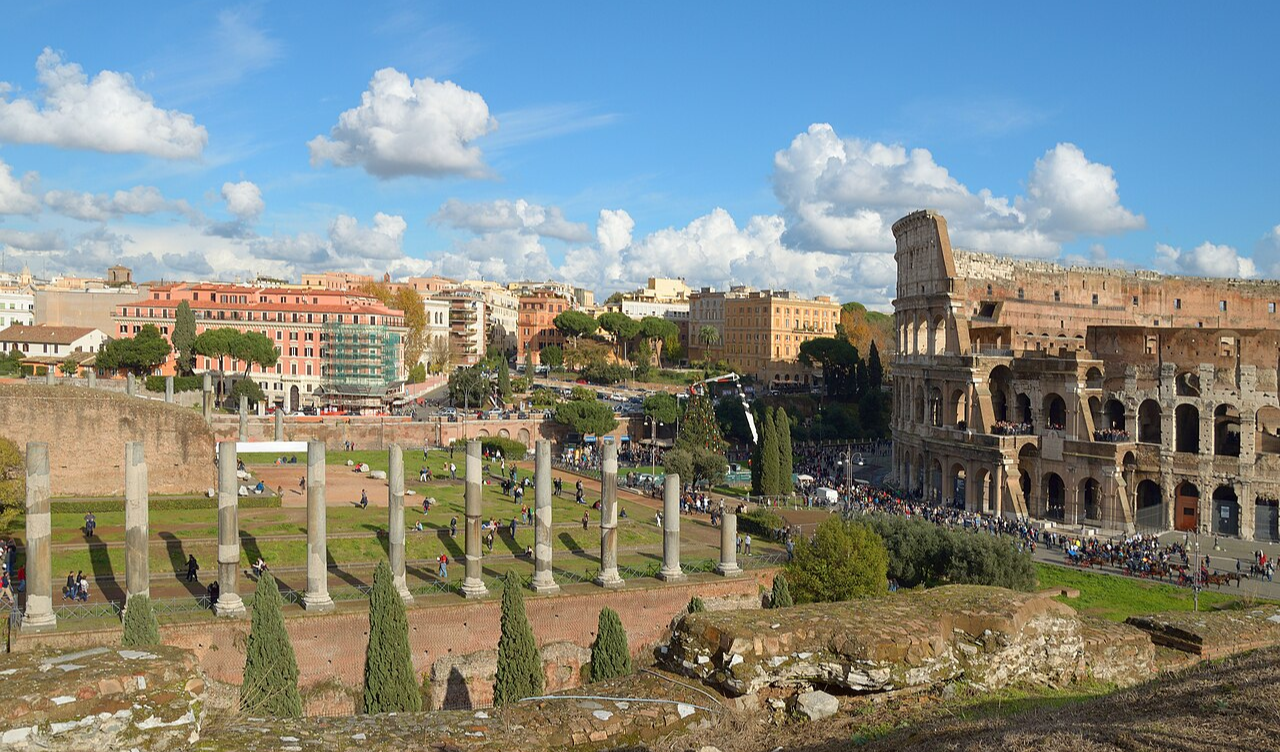
Plan a first trip to Rome with this practical guide to the Colosseum, Vatican City, best neighbourhoods to eat like a local, when to go and how to arrive. Few cities layer three thousand years of history as casually as Rome. Emperors, popes and Vespa-riding office workers share the same cobblestones, and a single afternoon can carry you from a gladiators' arena to a Renaissance fresco to a marble-topped counter serving the city's best espresso. For a first-timer flying in from India or anywhere else, the trick is not to see everything but to slow down, walk a lot, and eat where Romans eat. This guide covers the landmarks worth your queue time, the neighbourhoods worth your appetite, and the practicalities that make a short visit feel unhurried. Why go Rome rewards curiosity more than checklists. The headline sights - the Colosseum, the Roman Forum, the Pantheon, St Peter's Basilica - are genuinely as extraordinary as their reputations. But the city's real pleasure is incidental: stumbling onto the Trevi Fountain at night, finding a tiny piazza with a single trattoria, or watching golden light hit the honey-coloured walls of Trastevere. It is also remarkably walkable. Most of the historic centre sits within a compact loop, so you can string together ancient, Baroque and everyday Rome on foot in a single day. Top things to see and do Start with the Colosseum, the vast first-century amphitheatre that once held tens of thousands of spectators; a combined ticket usually covers the adjacent Roman Forum and Palatine Hill, the cradle of the city where you can walk the ruins of temples, senate houses and imperial palaces. Book online in advance and go early to beat both crowds and midday heat. Cross the river to Vatican City, the world's smallest sovereign state. The Vatican Museums lead you through kilometres of galleries to Michelangelo's ceiling in the Sistine Chapel, then out toward St Peter's Basilica and its enormous square. Dress modestly - covered shoulders and knees - as it is an active religious site. Between the big two, wander the free wonders: the perfectly preserved dome of the Pantheon, the coin-tossing crowds at the Trevi Fountain, the sweeping staircase of the Spanish Steps, and the Baroque theatre of Piazza Navona. For a quieter afternoon, climb the Gianicolo (Janiculum) Hill for the finest panorama of the rooftops and domes. Eating like a local Roman food is simple, punchy and proudly regional. Order the four classic pastas: cacio e pepe (pecorino and black pepper), carbonara (egg, guanciale, cheese - never cream), amatriciana (tomato and guanciale) and gricia. Try supplì, fried rice-and-mozzarella croquettes, from a hole-in-the-wall, and carciofi alla romana (braised artichokes) in season. For street food, grab pizza al taglio, sold by weight and cut with scissors. Neighbourhoods matter: Trastevere and the old Jewish Ghetto (try the crisp fried artichokes there) are full of family-run trattorias, while Testaccio, built around a former slaughterhouse district, is the heartland of no-nonsense Roman cooking. Stand at the bar for your morning cornetto and cappuccino the way locals do - it is cheaper and more authentic than sitting. Best time to visit Spring (roughly April to early June) and autumn (September to October) are ideal: warm days, softer light and gardens in bloom or turning. July and August are hot and busy, with many family-run spots closing for summer holidays. Winter is cool and can be damp, but sees the thinnest crowds at major sights and a festive atmosphere around Christmas. Whenever you go, pack comfortable shoes - Rome's cobblestones punish flimsy footwear. Getting there and around Rome's main gateway is Leonardo da Vinci-Fiumicino Airport, well connected to major Indian and international hubs, with the smaller Ciampino handling many budget flights. From Fiumicino, the Leonardo Express train runs directly to Roma Termini, the central station and transport hub. Within the city, walking is often fastest, backed up by a compact Metro (lines A and B intersect at Termini), trams and buses. Buy a rechargeable transit ticket and validate it on boarding. Taxis and ride apps fill the gaps late at night. Local tips Carry a refillable bottle: Rome's cast-iron street fountains, the nasoni, pour cold, clean drinking water for free across the city. Eat where you don't see photos of the food or a host waving you in - those tourist-trap trattorias near the big sights rarely match a neighbourhood osteria a few streets away. And build in nothing days: Rome is best when you let a piazza, a scoop of gelato and a long lunch decide the pace for you. Rome travel guide, Colosseum tips, Vatican City visit, what to eat in Rome, best time to visit Rome, Rome for first-timers, Trastevere food, Roman Forum

Bali vs Phuket Which Beach Holiday Fits You Best?

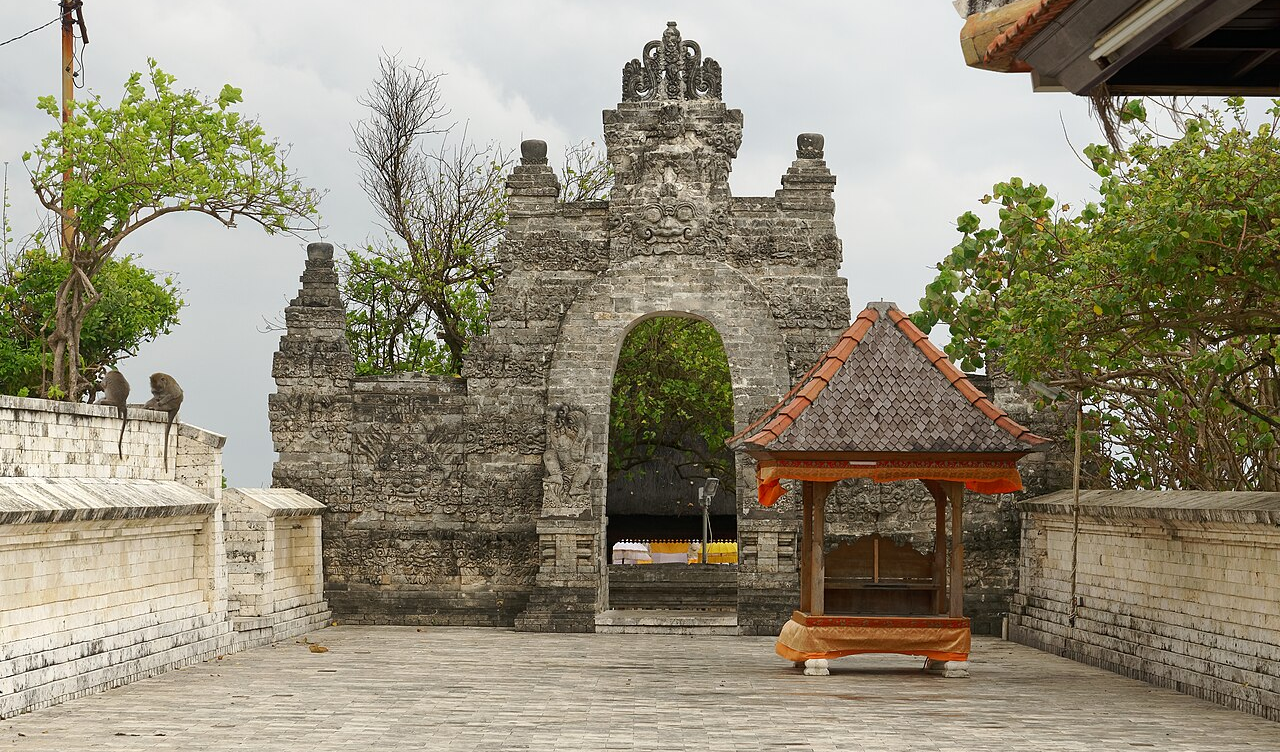
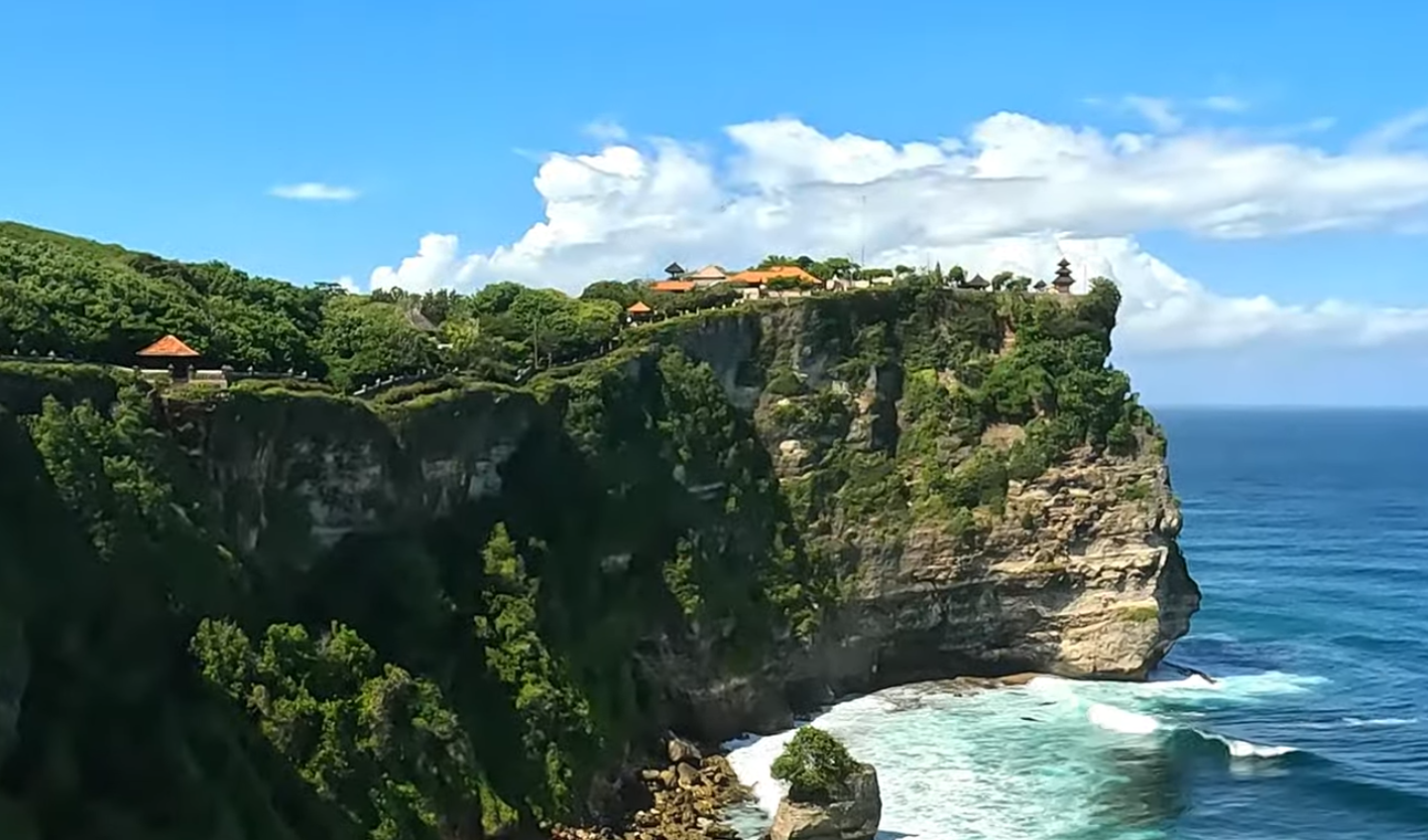
Torn between Bali and Phuket for your Southeast Asia beach trip? Compare beaches, food, culture, cost and travel time to pick the right island for you. Two islands dominate every Southeast Asia beach shortlist, and for good reason. Bali, in Indonesia, and Phuket, in southern Thailand, both deliver warm water, cheap luxury and postcard sunsets. But they are not interchangeable. One leans spiritual, green and slow; the other is louder, brighter and easier to reach. This guide sets them side by side so you can book the right flight the first time. The two islands at a glance Bali is a Hindu island in a mostly Muslim country, and that identity shapes everything: daily flower offerings on doorsteps, cliff temples like Uluwatu and Tanah Lot, and terraced rice fields at Tegallalang and Jatiluwih. The coast splits in personality - surf and nightlife in Canggu and Seminyak, calm and culture inland at Ubud, dramatic cliffs and hidden coves on the Bukit Peninsula. Phuket is Thailand's largest island and feels more built-up but more convenient. Patong is the neon-and-nightclub heart; Kata and Karon are gentler beach strips for families; the old Sino-Portuguese quarter of Phuket Town, with its pastel shophouses on Thalang Road, is the cultural surprise most visitors miss. The Andaman Sea here is the real prize - turquoise, calm and dotted with islands. Beaches, water and day trips For sheer beach quality, Phuket often edges it. The water is clearer and calmer, and the nearby islands are world-famous: Phi Phi, the James Bond island of Phang Nga Bay, and the Similan Islands for divers. A longtail boat from Rawai or a speedboat tour puts limestone karsts and snorkelling reefs within an hour. Bali's beaches are more variable - black volcanic sand in the north, golden crescents at Nusa Dua, and serious surf breaks at Uluwatu and Padang Padang. The standout day trips are the offshore Nusa islands (Nusa Penida's Kelingking cliff is Instagram's favourite viewpoint) and, for the fit, a pre-dawn hike up Mount Batur to watch sunrise over the caldera. Food you should not miss Eat cheaply and adventurously in both. In Bali, seek out babi guling (spit-roast suckling pig), the shredded-chicken salad ayam betutu, and a beachside dinner of grilled seafood at Jimbaran Bay. Warungs - small family kitchens - serve the best nasi campur for the price of a coffee back home. Phuket is a certified UNESCO City of Gastronomy, and it shows. Beyond the pad thai and green curry you already know, try Hokkien-style mee, the turmeric-heavy southern dish kua kling, and moo hong (slow-braised pork belly) in Phuket Town. Hit the Sunday walking street market on Thalang Road for a plate-by-plate feast. Best time to visit Both islands are tropical, so you are really choosing between dry and wet seasons. Bali's dry season, roughly April to October, brings reliable sunshine and is peak time; the wetter months bring short, heavy afternoon downpours rather than all-day rain, plus lower prices. Phuket flips this slightly. Its dry, calm season runs roughly November to April - ideal for island-hopping and diving, when the Andaman is glassy. The monsoon months churn up bigger surf and stronger currents, so heed the coloured warning flags on the beaches and don't swim when red flags fly. Getting there and getting around For travellers from India, Phuket usually wins on access: direct and one-stop flights from several Indian cities, plus a visa-on-arrival or visa-exemption arrangement that keeps arrivals simple. Bali (Ngurah Rai airport near Denpasar) is generally reached with one connection through a regional hub, and Indonesia offers a visa on arrival for many nationalities. On the ground, neither island has a useful train or metro. In Bali, hire a private driver for the day or use ride-hailing apps like Gojek and Grab; the scooter is king but traffic around Canggu and Kuta is genuinely chaotic. In Phuket, metered taxis are scarce, so Grab and pre-booked transfers save both money and arguments. So which one? Choose Bali if you want culture woven into your beach days - temples, rice terraces, yoga in Ubud and a surf-and-café scene. Choose Phuket if your priority is clear water, easy island-hopping, big nightlife and the shortest flight. Many seasoned travellers do both on separate trips, and honestly, that's the right answer. Local tips In Bali, dress modestly at temples - a sarong is required and usually provided, and never step over a canang sari offering on the pavement. Carry small cash for warungs and parking. In Phuket, always agree a longtail boat price before you step aboard, and pick your beach by flag colour, not by the crowd - a busy shore is no guarantee it's safe to swim. Bali vs Phuket, Southeast Asia beach holiday, Bali travel guide, Phuket travel guide, best beaches Indonesia Thailand, island holiday from India, Uluwatu temple

Abu Dhabi White Mosque, Louvre Dome and Islands of Calm

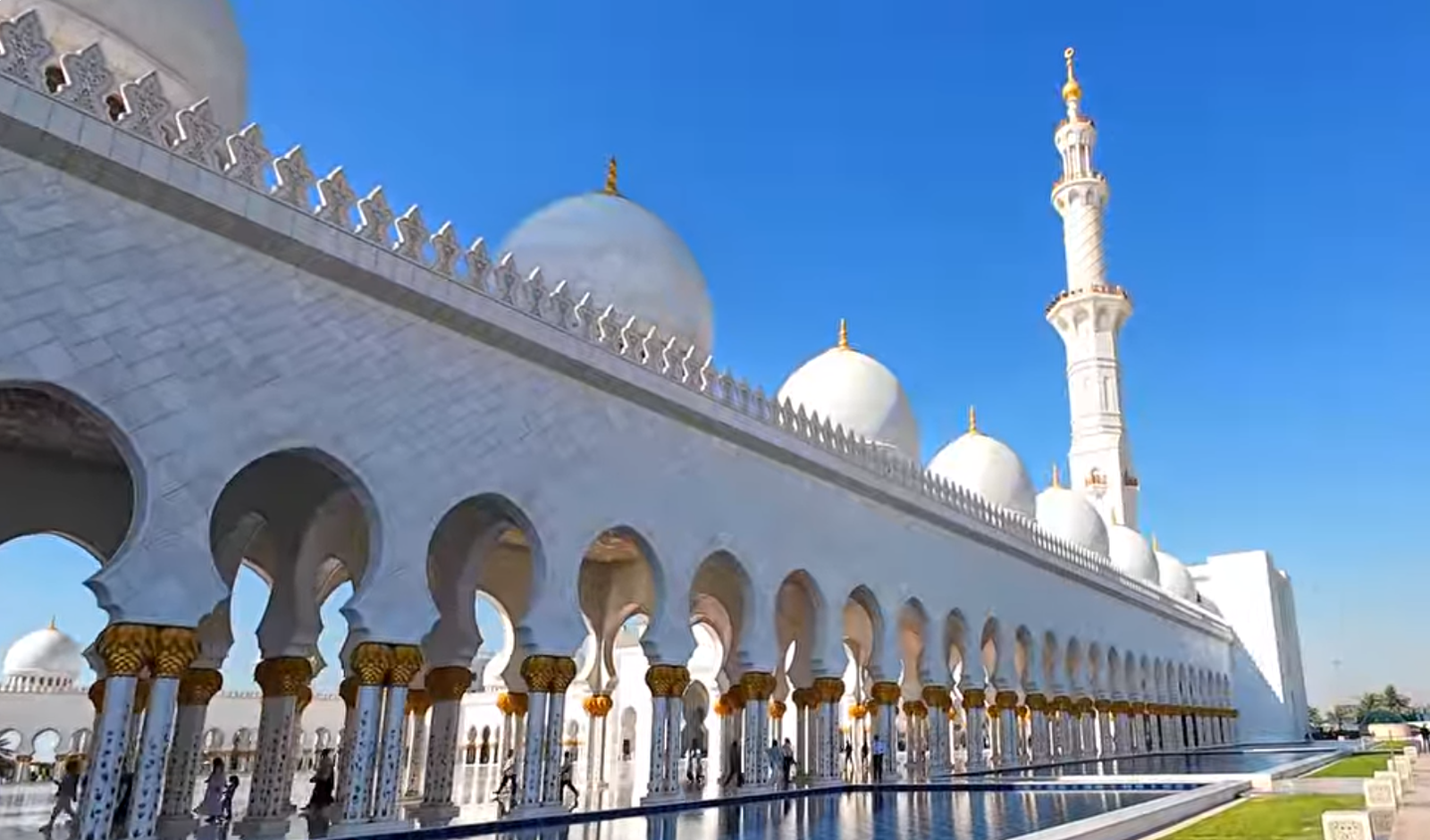
Plan a trip to Abu Dhabi with this evergreen guide to the Sheikh Zayed Grand Mosque, Louvre Abu Dhabi, island resorts, best seasons and how to arrive. Abu Dhabi, the capital of the United Arab Emirates, is often skipped for its flashier neighbour up the coast. That is a mistake. Spread across a low, sandy island and a string of smaller ones, the city pairs serious cultural heavyweights with quiet mangrove creeks and beaches you can actually breathe on. It is compact enough to see the headline sights in a long weekend, yet layered enough to reward a full week. Come for the marble mosque and the museum under a floating dome; stay for the falafel, the desert light and the sense of a city built at a calmer, more deliberate pace than the region's reputation suggests. What to put at the top of your list Start with the Sheikh Zayed Grand Mosque, one of the largest in the world and easily the city's defining image. Its white marble courtyards, reflecting pools and 82 domes are open to visitors of all faiths; dress modestly, and note that the mosque loans robes to those who arrive uncovered. Aim for late afternoon, when the marble turns warm gold and the crowds thin before sunset. Across town on Saadiyat Island sits Louvre Abu Dhabi, its lattice dome designed by Jean Nouvel to scatter sunlight into what he called a "rain of light." Inside, a single walkable route moves from ancient artefacts to modern art, with loans from French museums alongside the permanent collection. Sea breezes drift through the open plazas between galleries - it is as much a piece of architecture as a museum. For a different mood, head to the Corniche, a breezy waterfront promenade with a clean public beach, cycle lanes and views back to the skyline. Families gravitate to Yas Island, home to Ferrari World, Warner Bros. World and the Yas Marina Formula 1 circuit. And for the old city, wander Qasr Al Hosn, the restored fort that was Abu Dhabi's first permanent structure, and the nearby Al Ain oasis if you have a spare day inland. When the weather actually cooperates Abu Dhabi has two faces. From roughly November to March, days are warm and dry - ideal for the beach, desert drives and long walks along the Corniche. This is peak season, so book ahead. The summer months, May through September, bring fierce heat and humidity; sightseeing becomes an early-morning-and-air-conditioning affair, though hotel rates drop and indoor attractions stay busy. The shoulder weeks of April and October are a fair compromise if you want lower prices with tolerable heat. Getting there and getting around Zayed International Airport is the main gateway, with direct flights from major Indian cities including Delhi, Mumbai, Kochi and Hyderabad, plus connections across Europe, Asia and beyond via the national carrier. Many nationalities, including Indian passport holders with certain existing visas, can arrive on straightforward entry arrangements - check current rules for your passport before you fly. Once there, the city is easy. Metered taxis are plentiful and reasonably priced, ride-hailing apps work well, and the road network is fast and modern. Abu Dhabi and Dubai are about 90 minutes apart by car or intercity coach, so many travellers combine the two. If you want to explore the desert or Al Ain, a rental car gives you freedom, but for city sights taxis are simpler. Choosing your base Where you sleep shapes the trip. Saadiyat Island delivers resort life on protected turtle-nesting beaches, a short hop from the Louvre and the Corniche - the pick for a slower, sea-facing stay. Yas Island is the choice for families and theme-park fans, with hotels clustered around the attractions. For a central, walkable feel with easy access to restaurants and the waterfront, base yourself on the main island near the Corniche or downtown. Beyond the big resorts, look at smaller offshore island lodges for quiet, low-rise escapes ringed by mangroves. Small things that make the visit better Eat beyond the hotel buffet. Track down a plate of machboos (spiced rice with meat or fish) and warm Emirati bread, or graze the Levantine and South Indian spots that fill the older neighbourhoods - Abu Dhabi's large Indian community means excellent, affordable dosas and biryani are never far. Get out on the water: a kayak trip through the Eastern Mangroves or Jubail Mangrove Park trades skyline glass for herons and silence. Carry a light layer - interiors are aggressively air-conditioned - and drink far more water than you think you need. Finally, plan mosque and museum visits around opening days and prayer times, and dress respectfully at religious sites; a little preparation keeps the day smooth. Abu Dhabi travel, Sheikh Zayed Grand Mosque, Louvre Abu Dhabi, Abu Dhabi island resorts, Saadiyat Island, things to do Abu Dhabi, UAE capital trip, Yas Island

Las Vegas and Beyond The Strip, Day Trips and Desert Parks

Plan a trip to Las Vegas and the desert Southwest: the Strip, downtown Fremont, easy day trips and the red-rock national parks within a few hours' drive. Las Vegas is a city built on spectacle, but it is also the front door to some of the most dramatic desert scenery on Earth. Rising from the Mojave in southern Nevada, it pairs a four-mile ribbon of casino resorts with a starkly beautiful backcountry of red sandstone, slot canyons and mile-deep gorges. Come for the lights and the shows, then rent a car and let the Strip fade in your mirror. Within a couple of hours you can trade blackjack tables for switchback trails, and that combination - glitz and wilderness, side by side - is what makes this corner of the American Southwest such a rewarding trip. Why go Few places pack this much variety into a small radius. The Strip delivers world-class dining, live music, magic and stage productions, and enough people-watching to fill a week. But the real surprise is how quickly the desert takes over. Las Vegas works equally well as a pure city break, a family stopover or the launch pad for a road trip through the Southwest's national parks. It is also one of the most accessible gateways in the region, with a busy international airport just minutes from the action. Top things to see and do On the Strip itself, walk the stretch between the Bellagio and the Venetian in the evening, when the Bellagio's dancing fountains put on their free water-and-light show and the resorts glow against the dark mountains. Ride the observation wheel at the LINQ for a slow, panoramic look at the valley. For a grittier, more nostalgic flavour of old Vegas, head downtown to Fremont Street, where a canopy of LED lights arches over street performers and vintage neon signs - many of them preserved just off the strip at the Neon Museum's outdoor "boneyard." Then go beyond the neon. Red Rock Canyon, barely half an hour west of the Strip, offers a scenic loop drive and trails through crimson Aztec sandstone. To the northeast, the fiery formations of Valley of Fire State Park look almost Martian at golden hour. Push a little farther and you reach the big names: Zion National Park in Utah, with its towering canyon walls and the famous Narrows river hike; and the South and West rims of the Grand Canyon, a genuinely humbling sight. The Hoover Dam and Lake Mead sit closer, an easy half-day out. Best time to visit Spring (March to May) and autumn (September to November) are the sweet spots: warm, clear days ideal for both strolling the Strip and hiking the canyons. Summers are intense - desert temperatures regularly climb past 40°C, which makes midday trail time genuinely dangerous, so save outdoor plans for early morning. Winter is mild and pleasant in the city, though higher-elevation parks like Zion and the Grand Canyon's rims can see snow and road closures. Whatever the season, carry far more water than you think you need once you leave town. Getting there Harry Reid International Airport, immediately south of the Strip, is the main gateway, with direct and one-stop connections from major hubs worldwide; travellers from India typically connect through a US or European city. From the airport, ride-share and taxis reach the resorts in minutes, and the Strip is walkable end to end, supplemented by a monorail and buses. For everything beyond the city, a rental car is close to essential - the parks and day-trip sights are spread across open desert with little public transport, so factor a hire vehicle into your plans. Where to stay Most visitors base themselves on the Strip, where mega-resorts cluster around themes and price points - from the Italianate Venetian to the fountains of the Bellagio. Staying central puts the shows, restaurants and casinos on your doorstep. Downtown, around Fremont Street, is cheaper, more compact and has an old-school character worth a night or two. If you are prioritising the national parks, consider a night in a gateway town such as Springdale, just outside Zion, to catch the canyon at dawn before the crowds. Local tips Eat beyond the buffet: the city has become a serious food destination, and even a casual meal - a plate of tacos in the Arts District, or dim sum in Chinatown just west of the Strip along Spring Mountain Road - beats the tourist traps. Pace your walking, too; the Strip's resorts look close together but are deceptively far apart, so plan on more time between them than the map suggests. And if you drive out to the parks, download offline maps before you go - mobile signal vanishes fast once the desert opens up around you. Las Vegas travel guide, Las Vegas Strip, Nevada day trips, desert national parks, Zion National Park, Red Rock Canyon, Grand Canyon from Las Vegas, Fremont Street

Yogyakarta Borobudur, Prambanan and the Fire of Merapi

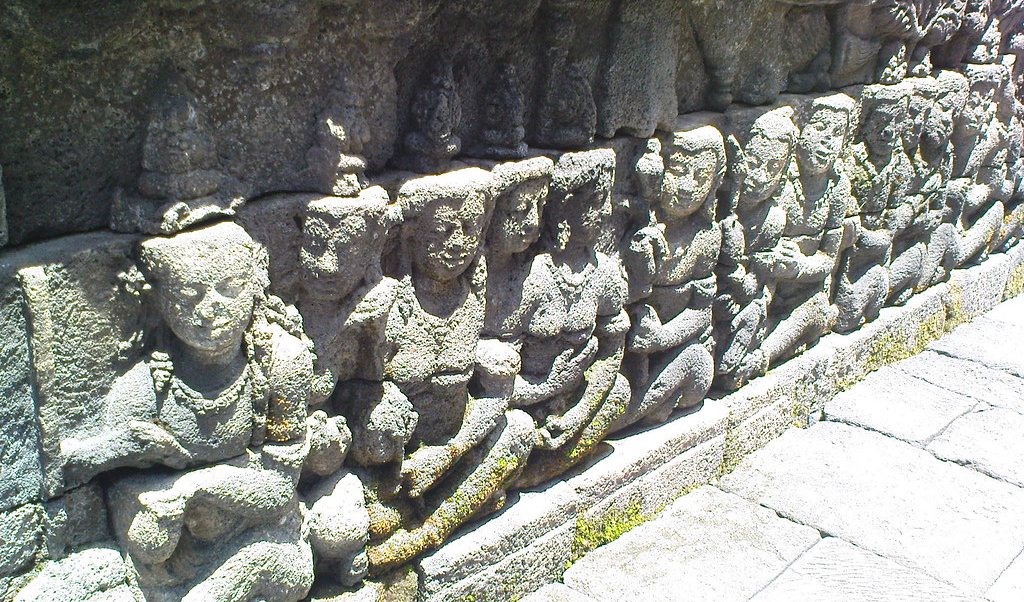
Plan a trip to Yogyakarta, Indonesia: sunrise at Borobudur, the spires of Prambanan, a smoking Mount Merapi, batik streets, gudeg and how to get there. Yogyakarta, still ruled by a sultan and known to locals simply as "Jogja," is the cultural heart of Java and the easiest base from which to reach two of Southeast Asia's greatest monuments. Within a short drive of the city you can watch the sun rise over Borobudur, the largest Buddhist temple on Earth, stand beneath the soaring Hindu spires of Prambanan, and look up at Mount Merapi, one of Indonesia's most active volcanoes. Add batik workshops, shadow-puppet theatre and a slow-cooked jackfruit stew that the city is famous for, and Jogja rewards anyone who lingers longer than a day trip. Why Yogyakarta earns your time Most visitors arrive for the temples and stay for the atmosphere. Jogja is compact, walkable and unmistakably Javanese: gamelan music drifts from courtyards, artists sell canvases on the pavement, and the Kraton (the sultan's walled palace) still functions as a living royal seat rather than a museum piece. It is affordable, welcoming to first-time travellers in Indonesia, and a natural gateway to central Java's UNESCO-listed sites. Unlike beach-first Bali, Jogja leans into history, craft and volcano country. Temples, volcanoes and city sights Borobudur, built in the 9th century, is a stepped pyramid of grey volcanic stone carved with more than a thousand relief panels and crowned by bell-shaped stupas. Climbing its terraces at dawn, with mist pooling over the surrounding rice fields and Merapi silhouetted on the horizon, is the classic Jogja experience. Prambanan, roughly an hour away on the other side of the city, is Indonesia's largest Hindu temple complex - a cluster of tall, sharply pointed towers dedicated to Shiva, Vishnu and Brahma. Come in the evening for the open-air Ramayana Ballet, a dance-drama performed with the floodlit spires as a backdrop. Mount Merapi looms to the north. Jeep tours run across its lower slopes past villages and lava fields reshaped by past eruptions, including a small museum of objects fused by the 2010 blast. In the city itself, walk the Kraton and the nearby Taman Sari water castle, a former royal bathing complex with photogenic tunnels and courtyards. For a lesser-visited stop, the smaller temples of Plaosan and Ratu Boko, a hilltop palace ruin best at sunset, reward those with an extra day. When to go Java has two broad seasons. The dry season, roughly May to September, brings clearer skies, better sunrise odds at Borobudur and easier volcano views - this is the most reliable window. The wet season, around November to March, is greener and quieter but comes with afternoon downpours and haze that can hide Merapi. Whenever you visit, start temple visits early to beat both the heat and the crowds; midday sun on open stone is fierce. Getting there Yogyakarta International Airport (YIA), near Kulon Progo about an hour and a half from the city, handles domestic flights and some regional international routes, with connections through Jakarta, Bali and Singapore. Many travellers prefer the train: Java's rail network is comfortable and scenic, and the journey from Jakarta or Bandung to Yogyakarta's central Tugu station is a pleasant half-day ride through rice country. Within the region, hire a driver for the day, use ride-hailing apps, or rent a scooter if you are confident in local traffic. The airport is linked to the city by train and shuttle buses. Where to base yourself Malioboro is the buzzing main artery, lined with shops, street food and hotels for every budget - convenient and central, if noisy. For a calmer, more atmospheric stay, look at Prawirotaman, a leafy street of guesthouses, cafes and batik boutiques popular with independent travellers. If your priority is a Borobudur sunrise, several hotels and homestays cluster around the Borobudur/Magelang area so you can be first at the gate. Local tips worth knowing Don't leave without trying gudeg, Jogja's signature dish of young jackfruit simmered for hours in coconut milk and palm sugar, served with rice, egg and chicken; the Wijilan area is known for it. Sample bakpia, small mung-bean-filled pastries sold everywhere as edible souvenirs. Buy batik directly from a workshop where you can watch the wax-and-dye process rather than from tourist stalls. Dress modestly at temples and the Kraton - cover shoulders and knees - and carry cash for smaller warungs and rural stops. Finally, build in slack time: Central Java's charm is in wandering its lanes, not rushing between ticket gates. Yogyakarta travel guide, Borobudur temple, Prambanan temple, Mount Merapi, things to do in Yogyakarta, Java Indonesia travel, Malioboro Street, gudeg Yogyakarta

Bali's Ubud and the South Coast A Two-Sided Island Guide

Plan a Bali trip across Ubud's rice terraces and temples and the surf towns of the south, with things to do, timing, transport and local tips. Bali packs two very different holidays onto one small Indonesian island. Inland, around the town of Ubud, you get emerald rice terraces, river gorges, craft villages and Hindu temples wrapped in incense and gamelan music. An hour south, the coast switches to surf breaks, beach clubs and sunset bars. Most first-timers try to do both, and the island is compact enough that you can. This guide splits Bali into its highland and coastal halves so you can plan a trip that fits your pace. What Ubud is really like Ubud is Bali's cultural heart, a market town in the central foothills surrounded by working rice fields. It is greener, cooler and quieter than the coast, though its centre now hums with cafes and yoga studios. The famous sculpted paddies at Tegallalang lie just north of town; go early to beat both the heat and the crowds, and expect small donation boxes maintained by farmers along the walking paths. For a longer, less-visited walk, the Campuhan Ridge is a breezy grass spine you can loop in an hour or two. Ubud is also a base for temples and river country. The Tirta Empul water temple lets visitors join the ritual purification in its spring-fed pools, while Goa Gajah, the "Elephant Cave," is an atmospheric carved grotto on the edge of town. Nature draws people north to the Tegenungan and Kanto Lampo waterfalls and, further afield, to the volcanic caldera and lake views at Mount Batur, a popular pre-dawn hiking spot. The southern beach towns Bali's southern peninsula is where the sand and nightlife live, and each town has a distinct character. Canggu is the current favourite for younger travellers and remote workers, with black-sand surf beaches, scooter traffic and coffee shops. Neighbouring Seminyak is more polished, known for boutiques and beach clubs strung along the sand. Further south, Uluwatu sits on dramatic limestone cliffs above world-class surf breaks; its clifftop temple hosts a nightly Kecak fire dance at sunset. For families and first-time visitors who want calm water, Sanur and Nusa Dua on the east and south coasts are gentler and more resort-oriented. Don't miss Tanah Lot, the sea temple perched on a rock offshore west of the airport, best seen when the tide and the setting sun line up. It gets busy, so arrive with time to spare. What to eat Balinese food rewards the curious. Look for babi guling (spit-roast suckling pig) and ayam betutu (slow-cooked spiced chicken), both regional specialities you'll find at simple warungs. Nasi campur, a plate of rice with several small sides, is the everyday staple and a great low-cost meal. Vegetarians do well with gado-gado, a vegetable salad in peanut sauce, and lawar mixes. In Ubud especially, the plant-based and "health food" scene is strong if you want a break from fried rice. Best time to visit Bali has two seasons rather than four. The dry season, roughly April to October, brings the most reliable sunshine and is peak time for beaches and volcano hikes; July and August are the busiest and priciest. The wet season, around November to March, sees hot, humid days broken by heavy afternoon downpours, but mornings are often clear and the countryside is at its lushest and cheapest. The shoulder months of April, May and September tend to offer a good balance of decent weather and thinner crowds. Note the annual Nyepi "Day of Silence," a Hindu new year when the whole island shuts down for 24 hours, including the airport. Getting there and getting around Most visitors fly into Ngurah Rai International Airport near Denpasar, the island's only major airport. There are direct and one-stop connections from Indian hubs such as Delhi, Mumbai and Bengaluru, usually routing through Singapore, Kuala Lumpur or Jakarta, as well as flights from across Asia and Australia. Indian passport holders should check the current visa-on-arrival rules before travelling. On the ground, Bali has no train network. Many travellers rent a scooter, but traffic is chaotic and an international driving permit plus a helmet are essential; if you're not a confident rider, hire a car with a driver for day trips, which is inexpensive and easy to arrange. Ride-hailing apps operate but face restrictions in some tourist zones. Local tips Dress modestly at temples: a sarong and sash are required, and most sites lend or rent them at the entrance. Carry small cash for parking, donations and warungs, as card acceptance is patchy outside resorts. Finally, resist the urge to base yourself in one spot and day-trip everywhere; splitting your nights between Ubud and one southern town cuts hours of driving and gives you both sides of Bali properly. Bali travel guide, Ubud rice terraces, Tegallalang, Tanah Lot temple, Canggu Seminyak, best time to visit Bali, how to get to Bali, Bali things to do

EC Drops Roll-Mapping Rule for Form 6 Outside SIR States

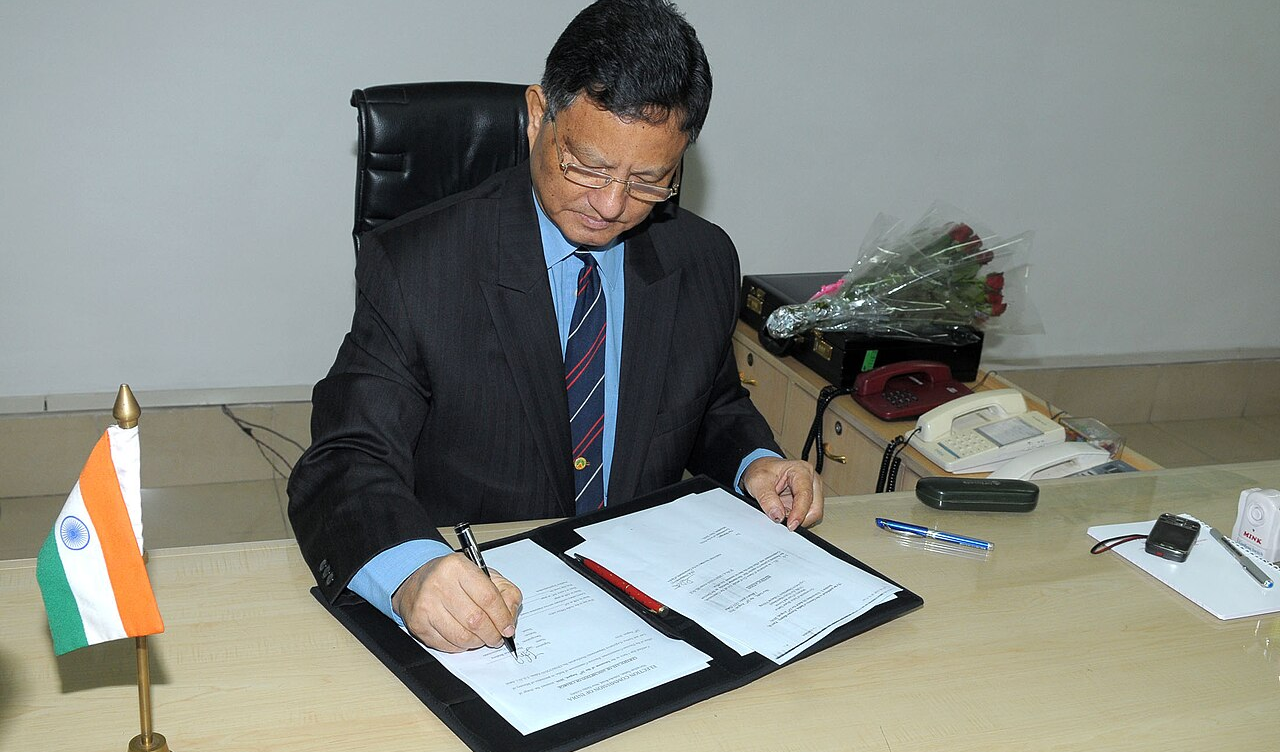
The Election Commission says fresh voters filing Form 6 outside the 12 states and UTs under special intensive revision no longer need a roll-mapping declaration. NEW DELHI: People signing up as new voters through Form 6 in most of the country will no longer have to attach a declaration linking themselves or a relative to the last special intensive revision (SIR) of the electoral rolls. The relaxation applies everywhere except the 12 states and Union Territories where an SIR is currently running, the Election Commission said in a statement on Saturday. The three-member commission said the mapping declaration will stay in force only in the areas covered by the ongoing revision. There, applicants must still list their own or a relative's details from the last SIR rolls, along with the names of their father, mother and spouse and the corresponding EPIC numbers where they have them. Outside those states, the commission said, enrolment will follow the standard forms set out in the Registration of Electors Rules, 1960. According to sources, the switch back to the older, pre-SIR version of Form 6 takes effect immediately in non-SIR states and UTs. That group includes states heading into elections early next year. A special summary revision of the rolls is due to be carried out in those poll-bound states later this year. A declaration born in Bihar The extra declaration was first bolted onto Form 6 through the SIR order for Bihar, issued on June 24, 2025. Its content has shifted since then. The original Bihar version asked applicants to state their own or their parents' date and place of birth and to back it up with documents drawn from a list of 11 - a list the order described as not exhaustive. For later phases of the revision, the requirement was reworked: instead of asking for proof of citizenship, it asked new voters to map themselves to the previous SIR. The commission defended keeping the declaration in the revision states, saying the version attached to Form 6 for SIR purposes has been upheld by the Supreme Court. Commissioners' notes and Congress objections The change follows months of internal friction over who has the authority to alter the form. Election commissioners S.S. Sandhu and Vivek Joshi each sent notes to the deputy election commissioner handling the matter - Sandhu in May and Joshi in August - arguing that Form 6 can be amended only by the government. Both had earlier signed off on the declaration as part of three separate SIR orders. Joshi first flagged concerns about the revised format on May 16. Sandhu backed the new version on August 13, after the Supreme Court had cleared the SIR process. The objections were later picked up by opposition parties, with the Congress leading the charge and alleging that Chief Election Commissioner Gyanesh Kumar had changed Form 6 "unilaterally." The commission used Saturday's statement to push back on that account. It placed on record that all three SIR orders were approved unanimously by the CEC and the two commissioners: the June 24, 2025 order for Phase 1 in Bihar; the October 27, 2025 order for Phase 2 covering 12 states; and the May 14, 2026 order for the ongoing Phase 3 in 19 states and UTs. To leave no room for dispute, the commission said Saturday's statement itself carried the approval of the full commission. The practical effect is a split system. In the 12 states and UTs still under revision, first-time applicants continue to file the fuller Form 6 with its mapping declaration and parental details. Everywhere else, they revert to the plain form that existed before the revision drive began, easing the paperwork for fresh enrolment in the run-up to the summary revision in the states voting early next year. Election Commission, Form 6, special intensive revision, SIR, voter enrolment, Gyanesh Kumar, electoral rolls, India elections

Anahat Singh reaches Asian Games squash final, eyes 2028 quota

At 18, Anahat Singh becomes the first Indian woman to reach an Asian Games squash final in Nagoya. The winner earns a direct spot at Los Angeles 2028. Anahat Singh became the first Indian woman to reach the final of the Asian Games squash competition on Saturday, September 26, 2026, in Nagoya, and said the chance to seal an Olympic quota drove her through the tightest moments of the match. The 18-year-old will play for gold on Sunday, and the winner of the women's singles final earns a direct entry to the Los Angeles 2028 Games. Anahat, who has already been crowned India's first-ever junior World champion, said the prospect of an Olympic berth kept her focused when the contest slipped away from her. "When I was losing, the first thought in my mind was that I couldn't let the Olympic spot go by so quickly, and that is something that really motivates me," she said after the win. She acknowledged the weight of expectation heading into the tournament and set her sights on finishing the job. "Coming into this event, a lot was expected. I still have a match left; hopefully I will take it further and gold tomorrow," she said. A day earlier, on September 25, she had faced compatriot Tanvi Khanna in the women's singles quarterfinal. Abhay Singh secures a singles medal Abhay Singh guaranteed himself a medal by reaching the men's singles final, and used the moment to answer critics who had questioned his individual credentials. "There was a lot of talk before, people saying I have only done well in team events and doubles, so it's nice to get on the podium in a singles event," the 28-year-old said. Seeded second in the draw, Abhay stressed that self-belief mattered as much as respecting opponents. He praised the player he beat in the semifinal, Irfan, while making clear he trusted his own standing in the competition. "No one comes to the semifinals of an Asian Games to go down easily. Respect to the kid; he's had some big wins, he's a dangerous player, you need to respect your opponent," he said. "But you also need to give yourself respect. There's a reason I am seeded second in the draw here. There are times I need to go back to remembering why, and sometimes that helps." Doubles pair exit after disputed call The day was not all positive for India. Joshna Chinappa and Velavan Senthilkumar were knocked out after an ill-tempered doubles match that turned on a referee's decision. Joshna said the officials had reversed a call on a double bounce by their opponents, a moment she felt had cost the pair a match they believed they had won. "I think it was obvious that we had already won that match and the referee had overturned his decision on a double bounce from the opponents," Joshna said. "But it is what it is, things like this happen and as much as it's very disappointing, I feel very proud with my partner that we played really well, we played with integrity and unfortunately it didn't go our way." For Anahat, the final represents another line in a record already unusual for her age. Having claimed the junior World title, she now stands one win away from adding an Asian Games gold and, with it, an early passage to the next Olympic cycle. Her focus on Sunday will be firmly on the quota that comes with victory in Nagoya. Anahat Singh, Asian Games 2026, squash, Los Angeles 2028 Olympic quota, Abhay Singh, Indian squash, Joshna Chinappa, Nagoya

Pondicherry French Quarter, Auroville and Seaside Cafes

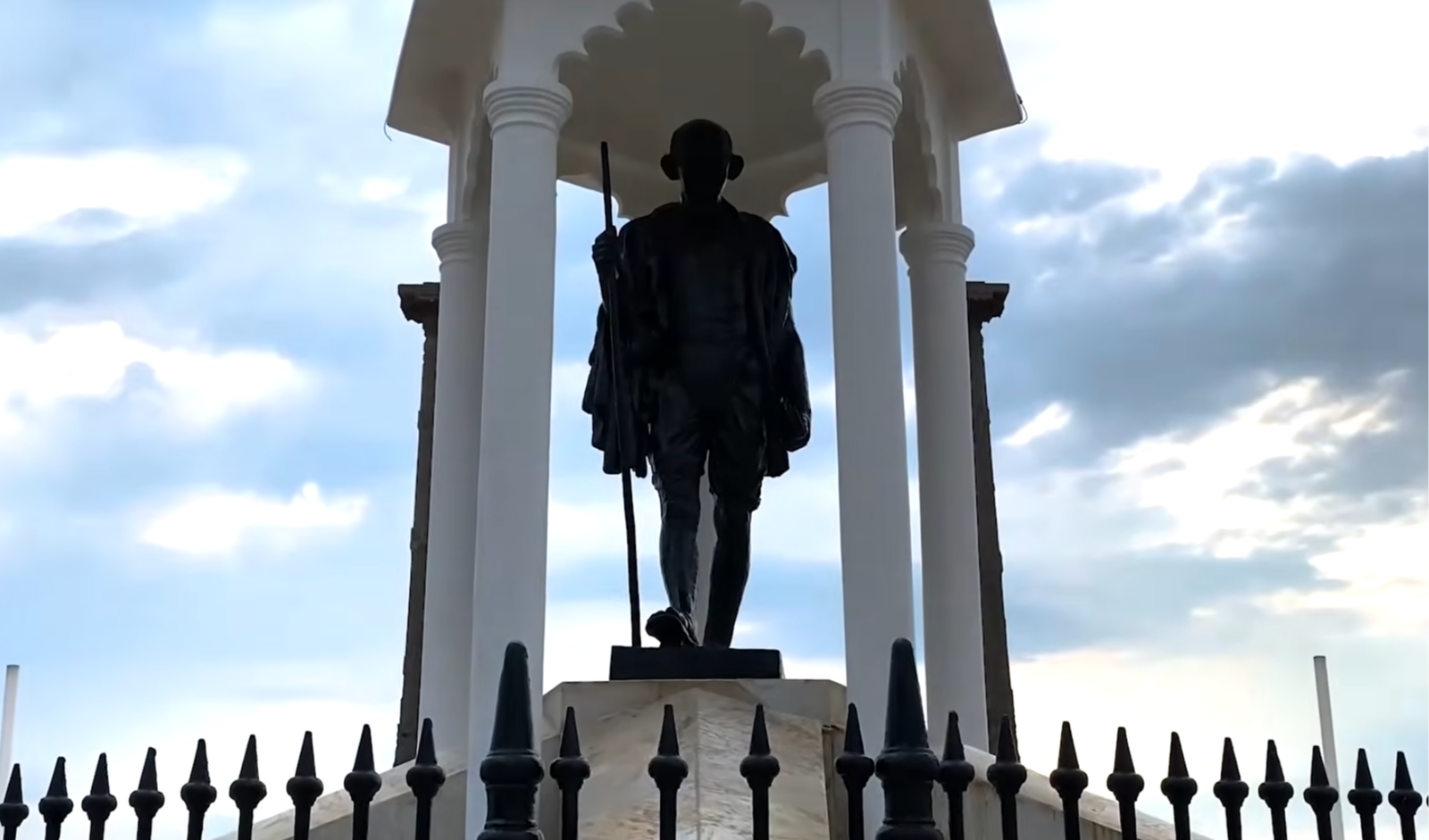
Plan a trip to Pondicherry with this evergreen guide to White Town's French streets, Auroville's Matrimandir, Rock Beach, Tamil bazaars and Creole cafes. On India's southeastern Coromandel Coast, Pondicherry (officially Puducherry) is a former French colony where mustard-yellow villas sit a few blocks from a bustling Tamil market town. The result is a small, walkable city that feels like two places layered on top of each other: bougainvillea spilling over shuttered French windows on one side of a canal, temple bells and filter-coffee stalls on the other. Add a spiritual township in the countryside and a breezy seafront, and you have one of South India's most relaxed short breaks. Why go Pondicherry rewards slow travel. Unlike India's big-ticket destinations, it asks little of you beyond a comfortable pair of walking shoes and an appetite. You come here to wander grid-patterned lanes named Rue Suffren and Rue Dumas, to eat croissants alongside masala dosa, and to sit on a sea wall watching fishing boats. The town's twin heritage - French Creole and Tamil - gives it a distinct culture, cuisine and pace you won't find elsewhere in the country. Top things to see and do Start in White Town (Ville Blanche), the old French Quarter east of the Grand Canal. Its heritage streets are made for aimless walking: photograph the ochre facades, step into the tranquil Sri Aurobindo Ashram on Rue de la Marine, and visit the neo-Gothic Basilica of the Sacred Heart of Jesus and the pastel Church of Our Lady of the Immaculate Conception. Cross into the Tamil Quarter for the colourful Sri Manakula Vinayagar Temple, dedicated to Ganesha, where a temple elephant often blesses visitors. Walk the traffic-free Rock Beach promenade (Goubert Avenue) at dawn or dusk, passing the Gandhi statue and the old French War Memorial. For greenery, the Bharathi Park and its Aayi Mandapam monument anchor the colonial core. About 10 km north lies Auroville, the experimental international township founded in 1968. Its centrepiece is the golden, geodesic Matrimandir, set in landscaped gardens; the outer viewing point is open to day visitors, while entry to the inner meditation chamber requires advance booking. Auroville is also dotted with craft boutiques, bakeries and organic cafes worth an afternoon. Where to eat Food is half the reason to come. Look for Pondicherry Creole cuisine - a fusion of French technique and Tamil spice - in dishes like the fiery meen (fish) curries and the local prawn preparations. Seek out authentic South Indian breakfasts of idli, vada and dosa in the Tamil town, then swing back to White Town for coffee culture: cafes tucked into restored villas serve espresso, quiche and cakes in leafy courtyards. Seaside and rooftop cafes near the promenade are perfect for sunset. Save room for a French-style baguette and a scoop of ice cream from the many bakeries. Best time to visit The coast is warm and humid for much of the year. The most comfortable window runs roughly from the cooler, drier months after the monsoon - generally October to March - when sightseeing on foot is pleasant. Avoid the peak of the northeast monsoon, when Tamil Nadu's coast can see heavy rain and the occasional cyclone alert. The summer months are hot and best skipped if you can. If your dates are flexible, weekdays are calmer than weekends, when the town fills with visitors from Chennai and Bengaluru. Getting there Pondicherry has no major airport of its own, so most travellers fly into Chennai International Airport and drive or take a bus roughly 150 km south along the scenic East Coast Road (ECR); the journey takes around three to four hours. There is a railway station with limited connections, so many rail travellers instead alight at Villupuram Junction, about 40 km inland, and continue by taxi or bus. Once in town, the compact centre is best explored on foot, by bicycle or on a rented two-wheeler. Local tips Base yourself in or near White Town if you can - many heritage guesthouses occupy restored French mansions, and staying inside the quarter lets you walk everywhere. Rent a bicycle to reach Auroville and the quieter northern beaches at your own pace. Dress modestly for the ashram and temples, and remove footwear where required. Finally, buy your Matrimandir viewing pass ahead of time and go early: the light on the golden sphere is best in the morning, and the crowds are thinner before midday. Pondicherry travel guide, White Town Pondicherry, Auroville Matrimandir, French Quarter India, Rock Beach promenade, Puducherry things to do, Pondicherry cafes, Tamil Nadu coast

Gangtok & North Sikkim Monasteries, Lakes and the Permit Trail

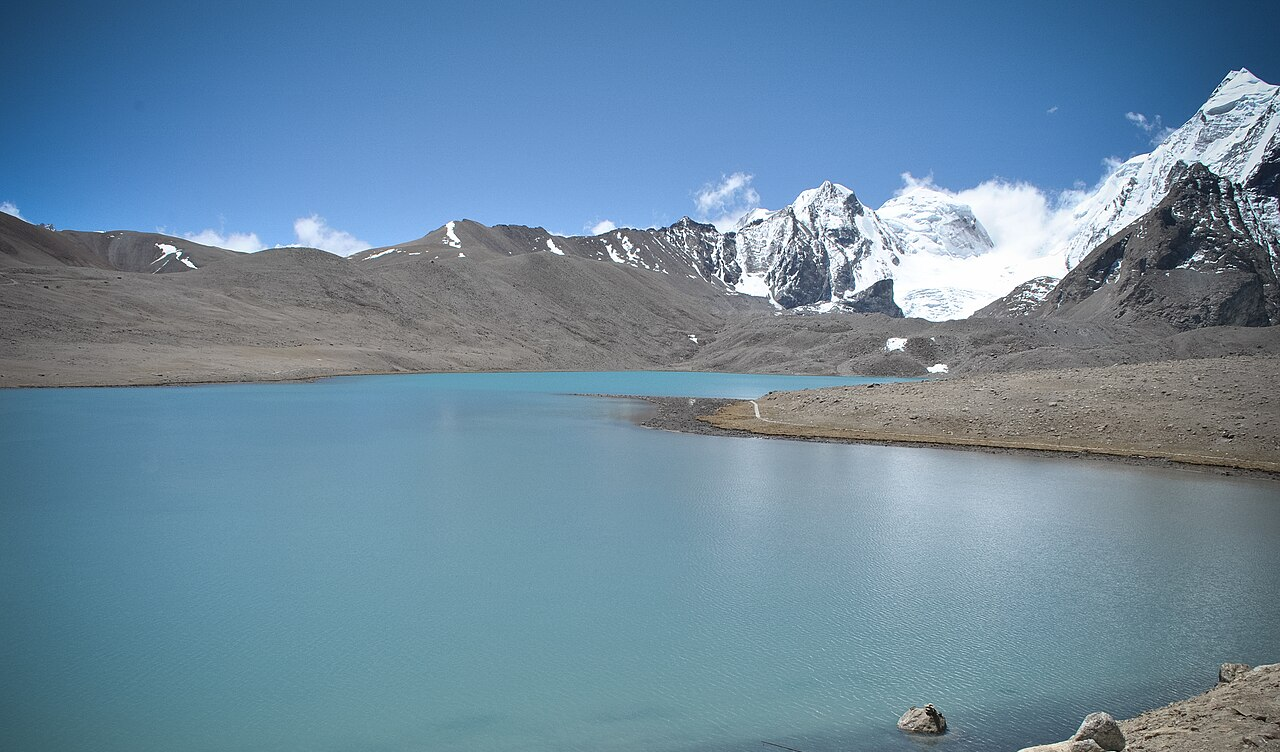
Plan a trip to Gangtok and North Sikkim: Rumtek's monasteries, Gurudongmar and Tsomgo lakes, Yumthang Valley, permit rules, when to go and how to arrive. Perched on a Himalayan ridge at around 1,650 metres, Gangtok is the tidy, prayer-flag-strewn capital of Sikkim and the launch pad for one of India's most dramatic mountain circuits. From here the land climbs fast - past Buddhist monasteries and terraced hillsides toward glacial lakes and valleys that sit just short of the Tibetan border. It is a region of two moods: the café culture and mountain views of the capital, and the raw, high-altitude wilderness of the north that demands paperwork, patience and a good driver. What makes it special Sikkim folds an enormous amount into a small state. In Gangtok you can watch the world's third-highest peak, Kangchenjunga, glow at dawn from Tashi Viewpoint, then wander the pedestrianised, flower-lined MG Marg an hour later. Push north and the scenery turns alpine and otherworldly - hot springs, rhododendron forests and a sacred lake at over 5,000 metres. Because Sikkim shares sensitive frontiers with China, Nepal and Bhutan, much of the north is a protected zone, which has kept it uncrowded and unusually clean; Sikkim is also India's first fully organic state. Monasteries and mountain lakes Start with the monasteries around the capital. Rumtek, about 24 km out, is the grand seat of the Karma Kagyu school, with a golden stupa and monks in maroon robes; Enchey and the tranquil Do Drul Chorten sit closer to town, and the Namgyal Institute of Tibetology holds one of the world's finest collections of Tibetan manuscripts and thangkas. For lakes, the day trip east to Tsomgo (Changu) Lake is a classic - a glacial oval that freezes in winter, with yaks along the shore and the Baba Harbhajan Singh Mandir and Nathula Pass beyond (Nathula requires an extra permit and is not always open). The headline act, though, is North Sikkim. Base yourself in the villages of Lachung and Lachen, then rise before dawn for the pilgrimage to Gurudongmar Lake, one of the highest lakes on earth, its water an impossible turquoise beneath snow peaks. Nearby Yumthang Valley - the "Valley of Flowers" - erupts with rhododendrons in spring, while Zero Point marks the end of the civilian road in a bowl of glaciers. Sorting out the permits This is the part to plan around. Indian nationals need a permit to visit North Sikkim (Lachen, Lachung, Gurudongmar, Yumthang) as well as Tsomgo Lake and Nathula; these are arranged through a registered Sikkim travel agent, usually as part of a booked tour, and require passport-size photos and government-issued photo ID. Foreign nationals need an Inner Line Permit / Protected Area Permit, must travel in a group of two or more through an authorised operator, and are currently barred from a few of the most sensitive spots such as Gurudongmar and Nathula - so check your exact eligibility before committing. Carry several photocopies of your ID and spare photos; checkposts along the way will ask. Best time to visit March to May is prime: clear-ish skies, warm valley days and rhododendrons in full bloom around Yumthang. October and November bring the crispest mountain views and reliable roads after the rains. Avoid the monsoon (roughly June to September), when landslides regularly close the north-Sikkim roads for hours or days. Winter is beautiful but bitterly cold, and high passes and lakes may be snowbound or shut. Getting there The usual gateway is the plains of northern West Bengal. The nearest major railhead is New Jalpaiguri (NJP) at Siliguri, and the main airport is Bagdogra (IXB); the smaller Pakyong Airport sits closer to Gangtok but has limited flights. From Bagdogra or NJP it's a scenic four-to-five-hour drive up to Gangtok by taxi or shared jeep. From Gangtok, all North Sikkim trips are done by hired 4x4 with a local driver - you cannot self-drive into the permit zones. Where to stay Gangtok has the widest choice, from heritage-style hotels near MG Marg to family-run guesthouses on the ridge with Kangchenjunga views. In the north, accommodation in Lachen and Lachung is simpler - homestays and small lodges, often with wood stoves and shared dining - and is typically bundled into your tour package. Book the northern leg well ahead in peak season, as bed and permit numbers are limited. Local tips Acclimatise. Spend a night in Gangtok and ease into altitude before the pre-dawn Gurudongmar run, and keep water and a light snack handy. Eat local while you're at it: steaming plates of momos, hearty thukpa noodle soup, fermented greens (gundruk), pork phagshapa, and a warming mug of tongba, the local millet brew. And build in a buffer day - in these mountains, weather and roads, not the clock, set the schedule. Gangtok travel guide, North Sikkim itinerary, Gurudongmar Lake, Yumthang Valley, Sikkim permits, Rumtek Monastery, Tsomgo Lake, Lachung Lachen

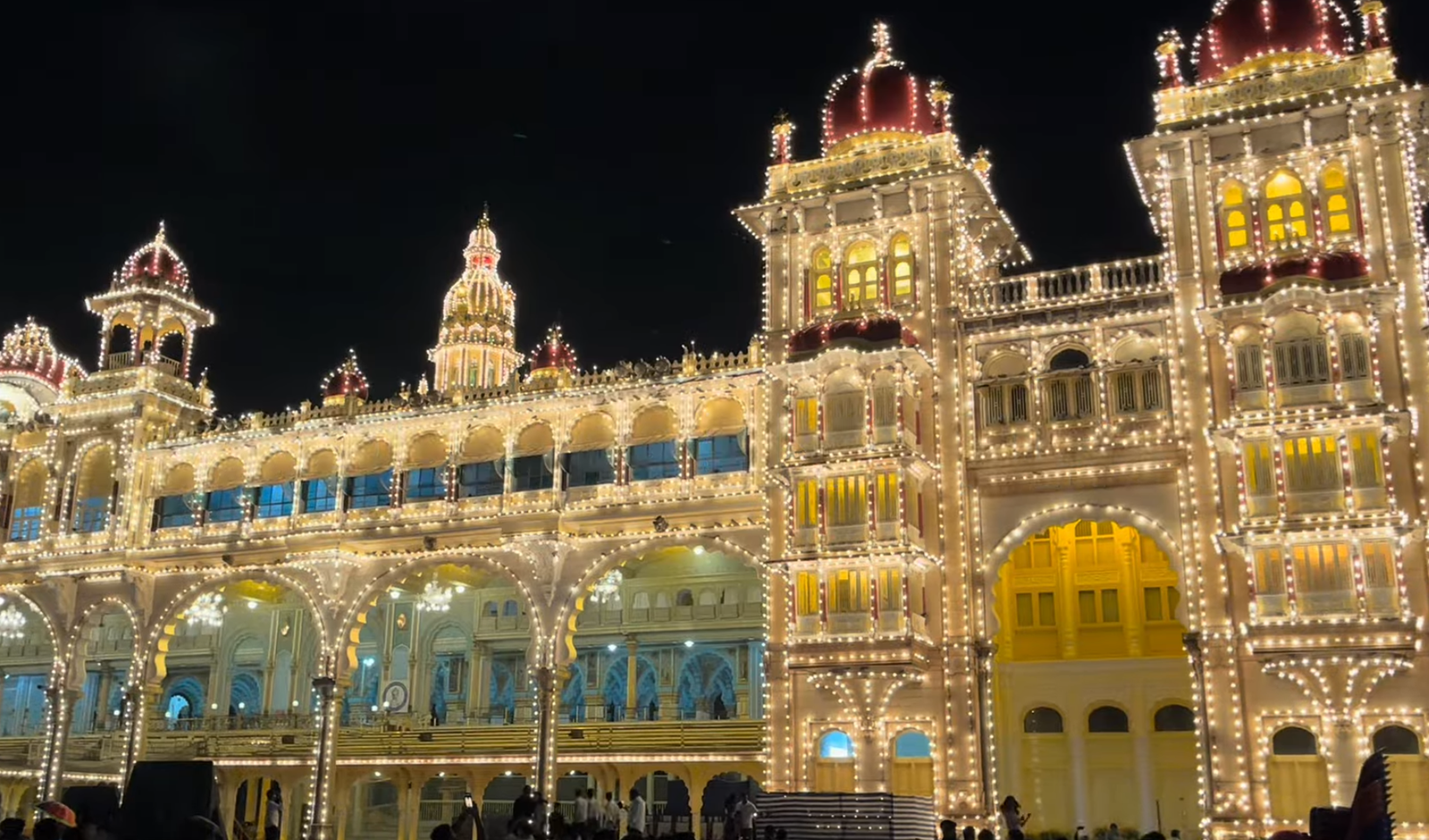
Mysuru Royal City of Palaces, Sandalwood and Dussehra Lights

Plan a trip to Mysuru, Karnataka: the illuminated Amba Vilas Palace, Chamundi Hill, silk and sandalwood markets, and the grand Dussehra season. Some Indian cities shout; Mysuru hums. The former seat of the Wadiyar dynasty in southern Karnataka carries its royal past lightly, in avenues lined with rain trees, in the scent of sandalwood drifting from workshops, and in a skyline crowned by the domes of Amba Vilas Palace. Clean, walkable and far calmer than Bengaluru three hours to the north, Mysuru rewards travellers who slow down - and it reaches full theatrical pitch during Dussehra, when the whole city turns into a stage of lights and processions. Why go to Mysuru Mysuru is heritage you can actually move through. This was a princely state that poured its wealth into palaces, gardens, art schools and civic institutions, and much of that survives in daily use rather than behind glass. It is also a city of makers: mysore silk woven with real gold zari, sandalwood carving, and Mysore agarbathi (incense) that scents homes across India. Add a mild plateau climate, a compact centre and a famously relaxed pace, and you have one of South India's most livable short-stay destinations - equally good as a standalone trip or a base for Coorg, Nagarhole and the Nilgiris. Top things to see and do Start at Amba Vilas Palace, usually just called Mysore Palace, an Indo-Saracenic confection of domes, arches and stained glass rebuilt in the early 20th century. Time your visit for a Sunday evening or a public holiday, when tens of thousands of bulbs outline the entire structure and it glows like a jewellery box. Inside, look up at the Kalyana Mantapa's peacock-motif glass ceiling and the ornate Durbar Hall. Climb - or drive - up Chamundi Hill, which rises about 1,000 metres over the city and is topped by the Sri Chamundeshwari Temple, dedicated to the goddess who gives Mysuru its name. Roughly a thousand stone steps lead up past the giant monolithic Nandi bull, a favourite half-way pause. The summit gives sweeping views over the city grid below. Back in town, dive into Devaraja Market, a warren of stalls piled with marigolds, bananas, kumkum powder in rainbow pyramids and fragrant heaps of jasmine. Photographers love the light here in the early morning. Then set aside time for St Philomena's Church, one of India's tallest, with soaring neo-Gothic spires, and the Jaganmohan Palace art gallery for its collection of Raja Ravi Varma paintings. Families should add the leafy Karanji Lake with its aviary and the fountains of Brindavan Gardens below the Krishnaraja Sagar dam, a short drive out of town. Don't leave without eating. Mysuru is the birthplace of the buttery Mysore masala dosa and the melt-in-the-mouth sweet Mysore pak - try the latter at a traditional sweet shop near the market. Filter coffee here is a ritual, not a beverage. Best time to visit The sweet spot is roughly October to February, when days are pleasant and evenings cool. The headline event is Dussehra (Nadahabba), the state festival celebrated over ten days around September-October. It culminates in the Jumboo Savari, a grand procession in which a caparisoned elephant carries the golden idol of goddess Chamundeshwari through the streets, followed by a torchlight parade. If you want the illuminated palace at its most spectacular, this is the season - but book accommodation well ahead, as the city fills up. Monsoon months bring greenery and fewer crowds but occasional heavy showers; peak summer can be hot and glaring. Getting there Mysuru is exceptionally easy to reach. Frequent trains connect it with Bengaluru, including comfortable fast services, and the road via the Bengaluru-Mysuru expressway has cut driving time considerably. The nearest major airport is in Bengaluru, from where you can take a train, bus or taxi; Mysuru's own small airport has limited domestic connections. Within the city, autorickshaws and app cabs are plentiful, and the historic core is genuinely walkable. Where to stay For atmosphere, several former royal properties and heritage hotels sit in leafy grounds near the palace and racecourse - grand staircases, high ceilings and colonial-era charm. Mid-range travellers will find plenty of comfortable hotels around the palace and the Devaraja Market area, keeping the main sights within walking or a short auto ride. Budget lodges cluster near the railway and bus stations. Wherever you stay, aim to be reasonably central so you can catch the palace lights on foot in the evening. Local tips Buy silk and sandalwood from government-run emporiums or established shops if you want assured quality; genuine Mysore silk carries a silk-mark tag, and real sandalwood is expensive for a reason. Carry socks for temple visits, since floors get hot underfoot. Finally, tackle Chamundi Hill early: start the temple climb at dawn to beat both the heat and the queues, then reward yourself with a filter coffee on the way back down. Mysuru travel guide, Mysore Palace, Chamundi Hill, Mysuru Dussehra, Karnataka tourism, Devaraja Market, Mysore silk, things to do in Mysuru

Toor Takes Shot Put Silver, Misses Asian Games Gold Hat-Trick

Tajinderpal Singh Toor settled for silver with a 20.64m throw at the Asian Games as Iran's Mohammadreza Tayebise set a Games record of 20.81m. Tajinderpal Singh Toor's attempt to win a third straight Asian Games gold in the men's shot put fell short on Saturday, as the defending champion took silver at the Aichi-Nagoya Games with a best mark of 20.64 metres. The title went to Iran's Mohammadreza Tayebise, who launched the shot 20.81 metres to top the podium and set a new Games record. That throw also wiped out the previous record of 20.75 metres, a mark Toor himself established when he won gold at the 2018 Jakarta Games. Saudi Arabia's Mohammed Tolu claimed bronze with a throw of 20.48 metres. Toor, 31, arrived in Japan as a two-time defending champion, having won the event at both Jakarta in 2018 and Hangzhou in 2022. His runner-up finish extends a run of three medals in a row at the continental meet, even as the gold eluded him this time. Tayebise's winning distance edged the record higher by six centimetres. India adds sprinters to the medal chase India advanced two athletes to the women's 200m final, scheduled for Sunday. Harita Bhadra booked her place automatically by clocking 23.31 seconds for second in her heat. Unnathi Bolland joined her, running 23.33 seconds to finish third in her own heat and progress. In the 100m hurdles, Nandhini Kongan came through to the final after placing fourth in her heat with a time of 13.48 seconds. Her path opened up when Jyothi Yarraji, who took silver at the Hangzhou edition, did not start her heat. Tajinderpal Singh Toor, Asian Games shot put, Mohammadreza Tayebise, India athletics, Aichi-Nagoya, womens 200m final, Nandhini Kongan