

Language Settings
Select Website Language

GDPR Compliance

We use cookies to ensure you get the best experience on our website. By continuing to use our site, you accept our use of cookies, Privacy Policy, and Terms of Service.

Filters

Channels
Topics
Other Filters

Inter Miami Hosts Cruz Azul for 2026 Campeones Cup

Inter Miami CF faces LIGA MX side Cruz Azul in the 2026 Michelob ULTRA Campeones Cup at Nu Stadium, with Messi one goal shy of 100 and a new head coach in charge. Inter Miami CF meets LIGA MX champion Cruz Azul on Wednesday, Sept. 16, in the 2026 Michelob ULTRA Campeones Cup, a single-match, winner-takes-all title decider held at the club's home ground, Nu Stadium. Kick-off is set for 8 p.m. ET. It is the first time Inter Miami has played for a trophy at the venue. The Campeones Cup pits the reigning MLS Cup champion against the reigning LIGA MX champion in an annual meeting between the two leagues. The 2026 fixture is the eighth edition of the competition and the first hosted by Inter Miami. Fans around the world can watch the game live on Apple TV. Inter Miami arrives at the final after a 2-2 draw with Nashville SC at Nu Stadium on Saturday in MLS regular-season play. Captain Lionel Messi scored in that match, along with an own goal, to earn the home side a point. The goal was Messi's 99th across all competitions for Inter Miami, leaving him one short of a century for the club. Kily González takes charge The match marks a new era on the touchline. Cristian "Kily" González is set to officially take over as Inter Miami's First Team head coach after completing the required work documentation. The Argentine manager has signed a contract that runs through June 2028. He led his first official training session ahead of the Campeones Cup, stepping in to guide the team through its bid for silverware at Nu Stadium. Tickets and getting to Nu Stadium A limited number of single-match tickets remained available ahead of kick-off. Organizers have encouraged supporters to use public transportation to reach the stadium. Fans can buy a $10 round-trip Tri-Rail ticket to the Miami Intermodal Center for all remaining Inter Miami home matches in 2026. That ticket also includes a $10 food and beverage credit, redeemable at the Guest Services location outside Section 101, and is only valid when bought through the club's designated promotional link. Driving fans face tighter options on matchday. Parking lots open at 4 p.m. ET, and single-match parking passes are only available in the Yellow Lot. The Audi Black Lot and the Red Lot are sold out. Passes must be purchased in advance because parking is expected to sell out, and no on-site purchases will be offered on the day of the game. The club said the advance-only policy is meant to keep arrivals moving smoothly for all guests. Bag rules at the venue Nu Stadium enforces limits on the size and type of bags allowed inside during events. The club has urged guests not to bring bags at all, though certain items are permitted after screening under the stadium's clear bag policy. Supporters have been advised to plan their route and arrive early, and to check the schedules of public transportation services before traveling, as routes and timetables can change. With a trophy on the line, a new head coach in the dugout and Messi chasing his 100th Inter Miami goal, the one-off final gives the club its first chance to lift silverware in front of its home crowd at Nu Stadium. Inter Miami vs Cruz Azul, Campeones Cup 2026, Lionel Messi, Nu Stadium, Cristian Kily Gonzalez, MLS, LIGA MX, Michelob ULTRA Campeones Cup

Trump Paid $9.5 Billion to Federal Workers on Leave in 2025

A GAO report finds the U.S. government spent an estimated $9.5 billion on paid administrative leave in 2025, most tied to the DOGE-led resignation scheme. The Trump administration spent an estimated $9.5 billion in 2025 on federal employees who were kept on administrative leave, according to a new report from the Government Accountability Office (GAO). The payments came as the government pushed to shrink its workforce and cut spending. Roughly $6.7 billion of that sum flowed through the administration's deferred resignation programme. The scheme sat at the centre of a downsizing drive run by the Department of Government Efficiency (DOGE), which was headed by billionaire Elon Musk. Workers who agreed to quit were allowed to keep drawing their pay until September 30, 2025. The programme opened in January 2025, extending a single offer to around two million federal staff: resign now, keep collecting a salary through September. Federal workforce records cited by the GAO show 139,963 employees eventually took the deal. The Agriculture, Defence and Treasury departments logged the highest counts of takers. The use of paid administrative leave surged during the effort. Across federal agencies, it climbed 435% between 2023 and 2025. Reported workdays spent on such leave jumped from roughly 4 million in 2023 to 21.6 million last year. The staffing changes were sweeping. GAO figures record nearly 378,000 departures from 22 major agencies over the course of 2025, against about 127,000 new hires. Headcount at those agencies dropped by more than 11% between December 2024 and January 2026. No clear tally of long-term savings The watchdog said the government cannot yet show what the reductions will save over time. The Office of Personnel Management lacks a dependable way to trace how much administrative leave was tied specifically to the downsizing programmes. Without that link, the immediate bill for paying idle employees cannot be weighed against the savings from their exits. The $9.5 billion estimate carries its own warning label. The GAO flagged flaws in the leave records behind the number and said the real figure may differ. One problem stood out: pay periods that included public holidays showed unusually high leave totals, even though those holidays should never have been logged as administrative leave. Some agencies have already begun hiring back for jobs vacated by departing staff. Recruitment has covered lawyers and technology specialists, with agencies leaning more heavily toward early-career recruits. The Partnership for Public Service estimates that more than 20,000 posts emptied by deferred resignations have since been refilled. Democrats attack the price tag Opponents have challenged both the cost and the fallout, warning that the exodus stripped the government of seasoned staff and opened gaps in key roles. Sen. Patty Murray, the senior Democrat on the Senate Appropriations Committee, went after the spending in a statement issued Tuesday. "Trump spent billions to push out experienced and badly needed experts across government," Murray said, calling it a costly route to a smaller workforce. The administration has stood by the overhaul, casting it as part of a wider push to trim the size and expense of the federal government. Keywords: Trump administration federal workforce, GAO report administrative leave, deferred resignation programme, DOGE Elon Musk, federal employees paid leave, government workforce reduction, Office of Personnel Management, Patty Murray

10 Nile Crocodiles Hatch Naturally in France as Heat Soars

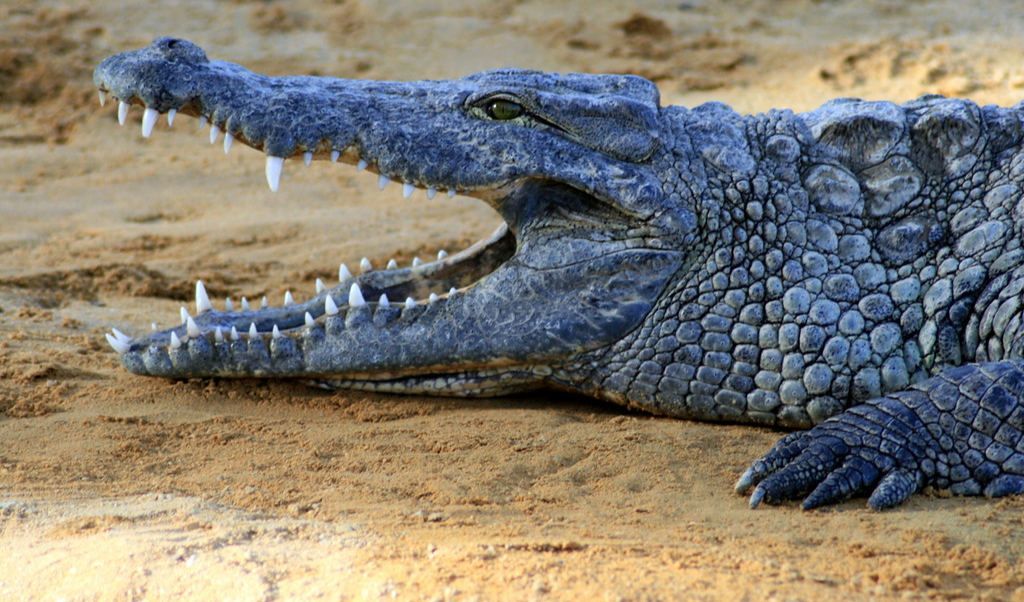
A French reptile park saw 10 Nile crocodiles hatch without incubators after record summer heat kept their nest warm - a first the director calls a climate marker. Ten Nile crocodiles have hatched with no help from keepers at a reptile park in southeastern France, the first time the species has bred there without artificial incubation. Extended summer heat left the nest warm enough for the eggs to reach term on their own. The young reptiles emerged at La Ferme aux Crocodiles in Pierrelatte, which describes itself as Europe's largest wildlife park devoted to reptiles. Visitors noticed the 10 animals breaking out of their shells on Saturday and called over park staff. The facility usually depends on managed incubation to raise crocodile eggs. Samuel Martin, who directs the reserve, spoke to AFP on Wednesday, according to France 24. "For the first time, we had an incubation that took place entirely under natural conditions," he said. He described the event as an "unprecedented natural process" and, above all, "a marker of climate change." What began as a moment of delight for guests and the veterinary team soon turned into unease about the weather that had allowed it to happen. Why natural hatching is rare in captivity Wild Nile crocodiles bury their eggs in underground nests where they warm and develop. Parks and zoos instead place the eggs in incubators that hold steady temperature and humidity. For an embryo to form and hatch, a Nile crocodile egg needs to sit at 30°C to 32°C for roughly three months. At Pierrelatte, the sand surrounding the clutch soaked up warmth through each day and held it, keeping the nest at incubation range without any equipment. A summer of record heat France has been through three heatwaves this summer and a record 52 days of extreme temperatures, conditions made harsher by climate change. That sustained warmth suited the subtropical crocodile, giving it the setting to reproduce naturally far from its native range. All 10 hatchlings are healthy. They will stay under watch in the park's nursery before going on display to the public. The same heat that helped the crocodiles has raised worries about animals suited to cooler climates. Martin said creatures from "very hot countries are feeling comfortable," while "species from more temperate environments may have suffered more." The split effect means the weather that let a subtropical reptile thrive may have strained animals built for milder surroundings. Nile crocodile hatching, La Ferme aux Crocodiles, Pierrelatte France, France heatwave 2025, climate change wildlife, natural incubation crocodile, Samuel Martin, reptile park France

2026 Bajaj Pulsar NS200, N250 Spied With TFT Screens, WP Forks

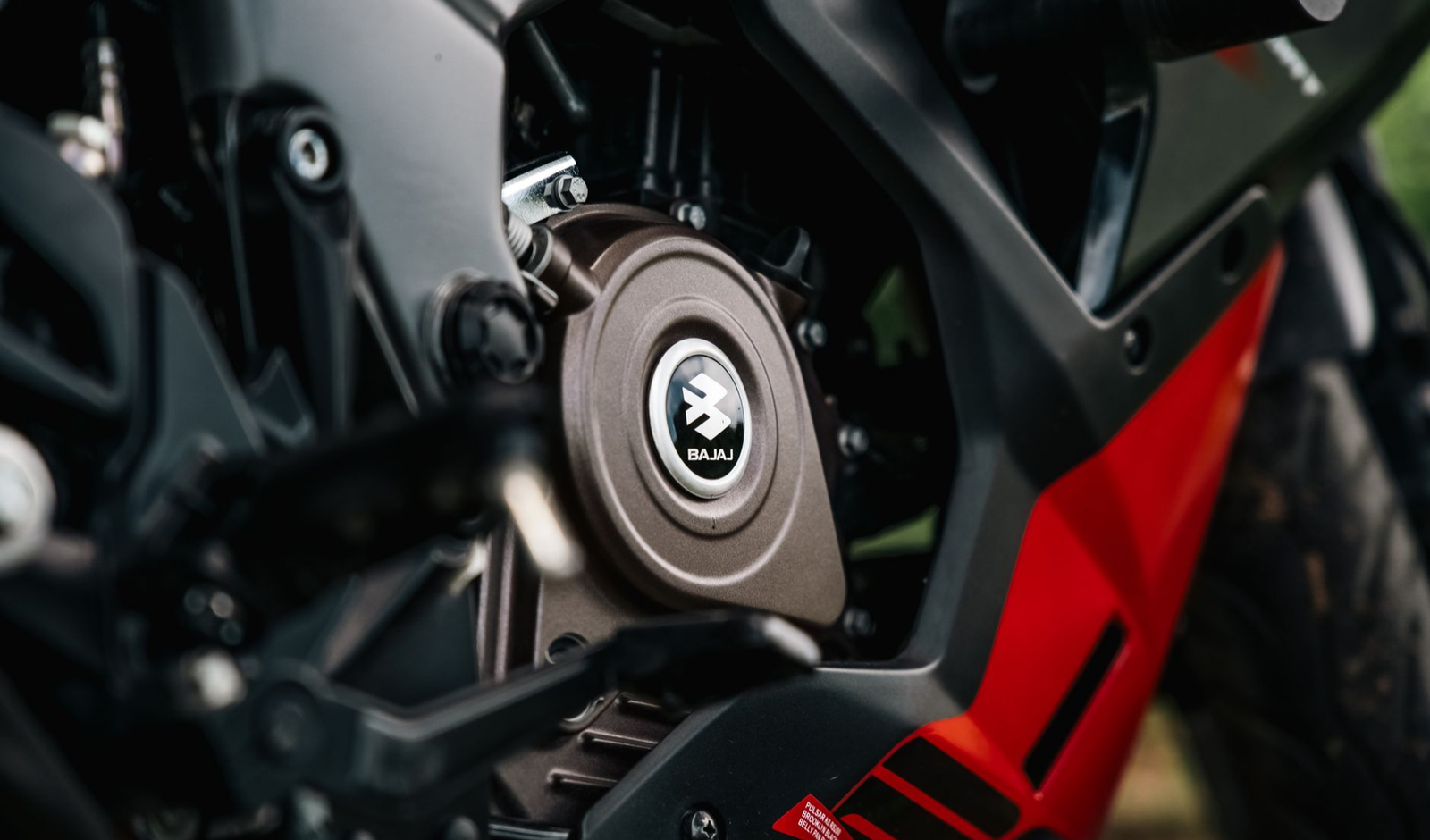
The updated 2026 Bajaj Pulsar NS200 and N250 were spied testing with new 5-inch TFT clusters and WP Apex USD forks on the NS200. Bajaj Auto is preparing updated versions of the Pulsar NS200 and Pulsar N250, and both motorcycles have been spotted testing together in recent spy shots. The 2026 models pick up new TFT instrument clusters and, in the case of the NS200, WP Apex upside-down front forks. The two bikes are the latest to move through Bajaj's ongoing refresh of the Pulsar range. The company has already rolled out the updated Pulsar N160 4V and the next-generation Classic Pulsars, the Pulsar 150 and Pulsar 125. With those launches done, attention has now shifted to the NS200 and N250. The spy images show that Bajaj has left the styling of both motorcycles untouched. The bikes keep the same silhouette and design cues they have carried so far, with the changes concentrated on equipment rather than looks. The result is a more feature-heavy package sitting under a familiar shape. New 5-inch TFT and switchgear Both the NS200 and N250 were seen with revised switchgear, the same style fitted to Bajaj's other recent Pulsars. Its main purpose is to control the new TFT instrument cluster that replaces the older displays. On the right-hand cluster, the shots reveal hazard light and engine kill switches. The NS200 also gains adjustable levers. The screen itself is a 5-inch TFT unit, the same one already used on the Pulsar N160 4V and the next-generation Classic Pulsars. It brings a long feature list. The display supports document storage for the RC, driving licence and insurance, along with smartphone connectivity over Bluetooth and Wi-Fi. Riders also get music controls, third-party notifications and Google Maps mirroring. Traction control and riding modes are expected to feature on both bikes, including the NS200. The TFT screen is the interface used to switch between those modes. Depending on the variant, Bajaj may also add a lap timer to the cluster. WP Apex forks arrive on the NS200 The headline hardware change sits at the front of the NS200. The motorcycle was spied with WP Apex USD telescopic front forks, and the WP branding is clearly visible on the units. That makes the 2026 NS200 the first Bajaj and the first Pulsar to run WP Apex USD forks, in place of the current Endurance components. WP Apex suspension comes from WP Performance Systems, which sits under the KTM AG group. In India, this race-derived hardware has so far been reserved for KTM and Husqvarna machines, so its arrival on a Pulsar marks a notable move for the brand. It is not yet clear whether the updated N250 will also receive the WP Apex forks. The spy shots confirm the setup only on the NS200. Some equipment remains uncertain. It is not confirmed whether silent start and an auto engine start-stop system, driven by an integrated starter generator, will be part of the package on either bike. On the mechanical side, both motorcycles are expected to carry over their existing engines. There is, however, a slight chance that Bajaj could introduce engine upgrades on the 2026 NS200 and N250. For now, the updates seen in testing point to a technology-focused overhaul aimed at making the two Pulsars more modern without changing what they already are. Bajaj Pulsar NS200, Bajaj Pulsar N250, 2026 Pulsar update, WP Apex forks, Pulsar TFT screen, Bajaj Auto, Pulsar spy shots, WP Performance Systems

Kia Offers 15-Year Battery Warranty on Carens Clavis EV

Kia India now gives first owners of the Carens Clavis EV a 15-year, unlimited-km high-voltage battery warranty on cars retailed from August 1, 2026. Kia India has added a Lifetime High Voltage Battery Warranty to the Carens Clavis EV, covering the vehicle's high-voltage battery for 15 years with no limit on kilometres driven. The extended cover applies to cars retailed from August 1, 2026 onwards. The high-voltage battery is among the costliest parts of an electric vehicle, and the new terms remove the distance cap on its coverage for the first 15 years of ownership. Kia is positioning the move as a response to a common worry for EV buyers: how the battery will hold up over years of use. First Owner Gets Full Cover, Second Owner Does Not The 15-year, unlimited-kilometre warranty is tied to the first private owner only. Once the car changes hands, that cover does not carry over. The second owner instead receives battery coverage of 8 years or 1.60 lakh km, whichever comes first. Commercial use is also carved out. Taxis, fleet cars and other commercial vehicles do not qualify for the lifetime programme and stay on the standard 8-year or 1.60 lakh km battery warranty. Existing Owners Can Upgrade for Rs 3,400 Kia has opened the programme to buyers who took delivery of a Carens Clavis EV before August 1, 2026. Rather than staying on the original 8-year or 1.60 lakh km terms, eligible owners can move up to the 15-year, unlimited-kilometre cover by paying an administrative fee of Rs 3,400, inclusive of taxes. The upgrade is optional. It is subject to Kia's terms and conditions and requires the car to pass an evaluation at a dealership before the extended warranty is granted. Pricing and Battery Options The Carens Clavis EV is sold with two battery choices, 42 kWh and 51.4 kWh, and prices start at Rs 18.04 lakh ex-showroom. The HTK Plus opens the range at Rs 18.04 lakh, while the HTX E starts at Rs 20 lakh. The HTX is priced from Rs 20.54 lakh, the HTX E ER from Rs 22.04 lakh and the HTX ER from Rs 22.54 lakh. Some trims can be had with more than one battery configuration. The warranty sits alongside Kia's other EV ownership schemes, including Battery-as-a-Service (BaaS), under which battery ownership is handled separately from the car. The company also runs its K-Charge network, which it says provides access to more than 20,300 charging points supplied by 23 charge-point operators. On the service side, Kia says more than 129 of its dealerships are fitted with high-capacity DC fast chargers, and over 275 of its workshops are equipped to handle EVs. Atul Sood, Senior Vice President, Sales & Marketing at Kia India, said the warranty reflects the company's confidence in its battery technology. "At Kia, our focus has always been on making electric mobility more accessible, dependable and rewarding for our customers," he said. "The Lifetime High Voltage Battery Warranty for the Carens Clavis EV reflects our confidence in the quality and durability of our battery technology and strengthens the long-term value of owning a Kia EV." Sood added that extending the cover to existing Clavis EV customers signals the brand's intent to support buyers over the life of the car. "By addressing one of the biggest considerations for EV buyers, we're giving our customers the confidence to embrace electric mobility with complete peace of mind," he said. Kia Carens Clavis EV, Kia battery warranty, Lifetime High Voltage Battery Warranty, Kia India EV, Carens Clavis EV price, electric car warranty India, Kia K-Charge

Hyderabad Court Orders Rs 28 Lakh Refund for Faulty Harrier EV

A Hyderabad consumer commission ordered Tata Select Motors to refund Rs 28 lakh for a defective Tata Harrier EV, sparing Tata Motors from the case. A district consumer commission in Hyderabad has ordered Tata Select Motors to refund Rs 28 lakh to a customer who bought a defective Tata Harrier EV that continued to malfunction despite repeated repairs. The bench held the dealership responsible for a deficiency in service, while Tata Motors, the manufacturer, was left out of the case. The complaint was filed by M/s Refrigeration Equipment and Solutions, a partnership firm based in Hyderabad. The firm bought a Tata Harrier EV Empowered variant with a 75 kWh battery from Tata Select Motors on 1 August 2025, paying Rs 27.98 lakh for the electric SUV. According to the owner, the vehicle began developing faults soon after delivery. The problems included difficulties starting the car and malfunctions in the smart key and central locking system. On several occasions, the SUV stopped without warning while being driven. The owner said the car was taken to the service centre multiple times, but the faults kept returning. The dealer attributed the trouble to a software glitch. Even so, the repairs failed to fix the vehicle for good. Refund and compensation demand With no lasting solution offered, the owner asked the dealership to return Rs 29,29,395, the amount tied to the purchase. The firm also sought Rs 10 lakh in compensation for the mental agony and harassment it said it had suffered. The dealer rejected the complaint. It argued that there was no deficiency in its service, adding that the first fault had been fixed and that the central locking system had been replaced under warranty. The dealership also said it was only a middleman in the transaction, and pointed out that the manufacturer had not been named in the case. What the commission found The case was heard by a bench comprising President B Uma Venkata Subba Lakshmi and members C Lakshmi Prasanna and B Raji Reddy. The commission examined the vehicle's service history and job cards during the proceedings. The records showed that the smart key fault had been addressed. But they also revealed that the same problems surfaced repeatedly, even after the vehicle went through several rounds of repair. Because the faults were never fully resolved, the commission treated the matter as a deficiency in service. In its order, the commission directed the dealer to refund the price of the vehicle after deducting 10 percent as depreciation, which works out to about Rs 28 lakh. It rejected the Rs 10 lakh compensation claim as excessive and cut it to Rs 50,000. The dealer was also asked to pay Rs 15,000 towards litigation costs. The refund must be paid to the owner within 45 days. If the dealer misses that deadline, the ordered amount will attract interest of 9 percent a year. The ruling can still be contested. It is not yet clear whether the dealer will settle the matter or take it to a higher court on appeal. Tata Harrier EV, consumer court, Hyderabad, car refund, Tata Select Motors, EV defect, consumer commission, deficiency in service

India Defends Chess Olympiad Double Crown in Samarkand

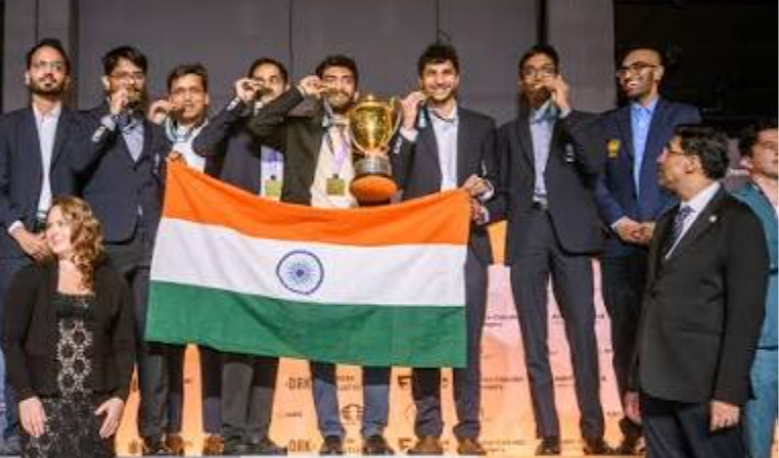
India begins its title defence at the 46th Chess Olympiad in Samarkand, fielding Praggnanandhaa, Gukesh and Humpy across the Open and Women's squads. India has begun its bid to retain both the Open and Women's crowns at the 46th FIDE Chess Olympiad, which is running in Samarkand, Uzbekistan, from September 15 to 27. The opening ceremony has taken place, and play started with the first round on September 16 at the Silk Road International Exhibition Centre. The teams arrive as double champions. Two years ago in Budapest, India won gold in both the Open and Women's sections for the first time, and around 200 national teams are now chasing those titles across the two competitions. R Praggnanandhaa heads the Open squad on Board 1 with a rating of 2761. He is joined by Arjun Erigaisi (2759), Nihal Sarin (2718), reigning world champion D Gukesh (2703) and Vidit Gujrathi (2697), with Srinath Narayanan serving as captain. India are seeded second in the section. One selection has drawn most of the attention. Gukesh, who occupied the top board at India's last two Olympiads, has been slotted in at Board 4. Placing the world champion lower down leaves Praggnanandhaa to shoulder the toughest first-board matchups while giving the side strength in depth further along the order. The women's team lines up as the top seeds. Koneru Humpy, Divya Deshmukh, R Vaishali, Vantika Agrawal and Savitha Shri make up the five-player squad, captained by Swayams Mishra. Format and match points The Olympiad is a team competition contested over 11 rounds under the Swiss system. Each side names five players, but only four take the board in any given round, leaving the fifth in reserve. That makes every match a set of four separate games. Points are awarded by result rather than by individual games. A team collects two match points for a victory, one for a drawn match and none for a loss. Whichever team holds the most match points after all 11 rounds is crowned champion. The schedule splits the event in two. Rounds one through six run from September 16 to 21, after which the players get a rest day on September 22. The remaining rounds, seven to 11, take place from September 23 to 27, and the closing ceremony follows on the final day. Start times are fixed at 3pm local time for most rounds, which translates to 3.30pm IST. The closing round moves earlier, beginning at 11am local time, or 11.30am IST. How the draw works Because the tournament uses the Swiss system, opponents are not fixed in advance. The first-round pairings follow the pre-event team rankings, and after that each team's next opponent depends on how it has been performing. Sides sitting on similar scores are matched against one another, so India's assignments will grow harder the longer it keeps winning. A further rule prevents any two teams from facing each other more than once during the event. Rivals and home advantage In the Open section, India's main threats are expected to come from hosts Uzbekistan, the United States and China. The Uzbek team, spearheaded by Javokhir Sindarov and Nodirbek Abdusattorov, will also benefit from playing on home soil. The women's title is likely to be contested by a slightly different group. Georgia, Kazakhstan, China and the United States stand out among the challengers to India's top-seeded side. For both Indian squads, the goal is clear. No country has managed to defend the Olympiad double before, and repeating the Budapest sweep on Uzbek soil would take India into new territory. Chess Olympiad 2026, Samarkand chess, India chess team, Praggnanandhaa, D Gukesh, Koneru Humpy, FIDE Olympiad, Divya Deshmukh

ITAT Jaipur Scraps Rs 8.29 Lakh Tax Penalty for NRI Worker

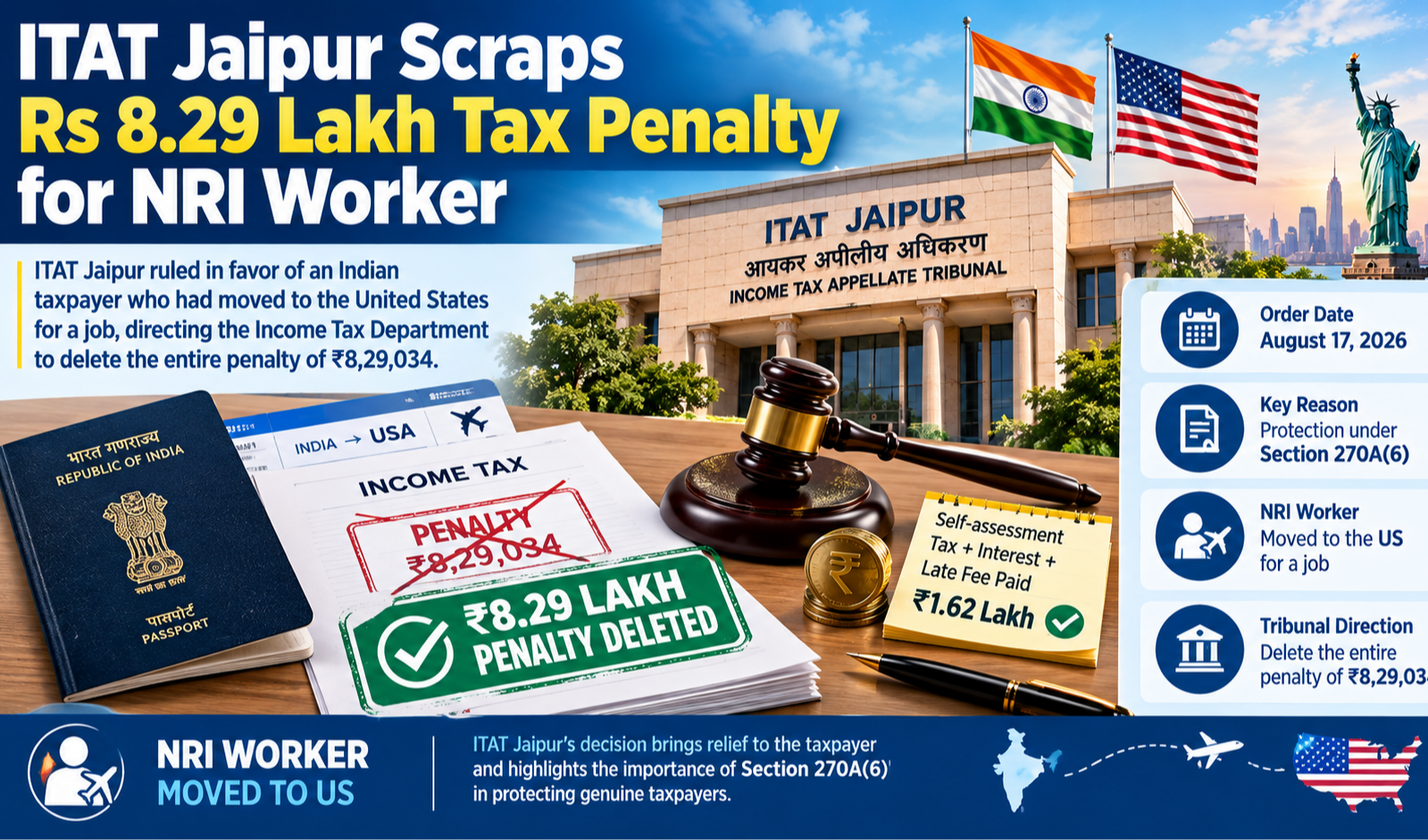
ITAT Jaipur cancelled a Rs 8.29 lakh penalty on a professional who missed his ITR after moving to the US in 2018, citing a bona fide explanation. The Income Tax Appellate Tribunal (ITAT) at Jaipur has cancelled a penalty of Rs 8,29,034 slapped on a salaried professional who failed to file his tax return for the year he relocated to the United States for work. On August 17, 2026, the tribunal handed him complete relief, ruling that his failure to file was a genuine lapse and not an attempt to dodge tax. The taxpayer, Saxena, had accepted an onsite posting with a multinational firm and shifted to the US in August 2018. Caught up in the move, a new country and an unfamiliar workplace, he did not file his income tax return in India. By the time he noticed the omission, the window for filing a belated return had also closed. Despite this, on August 23, 2019, he paid self-assessment tax of roughly Rs 1.62 lakh on his own, along with the applicable interest and late fee. No reassessment had been opened against him at that point. He assumed the payment settled the matter. It did not. The Income Tax Department later reopened his case after finding he had drawn a salary of about Rs 26.06 lakh during the year without filing any return. A notice was issued under Section 148, and in response Saxena filed a return declaring total income of Rs 20.49 lakh. Penalty for 'misreporting' The Assessing Officer (AO) accepted that return and made no change to the income figure Saxena declared during the reassessment. Even so, the officer launched penalty proceedings under Section 270A, treating the income disclosed for the first time in the Section 148 return as under-reported. The AO then escalated the charge, labelling it a case of misreporting under Section 270A(9)(a) on the ground that facts had been misrepresented or suppressed. The Commissioner of Income Tax (Appeals) later backed the penalty. Saxena's position throughout was that he never set out to evade tax. He argued that he had simply overlooked the deadline while managing his relocation and settling into his job abroad, and pointed to the fact that he had cleared the tax, interest and late fee voluntarily, well before any reassessment began. The authorities were not swayed, and the penalty stood until he took the fight to the ITAT. Chartered Accountant Jitendra Agarwal appeared for Saxena before the Jaipur bench. The matter was decided by the tribunal's SMC bench, made up of Accountant Member Annapurna Gupta and Judicial Member Kuldip Singh. Why the tribunal sided with the taxpayer Chartered Accountant Suresh Surana said that, on a strict reading, Section 270A(2)(b) does allow income to be treated as under-reported when a taxpayer files no original return and reveals the income only in a return prompted by a Section 148 notice. But the tribunal weighed that against the carve-out in Section 270A(6)(a). According to Surana, that clause keeps an amount out of the under-reported category when the taxpayer offers a genuine explanation and lays out all the material facts needed to back it up. The bench found Saxena's account of why he missed the original filing believable. His track record helped his case, since he had filed returns regularly in earlier years, and the single slip coincided with his departure for the US. Surana also stressed what Saxena did once he realised his error. Rather than sit back and wait for the department to move, he paid the tax, interest and late fee on his own. "The first reopening action came only in March 2022, almost three years after his voluntary payment," Surana noted. That gap, a clean compliance history and the AO's acceptance of the declared income without any change all pointed to an honest oversight rather than tax avoidance. On these grounds, the ITAT held that Saxena qualified for the shield under Section 270A(6) and directed that the full penalty of Rs 8,29,034 be struck down. The bench also excused a 49-day delay in filing the appeal, accepting that it stemmed from a genuine jurisdictional mix-up on the income tax portal between Kanpur and Jaipur, which the taxpayer had tried to sort out. Surana said the ruling shows that Section 270A cannot be triggered merely because income technically fits the definition of under-reporting; the exclusion in Section 270A(6) must be examined too. Where a taxpayer gives a genuine, well-supported reason for the default, that protection can apply. ITAT Jaipur, Section 270A, income tax penalty, belated ITR, Section 148 notice, under-reported income, self-assessment tax, NRI taxpayer

Bank Merger Trends in India Amid SBI, PNB Claims

A question over whether the Centre ordered merging nine public sector banks, including SBI, PNB and Bank of Baroda, is trending across India. A question over whether India's central government has ordered the merger of nine public sector banks is drawing sharp interest online, with the search term "bank merger" climbing on Google Trends in India and drawing more than 500 searches. The query centres on some of the country's largest state-owned lenders. State Bank of India (SBI), Punjab National Bank (PNB) and Bank of Baroda are among the names tied to the circulating claim that the Centre has directed a consolidation of nine public sector banks. At this stage the report is framed as a question rather than a confirmed decision. The claim asks whether such an order has been issued, and it is spreading as an unverified query rather than an announced government move. No confirmed details of the terms, timing or structure of any such merger are available. The surge in searches points to strong public attention on the future of India's public sector banking network, where SBI, PNB and Bank of Baroda rank among the biggest lenders serving millions of customers and account holders across the country. Any change to their ownership or structure would be closely watched by depositors and borrowers alike. Until the government or the banks named confirm the position, the status of a merger involving the nine lenders remains open. Customers and observers tracking the claim are advised to rely on official statements from the institutions concerned for any verified information on whether a consolidation is planned. bank merger, public sector banks, SBI, PNB, Bank of Baroda, India banking, Google Trends India

Academic Warns Chinese Microdrama Distorts History

An academic says a Chinese-made microdrama misrepresents history, raising concern over how short-form video reshapes historical narratives for viewers. An academic has warned that a Chinese-produced microdrama distorts history, cautioning viewers against taking its account of the past at face value. The criticism centres on the microdrama format - short, serialised videos designed for viewing on smartphones - and how the genre's fast-paced, dramatised storytelling can reshape audiences' understanding of historical events. According to the academic, the production presents a version of history that departs from the record. Microdramas have grown rapidly as a form of mobile entertainment, delivering tightly edited episodes that hold viewers' attention across many short instalments. The academic's concern is that this popularity gives inaccurate historical portrayals a wide and easily accessible reach. The warning underscores a broader unease about how entertainment content can carry historical claims to large audiences without the context or scrutiny that accompanies formal accounts. By framing the microdrama as a distortion rather than a dramatisation, the academic is urging viewers to treat its depiction of the past with caution. No further details on the specific production, the historical period it covers, or the academic's institutional affiliation were provided. The remarks add to ongoing discussion over the accuracy of historical material distributed through popular short-video platforms and the responsibility of creators to distinguish dramatisation from fact. Chinese microdrama, historical distortion, Taiwan, short drama, academic warning, media literacy, cross-strait, propaganda

Two Sailors Missing After Tanker Attack in Strait of Hormuz

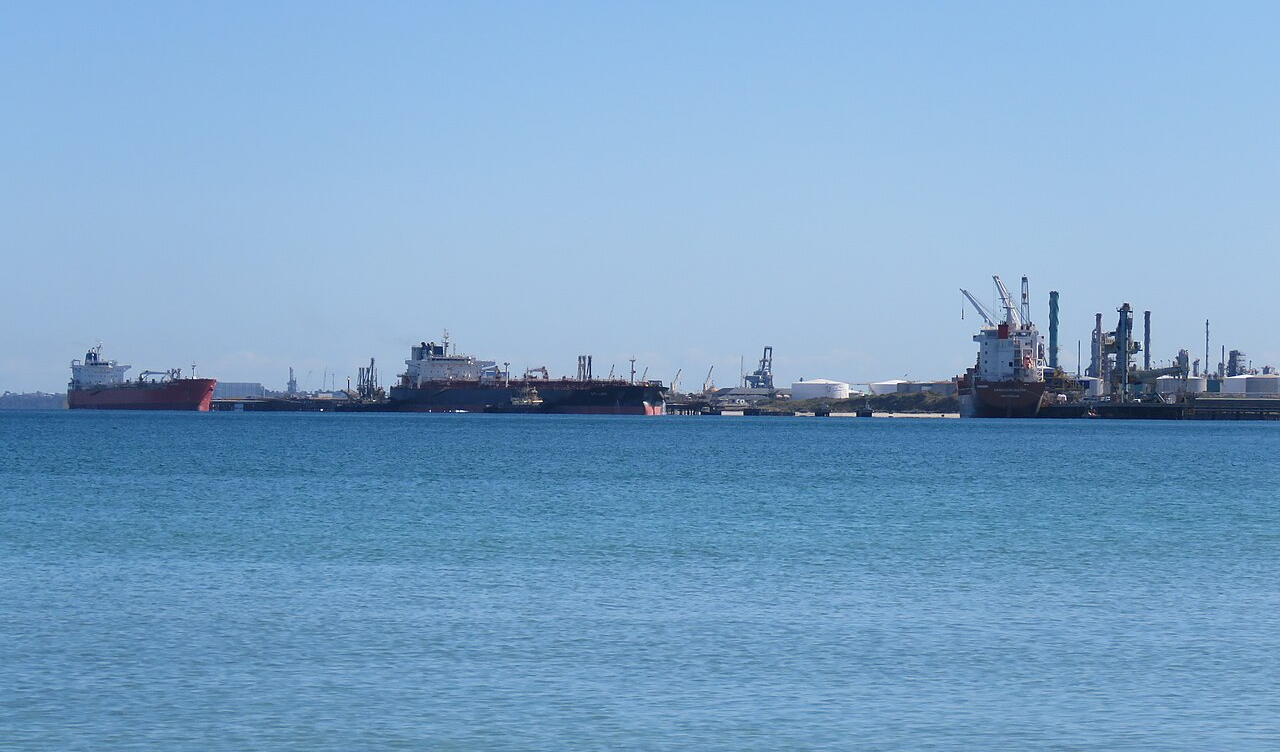
Oman says two crew are missing and 23 rescued from the tanker El Gaia. Iran blames mines; the US says a missile and drone struck the vessel. Two crew members are missing and 23 have been pulled to safety after an oil tanker was attacked in the Strait of Hormuz, according to Oman. The Panama-flagged vessel, El Gaia, was under tow toward an Omani port on Tuesday after fire tore through its engine room, Oman's Maritime Security Centre said. The centre reported that the ship was hit 1.3 nautical miles (2.4km) north of the Musandam peninsula. Accounts of what caused the blaze diverge sharply. On Monday, Iran's Revolutionary Guards said the tanker had struck naval mines and caught fire while crossing what they called an off-limits and dangerous stretch of water. The US military rejected that version. It said El Gaia had been hit by an Iranian missile last month and then by a drone over the weekend, and dismissed the Iranian account as untrue. The UK Maritime Trade Operations centre added another detail, saying it had been told a fire broke out aboard a vessel that was hit by an unidentified projectile as it moved through the strait in the early hours of Sunday. The episode closely mirrors an incident earlier this month. Iran made a comparable claim about the Sidr, a Saudi-owned supertanker on which two Filipino sailors died. The Revolutionary Guards again pointed to a naval mine as the cause of the fire. Saudi authorities said Iran had deliberately targeted the ship, and maritime security companies reported that it was struck by projectiles north of Musandam, the same area cited in the latest attack. The toll on merchant crews has been climbing. The International Maritime Organization says at least 22 seafarers have died across 79 verified incidents in the Strait of Hormuz and the wider Middle East since fighting between Iran and the US and Israel began at the end of February. Fishing boats and a stolen sea drone Separate incidents were reported across the waterway on Tuesday. Iran's semi-official Fars news agency, which has ties to the Revolutionary Guards, said "enemy drones" struck two fishing boats overnight close to the Iranian port of Kargan, roughly 80km (50 miles) north-east of Musandam. Fars quoted the deputy governor of Hormozgan province as saying several fishermen were unaccounted for and that a search-and-rescue effort had begun. Hours later, a spokesman for the US military's Central Command told the news site Axios that American forces had sunk two boats attempting to seize a sea drone. "Iranian small boats recently attempted to take possession of a US unmanned surface vessel, but they were unsuccessful after Centcom forcefully responded," Capt Tim Hawkins said. A waterway all but shut The Strait of Hormuz normally carries about a fifth of the world's shipped oil and gas. It has now effectively ground to a halt, choked off by Iranian missile and drone strikes on commercial ships and by a US naval blockade of Iranian ports. A brief attempt to defuse the crisis fell apart. In June, Washington and Tehran struck a preliminary deal to wind down the war and reopen the channel, but it unravelled within weeks once Iranian strikes on shipping started again and the US brought its blockade back into force. Iran has said it will not surrender all control of the strait. It has focused its attacks on ships taking a southern path through Omani waters, a route that steers clear of the Iranian side of the waterway that Tehran prefers vessels to use. Strait of Hormuz, El Gaia tanker, Oman Maritime Security Centre, Iran Revolutionary Guards, Musandam peninsula, oil shipping attacks, US Centcom, Iran US war

Israeli Minister Seeks to Strip Citizenship Over Gaza Film

Culture Minister Miki Zohar has demanded the Oscar-winning directors of 'Naza' lose Israeli citizenship, calling the Gaza documentary treasonous. Israel's culture minister has demanded that two Oscar-winning Israeli directors be stripped of their citizenship over a new documentary that alleges the Israeli army deliberately killed large numbers of civilians in Gaza. Miki Zohar accused the co-directors of "treason against the state" in remarks published on 14 September 2026. The film, titled *Naza*, was made by Yuval Abraham and Rachel Szor. Its name comes from a Hebrew military acronym for collateral damage. Running 80 minutes, the documentary is built around interviews with 24 unnamed Israeli military and intelligence officers, who describe artificial-intelligence targeting systems the army used to strike Gaza during the war that began with the Hamas-led assault on 7 October 2023. According to the film's official synopsis, it lays out "the systems behind Israel's calculated mass killing of Palestinian civilians in Gaza." One officer interviewed on camera says commanders once cleared a strike expected to kill 500 people in order to hit "one human target." The Israel Defense Forces (IDF) called that account "completely false." In the offensive that followed the October 2023 attack, more than 73,000 Palestinians have been killed, among them over 20,000 children, according to Gaza's Hamas-run health ministry. The United Nations regards those numbers as reliable. During the initial Hamas assault, roughly 1,200 people were killed and 251 were seized as hostages. Zohar set out his objections in a message on X and in a formal letter to Israel's Interior Ministry. He asked state authorities to examine how the filmmakers acquired their material, who stood behind the project, and whether obtaining or releasing it involved conduct that could count as helping an enemy in wartime. In the letter he wrote that the film's claims were untrue and twisted, and he rejected any suggestion that Israeli soldiers or the state had committed deliberate crimes. The minister pointed to Israel's Citizenship Law, which he said permits revoking citizenship for a "breach of allegiance to the State of Israel." That power has almost never been used. Abraham and Szor did not immediately respond to his call. From an Oscar to Venice The two directors are not new to controversy or to acclaim. Last year they won an Academy Award for *No Other Land*, which documented attacks by Jewish settlers on Palestinians in the occupied West Bank. *Naza* had its premiere the previous Thursday at the Venice Film Festival, where it drew a standing ovation lasting 25 minutes and took a special jury prize. The film has not yet been released to general audiences. It was produced with Britain's *Guardian* newspaper. Speaking in Venice, Abraham defended the work as carefully reported and dismissed efforts to undermine it as a refusal to confront what happened. "It's a war that has principally been killing civilians," he told the Associated Press. He said the film shows the pattern was "not some mistake" and "not an accident," but "something very, very systemic," adding that the picture is drawn "from the inside, with insider testimony." The army's response The IDF first said it flatly rejected the film's allegations. It later put out a further statement through its spokesperson, Brig-Gen Effie Defrin, who noted that *Naza* has not yet been shown in full. Judging from the promotional footage available so far, he said, the film presents a set of grave claims. The army's fuller response was still unfolding as the dispute drew wider attention. The clash places two of Israel's most prominent documentary makers at the centre of a fight over how the Gaza war is recorded and remembered. Their earlier film brought international recognition; their latest work has now brought a cabinet minister's demand that they be treated as enemies of the state. For now, the standoff rests on material the public cannot yet watch. The government is targeting a film that remains largely unseen, relying on trailers and festival screenings, while the directors insist their testimony will hold up once audiences can judge it for themselves. Whether Zohar's request leads to any formal action under the Citizenship Law remains unclear, given how seldom the measure has been invoked. Naza documentary, Miki Zohar, Yuval Abraham, Rachel Szor, Israel citizenship revocation, Gaza war, Venice Film Festival, IDF targeting systems

Kia PV7 Electric Van Debut With 9 Seats, 96.2 kWh Battery

Kia has unveiled the PV7 electric van in cargo and passenger forms, with an 800V system, up to 9 seats in Europe and a 96.2 kWh battery. Kia has unveiled the PV7, a large electric van that will be sold in both passenger and cargo forms across several markets, including Korea and Europe. The vehicle expands the company's push into the light commercial vehicle segment and follows the smaller PV5, which arrived in 2025. Kia says it will roll out as many as 23 variants of the PV7 over the coming years. The PV7 is built on the E-GMP.S architecture, the same service-focused platform that underpins the PV5. This structure is designed specifically for commercial use and differs from the standard E-GMP platform used in Kia's passenger cars. The van will come in standard and long wheelbase versions, though the company has so far detailed only the long wheelbase model. Size and payload The long wheelbase PV7 measures 5,350 mm in length, 1,995 mm in width and 1,990 mm in height, with a 3,500 mm wheelbase. That makes it considerably bigger than the long wheelbase PV5, which stands at 4,670 mm long with a 3,000 mm wheelbase. Cargo capacity reflects the larger footprint. The long wheelbase Cargo version with a standard roof offers 6.1 cubic metres of load space, rising to 8.0 cubic metres in the high-roof configuration. Payload is rated at 1,200 kg for the standard version and 1,165 kg for the long wheelbase model. By comparison, the PV5 carries between 605 kg and 800 kg. Kia has not disclosed the gross vehicle weight. The Passenger variant is aimed at personnel transport, shuttle and tourist services, rental fleets and family use. In Europe it will be available with up to nine seats, while the Korean market will offer up to 11. Buyers will be able to choose from several seating layouts, some with removable seats. Charging and range Unlike the PV5, which uses a 400-volt system, the PV7 adopts an 800-volt architecture. The main advantage is faster charging, which Kia describes as critical for commercial operators. Using a 350 kW charger, the van can go from 10 percent to 80 percent in about 25 minutes. The PV7 also carries front and rear charging ports. The front port supports both DC and AC charging, while the rear port handles AC only. Kia says the twin-port layout is meant to ease charging in tight spaces where access to a single point might be difficult. At launch the van will be front-wheel drive, with an all-wheel drive version to follow. The FWD model produces 200 kW, equivalent to 272 PS, along with 420 Nm of torque. Two battery packs will be offered, a 71.5 kWh unit and a 96.2 kWh unit. Fitted with the larger battery, the Cargo version has a WLTP range of around 460 km. Technology and fleet tools Inside, the PV7 uses Kia's Pleos Connect infotainment system, which supports over-the-air updates, an open app marketplace and the Gleo AI voice assistant. The cabin includes a 12.9-inch display and a 14.6-inch unit. For commercial buyers, Kia is bundling a dedicated Business Solutions package. It adds predictive diagnostics, a fleet management system and a dashboard that draws on connected vehicle data. The wide model range is made possible by Kia's Flexible Body System, a modular body design that allows the van to be reconfigured for different jobs. The planned 23 variants include three Cargo models covering standard, long and high-roof bodies, two Passenger versions, a Chassis Cab and a range of other customised builds. The PV7 sits between the PV5 and a still-larger model, the PV9, which Kia has scheduled for launch in 2029 as the next step in building out its commercial vehicle lineup. Kia PV7, Kia electric van, PV7 battery range, E-GMP.S platform, Kia commercial vehicle, PV7 cargo van, 800 volt electric van, Kia PV5

2026 Yamaha R15 V4 Adds Quickshifter to Two More Colours

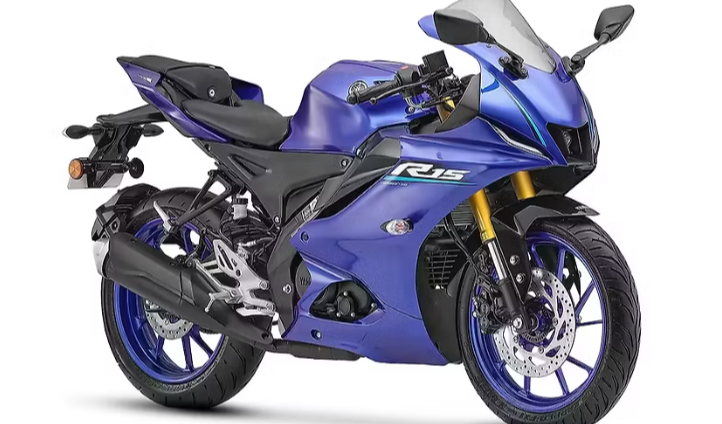
Yamaha extends the R15 V4's unidirectional quickshifter to Racing Blue and Matte Pearl White for Rs 4,650, taking the price to Rs 1,79,500 ex-showroom. Yamaha has refreshed its 2026 R15 V4 in September, widening the reach of the bike's unidirectional quickshifter. The 155cc supersport now offers the feature on two additional colours, Racing Blue and Matte Pearl White, joining the Intensity White shade that already carried it. With the quickshifter fitted, all three of these colours are priced at Rs 1,79,500 ex-showroom. The same bikes cost Rs 1,74,850 without the system, which puts the price of the shifter itself at Rs 4,650. Yamaha limits the quickshifter option to these three shades and does not fit it to any other R15 V4 colour. The feature was once reserved for the range-topping R15 M, the top model built on the R15 V4. That version carries the fuller equipment list, including LED turn signals and a TFT instrument display with expanded readouts and trip computer functions aimed at buyers who want more on-board technology. Yamaha later opened up the quickshifter to the non-M R15 V4, starting with the Intensity White colour, and has now taken it further with this update. Nothing has changed under the bodywork. The R15 keeps the same 155cc single-cylinder engine, which uses a SOHC layout with four valves per cylinder and liquid cooling, paired with a six-speed gearbox. Output stays at 18.1 bhp and 14.2 Nm, with the quickshifter available only on selected variants. The update follows Yamaha's launch of the R2 in Chennai. The company has placed the R2 above the R15, giving it a stronger power-to-weight ratio. It also arrives with a bi-directional quickshifter, along with adjustable suspension, adjustable levers and adjustable footpegs, features the R15 does not offer. Yamaha R15 V4, Yamaha R15 quickshifter, 2026 Yamaha R15, R15 V4 price, 155cc supersport, Yamaha R2, Racing Blue R15, Matte Pearl White R15

Letby Inquiry a 'Grim Read', Says Countess of Chester Doctor

Dr John Gibbs says the Thirlwall Inquiry into Lucy Letby's murders is grim reading and accepts consultants share blame for failing to alert police sooner. A senior doctor who tried to warn managers about Lucy Letby has said the final report of the Thirlwall Inquiry makes for "grim reading" and that hospital consultants share the blame for not going to police sooner. Dr John Gibbs, a consultant paediatrician at the Countess of Chester Hospital, gave his reaction to the BBC in Liverpool. Gibbs worked on the neonatal unit throughout 2015 and 2016, the period when Letby murdered seven babies and tried to murder seven more. The 822-page report, written by Lady Justice Thirlwall and published on Tuesday, described "a complete failure to protect babies" on the unit and said police should have been told earlier than they were. The inquiry was set up after Letby, a former nurse, was convicted in 2023. Its findings state that hospital managers repeatedly brushed aside the concerns raised by doctors, and that executives had several chances to act while babies were still dying. Gibbs told the BBC he accepted a "collective" responsibility for some of the failings. "I wish we consultants had been brave enough to follow our suspicions and escalate things to the police earlier," he said. He added that he counted himself among those at fault: if his colleagues did not contact police, then he should have done so himself. The consultant, who joined the Chester hospital in 1994 and has since retired, said reading the document was never going to be easy. "I'd imagine it's an extremely difficult read for the parents of the babies concerned," he said. Recalling his own evidence to the inquiry, he repeated that the team had failed the babies and offered an apology to the bereaved families. Gibbs agreed with the report's conclusion that hospital bosses missed multiple opportunities that might have saved lives. He described the atmosphere in the 11 months after Letby was taken off the unit but before police were called as tense and highly stressful. During that time, he said, managers "were determined to ensure that we accepted Lucy Letby had been wrongly suspected of doing any harm." He also pointed to a specific clinical failure. In August 2015, blood test results indicated that a baby had been poisoned with insulin, but a doctor set them aside. Gibbs said one colleague missed the significance of the lab findings, yet he framed it as a shared error. Other doctors, including himself, covered the unit in the following weeks and had the chance to read the same notes before the baby was moved elsewhere. Letby is serving 15 whole-life terms for the murders and attempted murders. She has twice been refused permission to appeal against her convictions. The Criminal Cases Review Commission, the independent body that investigates possible miscarriages of justice, is currently examining her case. Since her conviction, the case has drawn public questions, including online conspiracy theories as well as challenges from academics and medical experts. Gibbs said he hoped the inquiry's recommendations would help stop similar deaths from happening again. Thirlwall Inquiry, Lucy Letby, Countess of Chester Hospital, Dr John Gibbs, neonatal unit deaths, Lady Justice Thirlwall, NHS baby murders, hospital managers failings