

Language Settings
Select Website Language

GDPR Compliance

We use cookies to ensure you get the best experience on our website. By continuing to use our site, you accept our use of cookies, Privacy Policy, and Terms of Service.

Filters

Channels
Topics
Other Filters

Kerala Landslide Derails Bilaspur–Tirunelveli Express Locomotive

A landslide near Parassala derailed the Bilaspur–Tirunelveli Express locomotive. Railway officials said all passengers were safe. Landslide Derails Bilaspur–Tirunelveli Express Locomotive in Kerala By News National Editorial Team A landslide near Parassala railway station in Kerala's Thiruvananthapuram district derailed the locomotive of the Bilaspur–Tirunelveli Express early Thursday, disrupting train services in the area. The incident occurred at approximately 2:19 a.m. on October 22 after the train was stopped near Parassala following the landslide, according to railway officials. Southern Railway said all passengers and railway staff were safe. A relief locomotive was arranged to move the train, while an accident relief train and personnel were deployed to support restoration work. Three trains were held en route because of the disruption. The incident occurred amid heavy rain in southern Kerala, where weather alerts had been issued. Railway authorities worked to restore services on the affected Neyyattinkara–Parassala section. Passengers travelling through the area were advised to check the latest railway updates for changes to train schedules. Source: ThePrint — PTI report,image : beatrootnews

India–EU Trade Deal May Take Effect in Early 2027

India's proposed free-trade agreement with the EU could become operational within months of signing, Commerce Minister Piyush Goyal says. By News National Editorial Team India's proposed free-trade agreement with the European Union could become operational within four to five months after signing, Union Commerce and Industry Minister Piyush Goyal said on Thursday. According to Reuters, India expects the agreement to be signed before the end of 2026. Goyal made the remarks during his visit to Germany, where he is holding trade and investment discussions. The proposed agreement aims to expand trade and investment between India and the EU's 27 member countries. It could improve market access for businesses and create opportunities for exporters across several sectors. The final impact will depend on the agreement's terms, including tariff reductions, market-access provisions and implementation arrangements. The deal has not yet entered into force. Source: Reuters

Canada–Europe Undersea Cable $620 Million Leif Erikson Project

Canada's proposed Leif Erikson cable could connect Norway to Labrador and Montreal, offering another route to Europe. Funding and approvals remain pending. Canada–Europe Undersea Cable: $620 Million Project Could Bypass US Routes By News National Editorial Team Canada could gain an alternative digital connection to Europe through a proposed transatlantic fibre-optic cable project designed to reduce reliance on routes passing through the United States. Norwegian infrastructure company Bulk Infrastructure is seeking Canadian investment and a majority Canadian owner for its proposed Leif Erikson cable project, which is estimated to cost more than US$620 million. The proposal would connect Norway with Labrador through an undersea cable and extend the network overland towards Montreal, creating another potential route for international data traffic between Canada and Europe. The project reflects growing interest in digital infrastructure that gives countries and businesses greater choice over how international data travels. However, the cable remains a proposal rather than an operational connection, and its progress depends on financing, commercial agreements and regulatory approvals. What Is the Leif Erikson Cable Project? The Leif Erikson project is a proposed transatlantic telecommunications link intended to connect European networks with Canada's digital infrastructure without relying on a route through the United States for the planned connection. According to project descriptions, the undersea cable would run from Norway across the Atlantic Ocean to the Happy Valley–Goose Bay area of Labrador, in Canada's province of Newfoundland and Labrador. A terrestrial fibre-optic route would then carry the connection through Quebec towards Montreal. The planned system would combine subsea infrastructure with a land-based network, potentially providing telecommunications companies, data centres and other large users with an additional international connection. Unlike conventional internet cables that connect multiple countries and network hubs, the significance of this proposal lies in the specific route it seeks to establish between northern Europe and eastern Canada. Why Does Canada Want an Alternative Route to Europe? International internet traffic moves through interconnected fibre-optic networks, including submarine cables that carry enormous volumes of data between continents. These systems support cloud computing, online banking, business communications, digital services and many other essential activities. Canada already has international connectivity, including routes linking it with the United States and Europe. The proposed Leif Erikson cable would add another potential option rather than replace existing infrastructure. An additional route could help diversify Canada's international connectivity and reduce dependence on particular network corridors. It could also offer telecommunications providers more choices when planning data traffic and managing network resilience. However, an alternative cable would not automatically eliminate all dependence on US-based networks. The actual route taken by data would depend on how telecommunications providers configure their networks, the services purchased and the locations of connected infrastructure. How Could the Project Support AI and Data Centres? Demand for international data capacity is increasing as businesses expand their use of cloud computing, artificial intelligence (AI), digital platforms and data-intensive applications. AI systems and cloud services depend on reliable connections between data centres, computing facilities and customers. International fibre-optic links form part of the infrastructure supporting those connections. A direct Canada–Europe cable could provide additional capacity and routing options if it attracts sufficient commercial demand. It may also be relevant to companies seeking greater diversity in their international network connections. Nevertheless, the project’s actual performance, capacity, latency and commercial pricing will depend on its final technical design and operating arrangements. These details should not be assumed to be confirmed while the project remains in development. A Project Estimated to Cost More Than US$620 Million Building a transatlantic cable requires substantial investment in marine surveys, cable manufacturing, installation vessels, landing facilities and terrestrial fibre connections. Long-term maintenance and network operations also add to the cost. Bulk Infrastructure is seeking Canadian participation, including a majority Canadian owner, to help advance the proposed project. Securing a Canadian investment partner could support financing and help establish commercial relationships with telecommunications operators and other potential customers. However, the project also needs sufficient demand to justify the investment. The estimated cost exceeds US$620 million, but the proposal's financial structure, final funding commitments and construction timetable must be confirmed through official project announcements. Funding, Approvals and Customers Remain Key Challenges Several important steps remain before the Leif Erikson project could become operational. First, the developers must secure the necessary capital and establish a workable ownership structure. They must also attract customers willing to purchase capacity or otherwise support the network commercially. Second, the project will require relevant regulatory and environmental approvals, including those associated with the marine route, cable landing locations and terrestrial infrastructure. Depending on the final design, consultations with affected communities and other stakeholders may also be required. Third, the developers must complete technical planning and establish a construction and maintenance strategy. Submarine cable projects can face challenges related to ocean conditions, installation logistics, repair costs and coordination across jurisdictions. Until these requirements are addressed, the proposed cable should not be described as fully funded, approved or under construction. What Would the Cable Mean for Canada and Europe? If completed, the Leif Erikson system could give Canada an additional route to European digital networks and increase the diversity of its international connectivity options. For telecommunications providers, additional infrastructure can create more flexibility in network planning. For businesses and data-centre operators, a new route could offer another option for connecting facilities across the Atlantic. The wider significance lies in the growing strategic importance of digital infrastructure. Submarine cables are essential to the global economy, carrying international data that supports commerce, research, communications and digital public services. However, the benefits of the proposed connection would depend on its final design, available capacity, commercial adoption and integration with existing networks. Bulk Infrastructure's Leif Erikson project proposes a new transatlantic fibre-optic route linking Norway with Labrador and extending towards Montreal. With an estimated cost exceeding US$620 million, the plan aims to offer Canada another option for connecting with Europe without routing the planned connection through the United States. The proposal highlights growing interest in resilient and diversified digital infrastructure. Its next major milestones will be securing Canadian investment, obtaining the required approvals and attracting customers. For now, the project remains a proposed connection—not a completed cable or a confirmed federal investment. Sources for editorial verification: Bulk Infrastructure's official fibre-network information and published reporting on the Leif Erikson proposal. Editorial disclaimer: Project details and estimated costs are based on publicly reported proposals. News National has not independently verified that all financing, approvals or construction arrangements have been secured. image: A 4,200km undersea cable promises to deliver vast amounts of clean energy to Singapore. (Image: Sun Cable via Nanyang Technological University)

The Engineer Behind QR Codes and Why the Technology Is Free to Use

Discover how Masahiro Hara and Denso developed QR Codes in 1994 and how an open-use policy helped the technology spread worldwide. The Engineer Behind QR Codes Helped Make the Technology Free to Use By News National Editorial Team A small black-and-white square has transformed the way people share information, make payments, access websites and verify tickets. Known as the Quick Response (QR) Code, this technology is now part of everyday life around the world. Behind its development was Japanese engineer Masahiro Hara, who led a team at Denso that created the QR Code in 1994. https://www.qrcode.com/en/history/ What makes the QR Code story particularly significant is not just the invention itself, but the decision that helped it spread: Denso Wave made the specifications publicly available and chose not to exercise its core patent rights against QR Codes that follow the standard. This allowed the technology to be used without the usual patent-licensing barriers. https://www.jpo.go.jp/e/news/koho/innovation/01_qrcode_e.html Why Was the QR Code Invented? In the early 1990s, manufacturers needed a faster and more effective way to track automotive components. Traditional one-dimensional barcodes were useful, but their limited data capacity made them less suitable for increasingly complex production and inventory systems. Denso's development team set out to create a code that could store more information, fit into a compact space and be scanned quickly. The new system also needed to support Japanese characters, including Kanji, and remain readable when part of the printed pattern was dirty or damaged. The result was the QR Code, announced in 1994. Its name refers to “Quick Response,” reflecting the emphasis on rapid scanning. Unlike conventional barcodes, which encode information in lines, a QR Code uses a two-dimensional arrangement of dark and light squares to store data. How the Technology Became Freely Usable Denso Wave's approach to intellectual property played a major role in the QR Code's expansion. The company did not simply give away ownership of the invention. It retained patent rights while making the specifications publicly available and adopting a policy of not exercising its core patent rights against standardized QR Codes. This distinction is important: the technology could be used freely under that policy, even though the company continued to hold intellectual property rights. https://www.qrcode.com/en/history/ By reducing licensing concerns, the company made it easier for businesses, software developers and equipment manufacturers to incorporate QR Codes into their products and services. This open approach encouraged innovation beyond the original automotive industry. International Standardization Expanded Its Reach QR Code adoption grew as the technology became standardized. It was recognized by industry standards bodies during the late 1990s and became an international ISO/IEC standard in 2000. Standardization helped manufacturers and developers build compatible systems across different countries and industries. https://www.denso-wave.com/en/system/qr/qr30th/ Mobile phones later brought QR Codes to a much wider public. In Japan, phones equipped with QR Code-reading features became available in 2002, allowing users to access mobile websites and coupons simply by scanning a code. As camera-based scanning became increasingly common, QR Codes moved well beyond factory floors. From Automotive Factories to Everyday Life Today, QR Codes serve a wide range of purposes, including: Digital payments: Customers can scan codes to pay merchants or transfer money through supported payment services. Travel and events: Airlines, transport operators and event organisers use QR Codes for tickets and check-in systems. Retail and logistics: Businesses use them to identify products, track stock and improve traceability. Restaurants and hospitality: Customers can open digital menus and access service information. Healthcare: QR Codes can help link people to product details, records and verification information where appropriate. Websites and communication: Organisations use them to direct users to webpages, contact details, forms and other digital resources. The code itself does not guarantee that a link or payment is safe. Users should still check the destination before opening a website or authorising a transaction. The Broader Lesson Behind the QR Code The QR Code illustrates how technical innovation and access policies can work together. A useful invention can reach far beyond its original purpose when people and organisations are able to build on it without unnecessary barriers. Masahiro Hara and the Denso development team designed the technology to solve a practical industrial problem. Denso Wave's decision to make the specifications available and not enforce its core patent rights against standardized QR Codes helped others adapt it for applications the original developers could not have fully anticipated. The story is therefore not one of an inventor surrendering ownership, but of a company retaining intellectual property while adopting an open approach to the technology's use. That choice helped a factory-oriented tracking system become a widely adopted tool for digital communication. Sources: Denso Wave's QR Code history; Japan Patent Office's account of QR Code development; Denso's official history of the technology. Editorial note: This article distinguishes between patent ownership and the decision not to exercise patent rights against standardized QR Codes. Trademark rights and other intellectual property considerations may still apply in particular contexts.

International Volunteer Fellowship Thailand 2026 How to Apply

Explore the Thailand 2026 volunteer fellowship in Bangkok, including eligibility, advertised funding benefits, deadlines and application steps. International Volunteer Fellowship Thailand 2026: Fully Funded Opportunity in Bangkok; How to Apply By News National Editorial Team Young people, students, professionals and aspiring community leaders looking for international exposure may be interested in the International Volunteer Fellowship Thailand 2026, scheduled to take place in Bangkok from December 18 to 22, 2026. According to the programme's official website, the fellowship aims to bring together participants from different countries for leadership development, volunteer activities, cultural exchange, networking and collaborative learning. The organisers say the programme is designed to help participants strengthen their communication, teamwork and leadership skills while learning about different communities and cultures. However, applicants should carefully review the funding conditions before applying, as a programme advertised with a fully funded category may also offer partially funded and self-funded places. What Is the International Volunteer Fellowship Thailand 2026? The International Volunteer Fellowship (IVF) Thailand 2026 is advertised as an international programme for volunteers, students, young professionals and people interested in community development and leadership. The five-day programme is scheduled to take place in Bangkok, Thailand. According to the organiser, planned activities include leadership sessions, workshops, cultural exchange, networking opportunities, volunteer-related discussions and participation certificates for eligible attendees. The fellowship may provide an opportunity for participants to interact with people from different backgrounds, exchange ideas and learn about community initiatives and international collaboration. The organiser also refers to the United Nations Sustainable Development Goals (SDGs) as part of the programme's broader focus on social impact and sustainable development. Fully Funded Fellowship: What Expenses Are Covered? The official programme page advertises fully funded, partially funded and self-funded participation categories. For its fully funded category, the organiser lists benefits that include: Round-trip international airfare. Meals during the programme. An official invitation letter. A visa-supporting letter. Participation certificate. Welcome kit and programme merchandise. Access to sessions, workshops and cultural activities. Opportunities for networking and speaking engagements. Important: These are benefits advertised by the organiser, not independently verified guarantees. The website also lists a US$15 registration fee. Applicants should obtain written clarification on whether this fee applies to fully funded applicants, whether it is refundable, and whether accommodation, visa fees, insurance, airport transfers and other travel expenses are covered. A visa-supporting letter does not guarantee visa approval. Applicants must meet the relevant Thai immigration requirements. Who Can Apply? According to the programme website, the fellowship is open to applicants aged 16 to 45 from different countries and backgrounds. Potential applicants include: College and university students. Young professionals. Volunteers and NGO workers. Community organisers and social-impact advocates. Aspiring leaders and people interested in international collaboration. The organiser says IELTS is not required. Previous volunteering experience is described as an advantage rather than a mandatory condition. Applicants should nevertheless check the current eligibility requirements and any additional conditions before submitting their applications. International Volunteer Fellowship Thailand 2026: Important Dates The programme website lists the following schedule: Event detail Information Location Bangkok, Thailand Programme dates December 18–22, 2026 Advertised application deadline November 15, 2026 Expected selection announcement November 20, 2026 Registration fee listed US$15 Dates and fees should be reconfirmed on the official website before applying. How to Apply for the Fellowship Interested applicants can follow these steps: Step 1: Visit the official website Read the programme details, eligibility requirements, funding categories and application conditions. Official programme page: https://internationalvolunteerfellowship.org/international-volunteer-fellowship-thailand-2026/ Step 2: Complete the online application Applicants should be prepared to provide their personal details, educational or professional background, motivation statement and information about leadership, volunteering or community engagement. Step 3: Prepare your application answers The organiser's published follow-up form asks candidates to explain why they want to participate, their achievements, what they hope to learn and how they intend to use the experience to benefit their community. Applicants should provide accurate information and describe their genuine interests and experience. Step 4: Check whether a video is required A separate form published by the organiser requests a public link to a 40–60-second introduction and leadership video. Applicants should confirm whether this is required during the initial application or only at a later selection stage. Step 5: Confirm the funding terms Before paying any fee, request written confirmation of the funding category, covered expenses, refund policy and any costs that remain the participant's responsibility. Step 6: Wait for the selection decision Submitting an application does not guarantee selection. Candidates should rely on official communications and avoid making non-refundable travel arrangements before receiving confirmed selection and funding details. Why Consider an International Volunteer Programme? International programmes can help participants broaden their understanding of different cultures, build professional connections and develop teamwork and communication skills. They may also provide opportunities to exchange ideas about education, community development and social challenges. For Indian applicants, participation could offer international exposure and an opportunity to share experiences from their own communities. However, the practical value of any fellowship depends on its activities, organisers, funding arrangements and the experience delivered. Applicants should assess the programme carefully rather than relying only on promotional claims or the promise of a certificate. Important Verification and Safety Advice Before applying, candidates should independently check the organiser's identity, previous programme history, venue arrangements, written selection process and funding commitments. The organisation's website describes its international programmes and lists the Thailand fellowship. However, the programme's promotional statements alone do not establish that every advertised benefit is guaranteed. Applicants should request written answers to these questions: Does selection for the fully funded category guarantee return airfare and accommodation? Is the US$15 registration fee payable by fully funded applicants? Are visa fees, travel insurance and airport transfers included? What is the refund policy if an applicant is unsuccessful or the programme changes? What official documentation will be provided to support travel and visa applications? Avoid paying additional charges to unofficial agents or sharing sensitive passport and financial information with unverified contacts. The International Volunteer Fellowship Thailand 2026 is advertised as a five-day international programme in Bangkok offering cultural exchange, leadership development and networking opportunities. Applicants interested in attending should review the official application requirements, confirm the funding package in writing and verify the organiser's arrangements before making financial or travel commitments. Official website: https://internationalvolunteerfellowship.org/ Editorial disclaimer: This article is for informational purposes. Programme dates, fees, eligibility conditions and benefits are based on information published by the organiser and have not been independently verified by News National. Selection and funding are not guaranteed.

Revanth Reddy Attends Mysuru Dasara 2026 Jamboo Savari

Telangana CM A. Revanth Reddy attended Mysuru Dasara 2026, visited Chamundeshwari Temple and witnessed the grand Jamboo Savari procession. Telangana CM Revanth Reddy Attends Grand Mysuru Dasara Celebrations Jamboo Savari procession showcases Karnataka’s cultural heritage as Goddess Chamundeshwari’s idol is carried in a golden howdah MYSURU, October 21, 2026: Telangana Chief Minister A. Revanth Reddy participated in the grand Mysuru Dasara celebrations in Karnataka on Wednesday, witnessing the iconic Jamboo Savari procession that marks the culmination of the state’s celebrated festival. The Chief Minister attended the festivities at the invitation of Karnataka Chief Minister D.K. Shivakumar. Kerala Chief Minister V.D. Satheesan and several other dignitaries also attended the celebrations, highlighting the festival’s cultural significance and its appeal beyond Karnataka. Revanth Reddy Offers Prayers at Chamundeshwari Temple Before attending the main celebrations, Revanth Reddy visited the revered Chamundeshwari Temple in Mysuru and offered special prayers to Goddess Chamundeshwari, the presiding deity of the city. The temple visit formed part of his participation in the traditional festivities, which combine religious devotion, historical customs and public celebrations. Jamboo Savari: The Grand Highlight of Mysuru Dasara The Jamboo Savari procession was the centrepiece of the Vijayadashami celebrations. One of the most distinctive features was the idol of Goddess Chamundeshwari carried in a magnificent golden howdah, traditionally known as the Ambari, atop a beautifully decorated elephant. This year, elephant Prashantha carried the idol in the approximately 750-kilogram golden howdah during the historic procession. The spectacle drew large crowds to Mysuru Palace and the procession route.  The procession is among the most recognisable traditions of Mysuru Dasara and reflects the region’s longstanding royal, religious and cultural heritage. Folk Performances Celebrate Karnataka’s Cultural Heritage The celebrations featured folk artists, musical troupes, dance groups and cultural performers showcasing Karnataka’s diverse artistic traditions. Colourful performances and tableaux formed part of the procession, presenting different aspects of Kannada culture, history and community life. Mysuru Dasara is popularly known as Nada Habba, meaning the state festival of Karnataka. The annual celebration brings together religious rituals, traditional arts, historical customs and public festivities, attracting visitors from across India and abroad. Chief Ministers and Dignitaries Attend the Festival Revanth Reddy watched the celebrations alongside Kerala Chief Minister V.D. Satheesan, Karnataka leaders and other dignitaries from India and overseas. The participation of leaders from neighbouring states added an inter-state dimension to the festivities, highlighting the role of major cultural events in bringing people together through shared traditions and heritage. The Jamboo Savari remains the defining event of Mysuru Dasara, combining devotion to Goddess Chamundeshwari with the grandeur of Karnataka’s historic ceremonial traditions. Mysuru Dasara: A Celebration of Tradition and Heritage Mysuru Dasara is one of Karnataka’s best-known cultural festivals. Its celebrations include temple rituals, cultural programmes, processions and other public events associated with Vijayadashami. The Jamboo Savari continues to be its major attraction, preserving traditional customs while welcoming visitors from different parts of India and the world. The participation of Telangana Chief Minister A. Revanth Reddy and Kerala Chief Minister V.D. Satheesan added prominence to this year’s celebrations, which once again highlighted Mysuru’s cultural identity and Karnataka’s rich heritage. By News National Editorial Team Sources ThePrint — PTI report on Mysuru Dussehra Deccan Chronicle — Mysuru Dussehra concludes with Jamboo Savari Telangana Today — Jamboo Savari marks Mysuru Dasara finale

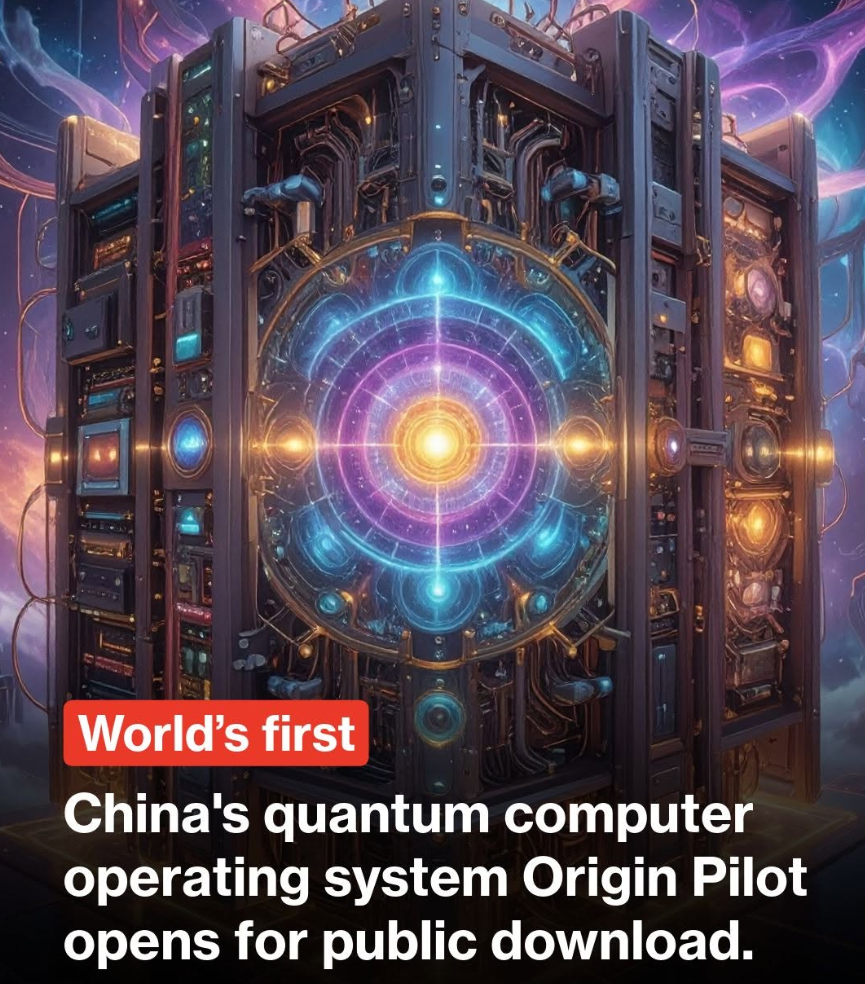
China Opens Origin Pilot Quantum Computing OS for Free Download

China has opened Origin Pilot for public download. Learn about its quantum computing features, free Community Edition and what the release means. China Opens Origin Pilot Quantum Computing Operating System for Free Public Download Origin Quantum makes its quantum-computer management platform available to developers worldwide, marking a new step in quantum software accessibility BEIJING, October 21, 2026: China has opened its Origin Pilot quantum computing operating system for public download, giving researchers, developers and universities around the world an opportunity to explore software designed to manage and coordinate quantum computing systems. Developed by Hefei-based Origin Quantum Computing Technology Co., Ltd., Origin Pilot was first introduced in 2021. The company announced public online downloads in February 2026, making the platform more accessible to the global research and development community. The announcement has attracted attention because quantum computing remains a highly specialised field, with much of its development dependent on sophisticated hardware, advanced scientific expertise and access to expensive research infrastructure. However, the release does not mean that everyone who downloads the software automatically receives free access to a physical quantum computer. What Is Origin Pilot? Origin Pilot is a quantum computer operating system designed to coordinate hardware resources, schedule computing jobs and manage interactions between quantum processors and conventional computing systems. Unlike Windows or Linux, which manage everyday computers, a quantum computing operating system must address the specific requirements of quantum processors, including the management of qubits, calibration procedures and the scheduling of quantum workloads. Origin Quantum describes Origin Pilot as a central management platform that connects quantum hardware, programming tools and computing resources. It is deployed on the company's Origin Wukong series of quantum computers. According to the company's technical description, the system supports multiple quantum computing architectures, including superconducting processors, trapped-ion systems and neutral-atom technologies. The objective is to make quantum computing resources easier to manage and use through a more unified software environment. Why Is the Public Download Significant? Quantum computing has traditionally required specialised equipment, technical expertise and access to research facilities. Making an operating system available for download can lower one barrier to studying how quantum computing infrastructure is managed. The public release could help universities, researchers and software developers examine the platform, understand its architecture and explore its programming interfaces. It may also encourage experimentation with quantum-classical computing workflows, in which conventional computers handle some tasks while quantum processors perform specialised operations. The announcement is significant because it expands access to a component of quantum computing infrastructure that has generally been developed and deployed within specialised systems. Origin Quantum says the release is intended to make its independently developed technology more accessible to research institutions, educational organisations and developers worldwide. Five Important Capabilities of Origin Pilot 1. Quantum task scheduling Quantum computers may need to process jobs from multiple users or applications. Origin Pilot helps organise these jobs and allocate available computing resources. Efficient scheduling is important because quantum processors are complex and costly systems, and researchers need to use their available processing time effectively. 2. Automatic qubit calibration Qubits are the fundamental units of quantum information. Their behaviour can be affected by noise and changes in operating conditions. Origin Pilot includes automatic calibration capabilities intended to help maintain processor performance and manage quantum resources. The effectiveness of calibration depends on the hardware, implementation and operating environment. 3. Parallel execution of quantum tasks The platform supports the scheduling and parallel execution of quantum programs where the available processor architecture and system configuration permit it. This can help improve resource utilisation by coordinating multiple tasks rather than treating every job as an entirely isolated operation. 4. Support for different quantum hardware architectures Origin Quantum says Origin Pilot supports several major approaches to building quantum processors, including superconducting circuits, trapped ions and neutral atoms. Compatibility with different architectures is important because no single quantum hardware technology has emerged as the universal solution for every computing problem. Actual compatibility depends on the available hardware interfaces, drivers and system configuration. 5. Integration with conventional computing Quantum processors do not replace conventional computers. Many quantum applications require classical computing for data preparation, control, optimisation and result analysis. Origin Pilot is designed to coordinate quantum tasks with conventional computing resources, supporting hybrid computing workflows. This integration is important as researchers investigate potential applications in scientific research, optimisation, materials science and other specialised areas. Is Origin Pilot Really Free for Everyone? Origin Quantum provides a Community Edition for free download, alongside a separate Enterprise Edition. The free Community Edition makes the software more accessible for learning, research and experimentation. However, users should review the applicable licence terms, technical requirements and feature limitations before deploying it. Free software access does not mean free access to all quantum computing hardware. Running the system on a physical quantum processor may require compatible equipment, specialised infrastructure, configuration and access permissions. Enterprise services and professional support may also be subject to separate commercial arrangements. Therefore, the most accurate interpretation is that Origin Pilot is available for public download, with a free Community Edition, rather than that anyone can obtain unrestricted quantum computing power at no cost. Developers can find product information through the official Origin Pilot website. Does This Mean China Has Invented the World's First Quantum Operating System? The distinction between developing a quantum operating system and making one available for public download is important. Origin Pilot was introduced in 2021, several years before the February 2026 public-download announcement. Origin Quantum describes it as China's first quantum computer operating system. The 2026 announcement focused on opening the platform for online download and broader use. Chinese reports characterised the move as a first for publicly downloadable, locally deployable quantum operating system software. That claim should not be expanded into saying that China invented the first quantum computing software of any kind. Quantum programming frameworks, simulators, control systems and research software have been developed internationally for years. For example, IBM's Qiskit is a widely used open-source quantum software development framework, while Google's Cirq is another established quantum programming framework. These are not identical to a complete operating system for managing quantum computer hardware, so comparisons require careful definitions. The significance of Origin Pilot lies in its operating and resource-management role, combined with the decision to make the platform available for public download. What Could This Mean for the Future of Quantum Computing? Greater access to quantum software could encourage more researchers and developers to investigate the systems needed to operate quantum computers. Universities may be able to use the platform as a reference for studying quantum resource management. Developers may explore its programming interfaces, while research institutions may investigate how quantum processors can work alongside conventional computing infrastructure. Nevertheless, making an operating system publicly available does not by itself solve the major challenges facing quantum computing. Hardware reliability, error correction, scalability, operating costs and the development of useful applications remain important research challenges. Quantum computers also do not automatically outperform conventional computers. Their advantages depend on the specific problem, the algorithm and the capabilities of the available hardware. China's decision to make Origin Pilot available for public download represents a notable development in quantum computing software accessibility. The platform provides tools for managing quantum resources, scheduling jobs, supporting calibration and coordinating quantum processors with conventional computing systems. Its free Community Edition may offer researchers and developers a practical opportunity to explore these capabilities. The broader impact will depend on how accessible the software proves to be, how easily developers can use it and whether it helps expand the global quantum computing ecosystem. For now, the announcement is best understood as an effort to broaden access to quantum computer operating software—not as a promise of free quantum hardware or a sudden breakthrough that makes quantum computing universally available. By News National Editorial Team Sources Origin Pilot — Official product information Origin Quantum — Official announcement and download information Xinhua report on the public release Origin Pilot technical research paper, published in 2021

SWISS Bengaluru–Zurich Direct Flights Start October 28, 2026

SWISS launches five weekly non-stop flights between Bengaluru and Zurich from October 28, 2026, expanding international connectivity for southern India. Five weekly flights to connect southern India directly with Switzerland, boosting business travel and international tourism BENGALURU, October 21, 2026: Swiss International Air Lines (SWISS) will launch a new non-stop flight service between Bengaluru and Zurich on October 28, 2026, strengthening air connectivity between southern India and Switzerland. The new route will connect Kempegowda International Airport (BLR) in Bengaluru with Zurich Airport (ZRH), SWISS's main hub. The airline will operate five flights per week in each direction, giving passengers a direct option for travel between the two cities without an intermediate stop. The launch is part of the airline's 2026–27 winter schedule and marks SWISS's entry into Bengaluru, making the city its third destination in India after Delhi and Mumbai. The development is expected to offer additional travel options for business passengers, tourists and international travellers from Karnataka and neighbouring states. Bengaluru–Zurich Flight Schedule According to the airline's published schedule, the new service will operate under flight numbers LX141 and LX140. Flight details Schedule Airline Swiss International Air Lines (SWISS) Route Bengaluru–Zurich Launch date October 28, 2026 Frequency Five times per week, each direction Flight LX141 Bengaluru to Zurich Departure 4:50 AM Arrival 10:50 AM, same day Flight LX140 Zurich to Bengaluru Departure 1:20 PM Arrival 2:55 AM the following day All times are local to the respective airports. The Bengaluru–Zurich service is scheduled for Mondays, Wednesdays, Fridays, Saturdays and Sundays. The return service from Zurich is scheduled for Tuesdays, Thursdays, Fridays, Saturdays and Sundays. The scheduled journey takes approximately 10 hours and 35 minutes from Bengaluru to Zurich and around nine hours and five minutes in the return direction. Passengers should check the airline's booking system for date-specific timings and availability before travelling. Zurich to Provide Connections Across Europe and North America Zurich is a major international aviation hub and the principal hub of SWISS. Passengers arriving from Bengaluru will be able to explore onward connections to destinations across Europe and North America, subject to flight schedules and ticket availability. The new service could offer more convenient travel options for passengers heading to cities such as Paris, Amsterdam, Geneva and London, as well as selected destinations in North America. For travellers from southern India, the route may reduce the need to travel through other international hubs when flying to Switzerland. Passengers connecting to another flight should check minimum connection times, baggage arrangements and any transit requirements applicable to their itinerary. Potential Benefits for Bengaluru's Business Community Bengaluru is one of India's leading technology and innovation centres, with a substantial presence of multinational companies, technology firms, research institutions and startups. The direct flight is expected to provide another travel option for corporate executives, technology professionals and business delegations travelling between India and Europe. Direct connectivity can also help reduce the inconvenience of connecting flights and make travel planning easier for companies with international operations. The route may be particularly useful for businesses with commercial relationships in Switzerland and other European markets. SWISS has identified business demand, the technology sector and leisure travel as important markets for the new service. Opportunities for Tourism Switzerland is known for its Alpine landscapes, lakes, mountain railways, historic towns and outdoor tourism. The new route will offer travellers from southern India a direct air connection to Zurich, providing access to destinations across the country. Visitors can plan trips to Zurich, Lucerne, Interlaken and other Swiss destinations using onward rail and road connections. The service may also appeal to Swiss and European tourists travelling to Bengaluru and other parts of southern India. However, travellers should compare flight fares, accommodation costs, seasonal conditions and onward transport options before finalising their itineraries. Visa Requirements for Indian Travellers Indian ordinary passport holders generally require a valid Schengen visa for short visits to Switzerland, unless an applicable exemption applies. Travellers should review the current visa requirements and documentation through the official Swiss authorities before applying. Visa processing times vary, so passengers are advised to begin the process well before their intended departure date. Official guidance is available from the Swiss authorities' visa information service for India. A New International Link for Southern India The Bengaluru–Zurich route adds another non-stop international service to Bengaluru's aviation network. By connecting the technology hub directly with Switzerland and providing onward connections through Zurich, the service is expected to expand travel choices for business and leisure passengers. The launch also reflects SWISS's expansion in the Indian market and the importance of Bengaluru as an international business and travel destination. Passengers planning to use the new service should confirm flight timings, fares, baggage rules and operating dates directly with the airline before booking. By News National Editorial Team Sources: SWISS official Bengaluru–Zurich route and timetable Lufthansa Group official announcement Swiss visa information for India

Chandrababu Naidu Pays Tribute to Police Martyrs on Remembrance Day

Andhra Pradesh CM Chandrababu Naidu paid tribute to police martyrs and unveiled the book ‘Shaheed Pustak Toli – Amarulu Vaaru’ at a commemorative event. CM Chandrababu Naidu Pays Tribute to Police Martyrs on Police Commemoration Day Chief Minister unveils ‘Shaheed Pustak Toli – Amarulu Vaaru’ book at commemorative event Andhra Pradesh Chief Minister Nara Chandrababu Naidu participated in the Police Martyrs’ Remembrance Day programme today and paid heartfelt tributes to police personnel who lost their lives in the line of duty. The Chief Minister honoured the sacrifices of police martyrs who laid down their lives while protecting the public and maintaining law and order. As part of the programme, he unveiled the book titled ‘Shaheed Pustak Toli – Amarulu Vaaru’, commemorating the service and sacrifices of police personnel. Addressing the gathering, Chandrababu Naidu spoke on the occasion of Police Martyrs’ Remembrance Day. The event served as an opportunity to remember the courage, dedication and commitment of police personnel who made the supreme sacrifice while discharging their official responsibilities. The programme highlighted the importance of recognising the contributions of police personnel in safeguarding citizens and maintaining peace and security in society. Remembering the martyrs also serves as a tribute to their families, who continue to bear the loss of their loved ones. Andhra Pradesh Home Minister Vangalapudi Anitha, State Chief Secretary Sai Prasad, Director General of Police (DGP) Harish Kumar Gupta and other officials participated in the programme. The Police Martyrs’ Remembrance Day is observed to honour police personnel who sacrificed their lives in the line of duty and to recognise their invaluable contribution to public safety and security. By News National Editorial Team

Dr. Abdul Qadeer and Khan Sir Meet in Dubai on Sir Syed Day

Dr. Abdul Qadeer of Shaheen Group of Institutions meets Khan Sir in Dubai on Sir Syed Day, highlighting student counselling and career planning. By News National Editorial Team DUBAI: An important meeting between Dr. Abdul Qadeer, Chairman of Shaheen Group of Institutions, and Khan Sir, founder of Khan Global Studies and a popular educator and mentor from Patna, Bihar, took place in Dubai on the occasion of Sir Syed Day. The meeting brought together two prominent figures associated with education, student guidance and academic development. Their interaction highlighted the importance of student counselling, career planning and helping young people make informed decisions about their educational and professional futures. Focus on Student Counselling and Career Guidance Student counselling plays an important role in helping learners identify their interests, understand their strengths and choose suitable academic pathways. Effective career planning can also help students evaluate educational opportunities, competitive examinations and potential career options. Educators and mentors can support students by providing guidance on subject selection, study strategies, examination preparation and long-term professional goals. The meeting between Dr. Abdul Qadeer and Khan Sir provided an opportunity to bring attention to these important aspects of education. However, specific discussions or decisions made during their interaction have not been independently confirmed. Educational Leadership and Mentorship Dr. Abdul Qadeer is associated with Shaheen Group of Institutions, an educational organisation known for its work in academic development and student support. Khan Sir, who founded Khan Global Studies in Patna, Bihar, has gained recognition for his teaching and educational content, particularly among students preparing for competitive examinations. Their meeting during Sir Syed Day brought together different educational experiences and perspectives, highlighting the wider role of educators in supporting students and encouraging academic progress. Remembering Sir Syed Ahmad Khan Sir Syed Day commemorates Sir Syed Ahmad Khan, the education reformer who played a significant role in promoting modern education among Indian Muslims during the nineteenth century. His educational vision contributed to the development of the Aligarh movement and the institution that later became Aligarh Muslim University. The occasion serves as a reminder of the importance of education, scientific thinking, access to learning and the empowerment of young people through knowledge. The meeting in Dubai offered an opportunity to reflect on these educational ideals and the continuing importance of student mentorship and career guidance. Encouraging Informed Career Decisions As students face an increasingly diverse range of educational and professional opportunities, access to reliable counselling and mentorship remains important. Guidance from experienced educators can help young people assess their abilities, explore career choices and prepare for future challenges. Although further details about the Dubai meeting have not been confirmed, the interaction between Dr. Abdul Qadeer and Khan Sir drew attention to student counselling and career planning as important elements of educational development.

Incredible India Pavilion Inaugurated at ITB Asia 2026 in Singapore

Incredible India Pavilion Inaugurated at ITB Asia 2026 in Singapore to Promote Indian Tourism By News National Editorial Team SINGAPORE, October 21, 2026: India’s tourism potential took centre stage at ITB Asia 2026 in Singapore with the inauguration of the Incredible India Pavilion. The pavilion was jointly inaugurated by India’s High Commissioner to Singapore, Dr. Shilpak Ambule, Jammu and Kashmir Minister Sakeena Itoo, and Kerala Tourism and Culture Minister P. C. Vishnunadh, according to media reports.  The initiative aims to showcase India’s rich cultural heritage, diverse landscapes, historical attractions and distinctive travel experiences to international tourism professionals. The pavilion also provides a platform for Indian tourism stakeholders to connect with overseas tour operators, travel agencies and industry representatives. India Showcases Its Diverse Tourism Potential The Incredible India Pavilion highlights the variety of experiences available to travellers, ranging from cultural and heritage tourism to adventure travel, pilgrimage destinations, wellness experiences and nature-based tourism. India’s geographical diversity offers visitors opportunities to explore Himalayan landscapes, coastal destinations, historic cities, wildlife reserves and culturally significant sites. The pavilion aims to strengthen international awareness of these attractions and encourage travel businesses to include Indian destinations in their tourism packages. Participation in international travel exhibitions allows tourism representatives to present destination-specific experiences and establish commercial relationships with overseas partners. Jammu and Kashmir and Kerala in the Spotlight The participation of representatives from Jammu and Kashmir and Kerala highlights the importance of promoting tourism across India's different regions. Jammu and Kashmir offers opportunities for mountain tourism, pilgrimage travel, cultural exploration and adventure activities. During ITB Asia 2026, Minister Sakeena Itoo invited international tour operators and travel agencies to consider including Jammu and Kashmir destinations in their travel packages.  Kerala is widely known for its backwaters, beaches, hill stations, cultural traditions and wellness tourism offerings. Its participation provides an opportunity to introduce the state's attractions to international travel professionals and explore potential tourism partnerships. The involvement of state representatives also allows India to present its destinations as complementary experiences for international visitors rather than promoting the country through a single tourism product. ITB Asia 2026: A Major International Tourism Marketplace ITB Asia 2026 is being held at the Sands Expo and Convention Centre in Singapore from October 21 to 23. The event brings together tourism boards, travel companies, hotels, tour operators, travel technology providers and other industry professionals from international markets.  The business-to-business exhibition creates opportunities for industry participants to arrange meetings, explore commercial partnerships and discuss changing traveller preferences. For Indian tourism organisations, the event offers a platform to develop overseas business relationships and promote destinations to travel professionals who influence holiday planning and tourism packages. Strengthening International Tourism Partnerships The Incredible India Pavilion reflects India's continued efforts to increase the visibility of its tourism offerings in international markets. Building partnerships with overseas travel companies can help Indian destinations reach new audiences, develop travel itineraries and encourage visitors to explore different regions of the country. Such engagement may also create opportunities for hotels, tour operators, transport providers and local tourism businesses. However, the inauguration of the pavilion does not in itself confirm any specific increase in tourist arrivals or new commercial agreements. The longer-term impact will depend on the partnerships developed, marketing initiatives and subsequent travel demand. Promoting India as a Preferred Travel Destination India's tourism appeal lies in the variety of experiences it offers, including ancient monuments, religious destinations, regional cuisines, traditional arts, wildlife and natural landscapes. By presenting these attractions at an international travel trade exhibition, the Incredible India Pavilion seeks to strengthen the country's profile among global tourism professionals and encourage further engagement with Indian destinations. The participation of national and state-level representatives underlines the importance of cooperation between tourism authorities and the travel industry in promoting India internationally. As ITB Asia 2026 continues in Singapore, the pavilion provides a platform for showcasing India's tourism diversity and exploring opportunities to expand international travel partnerships. Sources: ITB Asia official website; Kashmir News Service; Brighter Kashmir, reports published on October 21, 2026.

Marco Rubio Visits Reliance Jamnagar Refinery, Meets Anant Ambani and Radhika Merchant

U.S. Secretary of State Marco Rubio visits Reliance’s Jamnagar refinery in Gujarat and meets the Ambani family amid India–U.S. energy talks. By News National Editorial Team JAMNAGAR, GUJARAT, October 21, 2026: U.S. Secretary of State Marco Rubio visited Reliance Industries’ major industrial facilities in Jamnagar, Gujarat, on Wednesday, where he was welcomed by billionaire industrialist Mukesh Ambani and members of his family, including Anant Ambani and Radhika Merchant. The visit formed part of Rubio’s official trip to India, with energy cooperation, trade, investment and strategic relations between the United States and India featuring prominently on the agenda. The Jamnagar complex is home to the world’s largest single-site oil-refining facility and plays a significant role in international petroleum markets. Photographs from the visit drew attention to Rubio’s interaction with the Ambani family, bringing together prominent figures from American diplomacy and Indian business. Why Marco Rubio Visited Reliance’s Jamnagar Complex Reliance Industries’ Jamnagar refinery is strategically important because of its scale and ability to process different grades of crude oil. The complex has a combined processing capacity of approximately 1.4 million barrels per day, making it one of the most significant refining hubs in the global energy industry. During his India visit, Rubio indicated that Washington wanted to discuss the possibility of Reliance processing more Venezuelan crude oil. The company has experience refining heavy crude grades that many other facilities may find difficult to process efficiently. The discussions come at a time when global energy markets face uncertainty linked to geopolitical conflicts, supply disruptions and changing international trade relationships. According to reports published during Rubio’s visit, the United States sees Reliance’s refining capabilities as potentially important to maintaining supplies of petroleum products and addressing pressures in international energy markets. Anant Ambani and Radhika Merchant Among Family Members Present The visit also brought attention to Anant Ambani and his wife, Radhika Merchant, who were among the members of the Ambani family associated with Rubio’s visit to the Jamnagar facilities. Anant Ambani is the younger son of Reliance Industries chairman Mukesh Ambani and is associated with several of the group’s initiatives. Radhika Merchant has also attracted public attention through her involvement in philanthropic and social initiatives. The meeting highlighted the intersection of business, diplomacy and prominent public figures during the American official’s visit. However, the significance of the family interaction should be distinguished from the policy discussions surrounding energy cooperation. The publicly reported agenda focused on business engagement and broader economic and strategic ties between India and the United States. Vantara and Green-Energy Facilities Also on the Itinerary Rubio’s Jamnagar programme also included visits to Vantara, the animal-rescue and rehabilitation initiative associated with Anant Ambani, and Reliance’s developing green-energy manufacturing facilities. These projects reflect the company’s activities beyond conventional oil refining, including animal welfare initiatives and investments in new-energy technologies. Reliance has been expanding its presence across several sectors, including petrochemicals, retail, telecommunications and renewable-energy-related manufacturing. Its Jamnagar operations remain central to its energy business and international commercial reach. The visit provided an opportunity for the U.S. delegation to observe some of these operations as part of wider engagement with Indian industry. India–U.S. Energy Cooperation in Focus Rubio’s visit comes amid continuing discussions between Washington and New Delhi on trade, energy supplies and economic cooperation. India relies heavily on imported crude oil to meet domestic demand. Its refiners purchase oil from multiple international suppliers, with sourcing decisions influenced by price, availability, refining requirements and geopolitical developments. The United States has expressed interest in greater cooperation with Indian companies over energy supplies, including the processing of Venezuelan crude. Reliance’s ability to handle a broad range of crude grades makes its Jamnagar facilities relevant to those discussions. At the same time, India and the United States continue to navigate differences over tariffs, energy imports and other trade-related issues. Rubio’s meetings with Indian officials and business leaders were part of a broader effort to advance bilateral engagement. The visit does not, by itself, establish that a new commercial agreement has been concluded. Any future commitments involving crude purchases, refining arrangements or investments would need to be confirmed through official announcements. A High-Profile Visit to India’s Energy Hub Marco Rubio’s visit to Jamnagar underlines the growing importance of large Indian industrial facilities in international energy discussions. Reliance’s refining capacity, global product exports and investments in emerging energy technologies place the company in a significant position within the global energy supply chain. The interaction with Mukesh Ambani’s family, including Anant Ambani and Radhika Merchant, added a high-profile dimension to the visit. The central economic focus, however, remained the potential for deeper cooperation in energy, trade and investment. As India and the United States continue discussions on their economic relationship, developments involving major industrial companies such as Reliance Industries are likely to remain relevant to the wider bilateral agenda. Sources: Reuters; India Today; Moneycontrol, reports published on October 20–21, 2026. image source: https://www.facebook.com/photo?fbid=1482803140625522&set=pcb.1482803460625490

Umeed Global School Admissions 2027–2028 Open | Apply Online

Umeed Global School admissions for 2027–2028. Check the online application process, admission requirements and November 15 deadline. By News National Editorial Team Umeed Global School has announced admissions for the 2027–2028 academic year, according to the information provided. Parents and guardians interested in securing admission for their children can visit the school's admission webpage to review the application process and submit an online application, if available. The last date for applications has been stated as November 15. Applicants are advised to confirm the deadline and admission requirements through the school's official website before applying. How to Apply for Umeed Global School Admissions Parents can follow these steps to check the admission process: Visit the official Umeed Global School admission webpage. Review the available classes, eligibility criteria and admission guidelines. Check whether the online application form is available. Complete the application form with accurate information and provide the required documents. Review the submission instructions, applicable fees and selection process before submitting the application. Important Details School: Umeed Global School Academic Year: 2027–2028 Application Mode: Online, subject to availability on the official website Last Date: November 15 (year to be confirmed) Official Admission Website: https://umeed.org.in/admission-process/ Advice for Parents Parents are encouraged to check the official admission webpage for the latest information about eligibility, available classes, required documents, application fees and the admission schedule. Submitting an application before the stated deadline may help applicants avoid last-minute difficulties.

Umeed Global School Admissions 2027–2028 ప్రారంభం | నవంబర్ 15 చివరి తేదీ

Umeed Global Schoolలో 2027–2028 విద్యా సంవత్సరానికి అడ్మిషన్లు. ఆన్‌లైన్ దరఖాస్తు విధానం, చివరి తేదీ, అధికారిక వెబ్‌సైట్ వివరాలు తెలుసుకోండి. By News National Editorial Team 2027–2028 విద్యా సంవత్సరానికి సంబంధించి Umeed Global Schoolలో ప్రవేశాల కోసం దరఖాస్తులు ఆహ్వానిస్తున్నారు. పాఠశాలలో ప్రవేశం పొందాలనుకునే విద్యార్థుల తల్లిదండ్రులు ఆన్‌లైన్ ద్వారా దరఖాస్తు చేసుకోవచ్చు. అందించిన సమాచారం ప్రకారం, దరఖాస్తులకు చివరి తేదీ నవంబర్ 15. ఆన్‌లైన్‌లో దరఖాస్తు చేసుకోవచ్చు పాఠశాల ప్రవేశ ప్రక్రియకు సంబంధించిన వివరాలు, దరఖాస్తు విధానం తెలుసుకోవడానికి తల్లిదండ్రులు Umeed Global School అధికారిక అడ్మిషన్ వెబ్‌పేజీని సందర్శించవచ్చు. అడ్మిషన్ల వివరాలు: విద్యా సంవత్సరం: 2027–2028 దరఖాస్తు విధానం: ఆన్‌లైన్ చివరి తేదీ: నవంబర్ 15, 2026 (అందించిన సమాచారంలో పేర్కొన్న తేదీ) దరఖాస్తు వెబ్‌సైట్: https://umeed.org.in/admission-process/ దరఖాస్తు ఎలా చేయాలి? ముందుగా Umeed Global School అడ్మిషన్ వెబ్‌పేజీను సందర్శించండి. ప్రవేశ అర్హతలు, అందుబాటులో ఉన్న తరగతులు, అవసరమైన పత్రాల వివరాలను పరిశీలించండి. ఆన్‌లైన్ దరఖాస్తు ఫారమ్ అందుబాటులో ఉంటే, అందులో అడిగిన వివరాలను నమోదు చేయండి. దరఖాస్తు సమర్పించే ముందు వివరాలను సరిచూసుకోండి. దరఖాస్తు సమర్పణ, ఫీజులు, ఎంపిక ప్రక్రియకు సంబంధించిన సూచనలను పాఠశాల అధికారిక వెబ్‌సైట్‌లో పరిశీలించండి. తల్లిదండ్రులకు సూచన దరఖాస్తు చేయడానికి ముందు చివరి తేదీ, ప్రవేశ అర్హతలు, అవసరమైన ధ్రువపత్రాలు, ఫీజులు, ప్రవేశ ప్రక్రియకు సంబంధించిన తాజా వివరాలను పాఠశాల అధికారిక వెబ్‌సైట్‌లో నిర్ధారించుకోవాలి