

Language Settings
Select Website Language

GDPR Compliance

We use cookies to ensure you get the best experience on our website. By continuing to use our site, you accept our use of cookies, Privacy Policy, and Terms of Service.

Filters

Channels
Topics
Other Filters

Russian Drone Hits Ukrainian Train After Boris Johnson Passes

A Russian drone struck a train near the Ukraine-Poland border at Yahodyn soon after Boris Johnson and European security chiefs passed through. No casualties. A Russian drone struck a train at Yahodyn, close to Ukraine's western frontier with Poland, only a short time after former UK Prime Minister Boris Johnson and a group of senior European security officials had travelled along the same route. The weapon hit the locomotive's engine, and Ukrainian authorities reported no injuries because every passenger had already been cleared from the carriages. Johnson had been returning from a conference in Kyiv alongside national security advisers from across Europe, among them Jonathan Powell of the United Kingdom. Their group travelled on a separate service on the same line before the attack. The blast landed two kilometres from the Polish border, according to officials in both Kyiv and Warsaw. Moscow described the target as "railway infrastructure" in western Ukraine. Ukraine's national rail operator, Ukrzaliznytsia, offered a sharper reading, saying it was "quite possibly" the diplomatic train that the drone was aiming for. The company said the service carrying the officials had departed ahead of schedule after its timetable was altered in response to the persistent danger of Russian attacks. Ukrzaliznytsia added that passengers on the train that was eventually hit received their evacuation order roughly 15 minutes before the strike, which it attributed to a Russian jet-propelled drone. The rail authority also said that David Petraeus, the former director of the CIA, had been aboard another train at Yahodyn station when the drone came down. Carl Bildt, the former Swedish prime minister who had also joined the Kyiv conference, gave the BBC an account of the tense moments on his own journey. He said staff instructed travellers to ready themselves for evacuation once the train came to a halt, then reversed the order shortly afterwards. "On the train I was on we received order to prepare evacuation after it had stopped. But after a number of minutes we were informed that it was clear and we could proceed," Bildt said. That service went on to reach Dorohusk, the border station on the Polish side, without incident. Several accounts placed Bildt on the same train as Johnson, though the former British leader has not confirmed the particulars of his trip. Johnson had been photographed at a book fair in Lviv during the previous week before joining the officials on the rail line. Reacting on X, Johnson condemned the attack in blunt terms. "I don't know what warped logic drove Putin to blow up a stationary Ukrainian locomotive on the Polish border this morning," he wrote. He called it "the kind of random and senseless attack Ukrainians are enduring every day - even on civilian railways" and pressed Ukraine's partners to move quickly on delivering the air defences he said the country urgently requires. That appeal echoes a demand Kyiv has made repeatedly, above all to Washington, for additional interceptors. Ukrainian officials say the country needs them to counter a growing volume of daily Russian strikes that now lean heavily on high-speed ballistic missiles and jet-propelled drones. Ukraine's Foreign Minister, Andrii Sybiha, framed the incident as evidence that the war is reaching the bloc's frontier. He called the "barbaric strikes" at Yahodyn a sign of "Putin's terror 'knocking' directly on the doors of the EU and Nato," and repeated Kyiv's push for tougher sanctions against Moscow. "Putin needs to understand that his barbarism will be met with decisive action that increases the cost of war for him to an unacceptable level. This is the only way to stop him," Sybiha said. In Poland, Prime Minister Donald Tusk convened an emergency meeting to weigh the developments along the shared border. He warned that the pattern of Russian behaviour was hardening into something Warsaw could no longer treat as exceptional, saying the escalation from the Russian side was becoming a reality. Yahodyn drone strike, Boris Johnson Ukraine, Ukraine railway attack, Ukrzaliznytsia, Carl Bildt, David Petraeus, Poland border Russia, Andrii Sybiha

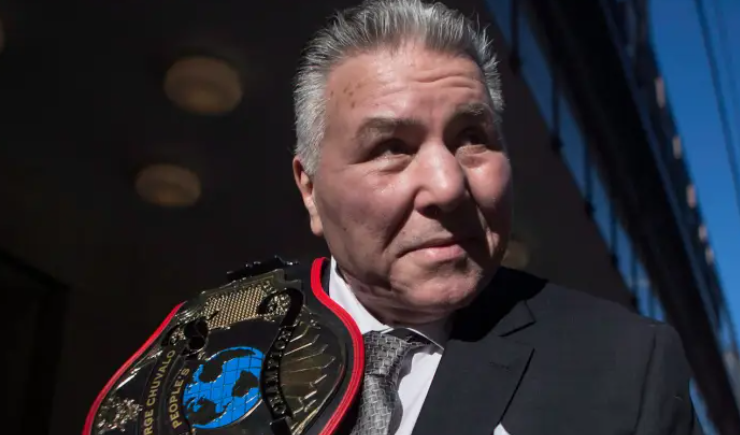
George Chuvalo, Canadian boxing icon, dies at 89

George Chuvalo, the five-time Canadian heavyweight champion who fought Muhammad Ali twice and was never knocked down, has died at 89. George Chuvalo, the five-time Canadian heavyweight champion who traded blows with Muhammad Ali and Joe Frazier yet was never once dropped to the canvas, has died at the age of 89. The Toronto fighter died on Saturday, which was also his birthday, according to Sully's Boxing Gym, the club where he trained. Chuvalo built a record that few in his sport could match. Across 93 professional bouts he won 73, lost 18 and drew two. Through all of them, no opponent ever knocked him off his feet - a feat that became the defining fact of his career and the root of his reputation for a granite jaw and endless endurance. He was born in 1937 to Croatian immigrant parents and raised in Toronto, where he took up the sport as a boy. He went on to face some of the biggest names in heavyweight history, including George Foreman, Frazier and Ali, and came to be described by many as Canada's finest fighting man. Chuvalo met Ali in the ring twice, in 1966 and again in 1972. He lost both contests, but he left a lasting mark on his opponent: Ali later said Chuvalo was the toughest man he had ever stepped in against. "George Chuvalo was a heavyweight boxing legend, a family friend and a Canadian icon," Ontario Premier Doug Ford wrote in a message online. "My thoughts are with all of George's family and loved ones as we mourn his passing." His old gym paid tribute to the place he held in the sport. "His photos have hung on our walls for decades. His stories have been passed down from one generation of fighters to the next," Sully's Boxing said in a statement. Life after the ring Chuvalo hung up his gloves in 1978. In the years that followed he crossed the country as a speaker, using his own life to warn audiences about the dangers of drug use and to press for greater attention to mental health. His message carried the weight of personal loss: Chuvalo has said he lost three sons and his wife to drug overdoses and suicide. "I'd like to think if you're ever tempted with the idea of doing drugs, or you ever flirt with doing drugs, I hope you think of me, George Chuvalo, and what drugs did to my family," he said in remarks reported by a CBC Radio broadcast in 1998. He also found work away from the podium. Chuvalo took small acting roles, turning up in the 1998 comedy Dirty Work and appearing beside Jeff Goldblum in the 1986 horror film The Fly. He worked as a guest commentator on major fights and co-hosted a television boxing show called Greatest Knockouts alongside his friend and fellow fighter Charles "Spider" Jones. Chuvalo is survived by his eldest son, Mitch, his daughter, Vanessa, his grandchildren and his second wife, Joanne. George Chuvalo, Canadian boxing, heavyweight champion, Muhammad Ali, Sully's Boxing, boxing legend, Doug Ford, Toronto boxer

ChatGPT Outage Hits Users Worldwide Before OpenAI Restores Service

ChatGPT and OpenAI's APIs went down as 91% of tracked users reported access errors. OpenAI says performance is now back to normal. ChatGPT suffered an outage that left the majority of users unable to reach OpenAI's chatbot before service was restored. According to reports collected by outage-tracking site Downdetector, around 91% of people trying to use ChatGPT ran into problems. Of those affected, roughly 7% could not load the website, while the remainder were unable to log into their ChatGPT accounts. Frustrated users also turned to X, formerly Twitter, to flag the disruption as it unfolded. OpenAI confirmed the problem on its official status page. The company described the issue as increased latency and errors affecting both ChatGPT and its APIs, meaning developers relying on OpenAI's tools were hit alongside everyday users of the chatbot. The outage has since been resolved. OpenAI's status page reported that the service is back online and the latency problem has been fixed, stating that "performance is now back to normal." Checks on both the ChatGPT website and its mobile app found the service working normally after the restoration, with no further access issues on either platform. The simultaneous impact on ChatGPT and the APIs points to a shared backend fault rather than a problem limited to one access point. OpenAI did not detail what triggered the latency and errors, and the status update focused on confirming the fix rather than explaining the cause. The disruption underscores how widely ChatGPT is now used, with a single incident cutting off access for nearly all of the users who reported trouble during the window. For now, OpenAI's message to users is straightforward: the platform is running as expected again across web and mobile. ChatGPT outage, OpenAI, ChatGPT down, Downdetector, OpenAI status page, ChatGPT API, AI chatbot outage

Strategy (MSTR) Seen Trading About 5% Above Fair Value binance buy crypto

Strategy (MSTR) may be trading roughly 5% above fair value as a shift in the company's stance on selling Bitcoin resets how investors view the stock. "binance buy crypto" Shares of Strategy (MSTR) may be trading around 5% above their estimated fair value, according to a fresh assessment that ties the stock's valuation to the company's position on selling Bitcoin. The reassessment centers on how a change in Strategy's stance toward selling its Bitcoin holdings is reshaping the way investors weigh the stock. That shift is described as resetting prevailing views on where the shares should trade. Strategy, the company formerly known as MicroStrategy, has built its identity around holding large amounts of Bitcoin, which makes any signal about buying or selling the asset central to how the market prices the stock. With the shares pegged at roughly 5% over fair value, the figure points to a modest premium rather than a wide gap between price and estimated worth. The topic surfaced alongside heightened search interest in cryptocurrency, with "binance buy crypto" trending in India on Google Trends, drawing more than 200 searches. That interest underscores continued public attention on crypto-linked equities and the platforms used to trade digital assets. Beyond the fair-value estimate and the reference to Strategy's Bitcoin sale stance, further specifics on the company's financials or the timing of any decision were not detailed. Investors tracking MSTR will be watching for clarity on whether the company intends to hold or reduce its Bitcoin position, given how directly that choice feeds into the stock's valuation. Keywords: Strategy MSTR, MicroStrategy stock, Bitcoin sale, fair value estimate, MSTR valuation, Bitcoin treasury, crypto stocks

Xi Unveils Five-Point Plan for BRICS, Pushes Open-Source AI

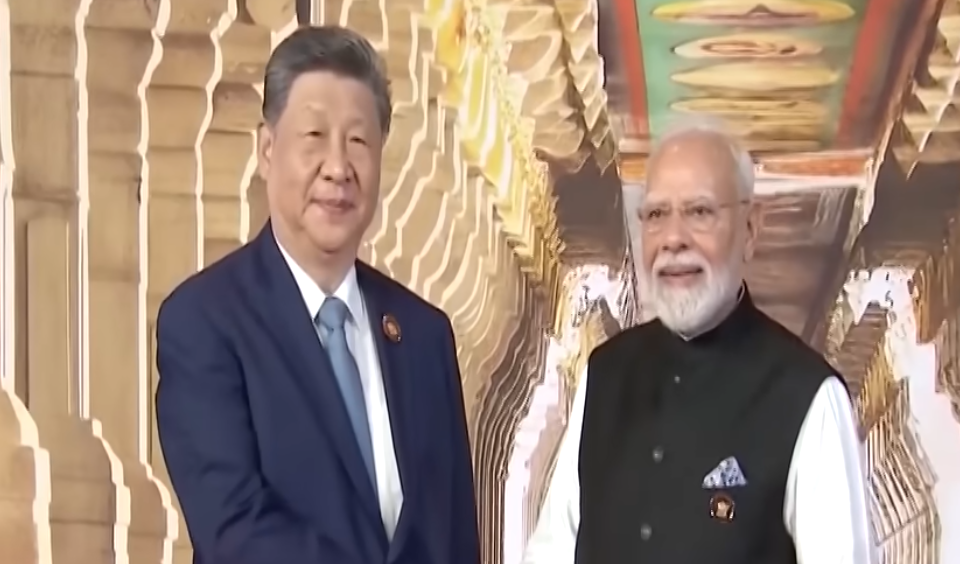
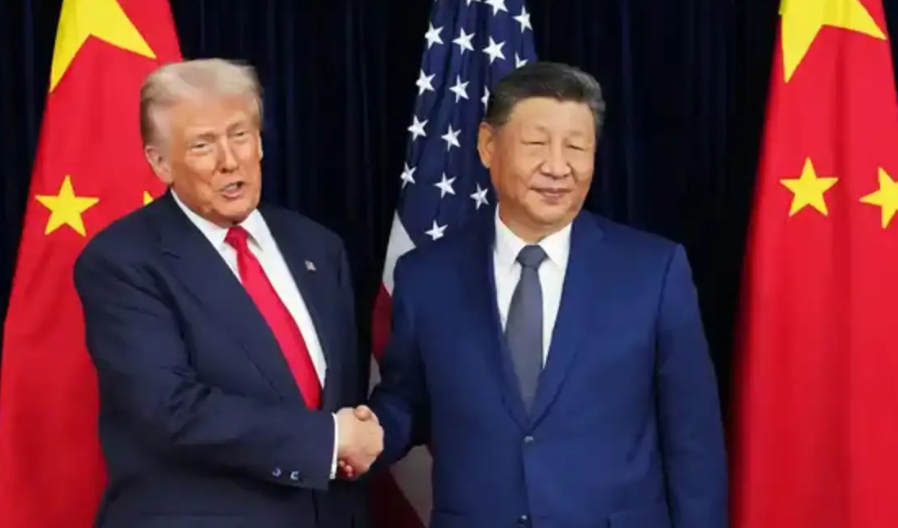
Chinese President Xi Jinping outlined a five-point agenda for BRICS, urging an open-source AI community, a single integrated market and Global South unity. Chinese President Xi Jinping used an address to BRICS leaders on Sunday to lay out a five-point action plan for the bloc, headlined by an "open source and inclusive AI" drive and paired with proposals on digital industry and on easing trade and investment. Speaking at the second session of the BRICS conference, he pressed the group's members to work together toward secure supply chains and what he described as a single, large integrated market. According to a statement released by China's foreign ministry after the speech, Xi called on the 11-nation grouping to bring the Global South together and serve as an active and steadying influence at a moment he characterised as marked by upheaval unseen in a hundred years. He warned that a world lacking agreed rules resembles a busy junction stripped of traffic signals, where breakdown and confusion become inevitable. Xi argued that developing nations should band together to protect legal order in global affairs and preserve the core principles that govern relations between states. The ministry statement listed these as equal sovereignty among nations, keeping out of one another's domestic matters, and resolving disagreements by peaceful means. He said international law and shared rules must apply equally to every country, without one standard for some and a different one for others. The Chinese leader also urged the Global South to champion a system built on many centres of power rather than one, and to back the United Nations as the central authority in world affairs. The statement said countries should help multilateral bodies reform themselves to work more effectively, steer changes at the World Trade Organization along the correct course, and overhaul the global financial system so that developing economies carry greater weight and are heard more clearly. Pointing to the instability of a world with multiple power centres, Xi said BRICS states needed to grasp the moment in history, unite the Global South and push forward the interests of people everywhere. He then turned to economics, contending that ties among the bloc's members had to be deepened. An AI community and a digital cloud platform On artificial intelligence, Xi proposed that China set up a BRICS open-source AI community. He offered backing for joint work on building and deploying large language models and for creating an open technical ecosystem that members could share. The digital economy formed the next strand of his agenda. Xi said China would advance a BRICS digital ecosystem cloud platform and would organise training in practical skills, exchanges of technology and efforts to bring member states' industries into closer alignment. Special economic zones and a services forum Turning to trade and investment, Xi put forward the idea of a BRICS partnership on special economic zones. Under the arrangement, he said, countries could establish an intelligent gateway, bring their policies into step with one another and open up fresh ground for shared development. To generate new sources of commercial cooperation, he announced that China would host a BRICS Forum on Trade in Services during the coming year. Xi also extended an offer of Chinese help in setting up smart factories and in drawing up shared standards and technical rules. He said China intended to form an alliance to train engineers jointly across member states and to recognise one another's certifications of professional competence. Rounding out the plan, Xi said China would start a BRICS youth exchange scheme focused on scientific and technological innovation. The statement quoted him as saying the programme was designed to develop a larger pool of highly skilled talent for the bloc. The proposals tie together several of Beijing's stated priorities, from artificial intelligence and digital infrastructure to manufacturing standards and the training of engineers, and frame them as tools for tighter coordination within an expanded BRICS. Across the address, Xi returned repeatedly to the theme of the Global South steering global institutions toward reform while defending the existing norms of relations between states. Xi Jinping BRICS, BRICS five-point plan, open source AI initiative, Global South, integrated market, BRICS digital economy, trade in services forum, multilateralism

Modi Holds 15 Bilaterals as Delhi Hosts BRICS Summit

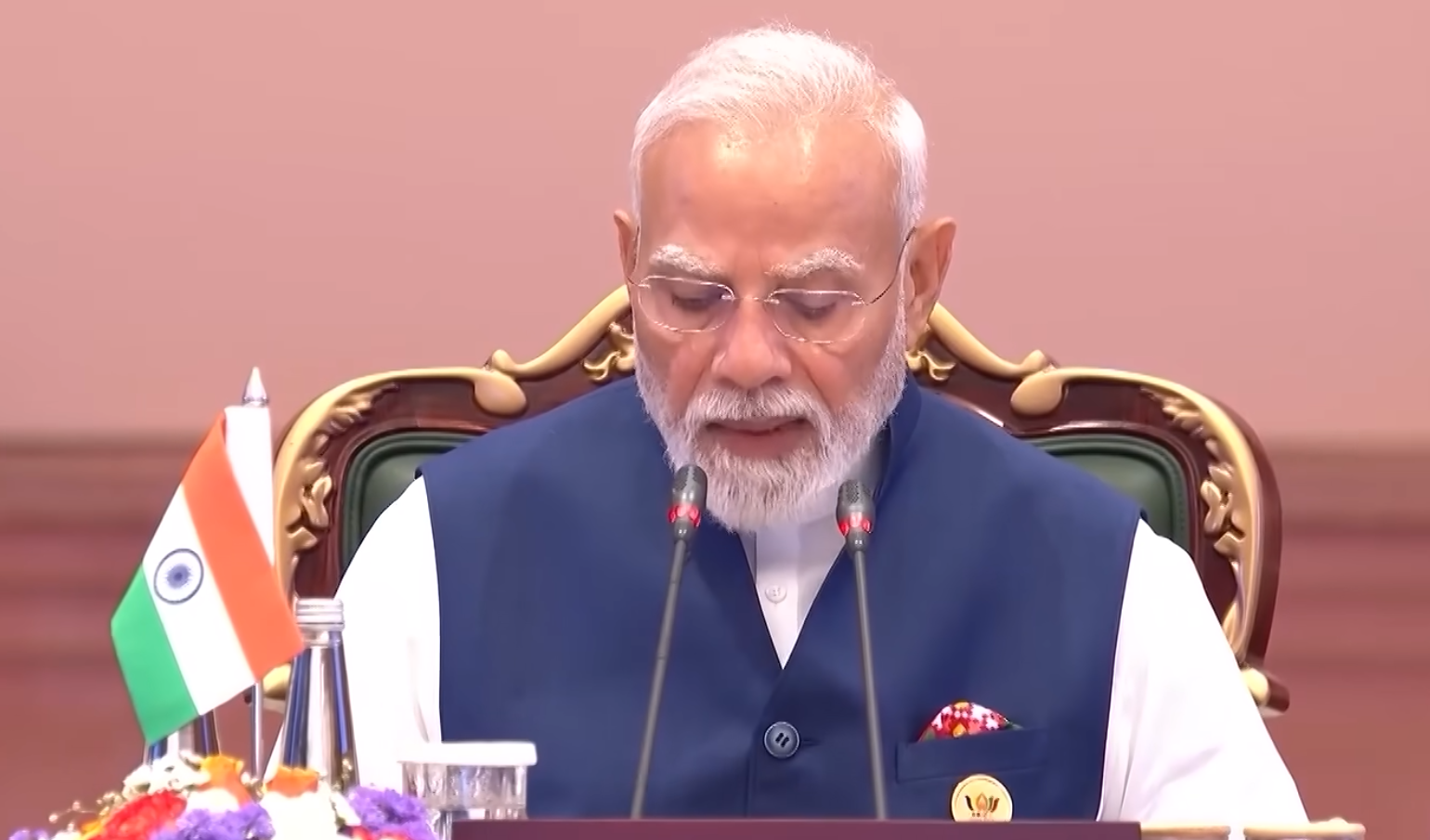
PM Modi held 15 bilateral meetings over three days as New Delhi hosted the BRICS summit, securing a joint declaration from all 11 member countries. New Delhi hosted the BRICS summit over three days, with Prime Minister Narendra Modi holding 15 sit-down bilateral meetings and numerous pull-aside talks since Friday. His schedule ran full through the gathering of the 11-country grouping. Modi's key bilateral meetings included talks with Chinese President Xi Jinping, Russian President Vladimir Putin and Iranian President Masoud Pezeshkian. The presence of those leaders gave the summit the standing to draw global attention to its proceedings. All 11 member countries signed on to a joint declaration. That outcome carried weight because some members hold sharply opposed positions. Iran and the UAE, for instance, take deeply adversarial stands on the West Asia conflict, yet both endorsed the common text. The task of reconciling those conflicting positions fell to the host. Russia and Iran are openly anti-West, while India and some others do not want BRICS cast as a bloc set up to counter the West. The wording of the joint declaration served Indian interests, aligning the final text with New Delhi's preferences. Officials pointed to the personal rapport Modi has built with individual leaders. They said the trust and comfort that both Pezeshkian and UAE Crown Prince Sheikh Mohamed bin Zayed Al Nahyan share with Modi was telling, given the two countries' opposing stances on West Asia. The summit's conclusion was presented as an affirmation of India's policy of multi-alignment under Modi. By keeping the grouping together and steering the declaration toward its own reading, New Delhi underlined its approach of engaging across rival camps without being locked into any single one. As the summit closed, Modi posted on social media: "Thank you to all Brics leaders for making the Delhi Summit very productive and outcome oriented!" BRICS summit, Narendra Modi, New Delhi summit, joint declaration, Xi Jinping, Vladimir Putin, Masoud Pezeshkian, multi-alignment

BNB Hits $100 Billion Cap as Binance Trends in India

Binance Coin climbs 7% to a $100 billion market cap as "binance" trends on Google in India, amid a busy week for crypto markets. Binance Coin (BNB) rose 7% to reach a market capitalisation of about $100 billion, as searches for "binance" climbed into the trending list on Google Trends in India, with more than 100 searches recorded. The move came during a week packed with events for cryptocurrency markets. In the United States, the Senate is scheduled to vote on the CLARITY Act at 2:15 p.m. on Monday, September 15. The Federal Reserve begins its rate-setting meeting the same day, putting two market-moving decisions on a single date. Inflows into Bitcoin-linked funds have strengthened over the same period. Bitcoin exchange-traded funds pulled in $3.8 billion across three weeks, the strongest such run of 2026, according to SoSoValue data reported on September 5. Solana and Cardano upgrades Other large tokens posted technical gains tied to network upgrades. Solana (SOL) broke above $105 after its V1 upgrade tripled the network's trade size on September 9. Despite the rally, the coin remains about 65% below its all-time high. Cardano drew attention after its Leios test network recorded a 500% speed gain, reported on September 8. The token still trades roughly 93% below the peak it set in 2021, leaving a wide gap between the technical improvement and the market price. Pepeto presale Among smaller projects, a presale token called Pepeto has raised $10.9 million from early buyers. The project operates a live exchange and bridge alongside its presale. The cluster of activity - a rebound in BNB, steady ETF inflows, network upgrades on Solana and Cardano, and early-stage fundraising - reflects renewed interest across the crypto market ahead of Monday's twin policy events in Washington. The outcome of the Senate vote and the direction signalled by the Fed are expected to influence trading across the sector in the days that follow. Binance Coin, BNB price, cryptocurrency India, CLARITY Act, Bitcoin ETF, Solana price, Cardano, crypto market

Palo Alto Builds 500-Foot Living Levee to Fight Rising Seas

Palo Alto has finished a 500-foot horizontal levee at Harbor Marsh that uses treated wastewater to grow native plants and buffer the shore against sea-level rise. Engineers in Palo Alto, California, have finished a 500-foot shoreline structure that abandons the idea of a coastal defence as a hard wall. Built along Harbor Marsh in the Palo Alto Baylands, the project is a horizontal levee: a wide, gently rising slope covered in native plants and watered with treated wastewater. It is designed to blunt waves and rising water while doubling as living habitat. According to the City of Palo Alto, it is the first structure on the San Francisco Bay shoreline to draw treated wastewater from the city's Regional Water Quality Control Plant to irrigate its plantings. Construction started in 2025, and the project was completed in September 2026. How a horizontal levee works Most levees stand as steep, narrow barriers dividing a community from the water. Palo Alto's version stretches out instead of up. Rather than depending on a single hard face, it spreads across a broad, planted incline that eases the change from dry upland to the tidal marsh already there. The vegetation spans several native types, including freshwater marsh, wet meadow and riparian scrub. That width is the point. When the sea climbs, marsh plants on a wide slope can creep steadily uphill, following the water instead of hitting a fixed edge and dying out. The design is meant to do several jobs at the same time: expand habitat, soften wave energy, let the shoreline shift with higher tides, and add a final round of treatment to water that has already been cleaned. Wastewater as a resource The most unusual element is where the irrigation comes from. The Regional Water Quality Control Plant turns out heavily treated wastewater, and instead of sending all of it out as a standard discharge, the levee pipes some of it underground to feed the plants rooted in the slope. The City of Palo Alto says the flow stands in for freshwater that once reached the Baylands through nearby creeks. Channel work for flood control and decades of urban growth choked off much of that natural supply. As the treated water filters down through the soil under the planted incline, the ground itself acts as one more cleaning stage before the water finally reaches the Bay. The result is a loop: already-treated water is put back to work restoring habitat and helping the shore adapt to a changing climate. Rebuilding a vanishing habitat The levee is also meant to bring back a habitat that has grown scarce around the Bay. The band of ground that sits between freshwater and tidal salt marsh can hold a mix of plants and shelter wildlife moving between the two zones. Palo Alto's design aims to recreate those conditions at Harbor Marsh, which could help species tied to the surrounding wetlands, among them the endangered Ridgway's rail and the salt marsh harvest mouse. The work does not stop at putting plants in the ground. Researchers will track how the soil builds up, how the vegetation takes hold and how the wider ecosystem shifts as the years pass. The central question is whether the slope can keep doing its job as the water keeps rising. A test bed for the Bay The label attached to the project matters: it is a pilot. Palo Alto is treating the 500-foot stretch as a live experiment meant to generate data for shoreline work to come. Several scientific and public bodies are studying how it performs, including the U.S. Geological Survey, the University of California Davis, California State University Channel Islands and the San Francisco Estuary Partnership. Their focus covers the plants, the build-up of soil, the complexity of the ecosystem and how well it supports wildlife. The expectation is that findings from this modest stretch could shape far larger defence schemes around the Bay. The approach mirrors a wider rethinking of how coasts should be guarded. With seas rising, communities face pressure to shield roads, plants and homes without wiping out the natural systems around them. Palo Alto's levee tries to answer both demands at once, swapping a hard divide between city and nature for a planted landscape meant to hold firmer over time. Should the pilot deliver, this short run of living shoreline may serve as a template for how other Bay Area towns brace for higher water. Palo Alto horizontal levee, Harbor Marsh, sea-level rise, living shoreline, treated wastewater, San Francisco Bay, coastal resilience, Palo Alto Baylands

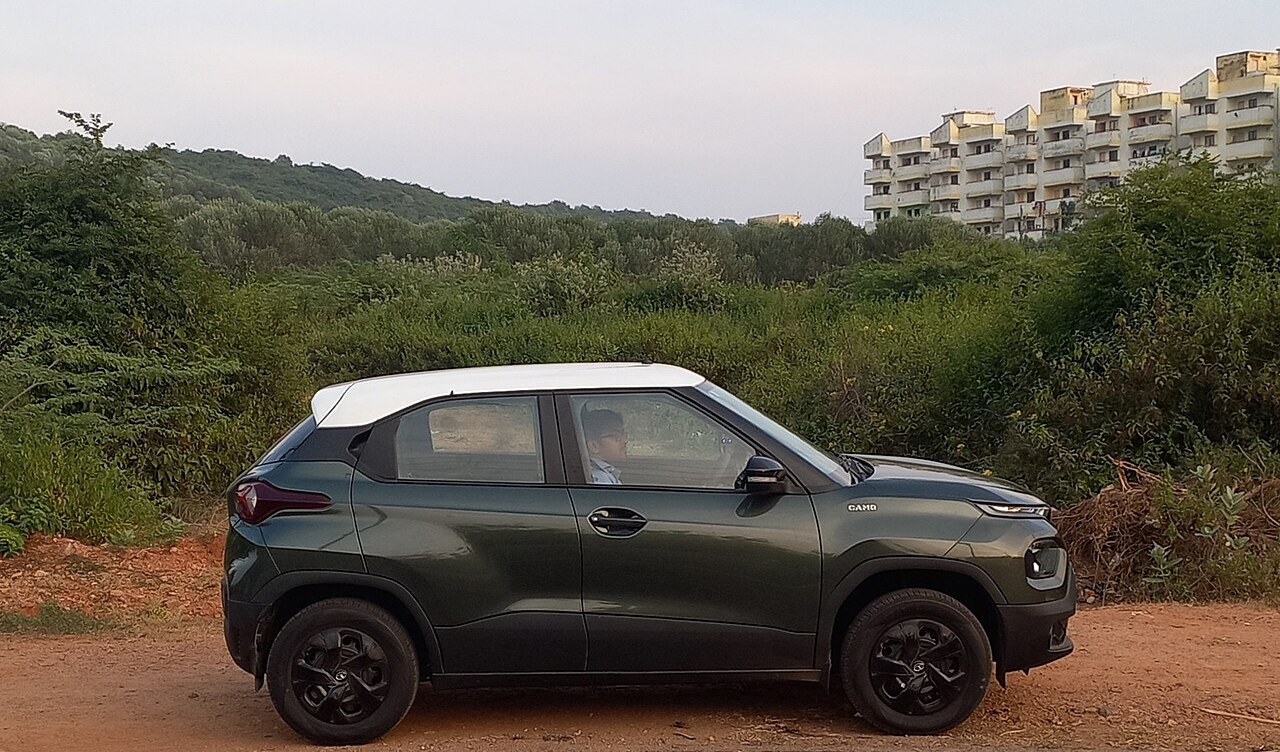
Tata Punch EV Gets Costlier Prices Up by Up to Rs 20,000

Tata has raised Punch EV prices by Rs 10,000 to Rs 20,000 across all six variants. The electric hatchback now costs Rs 9.79 lakh to Rs 12.99 lakh. Tata Motors has raised the price of the Punch EV, one of India's best-selling electric cars, with increases ranging from Rs 10,000 to Rs 20,000. Following the revision in September 2026, the electric hatchback is now priced between Rs 9.79 lakh and Rs 12.99 lakh. The hike applies to all six variants of the Punch EV. The facelift version was launched in February 2026 at a starting price of Rs 9.69 lakh, meaning the base model has now climbed by Rs 10,000 to Rs 9.79 lakh. Tata has not made any changes to the vehicle itself, and the company's move is likely tied to higher manufacturing costs. The Punch EV is sold with two battery options: a 30 kWh pack and a 40 kWh pack. The two variants built around the 30 kWh battery, Smart and Smart+, have each gone up by Rs 10,000. The four 40 kWh variants - Smart+, Adventure, Empowered and Empowered+ S - have become dearer by Rs 20,000. Only the Smart+ trim is offered with both battery sizes. New price list After the revision, the Smart+ with the 30 kWh battery costs Rs 10.39 lakh, while the 40 kWh version of the same trim is priced at Rs 11.19 lakh. The Adventure 40 kWh now sells for Rs 11.94 lakh and the Empowered 40 kWh for Rs 12.69 lakh. At the top of the range, the Empowered+ S carries a price tag of Rs 12.99 lakh. Buyers can also opt for the Punch EV under Tata's Battery-as-a-Service (BaaS) programme, which lowers the upfront cost to Rs 6.49 lakh. Under this scheme, the battery is billed separately at an EMI of Rs 2.6 per kilometre. Even with the latest increase, the Punch EV remains among the most affordable electric cars available in India. Motor, range and charging The two battery packs come with different powertrains. The 30 kWh variants use a 65 kW motor that produces 88 PS, while the 40 kWh variants are fitted with a 95 kW unit rated at 130 PS. That difference shows in acceleration: the larger-battery cars reach 100 km/h from a standstill in 9 seconds, compared with 13.5 seconds for the smaller-battery models. On range, Tata rates the 30 kWh variants at 365 to 375 km on the MIDC Part 1 and Part 2 cycle, and the 40 kWh variants at 468 km. Using the company's own C75 calculations, a more realistic real-world figure works out to between 260 and 275 km for the smaller battery and around 335 to 355 km for the larger one. Both battery options offer City and Sport drive modes, and the 40 kWh variants add an Eco mode. All versions come with four levels of regenerative braking. On a 65 kW DC fast charger, both variants can be taken from 20 percent to 80 percent charge in roughly 26 minutes. The Punch EV also supports 3.3 kW and 7.2 kW AC charging. Market position The Punch EV competes against the Mahindra XUV 3XO EV, Citroen eC3, MG Comet EV and MG Windsor EV in the mainstream electric segment. Tata continues to lead that space by a wide margin. In August 2026, the company sold 13,158 electric cars and held a market share of about 43 percent, a position underpinned by high-volume models such as the Punch EV. With the price adjustment now in effect, all trims of the Punch EV reflect the higher costs, from the entry Smart variant to the fully loaded Empowered+ S. The specifications, features and battery options remain unchanged from the facelift introduced earlier in the year. Tata Punch EV, Tata Punch EV price hike, Punch EV price 2026, electric car India, Tata EV, Punch EV variants, Punch EV BaaS, affordable electric car

IMD Sees Rain Over Delhi for Three Days as Monsoon Nears Exit

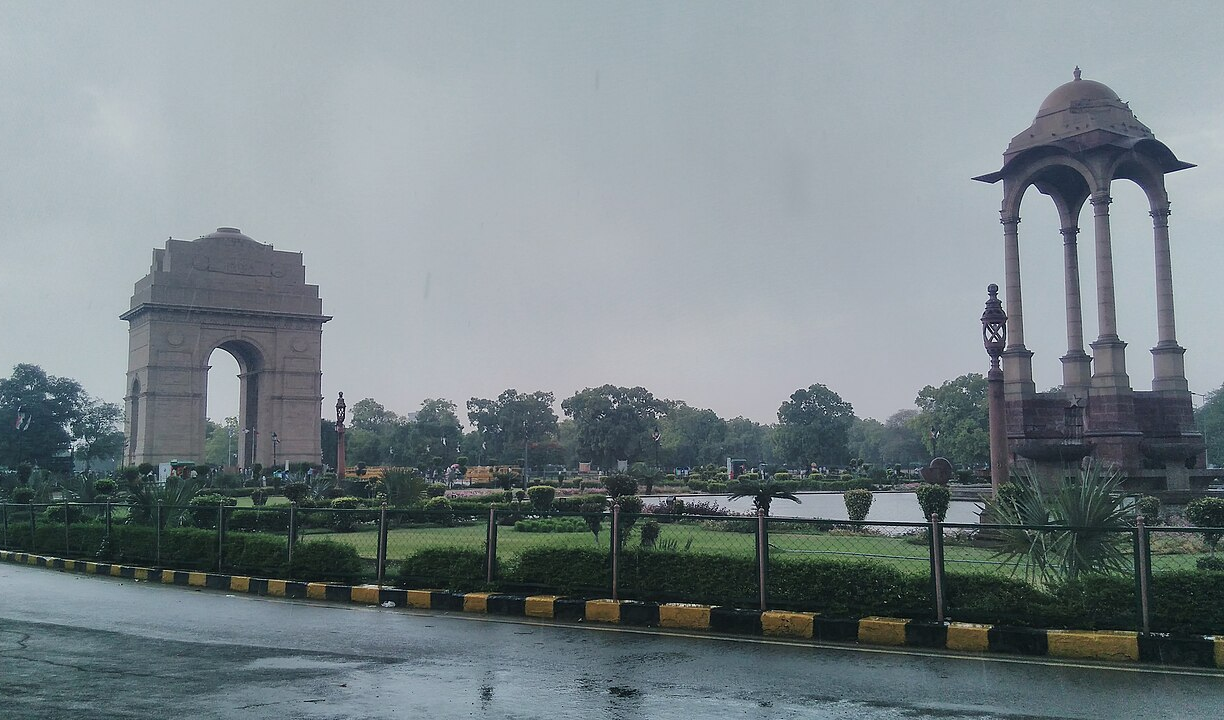
The IMD forecasts light to heavy rain over Delhi from September 13 to 17, possibly among the last big spells before the monsoon withdraws after September 21. Delhi is set for showers across three days, with the India Meteorological Department (IMD) predicting isolated heavy rain over the National Capital between September 13 and September 17. In a daily bulletin issued on Sunday, the department also flagged fairly widespread to widespread rain, with thunderstorms and lightning, across Delhi, Haryana, Chandigarh and Punjab on September 16 and September 17. Forecasters said the current run of wet weather may rank among the season's final heavy spells for the city. The southwest monsoon is likely to pull back from Delhi after September 21, and its exit is expected to arrive a little later than usual this year, they told PTI. The bulletin extended its heavy-rain warning beyond the capital. It cited isolated heavy rainfall over Uttarakhand and Himachal Pradesh on September 13, over Haryana, Chandigarh, Delhi and Punjab from September 13 to September 17, and over East Rajasthan on September 13 and September 14. For the days immediately ahead, the IMD kept its outlook modest. Monday, September 14, was expected to bring a partly cloudy sky, with very light to light rain and possible thunderstorms or lightning at scattered spots from afternoon into the evening. Tuesday was forecast to stay generally cloudy, with brief bursts of very light to light rain in the morning and again later in the day. Temperatures were expected to hold steady. The IMD put Monday's maximum near 35 degrees Celsius and the minimum around 26 degrees Celsius. On Sunday, the minimum settled at 26.2 degrees Celsius, marginally above the seasonal norm. The forecast followed a damp weekend. Rain and overcast skies covered parts of the city on Saturday, before a short break on Sunday ahead of the next expected spell. Rainfall on Saturday varied sharply across monitoring stations. Between 8.30 am and 5.30 pm, Safdarjung logged 3.4 mm, while Lodi Road and Ayanagar each recorded 0.5 mm. Palam saw only trace amounts, and the Ridge station reported none. The 24-hour totals to 8.30 am told a different story, with the heaviest readings in the city's north. Ridge topped the list at 10.6 mm, closely followed by Ayanagar at 10.3 mm. Palam recorded 4.7 mm, Lodi Road 2.4 mm and Safdarjung 1.8 mm. Delhi rain forecast, IMD monsoon, Delhi weather, southwest monsoon withdrawal, Delhi thunderstorm, NCR rainfall, Delhi temperature, Safdarjung rainfall

China Warns It May Scrap Summit Over U.S. Arms Sales to Taiwan

Beijing has threatened to call off a planned summit with the United States if Washington approves fresh arms sales to Taiwan. China has warned that it could cancel a planned summit with the United States if Washington moves ahead with new arms sales to Taiwan. The threat ties the fate of high-level talks between the two governments directly to any fresh U.S. decision to supply weapons to the island. Beijing signaled that approval of a new arms package would be enough to derail the meeting. China claims Taiwan as part of its territory and has consistently objected to American military support for Taipei. U.S. arms sales to Taiwan have long ranked among the most contentious issues in relations between Washington and Beijing. By linking the summit to the arms question, China is pressing the United States to hold off on any new approval. The warning raises the stakes for a meeting that both sides had been preparing to hold. No date for the summit, and no details of the arms package under consideration, were disclosed. It was also not stated how the United States has responded to the threat. The warning marks the latest friction point between the two governments over Taiwan, and leaves the planned talks in doubt pending Washington's next move on weapons sales. China Taiwan arms sales, US Taiwan weapons, China US summit, Taiwan Strait tensions, Beijing Washington relations, arms sales Taiwan, US China diplomacy

Algeria Cuts Diplomatic Ties With the UAE

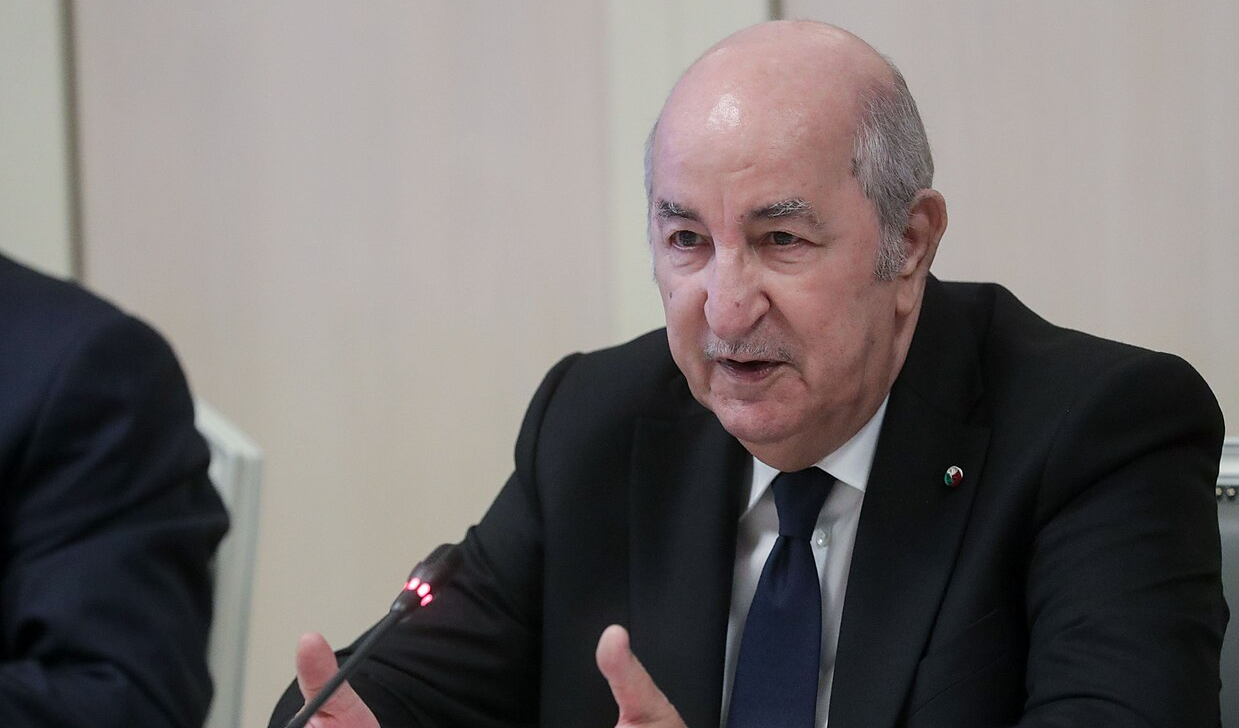
Algeria has severed diplomatic relations with the UAE, citing hostile acts and giving the Emirati ambassador 48 hours to comply. Algeria has decided to sever diplomatic relations with the United Arab Emirates, its foreign ministry announced, blaming what it described as "provocative or hostile" acts by the Gulf state. The statement, carried by Algerian state media, said the country had reached the point where it could no longer tolerate the Emirati conduct. The ministry summoned the UAE ambassador and informed him of the decision, telling him he had 48 hours to comply. It said Algeria had "exhausted all means of preserving bilateral relations" before taking the step. "Algeria spared no effort to draw the Emirati side and warned it of the dire consequences that could result from its regrettable and unjustified behaviour," the statement said. The ministry did not set out any specific incidents or grievances to explain the move. There was no direct response from the UAE government. However, Anwar Gargash, diplomatic adviser to the Emirati president, addressed the issue in a post on X. He did not name Algeria, but appeared to reject the manner in which the rupture had been handled. "Diplomatic relations are managed through rationality, communication and clarity of interests," Gargash wrote. He added that ties are not built on "riddles and signals that require decoding," and that successful diplomacy rests on understanding and managing shared interests and differences. "Ambiguity is not a policy, and noise does not compensate for the absence of vision," Gargash said. Years of regional friction Relations between the two countries have grown increasingly strained over recent years, driven by opposing positions on several regional questions. The two governments have found themselves on different sides of some of North Africa's most contentious disputes. Algeria refuses to normalise diplomatic relations with Israel. The UAE, along with Algeria's neighbour and rival Morocco, established ties with Israel under the US-brokered Abraham Accords. That divide has been a persistent source of tension between Algiers and Abu Dhabi. The Western Sahara divide The two states are also at odds over Western Sahara, a territory at the centre of a decades-long dispute over sovereignty. The UAE backs Morocco's claim to the region. Algeria, by contrast, supports the Polisario Front, an armed group that seeks an independent state in Western Sahara for the Sahrawi people. The competing alignments have deepened the rift, tying the Algeria-UAE relationship to the wider rivalry between Algeria and Morocco. The severing of relations marks a sharp escalation in a dispute that has simmered for years without a formal break. With no detailed explanation from Algiers and no substantive reply from Abu Dhabi beyond Gargash's remarks, the specific trigger for the decision remains unstated. Algeria UAE relations, diplomatic ties severed, Anwar Gargash, Western Sahara dispute, Abraham Accords, Polisario Front, Algeria foreign ministry, Morocco Algeria rivalry

Saudi Arabia Halts East-West Oil Pipeline After Drone Strike From Iraq

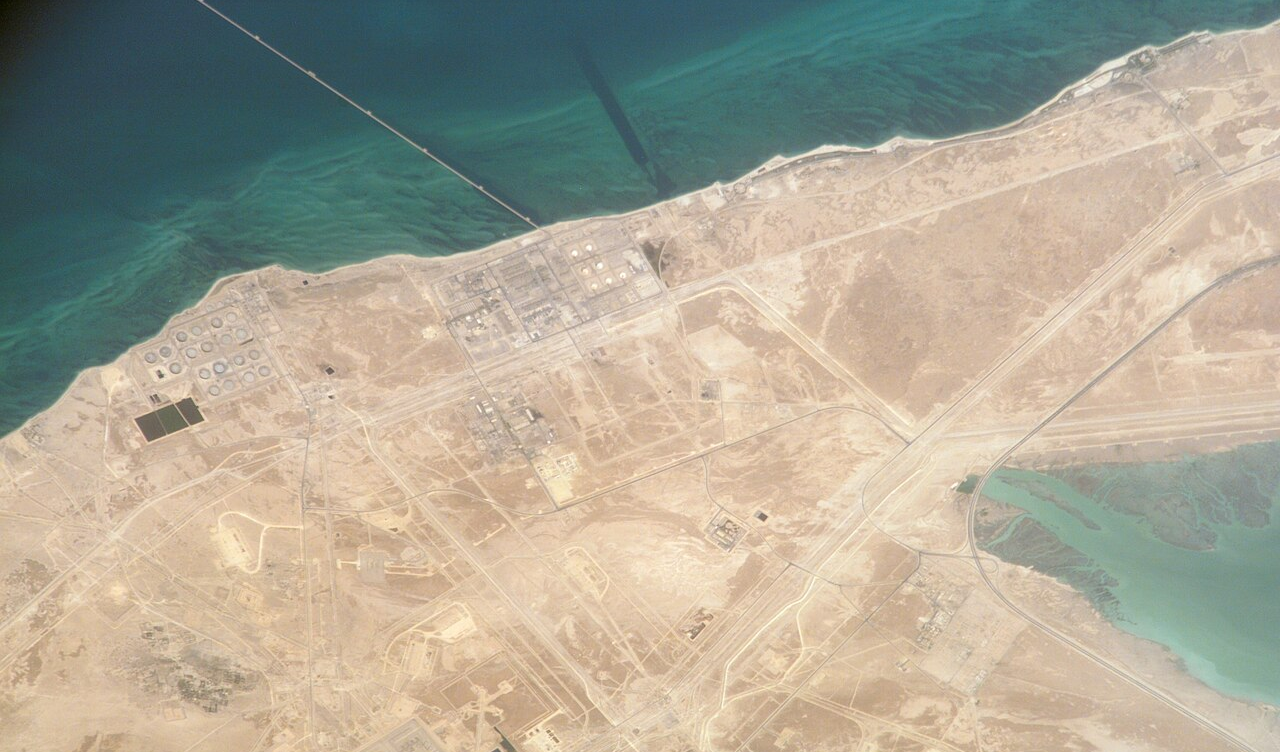
Saudi Arabia shut its East-West pipeline after a drone attack launched from Iraq's Maysan province. Iraq fired a commander and opened an investigation. Saudi Arabia has shut down its East-West oil pipeline after the line was hit by drones flown in from neighbouring Iraq, closing a route the kingdom relies on to move crude without passing through the Strait of Hormuz. Riyadh announced the closure on Friday, calling it a precautionary step while it assessed the damage. Iraq acknowledged that the drones had come from its territory, specifically from Maysan, a province on its border with Iran. The Iraqi prime minister's office said it had dismissed the operations commander for the governorate after confirming the attack originated there, and it has opened an investigation into how the strike was mounted. The Saudi foreign ministry said the attack caused injuries and physical damage, the full extent of which was still being measured. Satellite photographs released afterwards showed burned ground and smoke rising near the targeted section of the line. Imagery from Planet Labs captured the site before and after the hit. The pipeline stretches 1,200km (745 miles) and is central to how Saudi Arabia, the largest crude exporter in the world, ships oil while sidestepping the congested Strait of Hormuz. According to Reuters, which cited ship-tracking firms and analysts, the route had been carrying between 4% and 5% of the world's oil supply before the shutdown. Saudi Arabia said it would not strike back for now. Its foreign ministry said the decision followed a telephone call from the Iraqi prime minister, and that the kingdom would back Baghdad's efforts to stop cross-border attacks on its neighbours. At the same time, the ministry said Riyadh keeps the option of acting later, stating it "reserves its right to take all necessary measures to safeguard its sovereignty and security, protect its facilities, and ensure the safety of its citizens and residents." This is not the first time Riyadh has blamed armed groups inside Iraq for going after its energy sites. Saudi Arabia has before pointed to Iran-backed militias operating on Iraqi soil, and it has joined the United States in carrying out strikes against those groups after accusing them of sending drones at oil installations. Gulf states condemn the strike The Gulf Co-operation Council, whose members are Saudi Arabia, the United Arab Emirates, Bahrain, Oman, Qatar and Kuwait, issued a joint statement denouncing the attack. Its secretary general, Jasem Mohamed Albudaiwi, described the strike as "a dangerous escalation and an unacceptable threat to the security of the Kingdom of Saudi Arabia, its territorial integrity, and its vital installations, as well as a flagrant violation of the principles of international law." The strike landed as fighting across the wider region intensifies. The confrontation between the United States and Iran has now run into its seventh month, and the pressure on oil routes is mounting on more than one front. Houthi gains in Yemen In Yemen, Iran-aligned Houthi fighters have pushed forward rapidly over the past week and, according to sources, taken control of much of the country's coastline. The group said it now holds the Bab al-Mandab Strait, the entry point to the Red Sea and, beyond it, the Suez Canal. The Houthis said shipping through the waterway remained "safe for all." The rebels seized the entire Red Sea coast earlier in the week. On Friday, forces loyal to Yemen's Saudi-backed government said they had hit Houthi positions in Mokha, a coastal city of strategic value, a day after the group consolidated its hold on the shoreline. Together, the pipeline closure and the Houthi advance place fresh strain on the global shipping lanes that carry a large share of the world's oil, tightening the squeeze on routes that run through both the Red Sea and the Gulf. Saudi Arabia oil pipeline, East-West pipeline, Iraq drone attack, Maysan governorate, Houthi Yemen advance, Strait of Hormuz, Iran-backed militia, Bab al-Mandab Strait

New Hero ADV Bike Spied on Factory Floor, Could Be Impulse 160

Hero MotoCorp's new small-displacement ADV has been spied uncamouflaged and production-ready. It may revive the Impulse name or arrive as an Xpulse 160. Hero MotoCorp's next adventure motorcycle has been spied again, this time on what appears to be a factory floor, and the uncamouflaged bike looks close to production. The image was posted by Reddit user xtremeAnkit and shows a small off-road machine that could revive the Impulse name or arrive as an entry-level Xpulse. The sighting follows a clear trail. In May 2025, road-testing spy shots of a new Xpulse first surfaced. Last month, Hero filed design patents for an off-road motorcycle positioned below the Xpulse 200. The latest photo carries no camouflage, suggesting the project is near launch. The bike sits at the affordable end of Hero's growing premium range. At the top is the Xpulse 421, the company's halo adventure model. Below it, Hero appears set to slot a smaller, cheaper ADV aimed at a wider set of riders. The strategy is part of a broader push to move the brand beyond its long-standing image as the maker of the Splendor commuter. What the spy shot shows Details are limited because the picture is blurry, but several features stand out. The motorcycle has an up-swept exhaust, which helps with water wading, along with on/off-road tyres and a chunky rear luggage rack. Its colour reads as orange, though it could be red depending on how the camera rendered it. The test mule lines up with the recently filed design patents, and it also matches last year's road-testing shots. It has a tall fuel tank paired with tank shrouds. The patents confirmed a front beak, a single-piece scooped-out seat and large side body panels. Those patents also showed LED projector headlights and fork gaiters on the front suspension. The front wheel looks like a 21-inch unit and the rear a 18-inch, the same sizing used on current Xpulse bikes. Disc brakes appear at both ends, though they are standard rotors rather than the fancier petal type. India-spec and export clues The patent drawings included a saree guard on the left, a feature specific to India-spec motorcycles. At the same time, the design appeared to show a carburetor, which points to versions built for a few African markets rather than India. On features, the production bike could offer dual-channel ABS, a fully digital instrument cluster with Bluetooth, turn-by-turn navigation and traction control, among other additions. The engine remains the biggest open question. The design patents suggest a unit similar to the one in the Xpulse 200. However, there is a strong chance the India version uses something smaller, likely a 160cc motor. That could be close to the oil-cooled 160R 4V engine already used in Hero's Xtreme range. For now, Hero has two paths in front of it. It can bring back the old Impulse ADV badge, or it can stretch the Xpulse nameplate downward to pull in more buyers. Either way, the spy shots point to a compact, off-road-focused motorcycle that is close to reaching showrooms. Hero MotoCorp, Hero Impulse 160, Hero ADV bike, Hero Xpulse, adventure motorcycle India, Hero spy shots, Xpulse 200, 160cc ADV

Hyundai India Sales Jump 23.6% in August as Creta Leads

Hyundai Motor India sold 54,396 units in August 2026, up 23.62% YoY. Creta led sales while Venue and Exter posted the biggest growth. Hyundai Motor India sold 54,396 units in the domestic market in August 2026, a rise of 23.62% over the 44,001 units it moved in August 2025. The double-digit annual gain came even as volumes stayed largely flat compared with July. The Creta again topped the company's line-up, while the Venue and Exter delivered the sharpest year-on-year growth. The Creta accounted for 16,288 units during the month, 2.29% more than the 15,924 units it recorded a year earlier. Sales slipped 9.95% against July's 18,088 units, but the SUV still made up 29.94% of Hyundai's August volumes, keeping it the company's best seller by a wide margin. Hyundai has announced a new Lounge Edition for both the Creta and the Alcazar. The Venue took second place with 11,365 units. Sales climbed 40.15% from 8,109 units a year ago and edged up 2.43% over July's 11,095 units, giving the model a 20.89% share of Hyundai's domestic sales. The current Venue recently received an over-the-air update that adds a remote engine immobiliser feature. The Exter posted an even stronger run, with 8,157 units sold. That marked a 61.17% jump from 5,061 units in August 2025 and a 19.78% gain over the 6,810 units of July. Aura and i10 NIOS climb The Aura reached 6,685 units, up 25.28% year on year and 14.92% month on month. The Grand i10 NIOS added 5,342 units, growing 36.69% over last August and 31.74% over July. The i20 sold 5,165 units, a 42.13% increase from 3,634 units a year ago, though it fell 23.35% from the 6,738 units it managed in July. Together, Hyundai's six highest-volume models - the Creta, Venue, Exter, Aura, i10 NIOS and i20 - made up nearly all of the company's domestic sales for the month. Alcazar, Verna and EVs at the bottom At the lower end of the chart, the Alcazar registered 856 units, down 27.89% year on year and 0.70% from July. The Verna fell further, to 529 units, a drop of 31.39% against last August and 28.22% against July. Hyundai's electric and larger models saw minimal activity. The IONIQ 5 recorded just nine units in August, against 14 a year earlier and eight in July. The Tucson posted no sales at all during the month, compared with 57 units in August 2025. Two new SUVs on the way Hyundai is preparing to widen its India range with two new SUVs during the current financial year, and both have already been caught testing on Indian roads. The first is expected to be a midsize SUV built on the international-specification Hyundai Bayon. It is set to sit alongside the Venue and Creta, though the company has not confirmed final specifications or positioning for India. The second is a sub-four-metre all-electric SUV that Hyundai plans to manufacture in India. Test mules have been spotted on several occasions. Positioned below the Creta Electric, it would give Hyundai a more affordable, locally built electric SUV and could become a key volume model for the brand's EV business. Hyundai India sales, Hyundai August 2026 sales, Hyundai Creta, Hyundai Venue, Hyundai Exter, Hyundai Bayon SUV, Hyundai electric SUV India