

Language Settings
Select Website Language

GDPR Compliance

We use cookies to ensure you get the best experience on our website. By continuing to use our site, you accept our use of cookies, Privacy Policy, and Terms of Service.

Filters

Channels
Topics
Other Filters

Man City CEO Soriano Defiant After Premier League Ruling

Manchester City chief Ferran Soriano vows to fight after the club is found guilty of most of 115 Premier League charges. City will appeal. Manchester City chief executive Ferran Soriano has delivered a defiant message to rival club executives after the Premier League found the club guilty of the majority of charges brought against it. Speaking at a European Football Clubs board meeting in Copenhagen, held before the body's general assembly on Tuesday, Soriano vowed to fight the findings and warned that the case still had far to go. Soriano told the assembled executives that "it's taken eight years to get here and it's going to take a lot more time," according to the Press Association, a reference to the Premier League investigation that began in 2018. He then left the meeting without taking any questions from reporters. His remarks echoed a letter sent to supporters by City chairman Khaldoon Al Mubarak. The verdict emerged on Friday, when it became clear the club had been found guilty of the vast majority of the 115 charges laid against it. The accusations covered a broad range of alleged rule breaches, centred on claims that City inflated sponsorship income from connected companies and made other "off the books" payments to get around financial regulations. Sanctions have not yet been announced. Possible outcomes include a points deduction, expulsion from the top flight or a substantial fine. BBC Sport has been told City intend to appeal, while other Premier League clubs are seeking legal advice on compensation linked to the charges. The meeting in Copenhagen was attended by senior figures from across European football. Among them were Manchester United's chief of international football relations Jean-Claude Blanc and Everton owner Dan Friedkin, who was present in his role as owner of Roma. European Football Clubs was formerly known as the ECA. City have publicly stressed that the matter is far from settled. The club issued a statement saying the "Premier League process remains ongoing with significant elements to be completed, and subject to strict confidentiality." The Premier League itself declined to comment. Al Mubarak struck a similar note in his message to fans on Saturday, insisting the club remained sure of its case. "The Premier League process still has a long way to run, and our confidence and intent in proving the club's innocence is just as strong as when this began," he wrote. The chairman said confidentiality rules prevented him from setting out the full basis for that confidence. "There are so many things that I would like to be able to share with you to help you understand why we feel so confident in our position," he said. "But the strict confidentiality of the legal process and our determination to respect it means I cannot do that at the moment. Even this letter underwent several legal checks to make sure it complies." Soriano has been Manchester City's chief executive since 2012. His public stance, alongside that of Al Mubarak, signals that the club is preparing for a prolonged legal battle rather than accepting the ruling. With an appeal planned and rival clubs weighing compensation claims, the dispute between Manchester City and the Premier League looks set to continue well beyond the initial finding of guilt. Manchester City, Ferran Soriano, Premier League charges, Khaldoon Al Mubarak, 115 charges, financial rules, Premier League sanctions, Manchester City appeal

Trump Turns Down Iran's Offer to Reopen Strait of Hormuz

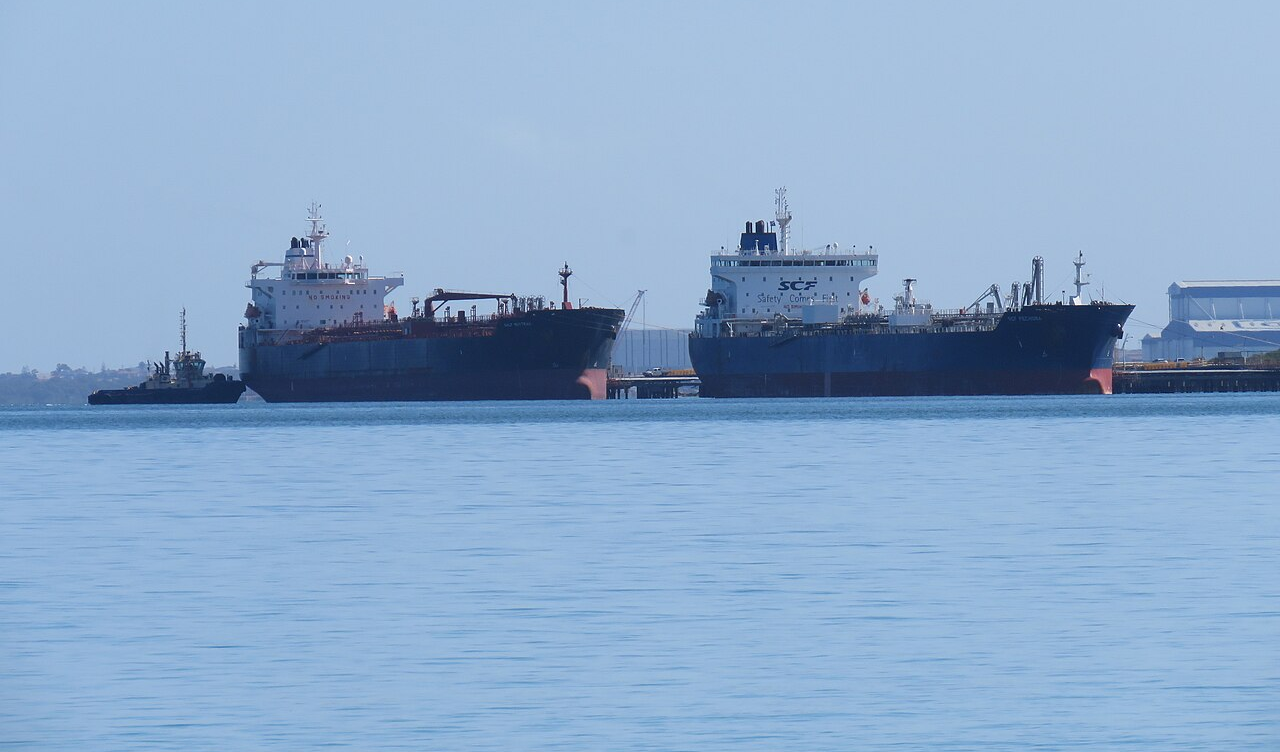
Trump rejected Iran's proposal to reopen the Strait of Hormuz within a week, saying the US already has control of the waterway. Tehran awaits mediators' views. US President Donald Trump has turned down an Iranian offer to reopen the Strait of Hormuz to commercial vessels within seven days, telling reporters at the White House on Saturday that the proposal was not one Washington could accept. "I'm rejecting their deal," he said, arguing that the United States already held "total control" of the waterway and that "massive amounts of oil" were already moving through it. Trump said Tehran was pressing for an immediate reopening because it was "losing so badly," and framed the request as a sign of Iranian weakness. "They want to make a deal, and I think that's fine. I like making a deal, too. But that deal would not be acceptable," he added. Iran's Foreign Minister Abbas Araghchi responded in a post on Telegram, saying Tehran had noted the president's remarks but would hold off on any move until it heard back formally from mediators. He wrote that Trump "has made many good statements, as well as many contradictory ones, which unfortunately we hear frequently," and said Iran would await the "definitive views" of the mediators before deciding how to proceed. The strait, which normally carries roughly a fifth of the world's oil and gas shipments, has been effectively shut since fighting broke out in February. Its closure has sent energy prices swinging sharply and added to the domestic pressure on Trump to bring the conflict to a close, with US Congressional elections due in November. Speaking to reporters at the United Nations in New York on Friday, Araghchi had set out the Iranian position in more detail. He said passage through the strait could return to normal "within seven days" provided "the necessary conditions are met." Those conditions, he stressed, were not fresh demands but steps already written into a memorandum of understanding the two governments signed in June. "The actions that the United States should take are not new," he said. "They are all already in the MOU. The choice now rests with the United States." Iranian President Masoud Pezeshkian pointed to the same document in an interview with CBS News. He said the two sides had earlier settled on terms based on the memorandum, which was signed in Pakistan, and that a return to the previous status quo was possible if Washington was willing. "If the United States agrees to proceed in that way, everything will return to the way it was before," he said. The 14-point memorandum was drawn up to secure a ceasefire and to at least partially restore traffic through the strait. Among its provisions was a commitment that Iran would never acquire a nuclear weapon. Prospects for reviving that framework, however, appear slim. Kirsten Fontenrose, who sat on the National Security Council during Trump's first term, told the BBC that there was little enthusiasm in Washington for reopening talks built around the memorandum, which is widely regarded there as a poor bargain. She said Iran was "pushing against a very closed door." Reporting on Friday suggested the US president shares that skepticism. According to the Wall Street Journal, officials said Trump doubted Iran would meet his conditions and had told his staff he considered a fresh bombing campaign likely. Trump has also warned publicly that he would "annihilate" Iran if no agreement is reached. The current standoff traces back to air strikes launched by the United States and Israel in late February. Iran retaliated by striking Israel and US military bases across the Gulf, hitting Arab Gulf states allied with Washington, and moving to block the Strait of Hormuz - the choke point that has since become central to the dispute. For now, the two capitals remain far apart. Tehran says the path to reopening the waterway is already spelled out and that the decision lies with Washington. Trump insists the offer on the table is unacceptable and maintains that US forces command the strait regardless. Araghchi's message leaves Iran's next step tied to what the mediators conclude, keeping the fate of one of the world's most important shipping lanes unresolved. Strait of Hormuz, Donald Trump, Iran, Abbas Araghchi, Masoud Pezeshkian, oil prices, US Iran conflict, memorandum of understanding

Hundreds Camp in Madrid Tents to Protest Housing Crisis

Hundreds of protesters have pitched tents in central Madrid to demand action on housing costs and evictions, with demonstrations spreading to Barcelona. Hundreds of protesters have pitched tent encampments in central Madrid to demand that the government act on soaring housing costs and rising evictions. The demonstrations have since spread to Barcelona, widening the reach of the campaign. The protesters used the camps to press two linked demands: relief from housing costs that they say have climbed out of reach, and stronger protection for people facing eviction. By occupying central public space with tents, they turned the shortage of affordable homes into a visible, physical presence in the heart of the capital. Spain is confronting a severe shortfall in housing supply. The country currently faces a deficit of 750,000 homes, a gap between the number of homes available and the number people need. The central bank has warned that the situation is set to deteriorate. It cautioned that the shortage could exceed one million homes by 2028 if current trends continue, pointing to a widening gap in the years ahead rather than a problem that is easing. The move of the protests from Madrid to Barcelona signals that frustration over housing is not confined to a single city. The encampments have brought demonstrators into direct, sustained contact with the streets of two of Spain's largest urban centres, keeping the demands for government action in public view. Madrid housing protest, Spain housing crisis, tent encampment Madrid, Barcelona protests, Spain home shortage, evictions Spain, Bank of Spain housing deficit

Apple Ordered to Pay $5.7bn in Taction Patent Case

A California jury found Apple infringed two Taction Technology haptic-feedback patents and ordered $5.7bn in damages. Apple says it will appeal. A federal jury in the Southern District of California has ordered Apple to pay more than $5.7bn for using patented technology owned by Taction Technology, a San Diego-based company, to power the haptic feedback in its devices. Haptic feedback is the vibration users feel when a notification arrives or a button is pressed. The jury found that Apple infringed two patents held by Taction. It also found that the infringement was not wilful, rejecting Taction's claim that Apple knowingly ignored the patents. Apple said it plans to appeal the verdict, which was returned on Friday. "We're happy the jury found for Taction and vindicated its patent rights," said Lance Yang, an attorney for the company, after the decision. The verdict closes one chapter of a legal fight that started in 2021, when Taction first sued Apple. In its original 31-page complaint, the company argued that Apple was building its commercial success on Taction's work. "Apple is capitalising on Taction's innovation and success by selling devices that infringe Taction's patents," the filing said. It added that Apple was "utilising Taction's patented inventions without license or authority" and that it had brought the case "to remedy Apple's infringement." Taction also alleged that Apple "at a minimum believed there was a high probability that the accused products were covered by Taction's patents, but willfully blinded itself" to those patents and to the infringing nature of the products. The jury did not agree on that point, concluding the violation was not wilful. The case has moved back and forth through the courts. In 2023, a federal judge ruled that Apple had not infringed Taction's patents. An appeals court revived the lawsuit last year, setting the stage for the trial that produced Friday's award. Apple pushed back on the finding by drawing a line between its own hardware and Taction's designs. "Apple's Taptic Engine is fundamentally different from Taction's technology, which Taction's own testing of Apple's products confirmed during trial," the company said in response to the verdict. A verdict during a leadership handover The ruling lands as Apple works through a change at the top. In September, John Ternus took over as chief executive from Tim Cook, who had run the Cupertino, California-based company for 15 years. The handover comes as Apple trails other large technology firms in bringing its artificial intelligence products to market. Investors reacted to the decision. Apple shares fell about 2 percent as trading opened on Monday. Apple patent verdict, Taction Technology, haptic feedback patents, $5.7bn damages, Taptic Engine, iPhone patent case, Apple appeal, John Ternus

Slovenia Shifts Toward Israel After Janša-Netanyahu Meeting

Slovenian PM Janez Janša met Israeli PM Benjamin Netanyahu on the sidelines of the UN General Assembly, marking a sharp change in Slovenia's policy on Palestine. Slovenian Prime Minister Janez Janša met Israeli Prime Minister Benjamin Netanyahu on the sidelines of the United Nations General Assembly, a meeting that signals a sharp change in Slovenia's approach to Israel and the Palestinians. With Janša back in office, the country's policy towards Palestine has shifted markedly. The encounter with Netanyahu at the UN gathering underlined the new direction, reversing the tone Slovenia had struck under its previous leadership. The change was set out by Al Jazeera's Nafisa Latic, who examined what lies behind the reversal and how Janša's return has reshaped the government's stance. Slovenia had been among the European states that took a more critical position on Israel's conduct and moved to recognise the state of Palestine. The meeting between Janša and Netanyahu points to a departure from that path, aligning the government more closely with Israel. The talks took place during the annual UN General Assembly, where world leaders gather and hold bilateral meetings away from the main sessions. It was in that setting that the two prime ministers came together. The scale and permanence of the shift remain to be seen, but the meeting itself marks a clear public turn in Slovenia's foreign policy under Janša. Slovenia Israel policy, Janez Jansa, Benjamin Netanyahu, UN General Assembly, Slovenia Palestine, Jansa Netanyahu meeting, Slovenia foreign policy, Middle East diplomacy

On Yemen's Taiz Front Line as Houthis Mass for Offensive

Pro-government forces are battling advancing Houthi fighters in the mountains near Taiz, where residents live under mortar fire and both sides brace for a major push. Pro-government soldiers backed by Saudi Arabia are fighting to hold back Houthi forces in the mountains south-west of Taiz, Yemen's third largest city, as both sides prepare for what fighters describe as an imminent major offensive. The clashes have sharpened this month after the Houthis pushed down the Red Sea coast and seized a critical stretch of shipping territory, driving the country's long war into a new and dangerous phase. The fighting turned fiercer after the Houthis captured the strategic port of Mokha, 85km west of Taiz, on 10 September. The seizure shattered a ceasefire that had broadly held for four years. With Mokha in their hands, the group now commands a band of territory overlooking the Bab al-Mandab Strait, the narrow corridor that links European and Asian shipping routes. Fears of disruption to supplies from the region have already helped push up oil prices. Reporters who travelled with government troops from Taiz passed through a series of checkpoints to reach the point where their control ends and open ground begins. In the hills, the danger arrives from the air first. A soldier accompanying the group warned that the buzzing of a drone overhead was usually the signal for an attack. The party took cover in bushes, then moved out by vehicle. Around ten minutes later, a run of heavy blasts struck nearby, though the exact impact points were not clear. The slopes are dotted with houses, but many now stand empty after families fled the shelling. The area is unusually silent, without the constant traffic of the city below. The only sounds are livestock and the crack of fire moving in both directions. A goat herder who would not leave About a kilometre from the front line, a man named Ali sat outside his home surrounded by goats. Two mortar rounds had already struck his land, he said. He had sent his children to a camp for displaced people because they could no longer bear the constant shelling and gunfire, but he had chosen to remain with his wife and sisters to guard the animals. "I am terrified," he said, adding that leaving was not an option. Without the livestock, he said, the family faced starvation regardless. He asked to be identified by his first name alone, worried about what might happen to him if the Houthis overran the area in the coming days. His fear reflects a wider expectation of escalation. Sources on the Houthi side say the group is bringing troops together in readiness for a large assault. Asked about those preparations, government commanders said they were aware of the buildup and were readying their own forces. Eighteen bodies no one can reach At the checkpoint nearest the front, fighters had just come back from positions high on the mountain, only a few hundred metres from advancing Houthi units. One described a stretch of ground his unit could shoot across but not physically reach, where the bodies of 18 government soldiers had been left. "We shoot over them, but we can't pull them out," he said. Taiz is more than a military prize. Home to close to a million people, it is regarded as Yemen's cultural capital and sits at a vital junction between the Houthi-held north and the government-controlled south. The city is boxed in by front lines on several sides. Government forces hold its centre, while Houthi positions sit to the north and east. The most intense recent combat has been on the western approaches, where the two sides are contesting high ground. The convergence of front lines around the city, combined with the Houthi advance along the coast, has left Taiz exposed on multiple fronts at once. For residents like Ali, the choice is stark: abandon homes and livelihoods, or stay within range of the guns and wait to see which side controls the ground when the fighting stops. Yemen civil war, Taiz front line, Houthi offensive, Mokha port, Bab al-Mandab Strait, Yemen conflict, Red Sea shipping, pro-government forces

Gulf Keeps Its Energy Edge - But at a Cost, Analysis Warns

An analysis argues the Gulf region will retain its competitive edge in global energy markets, but only at a mounting price. The Gulf region will hold on to its advantage in global energy markets, but that edge will come at a growing cost, according to a new assessment of the region's position. The analysis focuses on the Gulf's standing as a central force in the world's energy supply. Its core conclusion is direct: the competitive strengths that have long defined the region's oil and gas sector are not about to disappear. What is changing, the assessment argues, is the price of keeping them. That framing sets the region's endurance against a rising bill. The Gulf's edge survives, but sustaining it demands more than it once did - a trade-off the analysis places at the center of its outlook for the region's energy future. The headline verdict pairs continuity with cost. Rather than forecasting decline for the Gulf's energy producers, the assessment points to a future in which the region stays competitive by paying more to do so. The advantage remains real; it is simply no longer free. The conclusion carries weight because of the Gulf's scale in the global market. As one of the world's most important energy-producing regions, shifts in its competitive position ripple outward to the buyers and economies that depend on its output. The assessment stops short of declaring a turning point. Its message is one of qualified endurance: the Gulf's energy leadership persists, but the terms on which it is held are tightening. Gulf energy markets, Middle East oil, energy competitiveness, Gulf economy, global energy, oil and gas, energy transition, Gulf states

Trump Approves New Fuel Economy Rules, Rolling Back Biden Limits

President Trump says he approved weaker fuel economy standards, reversing Biden-era rules that targeted roughly 50 mpg by 2031 to boost electric vehicles. President Donald Trump said on Saturday that he approved new fuel economy standards, reversing stricter rules put in place under former President Joe Biden that were designed to accelerate electric vehicle adoption in the United States. The change targets the Corporate Average Fuel Economy standards, known as CAFE, which were first established in 1975 and have been updated periodically since, usually to push vehicles toward greater efficiency. Under Biden's rules, automakers would have needed to raise the fuel efficiency of passenger cars and light trucks to roughly 50 miles per gallon by 2031, a benchmark intended to spur electric vehicle production and sales. Trump described the reversal as a benefit for both carmakers and buyers, though the final standards have not yet been publicly detailed. "These new Standards will take the waste out of building cars in America. That means LOWER PRICES, saving families thousands on a new, beautiful, and safe car - Far better than the Environmental Monsters that we were building heretofore," he wrote in a post on Truth Social. In the same message, Trump said manufacturers had approached him about expanding domestic production. "Every Manufacturer, from General Motors to Ford to Stellantis, has called me wanting to build here, and now they can!" he wrote. The move delivers on a campaign promise to scrap policies that encouraged or subsidized electric vehicles. The exact figures in the revised standards remain unclear, but Transportation Secretary Sean Duffy has previously said they would be set sharply lower than the Biden-era targets. Looser standards give automakers more room to build pickup trucks and SUVs, which carry higher profit margins than smaller cars but consume more fuel. The change also makes electric vehicles less appealing for manufacturers to produce, although some companies have signaled they will continue building them. General Motors has said it will keep making electric models. Trump fuel economy standards, CAFE standards, Biden EV rules, electric vehicle policy, Sean Duffy, automakers regulation, fuel efficiency rollback, gas mileage rules

UK in Talks With US to Head Off Trump Diesel Export Ban

Chancellor John Healey says the UK is negotiating with Washington and preparing for a possible ban as diesel hits a record 199.33p a litre. The United Kingdom is negotiating with United States authorities to head off a possible halt to American diesel exports and has begun preparing for such a ban, Chancellor John Healey has told BBC News. His comments came after President Donald Trump said at the weekend he was considering blocking diesel shipments, telling reporters: "We're thinking about it very seriously." Speaking on the sidelines of the annual Labour Party Conference in Liverpool, Healey described current UK diesel prices as "extreme" and confirmed the government was in discussions with Washington. "We're also making the provision that we may need to and we have our own stocks in the UK," he said. The warning landed the same day pump prices reached a new record. The average price of a litre of diesel hit 199.33p on Monday, according to the RAC, passing the previous peak of 199.09p set in June 2022 after Russia launched its full-scale invasion of Ukraine. Petrol is also climbing, with a litre currently costing 174.23p. The UK relies on the United States for roughly a third of its diesel imports, and Healey acknowledged that a ban would push prices higher still. US sources indicate Trump is weighing the move to lower costs for American consumers ahead of the country's midterm elections. Why prices are surging The increases stem from supply pressures tied to two conflicts: the US-Israel confrontation with Iran and Russia's war in Ukraine. Over the past seven months, the war involving Iran has severely disrupted the production and transport of wholesale oil across the region, driving up the price of fuels refined from crude. The RAC said diesel prices had entered "uncharted territory," calling the record a reminder of "just how exposed the UK is to events occurring far away." The motoring group's figures underline how quickly overseas instability is feeding through to British forecourts. Healey framed a diplomatic resolution as the ultimate fix. "We work very closely with the Americans," he said. "In the end, we're also working with the Americans where we can try and put in place what will solve this, or at least significantly ease it, which would be a diplomatic settlement [and] an end to the fighting with Iran." Pressure on the October Budget The chancellor said he was "very aware" of the strain on households as he prepares what he called a "breathing space" Budget, due to be delivered on 28 October. The record pump prices arrive at a politically sensitive moment for the government's fiscal plans. A freeze on fuel duty, first introduced by the previous Conservative government in 2022, is set to expire at the end of the year. Under the current schedule, duty would rise by 3p in January and by a further 2p in March, adding to costs already inflated by global supply strains. Healey tied the domestic pressure directly to events in the Middle East. "Fundamentally, what we need is a settlement in the Middle East," he said. "We need an easing of the pressure of costs on business, the costs on households and on ordinary families that we see at the pumps in the most extreme level today for diesel." The BBC has contacted the White House for comment. For now, ministers are working on two tracks at once: pressing for a diplomatic settlement that could ease global fuel prices, while readying domestic stocks in case Trump follows through on his threat and American diesel stops flowing. UK diesel prices, Trump diesel export ban, John Healey, RAC fuel prices, fuel duty freeze, cost of living, Labour Party Conference, petrol prices UK

Flipkart Big Billion Days 2026 iPhone 17 Drops to Rs. 79,999

Flipkart's Big Billion Days Sale starts October 9, with the iPhone 17 256GB priced at Rs. 79,999 and the iPhone 15 from Rs. 63,999. Flipkart will open its Big Billion Days Sale 2026 on October 9, with eligible customers getting early access a day earlier on October 8. Ahead of the event, the retailer has published sale pricing for the iPhone 17 and iPhone 15 on a dedicated microsite. The 256GB iPhone 17 will sell for Rs. 79,999 during the sale, a cut of Rs. 19,901 from its listed price of Rs. 99,900. That figure factors in a Rs. 2,500 credit card EMI offer and a flat Rs. 3,000 exchange bonus. Buyers paying with a Flipkart Axis Bank or Flipkart SBI credit card can bring the price down further to Rs. 77,999, which includes 5 percent cashback. Flipkart is also listing six-month and nine-month no-cost EMI plans that start at Rs. 8,667. Shoppers trading in an eligible handset can claim an exchange discount of up to Rs. 89,850. The iPhone 17 comes in Black, Lavender, Mist Blue, Sage and White. It carries a 6.3-inch display and Apple's A19 chipset. iPhone 15 from Rs. 63,999 The older iPhone 15 will start at Rs. 63,999, a price that already accounts for a bank discount. The model is currently listed on the platform at Rs. 74,900. Customers can swap an older iPhone for an added reduction of up to Rs. 54,400. The iPhone 15 is offered in Black, Blue, Green, Yellow and Pink, and runs the A16 Bionic chip behind a 6.1-inch screen. Motorola and Pixel deals Apple is not the only brand in the lineup. Motorola has confirmed discounts across its Edge and G-series phones. Google's Pixel 11 will carry an effective price of Rs. 69,999 during the event. Flipkart is teaming up with select lenders to guarantee additional savings on purchases made through their cards and EMI transactions. Flipkart Big Billion Days 2026, iPhone 17 price, iPhone 15 discount, Flipkart sale, Pixel 11 price, no-cost EMI, smartphone deals India, iPhone exchange offer

Rain Sends Sri Lanka Past Nepal Into Asian Games Semis

Sri Lanka reached the Asian Games men's cricket semi-finals on ranking after their Nisshin quarter-final against Nepal was washed out on September 29. Sri Lanka advanced to the semi-finals of the Asian Games men's cricket competition on September 29, 2026, without playing a ball, after their third quarter-final against Nepal in Nisshin, Japan, was abandoned to rain. With no play possible, Sri Lanka progressed by virtue of holding a higher ranking than Nepal. Officials confirmed the washout at 8.50am local time, ending hopes of a contest that coverage earlier that morning had billed as a cracking one. It was the second straight day of frustration at the venue, as the previous day's matches had also been abandoned without a ball being bowled. Reports from the ground described rain "bucketing" down. Sri Lanka now face India in the last four. The India tie is being framed as a bumper fixture should the weather hold. The result denied Nepal a shot at history. The two nations had never met before, and Nepal arrived with momentum after upsetting Afghanistan by five wickets in their Group A match. That win had raised the prospect of a further scalp against more established opposition. Sri Lanka reached the quarter-final looking to improve on their 2022 campaign, when they were knocked out by Afghanistan. They fielded a second-string squad in Japan, though not one short of pedigree. Several players in the group have either represented the national team or been on its fringes, and were keen to press their claims with national selectors watching. Elsewhere in the draw, India were set to meet Afghanistan in another quarter-final, a repeat of the previous edition's final. Before the abandonment, uncertainty over the conditions dominated the build-up. Coverage had opened at 8.25am with the toss awaited and fingers crossed over the forecast. One reader asked commentators for the latest weather from Nisshin; the reply noted the live broadcast had not yet reached the desk, but that online forecasts had shown no rain on the horizon. The optimism did not last, and the tournament moved on with Sri Lanka through and Nepal out. Asian Games cricket, Sri Lanka vs Nepal, Asian Games semi-finals, Nisshin Japan cricket, Nepal cricket Afghanistan, India cricket Asian Games, men's cricket quarter-final

EPS Slams Vijay on Family Values, TVK Hits Back on Jayalalithaa

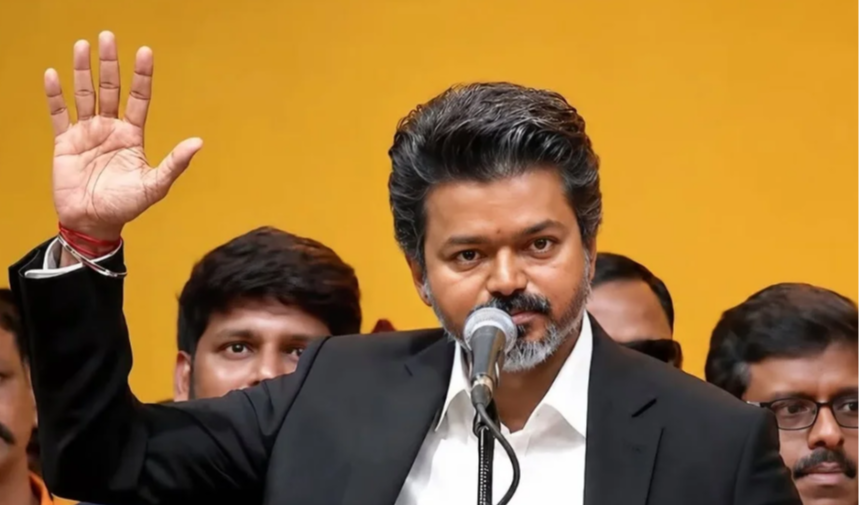
AIADMK chief Palaniswami targeted Vijay's personal life in Dharapuram as the TVK fired back ahead of Tamil Nadu's October 6 bypolls in two Assembly seats. The by-election contest for two Assembly seats in Tamil Nadu has turned sharply personal, with AIADMK chief Edappadi K Palaniswami attacking Chief Minister and TVK leader Vijay over his private life during a campaign appearance in Dharapuram, one of the AIADMK's strongholds. Palaniswami cast the October 6 bypolls in Madurantakam and Dharapuram as a fight for justice and urged voters to hand the ruling TVK a firm defeat. His central grievance was the TVK's decision to field two former AIADMK legislators who resigned days after this year's Assembly election results and crossed over to the governing party. Raising what he framed as questions of family values, Palaniswami challenged Vijay's public image directly. "He says that he'd be a brother, uncle and one among the family. One should live with the wife and children with affection. Are you qualified to say this? Punch dialogues on stage are not enough. One should live it and demonstrate in real life. We do that," the AIADMK chief said. The TVK responded quickly and pointedly. Party spokesperson M Sathya Kumar accused Palaniswami of resorting to personal jibes rather than examining why several of his own leaders had defected. He said the "Dravidian party takes things personally" and maintained that Vijay had never made personal remarks against opposition figures. Sathya Kumar also went after the AIADMK's electoral standing since the death of former chief minister Jayalalithaa. "EPS hasn't won elections after Jayalalithaa's death. That's why AIADMK cadre switch to TVK," he said, tying the party's alleged decline directly to Palaniswami's leadership. The two defectors at the centre of the fight The dispute centres on the two former AIADMK MLAs who quit shortly after the Assembly results and joined the TVK. Their switch drew allegations of horse-trading, which the ruling party has denied. Both seats they represented are now up for grabs, and the AIADMK is fighting to hold on to constituencies it won at the general election. For the AIADMK, retaining Madurantakam and Dharapuram is a matter of prestige. The DMK, meanwhile, is contesting without several of its earlier alliance partners, a number of whom have since joined the TVK or extended support to it. Why the rural test matters for the TVK The bypolls carry particular weight for the TVK. The party made strong gains in several urban pockets during the 2026 Assembly election but performed less well in rural areas. It is now trying to broaden its base in rural constituencies, where local and caste equations weigh heavily on outcomes. Winning both seats would reinforce the TVK's standing as a minority government and set the tone for five more vacant Assembly constituencies, where by-elections are expected later. The results are also likely to be read as a verdict on the performance of the Vijay-led administration. Alongside its rural push, the TVK is working to portray the AIADMK as a fading force under Palaniswami and to draw over its traditional supporters. The exchange over defections and family values reflects that broader contest for the AIADMK's voter base. Vijay opened his campaign in Dharapuram last week and is due to return to the constituency on Wednesday, keeping the bypoll rivalry in the spotlight in the days before voting. Tamil Nadu bypolls, Edappadi K Palaniswami, Vijay TVK, AIADMK, Dharapuram, Madurantakam bypoll, October 6 by-elections, M Sathya Kumar

SC Gives Poll Panel 3 Months to Rule on TMC Symbol Fight

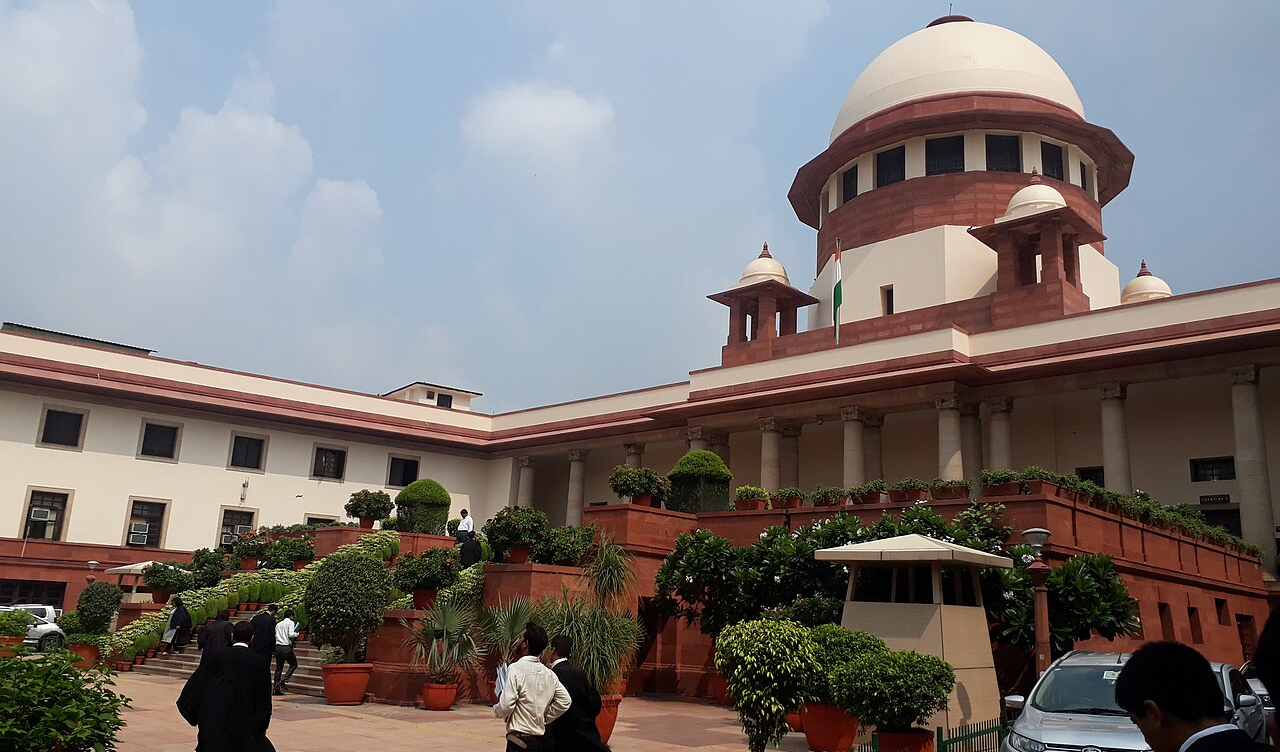
The Supreme Court has asked the Election Commission to decide the Trinamool Congress symbol dispute within three months, after the party's symbol was frozen. The Supreme Court on Monday directed the Election Commission to settle the dispute between the Mamata Banerjee-led Trinamool Congress and a rival faction over the party's "two flower with grass" symbol within three months. The court gave the two sides four weeks to complete their pleadings and submit evidence backing their claim to the symbol. The order came on a petition filed by Mamata Banerjee challenging the Election Commission's September 17 decision to freeze the TMC's original symbol. She is seeking to have that order quashed. Appearing for the Election Commission, senior advocate D Seshadri Naidu said the poll panel had taken between six and eight months to resolve similar symbol disputes in the past. He asked for six more months, pointing to ongoing preparations for assembly elections in five states. Senior advocates Kapil Sibal and Kalyan Bandopadhyay, appearing for Banerjee, told the bench that three months had already passed and that further delay would embolden the defectors. The rival faction is headed by Ritabrata Banerjee. The case was heard by a bench of Chief Justice of India Surya Kant and Justices Joymalya Bagchi and V Mohana. While the dispute remains unresolved, the Election Commission has issued interim symbols to both sides. The Mamata-led All India Trinamool Congress has been allotted the 'football player' symbol, and the rival Democratic Trinamool Congress has been given the 'envelope' symbol. Banerjee's petition argued that freezing the AITMC name and symbol was intended "mainly to disentitle Mamata from claiming name and symbol for which she has fought and represented all her life." TMC symbol dispute, Mamata Banerjee, Election Commission, Supreme Court, Trinamool Congress, Ritabrata Banerjee, AITMC, symbol freezing

Olise's Late Stunner Gives Rotated France 1-0 Win in Belgium

Michael Olise scored an 88th-minute gem as a heavily rotated France beat Belgium 1-0 in Brussels, giving Zinedine Zidane a second straight win. A heavily rotated France side beat Belgium 1-0 in the UEFA Nations League on Monday, September 28, with Michael Olise settling the game with a spectacular strike two minutes from full time. The winner came in the 88th minute at the Stade Roi Baudouin in Brussels. The result gave Zinedine Zidane a second victory since taking charge, following France's 1-0 win away in Turkey three days earlier. Both wins were sealed by the same 0-1 scoreline on the road. Zidane made sweeping changes for the trip to Belgium, fielding a much-altered lineup that still looked relaxed and carefree despite the inexperience on the pitch. Three players were handed their first starts for the national team on the same night: Andy Diouf, Jérémy Jacquet and Lucas Da Cunha. That trio of debut starters marked a rare occurrence for France. It was the first time three players made their first starts in a single match since August 11, 2010, when Adil Rami, Aly Cissokho, Charles N'Zogbia, Guillaume Hoarau and Stéphane Ruffier featured among the new faces. Despite the reshuffled team, France carried the greater threat and were rewarded late. Olise's goal, described as a gem, broke Belgian resistance and preserved France's perfect start under their new coach. The back-to-back away wins in Turkey and Belgium have given Zidane an ideal opening to his tenure, achieved while resting or rotating a large portion of the squad. France now sit on two wins from two matches in the campaign. France football, Michael Olise, UEFA Nations League, Belgium vs France, Zinedine Zidane, Stade Roi Baudouin, France national team, Olise goal

Sensex Sinks to 6-Months Low as Investors Lose Rs 17 Lakh Crore

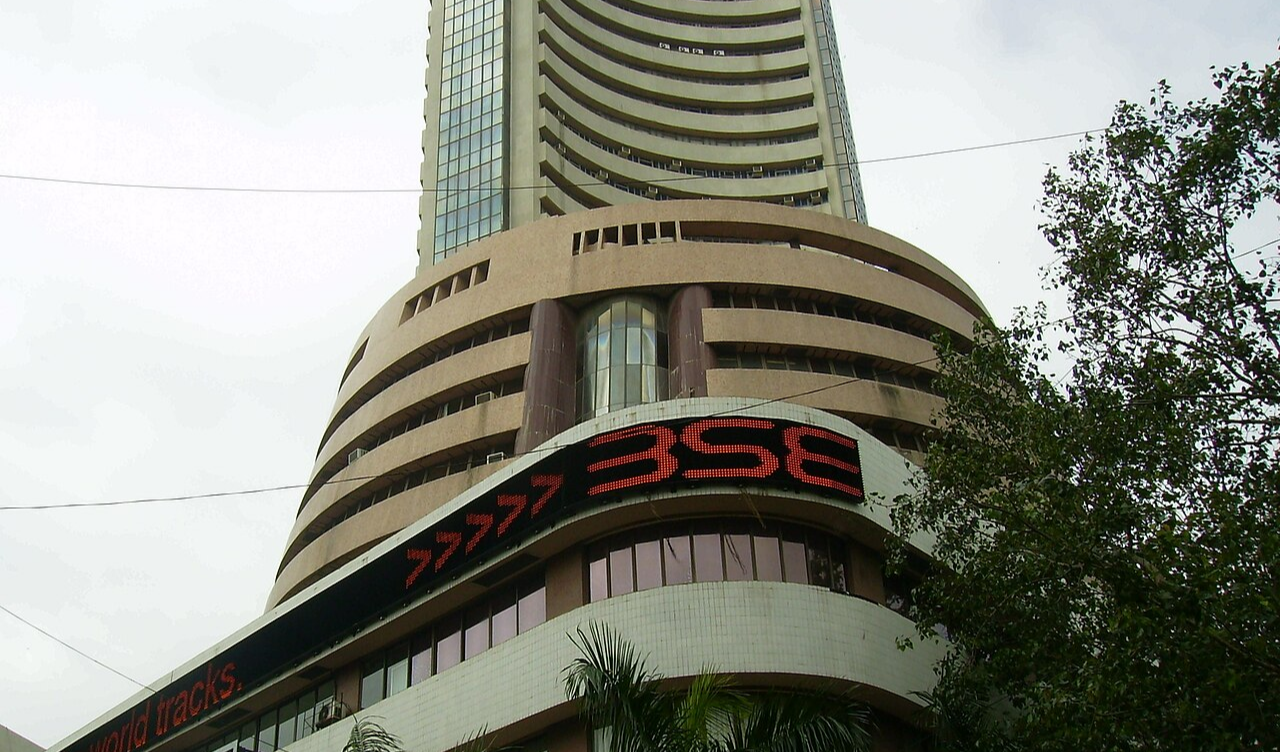
The Sensex has fallen to a six-month low, dropping 5% over the past month and wiping out around Rs 17 lakh crore in investor wealth. India's benchmark Sensex has fallen to a six-month low, capping a steep slide that has erased about Rs 17 lakh crore in investor wealth. The index is down roughly 5% over the past month. The drop marks one of the sharper monthly declines for the index in recent memory and pushes it back to levels last seen half a year ago. The Rs 17 lakh crore figure reflects the fall in the combined market value of listed shares over the period. A 5% retreat in a single month signals broad-based selling across the market rather than weakness in a handful of stocks. The move to a six-month low means the gains built up earlier in the year have largely been given back. For investors, the scale of the loss is significant. Rs 17 lakh crore represents a substantial cut to portfolio values across retail and institutional holders alike, and the return to a six-month low resets the benchmark to a lower base. The headline numbers - a six-month low, a 5% monthly fall and Rs 17 lakh crore wiped out - capture the extent of the current downturn on the Sensex. Further detail on the drivers behind the sell-off was not immediately available. Sensex, stock market crash, BSE Sensex, investor wealth, Indian stock market, market losses, Sensex six-month low