

Language Settings
Select Website Language

GDPR Compliance

We use cookies to ensure you get the best experience on our website. By continuing to use our site, you accept our use of cookies, Privacy Policy, and Terms of Service.

Filters

Channels
Topics
Other Filters

Supreme Court No Penalty for Refusing to Sing Vande Mataram

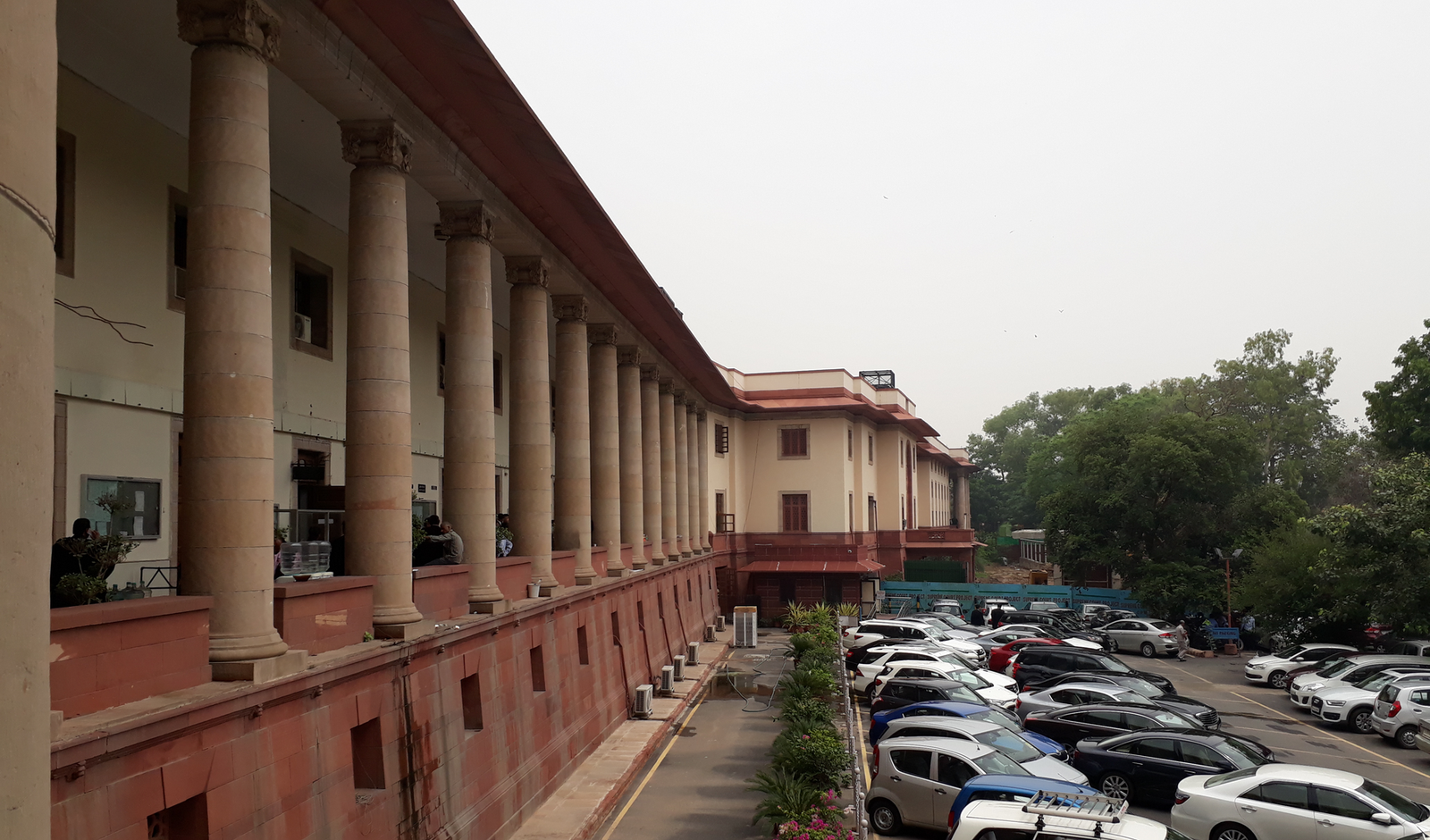
Supreme Court tells Centre conscientious objectors cannot be punished for declining to sing Vande Mataram, citing its 1986 Bijoe Emmanuel ruling. Anyone who refuses to sing Vande Mataram as a matter of conscience must not face punishment, the Supreme Court told the central government on Tuesday. The bench asked the Centre to be guided by a 1986 ruling that shielded children who declined to sing the national anthem on grounds of conscience. The bench, led by Chief Justice of India Surya Kant and including Justices Joymalya Bagchi and V Mohana, was hearing a plea filed by Carnatic vocalist T M Krishna. Krishna is contesting a law that requires all six stanzas of Vande Mataram to be sung, contending that the final four verses undermine the country's secular foundation. The judges declined to issue formal notice on the petition but signalled how they expect the amended law to operate. They pointed to the court's own decision in Bijoe Emmanuel vs State of Kerala, in which schoolchildren who respectfully chose not to sing the anthem were protected on conscience grounds. "We are not inclined to issue notice. But we would expect that the law of the land, as declared by this court in Bijoe Emmanuel, will govern the (amended) Act," Justice Bagchi said orally, speaking to Solicitor General Tushar Mehta. Justice Bagchi drew a clear line between the identity of the national song and the treatment of those who object to singing it. Deciding whether the national song runs to two stanzas or four, he said, rests with an elected government, not the court. But a person who invokes rights under Articles 25 and 26 - the freedom of religion guarantees - or who objects on conscience should not be exposed to criminal penalties. The court, he stressed, was not weighing in on what the national song ought to be, nor on the sentiments attached to Vande Mataram. Its concern was whether an objector, especially one refusing on religious grounds, is safeguarded. What the amended law says Krishna's petition targets Section 3 of the Prevention of Insults to National Honour Act, 1971, as amended in 2026, together with two Ministry of Home Affairs orders dated 28 January and 9 July 2026. The revised Section 3 allows imprisonment of up to three years, a fine, or both for anyone who deliberately obstructs the singing of the national anthem or the national song, or disrupts a gathering engaged in singing them. According to the plea, applying criminal sanctions to the national song, along with instructions to render all six stanzas, throws up serious questions about free speech, freedom of conscience, equality, religious liberty and secularism. The petition also objects to the rule that the full six-stanza text be treated as the official version, and to the requirement that Vande Mataram be performed before the national anthem when both are sung or played. The lawyers clash Senior advocate S Muralidhar, arguing for Krishna, said the amendment never spells out what the term "national song" means, leaving room for confusion and abuse. Parliament, he argued, had not identified which version or which stanzas make up the song. He added that the ministry's directions came through an office memorandum that was never published in the official gazette, and that the government had effectively rewritten the accepted meaning of Vande Mataram through executive orders. When Justice Bagchi noted that Vande Mataram had long been treated as the national song, Muralidhar responded that this accepted understanding applied only to its first two stanzas. He also argued that the amendment had been rushed through without building any national consensus. Mehta pressed the bench not to issue notice, warning that doing so risked sensationalising the matter. He opposed Krishna's arguments and said secularism "cannot be this narrow." At one stage he remarked that "law making cannot be as per Naxalites idea," prompting a sharp reaction. Muralidhar objected strongly and demanded the comment be withdrawn, saying it was unbecoming of a law officer. Mehta replied that he was referring to people who, in his view, disregarded the process of making laws. Asked again after the hearing to retract, he refused. "I can repeat what I said. One has to go by law. I am not sorry about what I said. I said that is the constitutional way, not what the Naxalite wants. And I am not sorry about it," Mehta said. Muralidhar then charged that the solicitor general was "playing to the gallery." The judges stayed out of the dispute, noting only that they were not recording the remarks. Vande Mataram, Supreme Court, T M Krishna, conscientious objector, Bijoe Emmanuel, Prevention of Insults to National Honour Act, freedom of conscience, Tushar Mehta

Gold-Domed Manhattan Penthouse Sells for $9M, Cash to Africa

A Flatiron District penthouse crowned by a gilded dome sold at auction for $9 million after 530 days, with proceeds going to Mozambique conservation. A five-bedroom Manhattan penthouse capped by a gold-leaf dome has changed hands for $9 million, closing an auction that ended 530 days of failed marketing at a far higher price. The home sits atop the Sohmer Piano Building in the Flatiron District and first went on sale in November 2024 with a $25 million asking price, meaning the final figure came in 64 percent below where the listing began. The seller was Greg Carr, a technology entrepreneur and philanthropist who co-founded Boston Technology. After the property drew no buyer through standard listings, it was moved to Concierge Auctions and offered during the firm's live "America 250" event in New York City. Bidding closed on July 29, 2026, at $9 million. Sotheby's International Realty agents Claire Groome and Lawrence Treglia co-marketed the residence with the auction house. Carr has committed the entire net proceeds to the Gorongosa Project, a conservation program working to rebuild Mozambique's Gorongosa National Park and to back the communities living around it. He explained that his life no longer left room for a New York base. "I work in Africa, and I go home for holidays in Idaho," he told reporters, "so it wasn't leaving a lot of time for New York." Inside the gilded dome at 170 Fifth Avenue The apartment occupies the top of the 13-story Beaux-Arts building at 170 Fifth Avenue, a structure designed in the 1890s by architect Robert Maynicke. The living space runs to roughly 5,777 square feet spread over two main levels, with five bedrooms and four and a half bathrooms. Its defining element is an octagonal gilded dome that encloses a two-story private room. From there, the interior opens to 360-degree sightlines over the city, taking in the Flatiron Building, Madison Square Park and the Empire State Building. The rooms are finished with wide white oak flooring, high ceilings and 40 oversized windows. A limestone staircase climbs beneath an 80-foot glass skylight, and the upper floor leads out to a private rooftop terrace fitted with a fire pit for open-air meals. Carr bought the duplex penthouse in 2007 for $7.22 million, according to public property records cited by CityRealty. The $9 million auction result sits above that purchase figure, though well short of the sum he had sought when the unit first reached the market. More than $100 million pledged to Mozambique Carr has directed his fortune toward charitable work for more than two decades since leaving the tech sector. Through his foundation, he has personally put upward of $100 million into habitat restoration, wildlife protection and community development across Mozambique. The penthouse sale adds to that record, converting a long-static New York asset into funding for the Gorongosa work. The decision to auction the home rather than keep waiting delivered a firm sale after nearly a year and a half of no movement on the listing. Highly customized luxury residences in Manhattan can linger for long stretches before competitive bidding sets a price the market will accept, and the live sale allowed Carr to lock in a buyer and free the money for his overseas projects. The purchaser's identity has not surfaced in official deed transfer records, and no name has been made public. Sohmer Piano Building, Greg Carr, Manhattan penthouse auction, Gorongosa Project, Concierge Auctions, 170 Fifth Avenue, gold dome penthouse, Flatiron District real estate

Maruti WagonR Facelift Spied With New Headlamps, Z12E Engine

The 2026 Maruti WagonR facelift has been spied testing with rectangular headlamps, a likely Z12E petrol engine and an underbody CNG tank. Maruti Suzuki is preparing a facelift for the WagonR, and fresh spy shots confirm the tallboy hatchback will get revised headlamps when it arrives later this year. The test mule caught on camera shows rectangular headlamp units that break from the larger clusters fitted to the current car, though heavy camouflage still hides much of the front end. The updated WagonR is expected to move to Maruti's new Z12E 1.2-litre petrol engine and adopt an underbody CNG tank, two changes that would reshape the car's mechanical package while keeping its familiar shape intact. The current WagonR starts at Rs 4.99 lakh, and the maker is likely to charge slightly more for the refreshed model. Outside, the boxy, upright silhouette carries over. The front fascia keeps the same broad design approach for the grille and bumper, but the camouflage suggests new detailing underneath. The side profile is unchanged, retaining flap-type door handles, blacked-out door mirrors with integrated turn indicators and the tall glasshouse that defines the model. Changes at the rear are subtle. The vertically stacked tail lamps remain, and the boot lid shape and number plate position stay put. The clearest tweak is to the reflectors, which now sit in a vertical arrangement instead of the horizontal layout on today's car. Minor styling elements could round out the update. Larger touchscreen and unchanged safety kit Inside, Maruti is expected to keep most of the existing layout while adding a few upgrades. Chief among them is a larger touchscreen infotainment system. The current WagonR uses a 7-inch Smartplay Studio unit with smartphone navigation, offered only on the 1.2-litre ZXi+ and ZXi+ AGS variants. New upholstery and small revisions to the dashboard and trim accents are also likely. Equipment set to carry over includes idle start-stop, remote keyless entry, power windows and an AC-and-heater unit. Connectivity runs to Apple CarPlay and Android Auto, Bluetooth, USB and AUX inputs, and steering-mounted audio and voice controls. Safety kit remains standard across the range. That list covers six airbags, electronic stability program, a speed alert system, ABS with EBD, rear parking sensors and central locking. Engine shake-up and CNG rework The WagonR currently offers a 1.0-litre K10C petrol and a 1.2-litre K12N petrol. The smaller engine produces 68.5 PS and 91.1 Nm, while its CNG version makes 56.6 PS and 82.1 Nm. The 1.2-litre unit puts out 90.9 PS and 113.7 Nm. Both petrol engines pair with manual and AGS automated-manual gearboxes, and CNG is offered only with the 1.0-litre motor. For the facelift, the K12N is expected to give way to the Z12E, a 1.2-litre three-cylinder engine that has already appeared in the new Swift, Dzire and Baleno. Whether the 1.0-litre engine survives the update is not yet clear. Either way, Maruti has confirmed the pattern that a CNG option will remain part of the line-up. The planned switch to an underbody CNG tank stands out as a practical gain. Moving the tank beneath the floor would free up boot space, a change aimed at fleet operators who run CNG WagonRs in large numbers as well as private buyers who lose luggage room to the current cylinder placement. Maruti has not announced a launch date beyond the expectation that the facelifted WagonR reaches showrooms later this year. Maruti WagonR facelift, WagonR 2026, Z12E engine, WagonR spy shots, underbody CNG tank, Maruti Suzuki, WagonR price, WagonR features

2026 Mahindra Thar OG Launches in India From Rs 10.32 Lakh

Mahindra's new Thar OG arrives at Rs 10.32-18.99 lakh with a stiffer platform, stronger engines, a diesel RWD automatic and up to six airbags. Mahindra has put the new Thar OG on sale in India at introductory prices that begin at Rs 10.32 lakh and reach Rs 18.99 lakh, ex-showroom. The three-door SUV replaces the Thar that first appeared in 2020, and Mahindra has reworked its chassis, engines, exterior, interior and safety kit. Deliveries start on October 11, 2026. The range is built around three trims - AXT, LXT and ZXT - offered across 15 combinations of engine, gearbox and drivetrain. The introductory prices apply only to vehicles handed over on or before November 30, 2026. Prices, trims and a new diesel automatic The entry AXT comes solely with the 1.5-litre diesel, a manual gearbox and rear-wheel drive, and is priced at Rs 10.32 lakh. The LXT opens at Rs 12.99 lakh and the ZXT at Rs 13.99 lakh. A newly added 2.2-litre diesel paired with rear-wheel drive and an automatic transmission costs Rs 16.49 lakh in LXT form and Rs 17.49 lakh in ZXT. The most expensive version is the ZXT diesel with four-wheel drive and an automatic, at Rs 18.99 lakh. That rear-drive diesel automatic is one of the launch's main talking points, letting buyers pick the bigger engine and self-shifting gearbox without paying for a four-wheel-drive system. Stronger petrol and diesel outputs The 2.0-litre mStallion turbo-petrol now makes 119 kW, roughly 159.6 bhp, with 330 Nm of torque. The 2.2-litre mHawk diesel is rated at 111.9 kW, about 150.1 bhp, and also 330 Nm. Both units gain power and torque over the versions they replace. The 1.5-litre D117 CRDe diesel carries over unchanged at 87.2 kW, close to 116.9 bhp, and 300 Nm. It is fitted with a manual gearbox and rear-wheel drive in every trim. The two larger engines can be had with manual or automatic gearboxes in four-wheel-drive guise, while their rear-drive forms are automatic only. New platform and reworked ride The update centres on the M_Glyde 4G platform, which Mahindra says is stiffer than before. At the back sits a Pentalink setup with a Watt's link, intended to sharpen cornering behaviour. The top ZXT adds Mahindra's DaVinci frequency-dependent damping, tuned to keep the body settled while smoothing out rough roads. Electric power steering is standard from the base AXT, and Mahindra points to lighter effort, steadier response when driving straight and better self-centring. Reduced noise and vibration round out the mechanical changes. Four-wheel-drive LXT and ZXT models carry a rear electronic locking differential plus Sand, Snow and Mud terrain modes, which alter traction control, steering assistance, throttle response and, on automatics, gearshift behaviour. These versions also use a transfer case with 4H and 4L settings. The rear-drive petrol and 2.2-litre diesel instead get Terrain Assist. A washable floor with drain plugs is reserved for the four-wheel-drive cars. Fresh styling and eight colours Outside, the Thar OG wears a new five-slot grille, redesigned bumpers and a wider track, while keeping the boxy profile, round headlamp housings and spare wheel mounted on the tailgate. Eight paint choices are on offer, including two newcomers, Artemis Silver and Jeans Blue. Equipment climbs with each trim. The AXT runs halogen headlamps and 18-inch steel wheels; the LXT switches to 18-inch alloys; the ZXT gains 19-inch alloys, LED headlamps with C-shaped daytime running lights and cornering LED fog lamps. LED tail-lamps feature across the range. Cabin upgrades and safety Inside, the SUV uses new materials, soft-touch door panels and optional Truffle Brown leatherette. Rear air-conditioning vents, a height-adjustable driver's seat, push-button start and padded second-row armrests are included from the AXT. The LXT brings a 26.03 cm (about 10.25-inch) HD touchscreen with Android Auto and Apple CarPlay, a colour driver display, cruise control and electrically adjustable mirrors, alongside embossed fabric seats, a rear wiper and washer, tyre direction monitoring and Adventure Statistics Gen II. The ZXT adds embossed leatherette seats, a leatherette-wrapped wheel and wireless charging. Safety differs sharply by trim. The ZXT carries six airbags - two front units plus four described by Mahindra as HPTS, covering head, pelvis, thorax and shoulder - while the AXT and LXT make do with dual airbags. The ZXT also fits disc brakes at all four corners, a tyre pressure monitor, a reversing camera and front parking sensors; lower trims pair front discs with rear drums. ESP with rollover mitigation, traction control, hill hold and hill descent control, part of Mahindra's ESP 9.3 package, is fitted from the AXT upward. Mahindra Thar OG, 2026 Thar price, Thar OG variants, mHawk diesel automatic, M_Glyde 4G platform, Thar OG features, Indian SUV launch, Thar six airbags

Review Rejects 'Snowflake' Label, Finds Real Rise in Youth Distress

Prof Peter Fonagy's independent review says mental distress among children and young people is genuinely rising, with anxiety, depression and self-harm most common. Children and young people in Britain are experiencing a genuine increase in mental distress, and dismissing them as a "snowflake generation" is mistaken, according to Prof Peter Fonagy, who leads an independent review into mental health, ADHD and autism. Fonagy told the BBC that the rise is real, not imagined, with anxiety, depression, self-harm and eating disorders standing out as the most frequent problems affecting young people today. The review was commissioned nine months ago by Wes Streeting. As health secretary at the time, Streeting had argued in an interview that young people were being over-diagnosed and, in his words, "written off" - a claim that prompted the independent examination now under way. Fonagy's assessment directly challenges the idea that today's youth are simply less resilient than earlier generations. He rejected the accusation that those growing up now are overly sensitive, pointing instead to a measurable growth in distress. To test the findings against lived experience, reporter Catherine Burns spoke with several young mental health ambassadors. They agreed with the conclusions of the review and pressed for more mental health support to be made available. One of the ambassadors captured a generational contrast in a single line, saying that "other generations just buried it" - a reference to the way older people, in their view, kept mental health struggles hidden rather than speaking about them openly. The young people echoed the report's core message and called for an expansion in the help on offer, reflecting concern that current provision is not keeping pace with the level of need they describe. The review covers mental health alongside ADHD and autism, three areas at the centre of debate over whether diagnoses have expanded appropriately or gone too far. Fonagy's early comments suggest his work will land on the side of those who see the surge in reported difficulties as reflecting real strain rather than a loosening of standards. The findings set up a pointed response to the position Streeting took before ordering the work. Where the then-health secretary raised the prospect of over-diagnosis, the review's leader is emphasising that the underlying distress among children and young people is authentic and growing. youth mental health, Peter Fonagy review, Wes Streeting, anxiety depression young people, self-harm eating disorders, ADHD autism review, mental health support, snowflake generation

Nepal PM Calls Bhotekoshi Flood a 'Serious Signal' of Climate Risk

Nepal PM Balendra Shah told Parliament the August 26 Bhotekoshi flood, which killed 1,127, shows rising Himalayan climate risk and needs global action. Nepal's Prime Minister Balendra Shah on Wednesday told Parliament that the Bhotekoshi River flood of August 26 was a stark warning of mounting climate danger across the Himalayan region, and he pressed the international community to share the burden of confronting it. Shah said experts had traced the flood to an avalanche of snow and rock high in the mountains, ranking it among the largest disasters the region has seen. The death toll now stands at 1,127 bodies recovered, with 3,916 people still unaccounted for, according to figures presented by Nepali Police. The flood tore through riverside communities in Rasuwa district on the morning of August 26 and quickly spread to the neighbouring areas of Nuwakot and Dhading. Rescue teams have pulled 11,993 people to safety. Hospitals admitted 292 injured, and 182 of them have already been sent home, ANI reported. "This is a serious signal that, alongside climate change, the risks we must bear in the Himalayan region are increasing," Shah said. He argued that Nepal must make a strong case to the world about the disasters it endures because of a warming planet. Shah framed the crisis as a collective one. "Climate change is a product of the whole world's contribution; mitigating and managing its effects is the shared responsibility of the global community," he said, calling for international cooperation to deal with the fallout. Power and roads knocked out The flood inflicted heavy damage on the country's infrastructure. Eight working hydropower plants with a combined 281 MW of capacity were hit, along with four plants still under construction that would have added 388 MW. In total, 431.1 MW of generation capacity was knocked offline. Major stretches of the Galchhi-Betrawati-Rasuwagadhi road and the Prithvi Highway were destroyed or badly damaged. The disaster also wrecked 48 suspension bridges and 31 motorable bridges. Search operations for the missing are continuing. The scale of the loss has drawn fresh attention to how exposed Himalayan settlements and their infrastructure remain to increasingly severe, climate-driven hazards. Bhotekoshi flood, Nepal flood, Balendra Shah, Himalayan climate risk, Rasuwa district, Nepal hydropower damage, climate change Nepal, Prithvi Highway damage

India Bag First Asian Games Gold as Women Cricketers Rout Sri Lanka

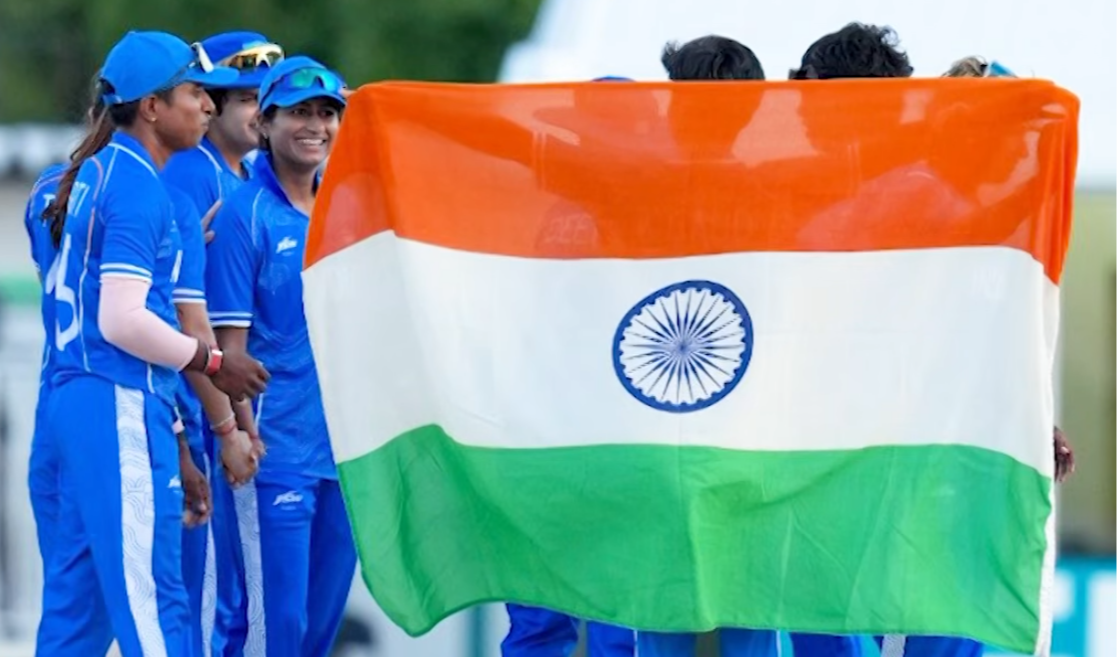
India opened its 2026 Asian Games gold account as Harmanpreet Kaur's cricketers beat Sri Lanka by 147 runs, with badminton and wushu medals also secured. India collected its opening gold medal of the 2026 Asian Games on Tuesday when the women's cricket team overwhelmed Sri Lanka by 147 runs in the final at Aichi-Nagoya, holding on to the title the country claimed at the previous edition. The result lifted India's overall count at the Games to seven medals and finally delivered the gold the contingent had been chasing. Harmanpreet Kaur's side chose to bat and built 216 for 3, the highest score India has ever managed in women's cricket at the event. Smriti Mandhana anchored the innings with 79 from 45 deliveries, Shafali Verma struck 48 off 29, and Richa Ghosh closed the innings in a hurry with an unbeaten 49 from just 22 balls. Sri Lanka's reply never got going, and the bowlers wrapped up the innings for 69 to complete the rout. The cricketers were not the only Indians to make the day count. The men's badminton team booked at least a bronze, wushu competitor Roshibina Devi Naorem guaranteed herself another podium finish, and the men's hockey squad extended its run of lopsided wins. Badminton men reach semis, women fall The men's shuttlers, runners-up at the last Asian Games, beat Japan 3-0 to reach the last four and lock in a medal. Lakshya Sen opened the tie, and after dropping the first game and falling behind 14-19 in the decider against world number seven Kodai Naraoka, he turned the match around to win 11-21, 21-5, 21-19. Satwiksairaj Rankireddy and Chirag Shetty followed by beating former world champions Takuro Hoki and Yugo Kobayashi 21-18, 24-22. Ayush Shetty then closed it out 21-10, 21-19 against world number 16 Koki Watanabe. The women's team, however, went out earlier in the day, losing 1-3 to Japan in the quarterfinals. PV Sindhu, a two-time Olympic medallist, pushed world number three Akane Yamaguchi before going down 23-21, 18-21, 6-21. Unnati Hooda lost to Tomoka Miyazaki, the 2022 world junior champion, 16-21, 18-21. Treesa Jolly and Gayatri Gopichand kept India in it with a 21-17, 21-16 win over Yuki Fukushima and Mayu Matsumoto, but Tanvi Sharma fell 12-21, 10-21 to Nozomi Okuhara to hand Japan the tie. Roshibina secures third straight medal Roshibina Devi Naorem, from Manipur, reached the semifinals of the women's Sanda 60kg wushu event by beating Macau's Chu Man Sin at the Aichi Prefectural Martial Arts Hall, guaranteeing at least a bronze. She won bronze at Jakarta in 2018 and silver at Hangzhou in 2023, making this her third medal in a row. Her place in the squad came only after a selection dispute, with the federation citing an injury to Divyanshi Choudhary before naming Roshibina as the replacement. Hockey rout, boxing upsets The defending champion men's hockey side thrashed Sri Lanka 16-1 in its second Pool A fixture. Jugraj Singh scored four times, Abhishek Singh and Dilpreet Singh each completed hat-tricks, and Harmanpreet Singh added two. Having beaten Indonesia 13-1 in their opener, India now hold a goal difference of plus 27. India's boxers stayed unbeaten. Sakshi Chaudhary produced a notable win, ousting Paris Olympic bronze medallist Aira Villegas in the women's 51kg class to reach the pre-quarterfinals. Jadumani Singh moved into the last 16 of the men's 55kg division with a 5-0 verdict over Nepal's Chandra Bahadur Thapa. Gymnast Pranati Nayak advanced to the women's vault final after placing seventh out of 19 in qualifying. The three-time Asian Gymnastics Championships bronze medallist posted a combined 12.916 to reach the eight-strong final set for September 24. Table tennis and shooting split results The women's table tennis team squeezed past Thailand 3-2 to reach the quarterfinals. The men's team was knocked out, losing 0-3 to South Korea in the round of 16 after an earlier group-stage loss to Iran. Shooting, usually a reliable source of medals for India, came up empty in one event. Elavenil Valarivan and Parth Mane qualified second in the 10m air rifle mixed team but finished fourth in the final with 376.3, missing the medals despite both having won in other events. In skeet there was better news, as 28-year-old Anantjeet Singh Naruka shot 96 to sit in a four-way tie for the lead after four rounds of qualification. Asian Games 2026, India women's cricket gold, Harmanpreet Kaur, Aichi-Nagoya, Roshibina Devi wushu, India men's badminton, Smriti Mandhana, India hockey

Real Madrid Look to Schröder for UWCL Breakthrough

Real Madrid are counting on young forward Schröder to raise their game in the UEFA Women's Champions League, with a clash against PSG drawing attention. Real Madrid are looking to young star Schröder to deliver more as the club pushes to climb higher in the UEFA Women's Champions League (UWCL). The focus on Schröder comes as attention builds around a Real Madrid fixture against Paris Saint-Germain, a matchup drawing strong interest from fans in India, where searches for "real madrid vs psg" have climbed sharply. Schröder is viewed as a key figure in Real Madrid's bid to break new ground in the competition. The message from the club's camp is clear: to reach the next level in the UWCL, more is needed from the young player. Real Madrid's women's side has been steadily building its profile in European football, and progress in the Champions League remains a central goal. Games against established sides such as PSG are the kind of tests that measure how far the team has come. The rising interest among Indian audiences underlines the growing global following for women's club football and for Real Madrid in particular. A high-profile meeting with PSG offers both a challenge and a stage for players like Schröder to prove their value. Further details on the fixture and Real Madrid's UWCL campaign were not immediately available. Real Madrid, Schröder, UEFA Women's Champions League, UWCL, Real Madrid vs PSG, women's football, Real Madrid FemeninoImage credit (for caption): Image: AudaCity3371 via Wikimedia Commons (CC BY-SA 3.0)

Trump's Belarus Potash Push Draws Double-Standard Charge

Trump's plan to buy potash from Belarus, days after threatening India over Russian oil, sparks hypocrisy claims and worries for Indian farmers. President Donald Trump said on Monday that Washington is pursuing what he described as a "massive Deal" to buy potash from Belarus, a close partner of Moscow, at prices he claimed would run substantially below what the United States now pays Canada. The announcement landed only days after Trump signed legislation that would penalise India for purchasing Russian energy, prompting critics to accuse his administration of applying one rule to New Delhi and another to itself. The potash move grew out of a deepening trade dispute with Canada, which currently provides roughly 85 per cent of the potash American farmers depend on. Trump framed the Belarus overture as a win for US agriculture, promising cheaper supplies of the key crop input. Because Belarus is also a long-standing seller of potash into the Indian market, the shift carries direct consequences for farmers in India. The contradiction is already generating criticism in diplomatic circles. Evan Feigenbaum, a former US official and analyst of South Asia, highlighted the gap between Washington's campaign to pressure India over Russian oil and Trump's readiness to court Belarusian fertiliser. He warned that an appearance of double standards and apparent hypocrisy could damage how partners view the United States at the negotiating table. Lukashenko says there is nothing to sell As with many of Trump's declarations, the deal may have been announced ahead of reality. Belarusian President Alexander Lukashenko said his country has little or no potash to spare for Western buyers, because its output is already committed under existing contracts. "Even if we wanted to supply other markets we simply don't have the volume," he said, according to accounts from Minsk. That leaves open the question of whether Trump was posturing rather than describing a genuine arrangement. Potash is not oil or gas, but in farming it holds a similar strategic weight. Potassium ranks as one of the three primary plant nutrients, alongside nitrogen and phosphorus. It helps plants manage water uptake, drives photosynthesis and enzyme activity, and strengthens crop quality, resistance to disease and overall yields. A market held by three players Supply of the mineral is heavily concentrated. Canada, Russia and Belarus dominate the international trade, with Canada alone responsible for about a third of the world's output and standing as the leading source for the United States. Trump's approach therefore uses a trade fight with his largest supplier as a lever to reach for another, one aligned with a geopolitical rival that Washington often finds itself working around. The logistics compound the problem. Belarus is landlocked, and European sanctions have choked its established export corridors. Moving any large volume of Belarusian potash to American ports would mean navigating difficult routes, potentially relying on Russian infrastructure and harbours. That would draw Trump toward the very country he is trying to pressure into ending its war in Ukraine. What it means for Indian farmers For New Delhi, the concern reaches beyond whether American growers secure a discount. The deeper worry is whether Washington, by reshaping the global fertiliser trade to protect its own farm sector amid a collapse in relations with Canada, drives up the price Indian farmers must pay. India consumes an estimated 4 to 5 million tonnes of potash each year and counts among the largest importers in the world. The country has spread its sourcing across Canada, Russia, Israel, Jordan and other suppliers, yet Belarus remains an important part of that mix. Any redirection of Belarusian tonnage toward the United States could tighten what is available to Indian buyers. The episode captures a broader tension in Trump's dealings. His willingness to threaten India over Russian oil while chasing fertiliser from a Kremlin ally underscores how far commercial priorities can diverge from stated principles, and how those choices ripple into markets far from Washington. Trump potash deal, Belarus potash, India fertiliser imports, Russian oil India, Canada potash, Lukashenko potash, global fertiliser market, potassium crop nutrient

Singer Simanta Shekhar Exits BJP, Leaves Assam Film Post

Assamese singer Simanta Shekhar resigned from the BJP and quit as chairperson of the Assam State Film Corporation, citing a personal decision. Assamese singer and composer Simanta Shekhar on Tuesday stepped down as chairperson of the Assam State Film (Finance and Development) Corporation and gave up his place on the Bharatiya Janata Party's state executive committee, along with his primary membership of the party. Shekhar announced the move by sharing two resignation letters on Facebook. One was addressed to Chief Minister Himanta Biswa Sarma and the other to state party president Dilip Saikia. In the note to Sarma, he expressed gratitude for the chance to lead the film corporation and said the chief minister's support and guidance would stay with him as a lasting memory. Writing to Saikia, the singer thanked the party's senior figures, fellow members and workers for the warmth and backing he had received during his time with the organisation. Shekhar framed the exit as a private matter. In his Facebook post he said the choice stemmed from a deeply personal reason and had no link to political opinions, party policy or any grievance against an individual. He added that he would not join any political party going forward. The resignation followed his recent public rebuke of BJP MLA Vijay Kumar Gupta over remarks about the late Assamese icon Zubeen Garg. Garg's first death anniversary was marked on September 19. Speaking to reporters, Gupta had wrongly claimed that Garg recorded roughly 3,000 songs. The figure drew a wave of criticism, and the legislator later apologised. Over a career spanning more than three decades, Garg had actually sung upwards of 40,000 songs. In a Facebook message on September 20, Shekhar joined those urging the MLA to study Garg's life and his role in Assamese society and culture before speaking publicly about him. He wrote that belonging to the BJP did not entitle anyone to make uninformed claims about a legend, and that the state's culture, sentiments and reverence for its icons stood above party politics. He called on the MLA to at least show that respect when referring to Garg. A day before his resignation, on Monday, Shekhar posted that he would no longer stay silent and intended to live the way Garg did. He described the late artist as someone who spoke openly on public matters and never shied away from challenging politicians or party lines. Simanta Shekhar, BJP Assam, Zubeen Garg, Assam State Film Corporation, Himanta Biswa Sarma, Vijay Kumar Gupta, Assamese culture, Dilip Saikia

Chennai Depositors Protest Rs 700-Crore Mylapore Fund Collapse

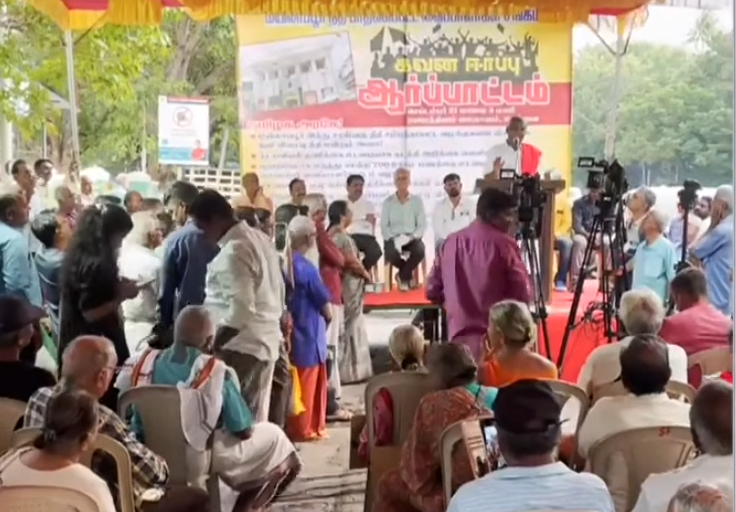
Thousands of depositors, many elderly, say they lost their savings in an alleged Rs 700-crore fraud at Chennai's Mylapore Hindu Permanent Fund. Hundreds of depositors, most of them elderly, marched through Chennai recently to demand a swift investigation and the return of savings they say vanished in an alleged Rs 700-crore fraud at the Mylapore Hindu Permanent Fund Ltd. The protesters called for government intervention and help recovering money that, for many, represented a lifetime of earnings. The case centres on the Mylapore Hindu Permanent Fund Nidhi, which was led by businessman and politician Devanathan Yadav. He has been arrested in connection with the matter. According to the depositors' association, at least 6,000 people have been affected, and more than 40 of them have died while still waiting to be repaid. One of those still fighting is Shanmugasundaram, a man well into his eighties who placed Rs 68 lakh with the fund. The amount was everything he had received from selling his property, set aside to keep him secure in his final years. He picked the fund, an institution more than 150 years old, because it paid two percentage points more than the banks. He now says the decision cost his family dearly. He recalled being unable to help his sister-in-law during her battle with cancer, and being unable to touch the savings when they were needed most. The fund's troubles are already before the courts. The Madras High Court has taken up its failure to meet payment obligations, with proceedings noting that payouts halted in February 2024. Bail-related proceedings have included conditions tied to a Rs 100-crore deposit. The Economic Offences Wing is carrying out its own inquiry into the alleged financial irregularities. Depositors want the response widened and sped up. They are pressing for a dedicated fast-track court to hear the case, a forensic audit of the fund's books, and a thorough investigation into how the money was handled. They also want the authorities to attach and sell off properties and assets, where the law allows, so that the proceeds can go back to those who lost their deposits. The personal accounts from the protest lay out the scale of the loss. Devika, who put in Rs 48 lakh, said she had kept the money separate even from her own son so she could stay financially independent in old age. She described the collapse as daylight robbery and urged the government to act so depositors could recover what they were owed. Another demonstrator, aged 87 and barely able to walk, said he and his wife had each deposited Rs 5 lakh after the fund offered a higher rate to what it termed super senior citizens. What was meant to cushion their last years instead became a source of hardship. For Jayashree, a heart patient, the failure has turned into a health emergency. Her family lost Rs 10 lakh, and the roughly Rs 9,000 in monthly interest they had leaned on has dried up. She said the family had no work to fall back on and that she urgently needed money to pay for her medicines. Devanathan Yadav's public profile adds a political dimension to the case. He ran in the 2024 Lok Sabha election from Sivaganga, standing as an NDA candidate on the BJP symbol. He also headed his own small outfit, the Indhiya Makkal Kalvi Munnetra Kazhagam. Across the crowd, depositors described the same sequence of events. Cheques bounced, deposits that had matured were never paid out, and the regular interest that many households relied on simply stopped, leaving families scrambling to cover everyday costs. For depositors who had counted on the fund to carry them through retirement and medical bills, the wait for justice has become a daily struggle to get by. Mylapore Hindu Permanent Fund, Rs 700 crore scam, Chennai depositors protest, Devanathan Yadav, Economic Offences Wing, Nidhi fund fraud, senior citizen savings, fast-track court

History of Tirupati and Tirumala Ancient Temples, Legends and Heritage

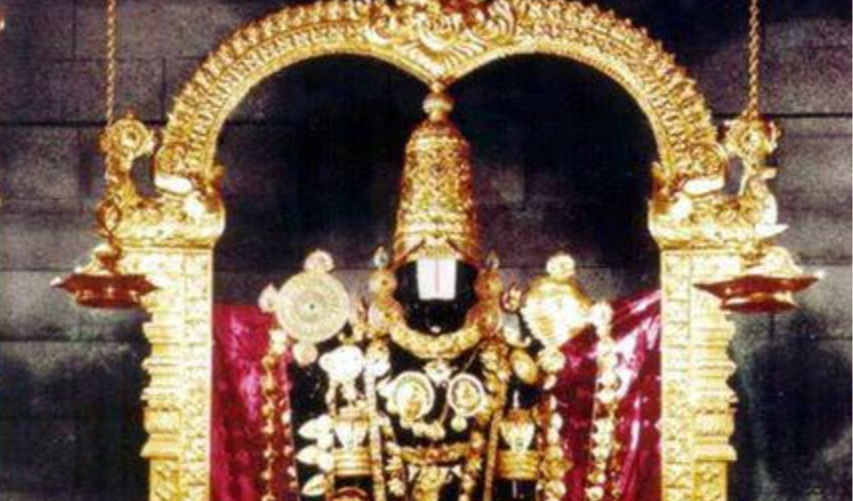
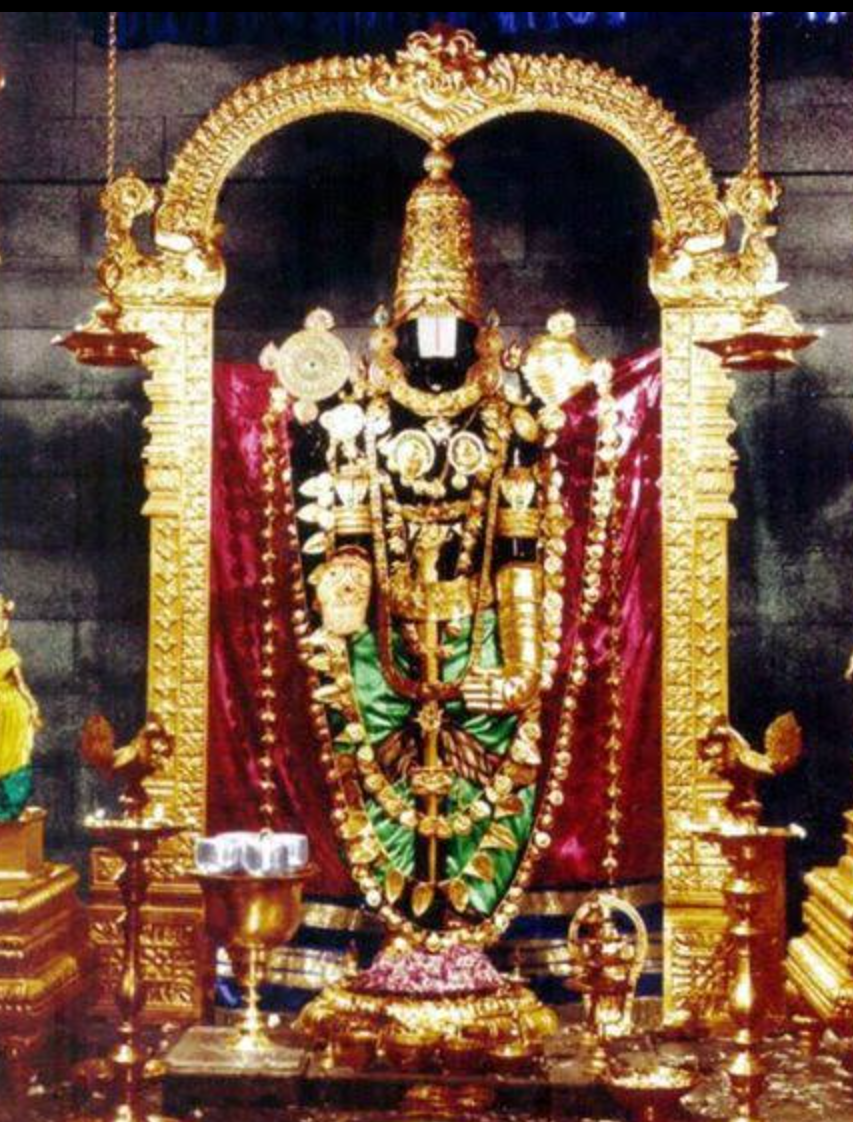
Explore the history of Tirupati and Tirumala, including ancient temples, Lord Venkateswara legends, cultural heritage and the evolution of the sacred hills. Ancient Origins Tirupati and Tirumala are among the oldest pilgrimage sites in India, with references dating back to the Vedic period (over 2,000 years ago). The sacred Tirumala hills are part of the Seshachalam Range, formed around 2.5 billion years ago. Tirumala is also called “Kaliyuga Vaikuntham” (the abode of Lord Vishnu in this age of Kali). Legends from the Puranas (Varaha Purana, Venkatachala Mahatmya, Skanda Purana) mention the holiness of these hills. Mythological Significance According to Hindu belief, Lord Vishnu incarnated as Venkateswara to save mankind in Kali Yuga. Legend of Lord Venkateswara & Goddess Padmavati: Vishnu descended to earth and resided on Tirumala hills. He married Padmavathi, daughter of King Akasa Raja, at Tiruchanur (Padmavathi Temple). Their divine union is celebrated in Tirupati every year. The seven hills of Tirumala are said to represent the seven heads of Adisesha (the cosmic serpent of Lord Vishnu). Early Historical References The first recorded history of Tirupati is found in Tamil literature (Sangam age), referring to the temple as the abode of Thiruvenkata Mudayan (Lord Venkateswara). Alvars (Tamil Vaishnava saints, 6th–9th century) sang devotional hymns in praise of Lord Venkateswara. By the 9th century AD, the temple was well established as an important Vaishnavite center. Medieval Period Pallava Dynasty (4th–9th century): The temple received royal patronage and grew in popularity. Chola Dynasty (9th–13th century): Expanded temple architecture and supported Vaishnavism. Vijayanagara Empire (14th–16th century): The golden era of Tirumala’s history. Kings like Sri Krishnadevaraya (1509–1529) donated enormous wealth, jewels, and land. Many parts of the present-day temple architecture, gopurams (towers), and mandapams were built during this time. Nayak rulers (16th century): Continued contributions after the fall of Vijayanagara. Colonial Period During the 17th–18th century, Tirupati was controlled by different rulers including the Arcot Nawabs and the East India Company. In 1801, the British took over the temple administration but allowed Hindu religious management to continue. Modern Period In 1933, the administration of Tirumala Temple was handed over to the Tirumala Tirupati Devasthanams (TTD) trust. Since then, TTD has managed temple operations, donations, pilgrim facilities, education, health, and cultural preservation. Today, Tirumala is the richest temple in India and one of the most visited religious places in the world, with 50,000–100,000 visitors daily and over 30–40 million annually. Architectural Significance The temple is built in Dravidian style with massive gopurams, pillared halls, and golden coverings. The main idol of Lord Venkateswara is made of black stone and is said to be self-manifested (Swayambhu). The temple also houses priceless jewelry, ornaments, and treasures donated by kings and devotees for centuries. Cultural Importance Tirupati is not only a religious site but also a center of art, culture, and education. Tirupati Laddu (prasadam) has GI (Geographical Indication) status. TTD runs free meals (Annadanam) for all devotees daily. Major festivals include Brahmotsavam, Vaikuntha Ekadasi, Pavithrotsavam, Rathotsavam. In short: Tirupati and Tirumala have a blend of mythology, history, and devotion. From ancient times through empires and modern governance, the temple has always been a symbol of faith, wealth, and culture.

Technical SEO Checklist Complete Guide to Website Optimization

Learn the complete technical SEO checklist covering crawling, indexing, sitemaps, speed, mobile SEO, HTTPS, structured data, redirects and more. Technical SEO Checklist Complete Guide to Optimizing Any Website. Technical SEO is an important part of building a website that search engines can properly discover, crawl, understand and index. A website may have excellent articles, products or services, but technical problems can prevent search engines from accessing important pages or understanding how the website is structured. Whether you operate a news website, business website, blog, online store, portfolio or information portal, a regular technical SEO check can help identify problems that may affect search visibility and user experience. This guide explains the most important technical SEO factors website owners should review. What Is Technical SEO? Technical SEO is the process of improving the technical structure and performance of a website so that search engines can efficiently crawl and understand its content. Technical SEO generally covers areas such as: Website crawling Search engine indexing XML sitemaps Robots.txt Canonical URLs Website speed Mobile usability HTTPS Structured data Internal linking Redirects Broken links Duplicate URLs Server errors Website architecture JavaScript rendering Image optimization Technical SEO works together with content quality and other SEO activities. A technically accessible website does not automatically rank highly, but technical problems can make it harder for valuable content to be discovered and processed. 1. Check Whether Your Website Can Be Crawled Search engines use automated crawlers to discover and process web pages. The first technical SEO check is making sure important pages are accessible to search-engine crawlers. Check whether: Important pages are publicly accessible. Pages are not accidentally blocked. Internal links work correctly. Important resources can be loaded. The server responds reliably. Important pages do not repeatedly return errors. A website redesign, server migration or CMS change can sometimes introduce crawling problems, so crawlability should be checked after major technical changes. 2. Check Your Robots.txt File The robots.txt file provides instructions about which areas of a website crawlers may access. A basic example looks like this: User-agent: * Disallow: /private/ Sitemap: https://example.com/sitemap.xml The rules should be customized according to the website. Website owners should be careful not to accidentally block important pages, images, CSS files or JavaScript resources. It is also important to understand that robots.txt is primarily a crawling-control mechanism. It should not be treated as a general method for removing a page from search results. 3. Create an XML Sitemap An XML sitemap provides search engines with information about important URLs on a website. A sitemap can be particularly useful for: Large websites News websites New websites Websites with frequently published content Websites with many pages Websites with complex structures A sitemap should contain useful, preferred URLs rather than a collection of outdated, redirected or unwanted URLs. Website owners should regularly check that the sitemap is working and contains the correct URLs. 4. Submit the Sitemap to Search Engines After creating an XML sitemap, website owners can submit it through search-engine webmaster tools such as Google Search Console and Bing Webmaster Tools. Submitting a sitemap does not guarantee that every URL will be indexed. It simply provides search engines with a useful source for discovering URLs. The website should still have good internal linking and technically accessible pages. 5. Check Website Indexing Crawling and indexing are different processes. Crawling means a search engine accesses a page. Indexing means the search engine processes and stores information about the page for potential inclusion in search results. Common indexing-related problems include: Pages blocked from crawling Noindex directives Duplicate URLs Canonical problems Server errors Poor internal linking Low-value or substantially duplicated content Incorrect redirects Website owners should regularly review indexing reports in their search-engine webmaster tools. 6. Use Canonical URLs Correctly A canonical URL indicates the preferred version of a page when multiple URLs represent the same or substantially similar content. For example: Canonicalization can be important for websites that generate multiple URL variations through: Tracking parameters Filters Sorting Session parameters Duplicate category paths Different URL formats Canonical URLs should point to the correct preferred page and should not be used carelessly. 7. Fix Broken Links Broken links can negatively affect navigation and create a poor experience for visitors. Regularly check for: Internal broken links Links to deleted pages Incorrect URLs Broken external references Links returning 404 errors When an important page has moved permanently, an appropriate redirect can often be used instead of leaving users with a broken link. 8. Understand HTTP Status Codes HTTP status codes tell browsers and search engines what happened when a URL was requested. Some common codes are: Code Meaning 200 Page successfully loaded 301 Permanent redirect 302 Temporary redirect 404 Page not found 410 Content permanently removed 500 Internal server error 503 Service temporarily unavailable Important website pages should normally return a successful response. Large numbers of server errors should be investigated because they may prevent visitors and search engines from accessing content. 9. Manage Redirects Properly Redirects are useful when URLs change. For example, if an article moves from an old URL to a new permanent URL, a 301 redirect can tell browsers and search engines that the page has permanently moved. Avoid unnecessary chains such as: URL A → URL B → URL C → URL D Where possible, redirect the old URL directly to the final destination. 10. Make the Website Mobile-Friendly A website should provide a good experience across smartphones, tablets and desktop computers. Check: Responsive design Readable text Properly sized images Easy navigation Touch-friendly buttons No unnecessary horizontal scrolling Consistent content between desktop and mobile Mobile usability is particularly important because search engines use mobile crawling for many websites. 11. Improve Website Loading Speed Visitors generally expect web pages to load quickly. Large images, unnecessary scripts, excessive plugins, poorly optimized databases and slow servers can contribute to slow performance. Useful improvements may include: Compressing images Using modern image formats Browser caching Content delivery networks Reducing unnecessary JavaScript Removing unused CSS Optimizing server response time Lazy-loading suitable images Reducing unnecessary third-party scripts Performance should be measured rather than estimated. 12. Understand Core Web Vitals Core Web Vitals are a group of user-experience measurements used to evaluate important aspects of web performance. They include: Largest Contentful Paint — LCP Measures loading performance. Interaction to Next Paint — INP Measures how responsive a page is to user interactions. Cumulative Layout Shift — CLS Measures unexpected movement of page content. Improving these measurements can contribute to a better user experience, although SEO performance depends on many factors rather than a single metric. 13. Use HTTPS HTTPS protects communication between the visitor and website. Check that: The website loads through HTTPS. HTTP requests redirect appropriately to HTTPS. Internal links use HTTPS. Canonical URLs use HTTPS. Sitemap URLs use HTTPS. Images and scripts are loaded securely. Website security is important for both visitors and website owners. 14. Optimize Website URLs Good URLs should be understandable and reasonably concise. For example: Better: example.com/technology/artificial-intelligence-trends Instead of: example.com/page?id=8392&cat=4&ref=abc Avoid unnecessarily complicated URL structures. URLs should also remain stable whenever possible. Frequent URL changes can create unnecessary redirects and indexing complications. 15. Build a Clear Website Structure A logical website architecture helps visitors navigate content and helps search engines understand relationships between pages. A news website might organize content into: India World Politics Business Technology Sports Entertainment Health Lifestyle Travel Categories should have a clear purpose rather than being created simply to generate additional URLs. 16. Strengthen Internal Linking Internal links connect pages within the same website. For example, an article about artificial intelligence could link to another relevant article about AI regulations, technology companies or recent developments. Good internal linking can help: Visitors discover related information. Search engines discover pages. Important pages receive internal links. Content relationships become clearer. Use natural and descriptive anchor text instead of forcing keywords into every link. 17. Optimize Images Images are important for news websites, blogs and many other websites. Technical image SEO includes: Compressing images Using appropriate dimensions Choosing suitable formats Adding meaningful alt text Using descriptive filenames Implementing responsive images Lazy-loading appropriate images For example: india-budget-2026.jpg is generally more descriptive than: IMG00983.jpg Alt text should describe an image when it provides useful information. Decorative images may require different treatment. 18. Implement Structured Data Carefully Structured data is machine-readable information that can help search engines understand the content of a page. Depending on the website, structured data may be relevant for: Articles News articles Breadcrumbs Products Events Organizations Local businesses Recipes Reviews Structured data should accurately describe the content visible on the page. It should not be used to provide misleading information. 19. Check Duplicate Content Duplicate or substantially similar content can occur for many technical reasons. Examples include: Multiple URL versions URL parameters Duplicate category pages Printer-friendly pages HTTP and HTTPS versions www and non-www versions Similar archive pages Repeated content across different URLs Website owners should identify unnecessary duplicate URLs and use appropriate canonicalization, redirects or indexing controls. 20. Check Meta Titles and Descriptions Important pages should have descriptive titles. A good title should clearly communicate what the page is about. Meta descriptions should also accurately summarize the page. Avoid: Keyword stuffing Identical titles across hundreds of pages Misleading descriptions Extremely generic titles Search engines may sometimes generate their own search-result snippets, so the meta description is not a guarantee of exactly what will appear. 21. Check JavaScript SEO Modern websites often depend on JavaScript. Problems can occur when important content, navigation or links are available only after complex client-side processing. Check that search engines can properly access important: Text Links Images Navigation Metadata Structured data Article content JavaScript-heavy websites should be tested using appropriate search-engine inspection and rendering tools. 22. Review Pagination Large websites may divide content across multiple pages. Pagination can appear in: News archives Category pages Ecommerce listings Search results Blog archives Forums Make sure important content remains discoverable through normal links and that pagination does not create thousands of unnecessary URLs. 23. Manage Website Search Pages Internal search pages can sometimes generate a very large number of URLs. For example: example.com/search?q=technology and thousands of similar combinations can create unnecessary crawl activity. Website owners should review how internal search pages are handled and prevent low-value search-result URLs from becoming a major part of the crawlable website where appropriate. 24. International SEO Websites targeting multiple countries or languages need additional technical planning. Consider: Separate language URLs Language navigation hreflang implementation where appropriate Correct canonical URLs Translated content Country-specific pages Consistent indexing signals For example, a website serving English, Hindi and Telugu audiences should make the relationship between its language versions clear. 25. Technical SEO for News Websites News websites have some additional technical considerations because they may publish dozens or hundreds of pages every day. Important areas include: Fast article publishing XML sitemaps News sitemaps where appropriate Article structured data Clear publication dates Updated dates where appropriate Author information Category pages Internal links Mobile performance Image optimization Reliable hosting Search Console monitoring A clean technical foundation is particularly important for publishers with large amounts of frequently changing content. 26. Website Security and Technical SEO Security should be part of regular website maintenance. Website owners should monitor: SSL/TLS configuration Malware Unauthorized files Suspicious redirects Compromised accounts Outdated software Vulnerable plugins Server security Security headers A compromised website can create serious problems for both users and search visibility. 27. Monitor Server Errors Server errors can prevent both visitors and search engines from accessing pages. Common problems include: 500 errors 502 errors 503 errors Database connection failures Server timeouts DNS problems Website owners should monitor server logs and website monitoring systems to identify recurring problems. 28. Check DNS and Domain Configuration Technical website health also depends on correct domain configuration. Review: A records AAAA records CNAME records MX records Nameservers SSL certificates Domain expiration DNS propagation after major changes Incorrect DNS configuration can make a website or its associated services unavailable. 29. Use Webmaster Tools Regularly Search-engine webmaster platforms can provide valuable information about website health. Google Search Console can help website owners investigate: Search performance Indexing Sitemap status Search enhancements Core Web Vitals Security issues Manual actions URL inspection Bing Webmaster Tools provides additional information for websites appearing in Bing search. 30. Create a Regular Technical SEO Audit Schedule Technical SEO should not be treated as a one-time activity. Weekly checks Major website errors New indexing problems Server availability Newly published important pages Monthly checks Sitemap Broken links Redirects 404 pages Core Web Vitals Mobile usability Canonical URLs Structured data After major changes Perform a fresh technical audit after: Website redesign CMS migration Domain migration Server migration HTTPS implementation URL structure changes Major software updates Database changes Complete Technical SEO Checklist Website owners can use the following checklist as a quick reference: ☐ Website is accessible to search engines☐ Robots.txt is correctly configured☐ XML sitemap exists☐ Sitemap contains appropriate URLs☐ Sitemap is submitted to webmaster tools☐ Important pages can be indexed☐ No accidental noindex directives exist☐ Canonical URLs are correct☐ Important pages return successful responses☐ Broken links are fixed☐ Redirects are working correctly☐ Redirect chains are minimized☐ 404 pages are handled properly☐ HTTPS is working☐ Website is mobile-friendly☐ Pages load efficiently☐ Core Web Vitals are monitored☐ Images are optimized☐ Internal linking is useful☐ Website architecture is logical☐ Structured data is accurate☐ Duplicate URLs are controlled☐ JavaScript content is accessible☐ URLs are clean and understandable☐ Meta titles are descriptive☐ Meta descriptions are relevant☐ Security is monitored☐ Server errors are monitored☐ DNS configuration is correct☐ International SEO is configured where necessary☐ News SEO requirements are reviewed where applicable Final Thoughts Technical SEO provides the foundation for a healthy website. It helps search engines discover important pages and understand the structure and content of a website while also improving the experience for visitors. However, technical SEO is only one part of successful search optimization. Website owners should combine a technically sound website with useful original content, clear navigation, strong internal linking, good page experience and responsible publishing practices. A regular technical SEO audit can help identify problems early and keep a website easier to crawl, maintain and use. Whether the website is a news portal, business website, blog, ecommerce store or personal project, maintaining its technical health should be an ongoing part of website management.

Kahwa Tea How to Make It at Home and Its Health Benefits

Kahwa Tea How to Make It at Home and Its Potential Health Benefits Kahwa tea, also spelled Kehwa, is a traditional aromatic tea associated with Kashmir and is known for its refreshing taste and combination of green tea, saffron, cardamom, cinnamon and nuts. Unlike regular milk tea, Kahwa is generally prepared without milk and is served warm. With its fragrant spices and light taste, Kahwa has become popular among people looking for an alternative to ordinary tea and coffee. What Is Kahwa Tea? Kahwa is traditionally prepared using green tea leaves, saffron, cardamom, cinnamon and almonds. Some recipes also include cloves, rose petals or other aromatic ingredients. The ingredients are simmered or infused in hot water to create a golden, fragrant drink. Honey or sugar can be added according to personal preference. Kahwa Tea Ingredients For approximately 2 cups of Kahwa, you can use: 2 cups water 1 teaspoon green tea leaves 3–4 cardamom pods, lightly crushed 1 small piece of cinnamon 4–6 saffron strands 4–5 almonds, finely sliced 1 teaspoon honey or sugar, optional A few rose petals, optional How to Make Kahwa Tea at Home Step 1: Heat the Water Add two cups of water to a saucepan and bring it close to a boil. Step 2: Add the Spices Add crushed cardamom and cinnamon to the hot water. Let them simmer gently for around 2–3 minutes so their aroma and flavour are released. Step 3: Add Saffron Add a few strands of saffron and allow them to infuse into the water. The drink will gradually develop a pleasant aroma and golden colour. Step 4: Add Green Tea Turn the heat low and add the green tea leaves. Allow them to steep for about 1–2 minutes. Avoid boiling green tea for too long because it can make the drink bitter. Step 5: Strain and Serve Strain the Kahwa into cups. Add sliced almonds and, if desired, a small amount of honey or sugar. Serve it warm. Potential Health Benefits of Kahwa Tea Kahwa contains several ingredients that provide antioxidants and other naturally occurring compounds. However, it should be considered a beverage rather than a treatment for any disease. 1. Provides Antioxidants Green tea contains naturally occurring compounds called catechins, while saffron and spices also contain various antioxidant compounds. Antioxidants help protect cells from oxidative stress. 2. May Support Digestion Cardamom and cinnamon are traditionally used in many cuisines and beverages for their aromatic and digestive properties. A warm, lightly spiced drink may also feel soothing after a meal. 3. May Help With Hydration Because Kahwa is primarily water, it contributes to daily fluid intake. It can be an alternative to heavily sweetened beverages when prepared with little or no added sugar. 4. Contains Nutrients From Almonds Adding almonds provides healthy fats, protein, fibre and several micronutrients. Using a small quantity of sliced almonds can add both nutrition and texture to the drink. 5. A Warm Alternative to Regular Tea People who prefer to avoid milk tea may enjoy Kahwa because it is traditionally prepared without milk. Its combination of spices and saffron gives it a distinctive flavour. 6. May Provide a Gentle Energy Boost Because green tea naturally contains caffeine, Kahwa can provide some caffeine. The amount depends on the quantity of green tea used and how long it is steeped. Is Kahwa Good for Weight Loss? Kahwa itself is not a weight-loss medicine. However, unsweetened Kahwa can be a relatively low-calorie beverage compared with sugary drinks. If you are trying to manage your weight, using little or no added sugar and maintaining a balanced diet and regular physical activity are more important than relying on any particular tea. Best Time to Drink Kahwa Kahwa can be enjoyed at different times of the day. Some people prefer it: After meals During cold weather In the morning As an alternative to sugary beverages During relaxing evening hours Because it contains green tea and therefore caffeine, people who are sensitive to caffeine may prefer not to drink it close to bedtime. Who Should Be Careful With Kahwa? Kahwa is generally consumed as a beverage, but moderation is sensible. People who are sensitive to caffeine should consider their total daily caffeine intake. Those who have been advised to limit caffeine, have specific medical conditions, are pregnant, or take medicines that may interact with caffeine or certain herbs should discuss their individual intake with a qualified healthcare professional. Also, adding large amounts of sugar or honey can substantially increase the calorie and sugar content. Kahwa vs Regular Tea Feature Kahwa Regular Milk Tea Milk Usually not used Usually used Main tea Green tea Often black tea Spices Cardamom, cinnamon, saffron Usually fewer spices Nuts Almonds often added Usually not added Flavour Aromatic and lightly spiced Creamy and stronger Sweetener Optional Commonly added Simple Kahwa Recipe at a Glance Water: 2 cupsGreen tea: 1 teaspoonCardamom: 3–4 podsCinnamon: 1 small pieceSaffron: 4–6 strandsAlmonds: 4–5 slicedHoney: Optional Simmer the spices in water, add saffron, steep the green tea briefly, strain, and serve with sliced almonds. Final Word Kahwa is a flavorful traditional tea that combines green tea with aromatic spices, saffron and nuts. When prepared with little or no added sugar, it can be a refreshing alternative to sugary drinks and regular milk tea. Its ingredients provide various nutrients and plant compounds, but Kahwa should not be considered a cure or treatment for medical conditions. A balanced diet, adequate physical activity and healthy lifestyle remain the foundation of good health. Note: This article is for general information and does not replace professional medical advice.

Tirupati Tirumala Temple, Darshan, Places to Visit and Travel Tips PODCast

Tirupati Tirumala Temple, Darshan, Places to Visit and Travel Tips Tirupati, in Andhra Pradesh, is one of India's most important pilgrimage and tourist destinations. Located at the foothills of the Seshachalam Hills, the city serves as the main gateway for millions of devotees visiting Tirumala Sri Venkateswara Swamy Temple every year. Along with its famous temple, Tirupati and the surrounding region offer several historic temples, waterfalls, scenic locations and cultural attractions. Whether you are visiting Tirupati for a spiritual journey, a family trip or a weekend getaway, proper planning can make your visit more comfortable. Here is a complete Tirupati travel guide covering the major temples, transportation, accommodation, places to visit and important travel tips. Tirupati and Tirumala: What's the Difference? Tirupati is the city located at the foothills of the Seshachalam Hills, while Tirumala is the hill town where the famous Sri Venkateswara Swamy Temple is located. The temple is situated approximately 22 km from Tirupati, depending on the route. Pilgrims generally travel from Tirupati to Tirumala by road, while some devotees also choose to walk through the traditional footpath routes. Sri Venkateswara Swamy Temple, Tirumala The Sri Venkateswara Swamy Temple is the principal attraction of the region and one of the most visited pilgrimage centres in India. The temple is dedicated to Lord Venkateswara, also known as Balaji or Srinivasa. It is located on the Tirumala Hills and is administered by the Tirumala Tirupati Devasthanams (TTD). Millions of devotees visit the temple every year to seek the blessings of Lord Venkateswara. Darshan Planning Visitors should plan their temple visit in advance, particularly during: Weekends Festival periods School holidays Major religious occasions Brahmotsavam and other important temple events Depending on the available arrangements, devotees may have different darshan options. Visitors should check the latest official TTD information before travelling because booking procedures, timings and availability can change. Kapila Theertham Kapila Theertham is a well-known temple and pilgrimage location situated close to Tirupati. The site is particularly known for its natural waterfall and the Sri Kapileswara Swamy Temple dedicated to Lord Shiva. During the rainy season, the surrounding landscape can become especially attractive. It is a popular stop for devotees and visitors exploring Tirupati's religious attractions. Sri Govindaraja Swamy Temple Located in the heart of Tirupati, the Sri Govindaraja Swamy Temple is another important Vaishnavite temple. The temple's impressive architecture and religious significance make it an important destination for pilgrims visiting the city. Its location also makes it convenient for travellers staying in central Tirupati. Sri Padmavathi Ammavari Temple The Sri Padmavathi Ammavari Temple at Tiruchanur, near Tirupati, is dedicated to Goddess Padmavathi, regarded as the consort of Lord Venkateswara. Many devotees visiting Tirumala also include Tiruchanur in their pilgrimage itinerary. The temple is one of the major religious attractions around Tirupati and can generally be included as part of a one-day local sightseeing plan. Sri Kalahasti Temple Srikalahasti, located near Tirupati, is another major pilgrimage destination in Andhra Pradesh. The Sri Kalahasteeswara Temple is dedicated to Lord Shiva and is traditionally associated with the Vayu element among the Pancha Bhoota temples. Visitors planning a longer trip around Tirupati can consider adding Srikalahasti to their itinerary. Talakona Waterfalls For travellers interested in nature, Talakona Waterfalls is one of the notable attractions in the wider Tirupati region. Surrounded by forests and hills, the area provides a different experience from the city's temples and pilgrimage sites. The location is particularly attractive for visitors looking to combine spirituality with nature and outdoor sightseeing. Chandragiri Fort History enthusiasts can include Chandragiri Fort in their Tirupati travel plans. The historic fort complex provides an opportunity to explore the region's architectural and political history. Its elevated location and surrounding landscape also make it an interesting sightseeing destination. How to Reach Tirupati Tirupati has good connectivity by air, rail and road. By Air Tirupati Airport provides air connectivity to the region. Travellers can check available flights from their departure city before planning their journey. By Train Tirupati has an important railway station with connectivity to several major cities across India. Travelling by train can be a convenient option for pilgrims coming from cities such as Chennai, Bengaluru, Hyderabad and other parts of the country. By Road Tirupati is well connected by road with several cities in Andhra Pradesh and neighbouring states. Buses, taxis and private vehicles are commonly used to reach the city and travel between Tirupati and Tirumala. Best Time to Visit Tirupati Tirupati can be visited throughout the year, but weather conditions and crowd levels should be considered before planning a trip. The cooler months are generally more comfortable for sightseeing and walking. Summer can be hot, particularly during the daytime. Devotees planning a temple visit during major festivals should expect potentially higher visitor numbers and should make travel and accommodation arrangements well in advance. Where to Stay in Tirupati Tirupati offers accommodation options for different budgets, including: Budget hotels Family hotels Guest houses Pilgrim accommodation Mid-range hotels Premium hotels Travellers should select accommodation based on their temple schedule, transportation requirements and budget. Those planning an early morning or late-night Tirumala visit may prefer accommodation with convenient transportation arrangements. Suggested Two-Day Tirupati Itinerary Day 1: Tirupati Local Sightseeing Start the day with a visit to: Sri Govindaraja Swamy Temple Sri Padmavathi Ammavari Temple Kapila Theertham Local attractions and markets If time permits, visitors can also explore nearby historical or cultural attractions. Day 2: Tirumala Begin early and travel from Tirupati to Tirumala. Complete the planned darshan and spend time visiting important locations around Tirumala before returning to Tirupati. Visitors with additional time can extend their trip to destinations such as Chandragiri or Srikalahasti. Important Travel Tips for Tirupati Visitors Before travelling, visitors should keep the following points in mind: Check the latest TTD information before your journey. Make accommodation arrangements in advance during peak periods. Carry valid identification documents where required. Allow extra travel time during weekends and festival periods. Wear comfortable clothing and footwear for walking. Follow temple rules and dress guidelines. Avoid carrying prohibited items into temple premises. Keep drinking water available, especially during warmer months. Senior citizens and families with children should plan their travel schedule carefully. Keep sufficient time between different sightseeing locations. Tirupati Travel: A Combination of Spirituality, History and Nature Tirupati is more than a pilgrimage destination. The region combines spiritual attractions, historic landmarks, natural landscapes and cultural experiences. For first-time visitors, the ideal trip can include Tirumala temple darshan along with important temples in Tirupati. Travellers with additional time can explore Srikalahasti, Chandragiri Fort and Talakona. With advance planning, visitors can enjoy a smoother and more comfortable journey while experiencing the religious and cultural heritage of the region. Frequently Asked Questions How far is Tirumala from Tirupati? Tirumala is located on the Tirumala Hills above Tirupati. The road journey generally takes around an hour or more depending on traffic, route and travel conditions. Which temple is the main attraction in Tirupati? The Sri Venkateswara Swamy Temple at Tirumala is the region's principal pilgrimage attraction. Can Tirupati be covered in two days? Yes. A two-day trip can cover Tirumala darshan and several important temples and attractions in Tirupati. Additional destinations may require more time. Is Tirupati suitable for family travel? Yes. Tirupati attracts families, senior citizens and travellers of different age groups. However, visitors should plan walking, transportation and waiting times according to their family's needs. What should visitors check before travelling? Travellers should check current temple arrangements, darshan information, accommodation availability, transportation schedules and weather conditions before starting their journey. A trip to Tirupati can be a memorable combination of devotion, history, culture and nature. From the sacred hills of Tirumala to the temples, waterfalls and historic sites surrounding the city, the region offers attractions for both pilgrims and tourists. For the best experience, travellers should plan their itinerary in advance, verify current temple and travel information and allow sufficient time for darshan and local sightseeing. Note: Temple timings, darshan arrangements, accommodation availability, transportation services and other visitor facilities may change. Travellers should verify the latest information through official sources before their journey.