

Language Settings
Select Website Language

GDPR Compliance

We use cookies to ensure you get the best experience on our website. By continuing to use our site, you accept our use of cookies, Privacy Policy, and Terms of Service.

Filters

Channels
Topics
Other Filters

Bajaj Pulsar NS200, NS400Z TFT Variants Arrive at Showrooms

Bajaj Pulsar NS200 and NS400Z TFT variants have reached showrooms ahead of launch, adding a 5-inch TFT cluster, Google Maps mirroring and WP Apex forks. Bajaj Auto's updated Pulsar NS200 and Pulsar NS400Z have started arriving at dealerships ahead of their formal launch, giving buyers an early look at the changes both bikes carry. The two naked sport models now come with a new TFT instrument cluster and Google Maps mirroring, while the NS200 also gains WP Apex upside-down front forks. Both updates land close together. The Pulsar NS400Z was launched earlier with a downsized 350cc engine, and it has now been revised again. The NS200 receives a matching set of upgrades. Bajaj has an official launch and new prices expected to follow soon. The update sits within a wider refresh of the Pulsar range. The Classic Pulsar 125 and Pulsar 150 were recently rebuilt on a next-generation platform with a new engine. Other lines, including the Pulsar N and Pulsar NS families, have instead received smaller changes aimed at adding equipment and keeping the models current. The 5-inch TFT cluster The centrepiece of the update is the TFT screen. The same 5-inch unit first appeared on the Pulsar N160 4V, offering sharp resolution along with brightness that Bajaj positions as readable in sunlight. It supports both Wi-Fi and Bluetooth, which is what allows the connected features to work. That cluster was later fitted to the next-generation Classic Pulsar 150 and Classic Pulsar 125. Extending it to the NS200 and NS400Z brings it to the more performance-focused end of the range. Both bikes also get new switchgear designed to operate the display. The connectivity runs through a new Bajaj smartphone application, which unlocks Google Maps mirroring on the screen. For Android users, the mirroring continues to function even when the phone's own screen is off. The system also handles music control, notifications from third-party apps and call alerts. The cluster adds digital document storage, letting riders keep their driving licence, insurance and registration certificate on the display. There is also a strong chance that the NS200 and NS400Z TFT variants will support a lap timer and an acceleration timer. WP Apex forks for the NS200 The NS200 goes further than a screen upgrade. Bajaj has fitted it with WP Apex upside-down telescopic front forks, a component previously kept for KTM and Husqvarna motorcycles. Moving these forks onto the Pulsar marks a step up in the bike's hardware. Other changes to the NS200 remain unconfirmed. Bajaj may add wider radial tyres and sintered brake pads to give riders more grip and stopping confidence, though neither has been announced. The engines on both the NS200 and NS400Z are expected to carry over unchanged. With the TFT variants already reaching showroom floors, the formal launch and updated pricing for both models are likely to be confirmed in the near future. Bajaj Pulsar NS200, Pulsar NS400Z, TFT instrument cluster, WP Apex USD forks, Google Maps mirroring, Bajaj Auto, Pulsar N160 4V, motorcycle launch India

Hyundai Bayon Set for Paris Debut on October 12

Hyundai will unveil the new European Bayon at the Paris Motor Show on October 12, 2026, while the India-spec SUV's reveal date stays unconfirmed. Hyundai has locked in a launch date for its new Bayon. The company's European arm confirmed that the redesigned SUV will make its global debut at the Paris Motor Show on October 12, 2026. The event will offer the first full public look at how the vehicle has evolved in both design and market placement. While the European timeline is now firm, Hyundai has stayed quiet on when the Indian version will appear. Teaser images for the India-bound model are already circulating, which points to an October arrival that could line up close to the Paris showing. Even so, the automaker has not committed to unveiling both cars on the same day. The two models will share a name but are expected to diverge in meaningful ways. Hyundai is likely to give the European and Indian Bayons different exterior treatments, cabin layouts, engine choices and equipment. The October 12 reveal should clarify how much visual DNA the two variants have in common, though the final specification sheet for India will depend on separate local announcements covering dimensions, powertrains and features. H-Edge Lighting Leads the India Teasers The latest teasers from India put Hyundai's H-Edge lighting front and centre. At the nose, a narrow horizontal strip of white light stretches inward before joining a taller vertical block at the outer corner. That cluster sits inside a dark housing, with a sharp crease running along the bonnet just above it. The images concentrate on this upper light bar rather than the full front end. Earlier prototypes caught during testing suggest a split headlight setup, with the primary beam units mounted lower on the bumper. The rear carries a matching design language, pairing horizontal and vertical light elements. A dark strip appears to bridge the two tail lamp clusters across the tailgate, although the teaser stops short of showing whether that connecting band lights up. Geometric Alloys and a Screen-Heavy Cabin Hyundai has also previewed a wheel design built around geometric shapes, mixing machined silver faces with recessed black sections. The teased car rides on 215/55 R17 rubber, framed by thick black cladding around the wheel arches. A parking sensor can be spotted just ahead of the front arch. Inside, an earlier design sketch pointed to a wide, horizontal dashboard anchored by a large display zone and a centre console that rises toward the driver. Spy shots of test cars have revealed two integrated screens and a steering wheel marked by Hyundai's four-dot motif. Testing mules have also been seen fitted with a sunroof and a 360-degree camera system, hinting at a well-equipped cabin for the local market. Slotting Between the Venue and Creta In India, the Bayon is tipped to occupy the gap between the Venue and the Creta in Hyundai's lineup. Its body is expected to stretch past the four-metre mark. Petrol units are likely to anchor the engine range, and a factory-installed CNG variant remains on the cards, though nothing has been confirmed on that front. For now, October 12 stands as the only fixed date, tied to the Paris unveiling. With the Indian teaser campaign already rolling out, the next questions centre on when Hyundai will announce a local launch schedule and exactly how far the India-spec car will stray from its European counterpart. Hyundai Bayon, Paris Motor Show 2026, Bayon India, Hyundai SUV, H-Edge lighting, Venue Creta, compact SUV, Bayon debut

Burnham Calls Football Stadium Alcohol Ban 'Discrimination'

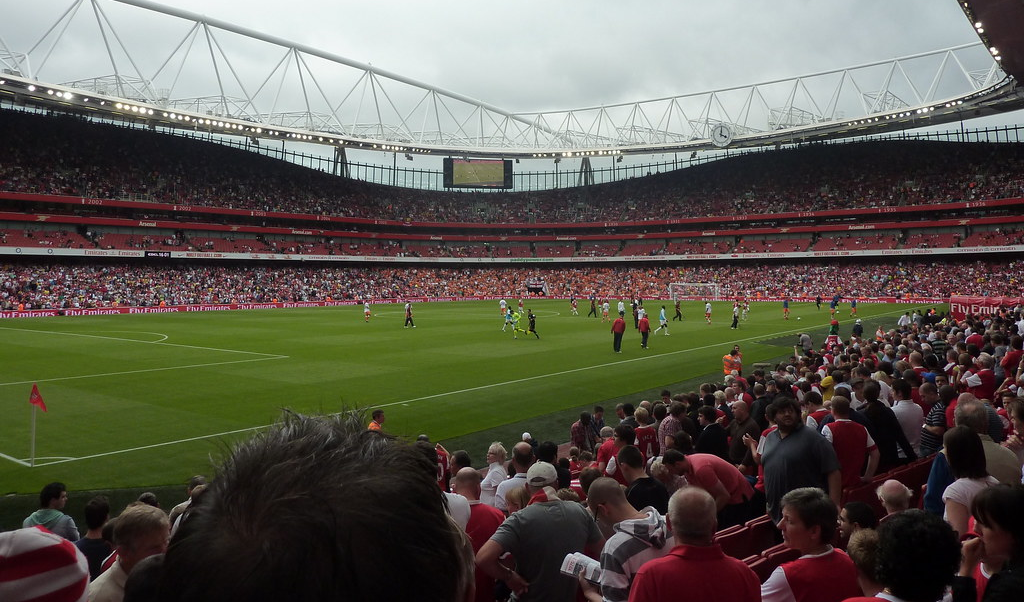
PM Andy Burnham says the 1985 ban on drinking in view of the pitch at men's football matches is unfair and could be scrapped on a trial basis. Prime Minister Andy Burnham has described the ban on football fans drinking alcohol in view of the pitch during men's matches as "discrimination", and suggested a change could be tested on a trial basis. Speaking to reporters during a trip to the United Nations in New York, Burnham said football supporters were being unfairly singled out. The law he criticised dates from 1985, when Margaret Thatcher's government introduced it for football grounds in England and Wales. It prevents supporters from drinking within sight of the pitch at clubs in the top five tiers of the men's game in England. Other sports face no equivalent restriction. "I think that legislation dates to an era where football was very different," Burnham said. "And I do believe there is a case to remove that discrimination. There are different ways it could be done. It could happen on a trial basis." He added: "I don't see how it can be fair that some supporters of one sport can be treated differently." When the legislation was brought in, the then-Home Secretary Leon Brittan said alcohol was a "major contributory factor in violent and disorderly behaviour" at football grounds. Burnham is a keen football fan and holds a season ticket at Premier League club Everton. Before entering Downing Street, he raised the same objection after attending a rugby league game at Everton's Hill Dickinson Stadium, where fans were able to drink in the stands. Asked in New York whether he still held that view as prime minister, he said he would not "back away from what's been a long held view of mine". Government sources played down the remarks, stressing that Burnham was repeating a long-standing personal opinion rather than announcing policy. Inside government, the comments are not seen as a signal that ministers plan to change the law. A trial or pilot scheme has not been ruled out, but any wider move would need extensive consultation involving football clubs, fans and the Department for Digital, Culture, Media and Sport. None of that is currently planned. Police warn against relaxing the rules Police chiefs have cautioned against loosening the restrictions and want to meet the prime minister to set out their concerns. A spokesman for the UK Football Policing Unit warned that changes would pose "challenges" to policing and to the "safety of staff and fans at football games". "Other sports simply don't see the violence and criminal behaviour from their supporters that football does, albeit a minority, with alcohol often playing a significant part in violent and disorderly behaviour," the spokesman said. "It would be irresponsible to fuel this by allowing greater alcohol consumption during games." He added that it would be "incredibly rash to make fundamental changes without a full examination of the evidence and meaningful consultation with police practitioners who have the expertise in this area". Supporters' group backs a review The Football Supporters' Association welcomed Burnham's comments and called the legislation "outdated", saying it should be reviewed. Chairman Tom Greatrex said it was "unfair to criminalise football fans for having a pint while watching the match - especially since you can sit in the same seat drinking alcohol whilst watching an Oasis gig or rugby league". Greatrex said "many clubs" supported a change and welcomed the prime minister's intervention. For now, however, the 40-year-old ban remains in force, with no formal proposal on the table to alter it. Andy Burnham, football alcohol ban, 1985 football law, Football Supporters' Association, UK Football Policing Unit, Premier League, stadium drinking rules

Andhra Energy Minister puts power grid on alert for N Andhra rains

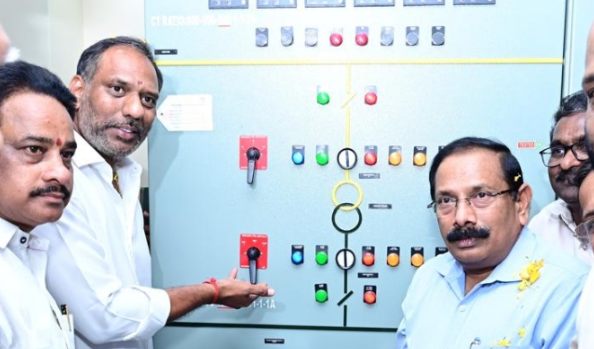
Energy Minister Gottipati Ravi Kumar told officials to guard power infrastructure across four North Andhra districts as a Bay of Bengal depression brings heavy rain. Andhra Pradesh Energy Minister Gottipati Ravi Kumar has ordered officials to stay on high alert as heavy rain lashes the North Andhra districts, warning that a deep depression in the Bay of Bengal could severely damage the region's power supply network. He issued the directions on Wednesday during a tele-conference with senior officers of the Energy Department, including staff of the AP Eastern Power Distribution Company Limited (APEPDCL). Mr. Ravi Kumar said widespread rain was already being reported from Srikakulam, Vizianagaram, Parvathipuram Manyam and Visakhapatnam districts under the influence of the deep depression. He cautioned that heavy rain and strong gales could bring down electricity poles and lines and damage transformers, cutting off power supply to affected areas. The Minister told officials to anticipate the conditions in advance and put preventive measures in place rather than waiting for damage to occur. He said the department had to stay especially watchful because weather systems forming over the Bay of Bengal have the potential to badly disrupt power infrastructure. While the rain was welcome for farmers and the wider public, he said, the Energy Department could not lower its guard. He asked officials to pay particular attention to low-lying areas and coastal regions, which he described as the most vulnerable to extensive damage. Restoration work, he directed, should be carried out on a war-footing wherever supply was interrupted. To make that possible, Mr. Ravi Kumar instructed officers to keep staff, vehicles, equipment, spare poles and other materials ready in advance so repairs could begin without delay. He ordered the formation of special teams that could move in immediately to handle any contingency. The Minister said the highest priority must go to preventing deaths from electrocution caused by damaged power lines and other equipment. He directed that special teams be formed to respond at once to any emergency in the field. Gottipati Ravi Kumar, North Andhra heavy rain, APEPDCL power supply, Bay of Bengal deep depression, Andhra Pradesh Energy Department, Visakhapatnam rain alert, electrocution prevention, power infrastructure damage

Benjamin Šeško Vows Full Focus on Recovery After Man United Injury

Manchester United striker Benjamin Šeško says he will fully dedicate himself to recovery after suffering an injury setback. Manchester United striker Benjamin Šeško has pledged to "fully dedicate" himself to his recovery after suffering an injury setback, the forward said in comments that quickly drew attention from fans in India and beyond. Šeško framed the layoff as a challenge he intends to meet head-on, stressing his commitment to returning to fitness. His remarks became one of the most-searched sports topics on Google Trends in India, reflecting the growing following Manchester United and its players command among Indian audiences. The striker gave no timeline for his return in the comments made public, and the specific nature of the injury was not detailed. His focus, by his own account, is squarely on the rehabilitation process rather than on when he will next feature. The setback is a blow for a player who arrived at Manchester United carrying high expectations as a central figure in the club's attack. His message signalled an attempt to reassure supporters that he is approaching the recovery with determination. For now, the club and its followers face a wait to see how quickly Šeško can work his way back to full match fitness. The forward's public vow to commit himself entirely to that effort is the clearest indication yet of how he intends to handle the period on the sidelines. Manchester United have not been reported as providing further specifics in the material available, leaving the striker's own words as the central update on his condition. Šeško's statement underlines his intent to return as soon as his recovery allows.Benjamin Šeško, Manchester United, Šeško injury, Man United striker, Premier League, Šeško recovery, Man United news

Ranked The Countries That Trust News Most

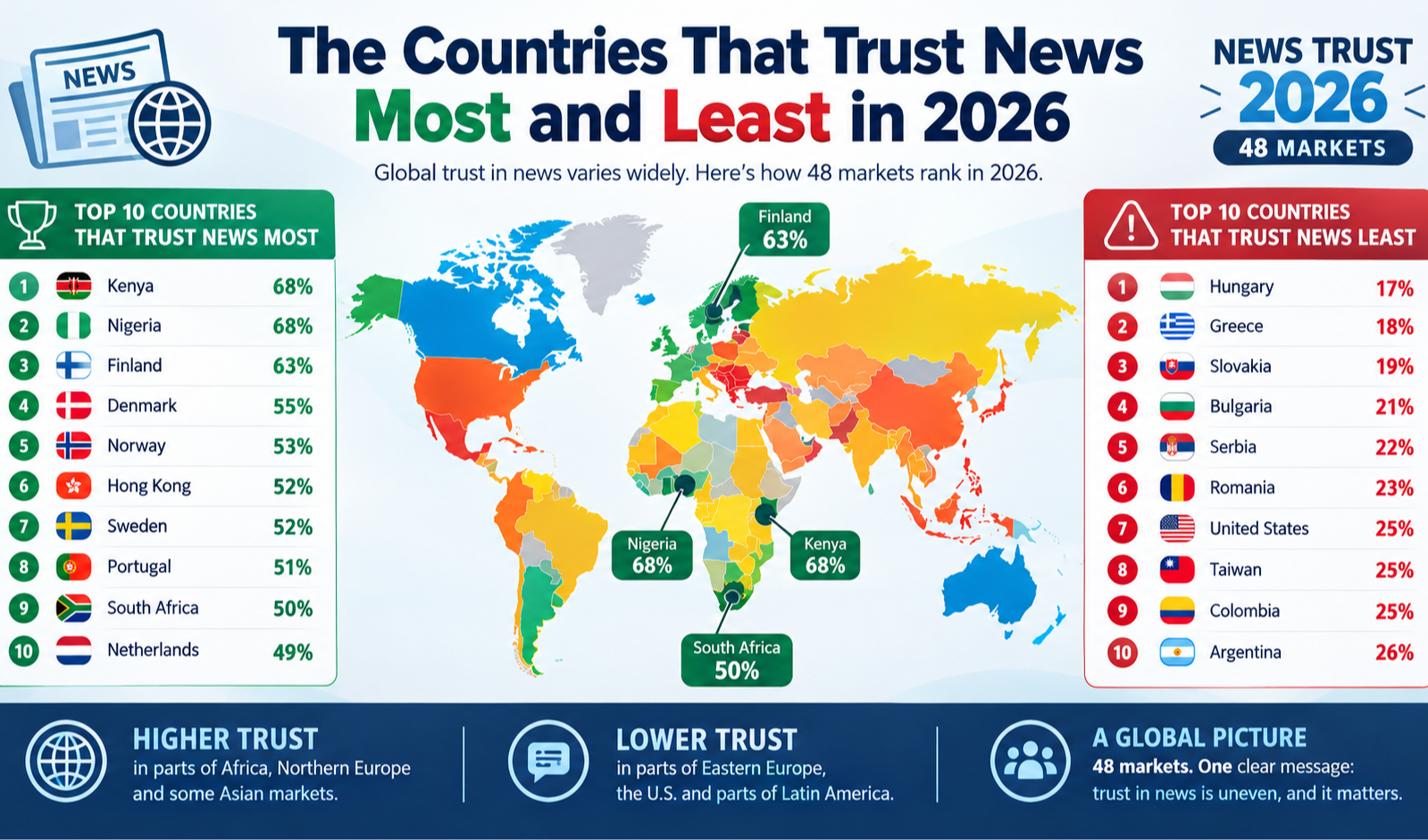
Ranked The Countries That Trust News Most and Least in 2026 Global trust in news has fallen to its lowest level recorded by the Reuters Institute, with major differences emerging between countries. Kenya and Nigeria recorded the highest levels of trust, while Hungary, Greece and Slovakia were among the markets with the lowest levels in 2026. Trust in news is becoming an increasingly important issue as people consume information through traditional media, social networks, video platforms and artificial-intelligence tools. The Reuters Institute for the Study of Journalism's Digital News Report 2026 surveyed nearly 100,000 people across 48 markets. Respondents were asked whether they believed they could trust most news most of the time. Globally, 37% of respondents said they trust most news most of the time in 2026, down from 40% in each of the previous three years. The report says this is the lowest overall trust level recorded since the Reuters Institute began tracking the measure in 2015. Trust declined in 29 of the 48 markets surveyed. Countries Where Trust in News Is Highest African countries performed particularly strongly in the 2026 survey. Top 10 markets by news trust Rank Country/Market Trust in News 1 Kenya 68% 2 Nigeria 68% 3 Finland 63% 4 Denmark 55% 5 Norway 53% 6 Hong Kong 52% 7 Sweden 52% 8 Portugal 51% 9 South Africa 50% 10 Netherlands 49% Kenya and Nigeria jointly recorded the highest level, at 68%. Finland was the highest-ranking European market at 63%, while Denmark, Norway and Sweden also recorded relatively high levels of trust. South Africa was another African market in the global top 10, with half of respondents saying they trusted most news most of the time. India Records 39% Trust India recorded a 39% overall trust level in the 2026 Digital News Report. The Reuters Institute places India 18th among the 48 markets included in the survey. Trust in India fell by four percentage points compared with the previous year, although trust in some established print publishers and public broadcasters remained relatively strong. India's result is slightly above the global average of 37%. The country's news environment is also changing rapidly as audiences increasingly use digital platforms, social networks and video-based services to discover news. Countries With the Lowest Levels of News Trust At the other end of the ranking, several European markets recorded particularly low levels of trust. Bottom 10 markets by news trust Rank Country/Market Trust in News 39 Argentina 26% 40 Colombia 25% 41 Taiwan 25% 42 United States 25% 43 Romania 23% 44 Serbia 22% 45 Bulgaria 21% 46 Slovakia 19% 47 Greece 18% 48 Hungary 17% Hungary recorded the lowest level in the 48-market comparison, at 17%, followed by Greece at 18% and Slovakia at 19%. The United States recorded 25%, meaning only one in four respondents in the survey said they trusted most news most of the time. The Reuters Institute reports that U.S. trust fell another five percentage points in 2026. Why Is Trust in News Falling? The Reuters Institute says there is no single explanation for the global decline. One important change is the way people access news. Social media and video networks have become increasingly important sources of news. In 2026, 30% of people globally said social media and video networks were their main source of news, compared with 22% five years earlier. The report also found that trust in news encountered through social media was lower than trust in news overall. Globally, only 22% said they trusted news on social media most of the time, while the figure for news from AI chatbots was 20%. At the same time, concerns about misinformation are increasing. Around 62% of respondents globally said they were concerned about what is real and what is fake online, an increase of four percentage points from the previous year. The Role of Political and Social Conditions The report also connects changes in news trust with broader concerns about institutions and the information environment. In some markets where trust fell sharply, the Reuters Institute points to factors including political instability, divisive elections and a more fragmented media environment. It also notes that attacks on news organisations and journalists can affect public confidence in journalism. However, the report cautions against treating the decline as simply a problem caused by news organisations. Broader changes in institutional trust and the way people consume information also appear to play a role. Traditional Media vs Social Media The way people consume news is changing faster than the overall level of trust. For the first time in the Reuters Institute's 2026 report, social media and video networks were, on average across the markets covered, more popular as news sources than both television and news websites or applications. This creates a challenge for news organisations. Readers may encounter a news story through a social-media post, short video, influencer, search engine or AI chatbot before they ever visit the original publisher's website. That makes transparency, source attribution, corrections and clear editorial standards increasingly important for digital publishers. What the 2026 Ranking Shows The country comparison demonstrates that public confidence in journalism varies dramatically around the world. Kenya and Nigeria recorded 68% trust, while Hungary recorded 17% — a difference of 51 percentage points between the highest and lowest markets. The results also show that geography alone does not determine trust. Northern European countries such as Finland, Denmark, Norway and Sweden performed strongly, while several other European markets appeared near the bottom of the ranking. The United States, despite having one of the world's largest and most influential media markets, recorded 25%. India's 39% result places it above the global average but below several high-trust markets. A Changing Global News Environment The 2026 Digital News Report presents a news environment undergoing major changes. People are consuming more news through third-party platforms, video networks and increasingly through AI tools. At the same time, overall trust in news has reached its lowest level in the Reuters Institute's historical series. For publishers, the challenge is not simply reaching more people. Maintaining credibility, explaining where information comes from, correcting mistakes and providing original reporting can become increasingly important as audiences face a larger and more fragmented information environment. Key Takeaways Kenya and Nigeria: 68% trust in most news. Finland: 63%, the highest among European markets. India: 39%, compared with the 37% global average. United States: 25%. Greece: 18%. Hungary: 17%, the lowest among the 48 markets. Global average: 37%. 62%: concerned about misinformation online. 30%: say social media and video networks are their main source of news. The figures are based on survey responses and should be understood as public perceptions of news trust, rather than an objective measurement of whether news in a particular country is accurate or inaccurate. Source: Reuters Institute for the Study of Journalism, Digital News Report 2026.

Xi Likely to Press Trump on Taiwan Arms Sales, Scholars Say

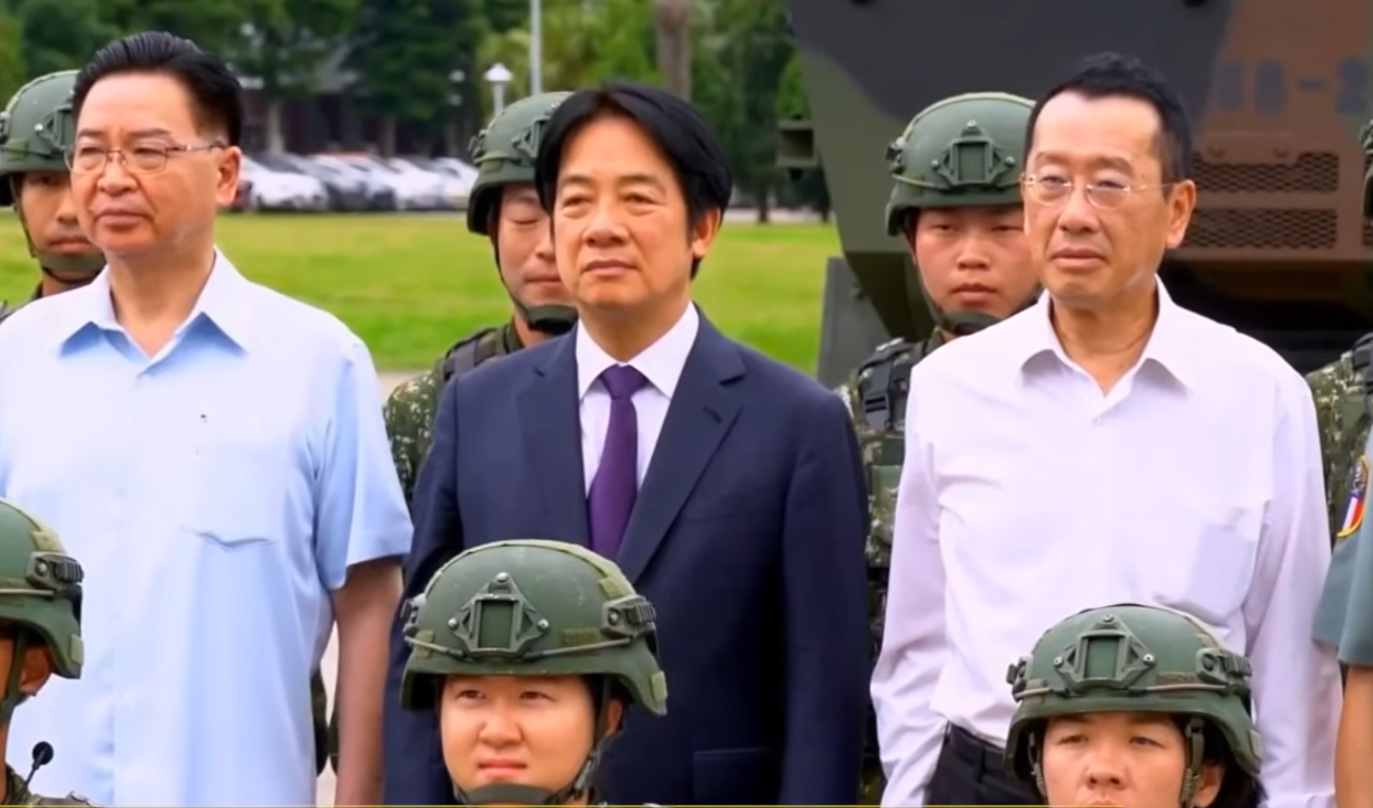
US analysts Bonnie Glaser and Dennis Wilder expect Xi Jinping to raise Taiwan and arms sales when he meets Trump in Washington this week. Chinese President Xi Jinping is likely to bring up Taiwan when he sits down with US President Donald Trump in Washington this week, two US analysts said on Monday, with American weapons sales to the island expected to top his list of grievances. Bonnie Glaser, managing director of the Indo-Pacific program at the German Marshall Fund, a Washington-based think tank, said Xi would probably steer any discussion of Taiwan toward those arms transfers. In Xi's view, she said, the two leaders share an understanding that ties between their countries should rest on stable, constructive strategic footing, and that Washington should refrain from steps that erode that foundation. "Xi Jinping would say that arms sales to Taiwan would undermine that understanding and inject greater friction into the relationship," Glaser said. Dennis Wilder, a former director for China at the US National Security Council, offered a similar reading. He said Beijing would probably put the matter on the table and try to cast Taiwanese President William Lai as the party driving up tensions across the strait. Trump, by contrast, is highly unlikely to bring up Taiwan himself, Wilder said. The US president regards the current arrangement as entirely satisfactory and sees no cause to alter it. Should the topic come up anyway, Glaser said Trump would be wise to warn Xi against any military move on Taiwan and to back the preservation of the existing situation in the Taiwan Strait. She added that Trump should point out that the United States acts according to its own laws, as China does, and that the Taiwan Relations Act obliges Washington to supply the island with defensive weapons. Japan's worries and the Takaichi meeting Wilder said Japan may be feeling greater unease about the summit than Taiwan is. Tokyo's relations with Beijing are currently tense, and he expects Chinese officials to press Trump with complaints about Japan, among them claims of a resurgent "neo-militarism." "The Japanese will be eager for reassurance that the United States remains very committed to Japan, and that even though the relationship with Beijing is improving, that it isn't at the expense of Japan," Wilder said. Japanese Prime Minister Sanae Takaichi is due to hold her own talks with Trump in New York on Tuesday. Iran, tariffs and rare earths Beyond Taiwan, Glaser said Iran is likely to rank near the top of Trump's own priorities. She said the US president may want to gauge how far Xi is prepared to go, including whether Beijing could nudge Tehran back into talks or cut its imports of Iranian crude oil. Washington, she said, is plainly working to pressure Iran into concessions. Glaser also anticipates that tariffs, rare earth minerals and a proposed "Board of Trade" will feature in the conversation. Under a framework the two governments are drawing up, as much as US$30 billion worth of non-sensitive goods could see tariffs lowered. Both analysts expect artificial intelligence to be discussed as well. The subject carries weight for each side, and at their meeting in May the two leaders agreed to set up a dedicated AI dialogue. Wilder said that while intense rivalry between the two powers will persist, they could still work together to curb the dangers of AI, including the risk that hostile actors or terrorists gain access to and misuse advanced systems. Glaser said Trump might also raise the situation of Americans held in China, noting that he has taken personal credit for helping win the release of some detained US citizens. Hopes for the AI dialogue and mineral shipments Both experts said they hoped the meeting would yield movement on AI and on the supply of rare earths, a sector China dominates. That dominance leaves other economies exposed to Beijing's warnings that it could halt exports of the critical minerals. Glaser said she wanted the two leaders to settle on the aims and scope of the planned AI dialogue, while Wilder likewise looked for headway in those discussions. Glaser also said she would like Trump and Xi to prolong the current tariff arrangement and to secure Chinese follow-through on its pledges, including on rare earth shipments. Wilder said China had fallen short in delivering rare earths to the United States and voiced hope that Beijing would offer further commitments. Trump Xi summit, Taiwan arms sales, Bonnie Glaser, Dennis Wilder, Taiwan Relations Act, US China relations, rare earths, William Lai

King Salman Condemns Houthi Attacks Aimed at Mecca

Saudi King Salman branded Yemen's Houthis a 'terrorist militia' and accused them of targeting Mecca, in a rare intervention amid escalating attacks. Saudi Arabia's King Salman bin Abdulaziz Al Saud has denounced Yemen's Houthi movement as a "terrorist militia" and charged the Iran-aligned group with repeated attempts to strike the holy city of Mecca. The 90-year-old monarch delivered the remarks at a cabinet session on Tuesday, according to the official Saudi Press Agency (SPA). The statement stood out because the king rarely weighs in on unfolding events, having handed most routine governance to his son, Crown Prince Mohammed bin Salman. King Salman described the reported attempts on Mecca as a "heinous crime" and an affront to Muslims everywhere, SPA said. The city is home to the Kaaba, the site Muslims face in prayer. The king's words followed a Saudi announcement last week that the kingdom had shot down a drone flown by the Houthis toward Mecca. The group rejected the claim outright, and its leader, Abdel-Malik al-Houthi, dismissed it as "a heinous lie." The episode triggered a security alert in Mecca for the first time in close to a decade. King Salman praised the armed forces and security agencies for "defending the homeland and resolutely confronting any aggression against the holy sites, pilgrims, citizens and residents of the Kingdom," as quoted by the state agency. He also pointed to recent diplomacy, referencing a meeting the crown prince held in Cairo last week with Egyptian President Abdel Fattah el-Sisi. The king noted his own exchanges with French President Emmanuel Macron, which centered on steadying the region and safeguarding the security and free movement of maritime traffic. Missiles Reach Riyadh The condemnation came against a backdrop of intensifying strikes. This month's Houthi assaults have amounted to one of the most serious challenges to Saudi security in years. Houthi missiles and drones have increasingly been aimed at Saudi cities, energy sites and vessels, forming a further front in a broader regional confrontation that erupted with the United States and Israel's war on Iran in February. On Saturday, forces from the Saudi-led coalition operating in Yemen said they had brought down a ballistic missile launched by the Houthis toward the capital, Riyadh. A plume of dark smoke rose from a fuel storage zone at King Khalid International Airport in the city. The fighting carries consequences beyond the kingdom's borders. Houthi forces have extended their reach across the whole of Yemen's Red Sea coastline. That stretch of water has served as a backup shipping lane for Saudi oil exports while the Strait of Hormuz has been blockaded, putting global energy flows at greater risk. A Three-Nation Pact Responding to the mounting pressure, Saudi Arabia joined Turkiye and Pakistan last month in signing the Mecca Joint Defence Agreement. Under its terms, an armed strike against any one of the three signatories is to be regarded as an attack on all of them. The pact ties the kingdom's security to two other major Muslim-majority states at a moment when its own defenses are being tested by cross-border fire from Yemen. King Salman's direct entry into the debate signaled the weight Riyadh now attaches to the threat, particularly where it touches the country's most sacred ground. King Salman, Houthis, Mecca, Saudi Arabia, Yemen, Mohammed bin Salman, Riyadh, Mecca Joint Defence Agreement

UK to Refuel Saudi Jets Fighting Houthi Attacks From Yemen

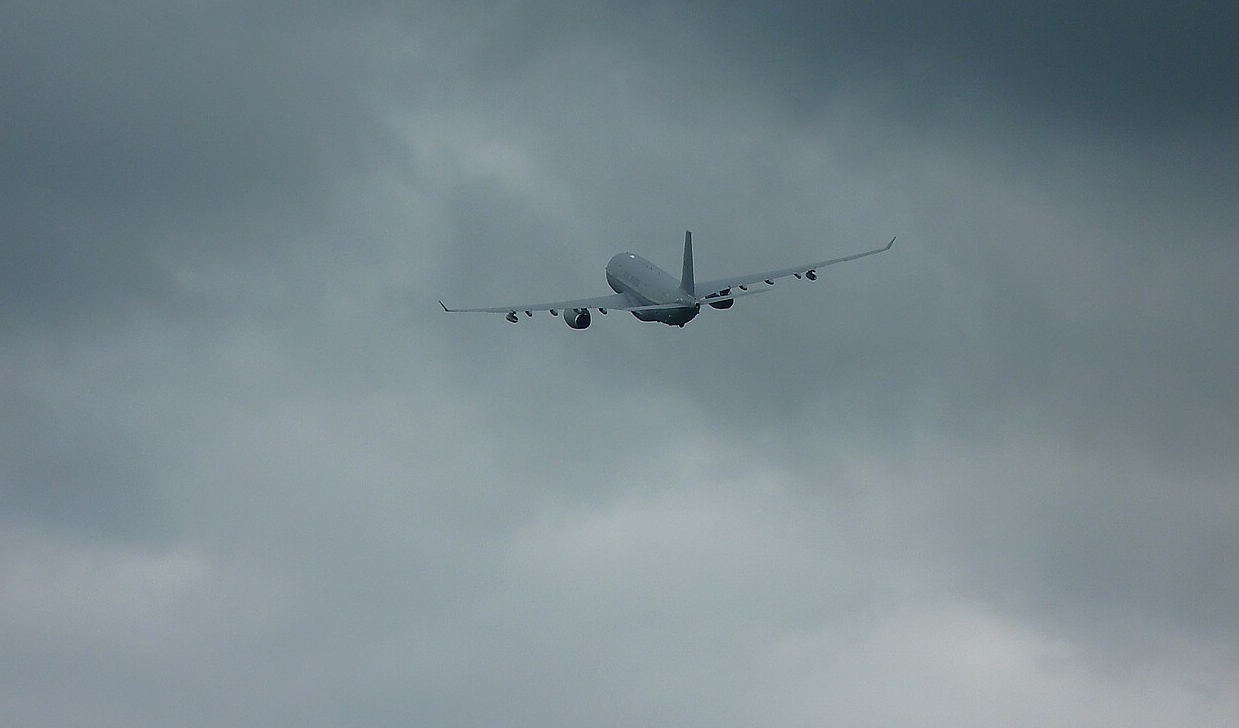
Britain will send an RAF Voyager to Cyprus to refuel Saudi fighter jets in mid-air, backing 'defensive' operations against Iran-backed Houthi attacks. Britain will send a military aircraft to keep Saudi Arabian fighter jets in the air during the kingdom's fight against the Iran-backed Houthis in Yemen. Defence Minister Luke Pollard said the Royal Air Force would begin "air-to-air refuelling" flights within days, using a single RAF Voyager based in Cyprus after London agreed to a direct request from Riyadh. Pollard, speaking on BBC Radio 4's Today programme, said the mission was strictly for "purely defensive" Saudi operations and would last a "matter of weeks, rather than days". The refuelling, he said, would allow Saudi aircraft to stay aloft longer so they can intercept incoming threats, including shooting down drones and missiles fired from Yemen. The deployment follows a fresh wave of Houthi strikes. In recent days the group said it had launched drones and ballistic missiles at Riyadh, the Saudi capital, and at energy sites along the country's Red Sea coast. The Houthis remain locked in a civil war against Yemen's internationally recognised government, which Saudi Arabia supports. Pollard framed the assistance as a matter of loyalty to a partner. The RAF's help, he said, complied fully with international humanitarian law and was about "being true to our allies". Officials have stressed the offer is limited in scope and duration. A single aircraft from a small fleet The commitment is modest. Just one Voyager will fly the missions, drawn from a core RAF fleet of nine - eight registered for military use and one civilian-registered. Five further aircraft can be recalled for military service if required. Compared with the scale of the conflict, a lone refuelling plane sits at the lighter end of what counts as military support, and some observers may read it as a symbolic gesture toward an ally under pressure. Saudi Arabia has struggled to blunt the Houthi campaign. The group appears to hold a deep stock of drones and missiles that it continues to fire across the border at its larger neighbour to the north, leaving Saudi air defences stretched. Fuel prices and the Red Sea British ministers tied the decision to economic pressures at home. A UK figure travelling with the government delegation to the United Nations General Assembly in New York connected the move to the cost of living, saying it was about protecting Britain's interests and stability across the wider region. With Saudi Arabia already absorbing attacks and bracing for more, the argument ran, keeping supply routes open justified agreeing to the request. Pollard made the same case in economic terms. The RAF support, he said, was meant to prevent further escalation in the Red Sea that could push fuel prices higher. The concern is grounded in recent figures: the Office for National Statistics reported that UK petrol prices climbed in August to their highest level in almost four years, with diesel also rising sharply. The Red Sea is one of the world's busiest shipping corridors and a critical channel for global trade. The Houthis have tightened their grip on the waterway, recently taking the port city of Mokha and Perim Island, both of which command access to the sea lane that Saudi Arabia relies on. Risk of deeper involvement Although officials describe the operation as time-limited, the wider picture is more tangled. Yemen has been at war intermittently since 2014, and the current flare-up is complicated by the Houthis' backing from Iran, which is itself engaged in an on-and-off standoff with the United States. For Britain, the immediate exposure is small. But conflicts have a way of pulling outside powers in gradually, with commitments that grow over time. A short refuelling mission today could prove harder to end than planned - an outcome that may ultimately serve Saudi interests more than British ones. UK Saudi Arabia refuelling, RAF Voyager, Houthi attacks, Yemen conflict, Luke Pollard, Red Sea shipping, Saudi jets, air-to-air refuelling

2027 Hyundai Tucson Detailed 245 PS Hybrid, Auto-Reverse Tech

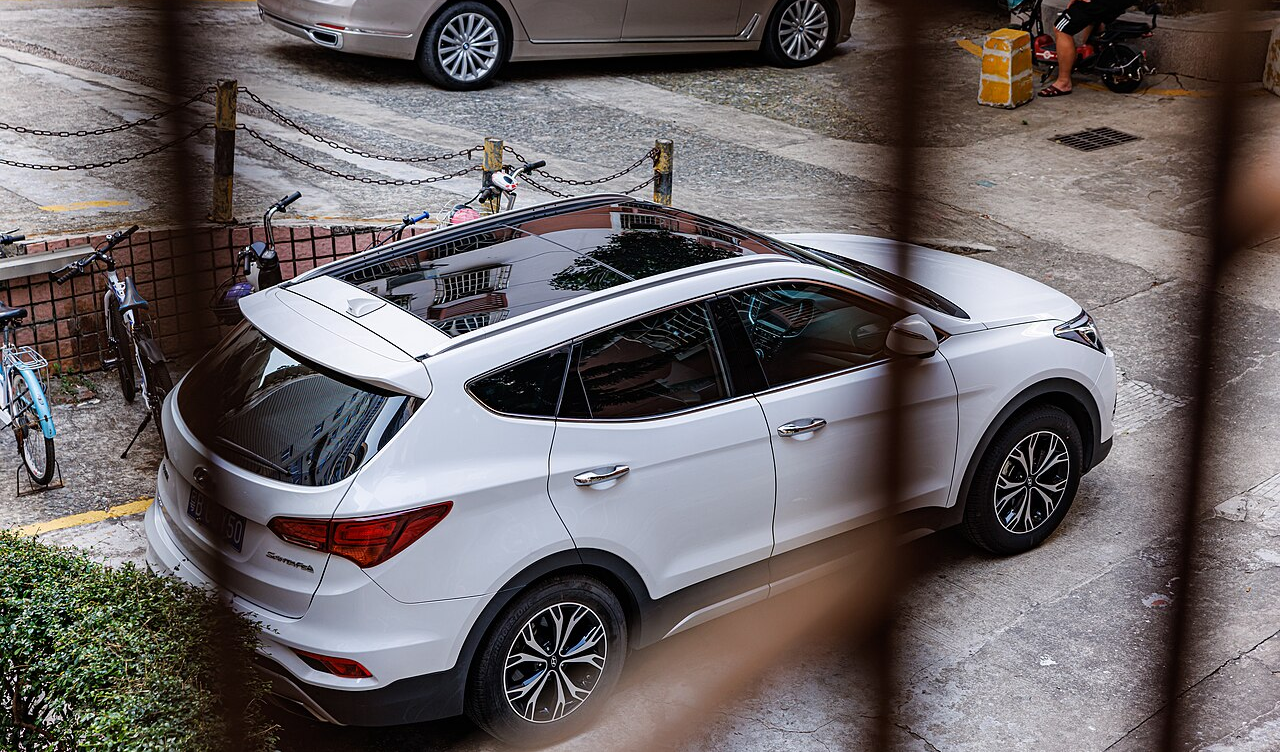
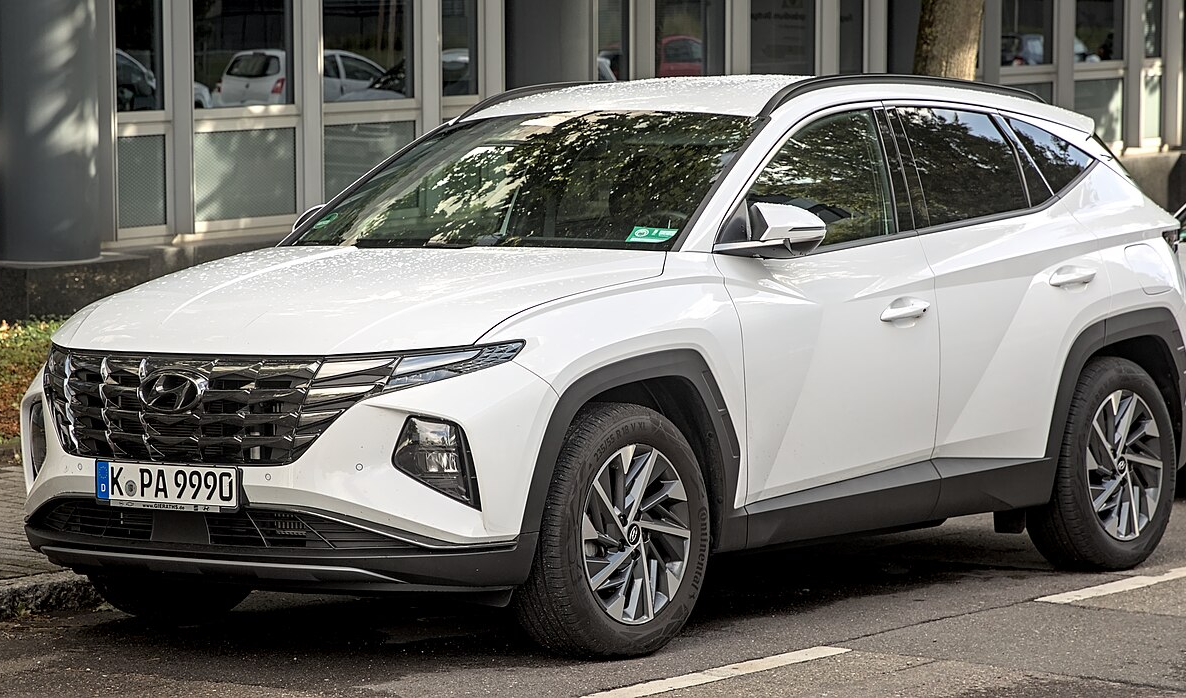
Hyundai has detailed the fifth-gen 2027 Tucson: a 245 PS hybrid rated at 17.4 km/l, Memory Reverse Assist and new safety tech. Korea sale in October. Hyundai has released full engine specifications and feature details for the fifth-generation Tucson, a month after first showing the SUV. The 2027 Tucson goes on sale in Korea in October, when Hyundai will also announce prices. An India launch is expected in 2027. The new Tucson leads with a set of technology and safety features, headlined by Memory Reverse Assist. The system can record how a driver parked into a tight space, then combine that stored information with its own sensor data and processing to reverse the vehicle out automatically. Hyundai says the larger body of the new model makes the feature more relevant. New safety systems Among the new safety additions is Pedal Misoperation Safety Assist. The driver assistance system detects when a driver has pressed the accelerator instead of the brake. When that happens, it limits acceleration and applies emergency braking. It is designed to activate automatically when the accelerator is pressed hard while the vehicle is stopped or moving slowly. The Tucson also introduces a Door Unlock Power Redundancy feature. If the main battery cannot supply power after a crash or malfunction, the doors can still be opened through a backup power source. Hyundai has added the feature in response to cases of doors failing to open after crashes, and it is likely to be a segment-first, depending on the market. Inside, the SUV gets the Pleos Connect infotainment system. It uses a large central touchscreen that displays information in separate sections for navigation, driving data and multimedia. A smaller panel on the dashboard shows readouts such as speed and range. Bigger body, Art of Steel look The fifth-generation Tucson has been redesigned around Hyundai's Art of Steel philosophy, giving it sharper lines and a boxier stance. It has also grown. The SUV now measures 4,700 mm long, 1,905 mm wide and rides on a 2,785 mm wheelbase - making it 60 mm longer and 40 mm wider than before, with a wheelbase stretched by 30 mm. The extra size has fed into cabin space. Rear knee room is up by 14 mm and headroom has improved by 29 mm. Boot capacity has risen by 22 litres. The rear doors now open to 83 degrees, compared with 73 degrees on the outgoing model, which Hyundai says makes fitting child seats and loading bulky items easier. More power from petrol and hybrid The powertrain line-up in Korea has been upgraded. The 1.6-litre turbocharged Smartstream T-GDI petrol engine now produces 193 PS, an increase of 13 PS over the outgoing unit. It is paired with an 8-speed automatic gearbox, replacing the previous 7-speed dual-clutch transmission. The hybrid variants get an improved system with combined output of 245 PS, up from the 230-235 PS of the previous-generation hybrid Tucson. Fuel efficiency has edged higher, with the new hybrid rated at 17.4 km/l. Hybrid models also add Stay Mode and an upgraded regenerative braking system. For now, Hyundai has not announced a diesel version of the new Tucson in Korea, and there is no plug-in hybrid. The company could introduce a plug-in hybrid in markets such as Europe at a later date. 2027 Hyundai Tucson, fifth-gen Tucson, Tucson hybrid 245 PS, Memory Reverse Assist, Hyundai Tucson India 2027, Art of Steel design, Pleos Connect, Tucson specifications

King Charles Warns AI Executives of 'Existential Danger'

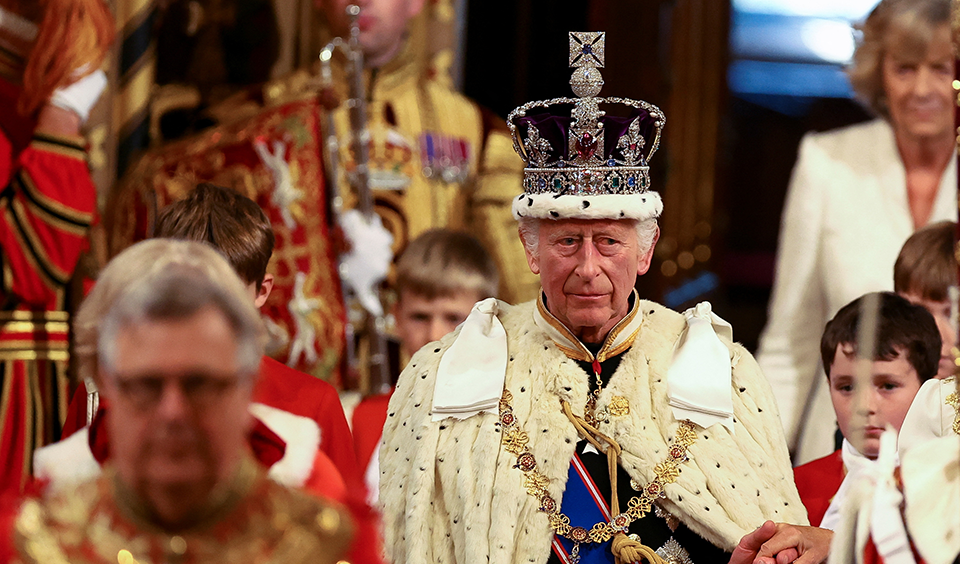
King Charles told leaders from Nvidia, OpenAI and Anthropic at a Dumfries House summit that AI in the wrong hands poses existential dangers. King Charles has told a gathering of the world's leading artificial intelligence executives that the technology poses "existential dangers" if it falls into the wrong hands. He delivered the warning on 17 September 2026 at a summit he convened at Dumfries House in Ayrshire, Scotland, to examine how AI can be steered to benefit society. The meeting drew senior figures from AI companies including Nvidia, OpenAI and Anthropic, alongside Kanishka Narayan, the UK's AI Minister, and an advisor to the Pope. The King used his address to press the executives on the responsibilities that come with building rapidly advancing systems. "Those who have created these technologies are now increasingly warning that AI risks developing darker capacities - perhaps even to take life," the King told the room. He said there appeared to be an "urgency" in "adequately considering the existential dangers of such technologies falling into the wrong hands, and being used in potentially catastrophic ways." He framed the challenge directly for those building the systems. "The task before you is not merely to advance technology, but to ensure that it remains firmly in the service of humanity, community and the natural world," he said. The summit was called to consider whether a "shared set of principles" could be developed to "help guide the future application" of AI. The warning lands amid a run of recent alarms sounded by people working inside the industry itself, who have flagged the fast-changing abilities of advanced or "frontier" AI models and questioned whether current oversight is strong enough to contain them. Jensen Huang on safety and open models Jensen Huang, chief executive of Nvidia, was among the industry leaders present. Nvidia sits at the centre of AI infrastructure, supplying the chips used by model developers including OpenAI and Meta, and it is now the world's most valuable company, with a stock market value of around $5.15tn. Huang told the meeting that safety was "paramount" and said companies should be prepared to hold back a product and "keep engineering" it if it was not yet safe enough. He also argued for the value of open models - systems that give users direct access to the underlying software - as a way to "ensure that people and countries are not left behind." Those systems, he said, must be protected so that "researchers, universities, start-ups and countries" can build applications "none of us would have imagined alone." He closed with a call to "lead with responsible optimism, build AI safely and securely, open it to more people, expand our ambition and solve the problems that matter to the world." Hassabis warns AGI is 'a few short years away' Sir Demis Hassabis, who co-founded the UK AI lab DeepMind before it was acquired by Google, struck a more cautious note on the speed of progress. He said artificial general intelligence - systems thought capable of matching or surpassing humans across many tasks - was "probably only a few short years away" and could carry an impact "ten times that of the Industrial Revolution." The risk of something going wrong, he added, was "definitely non-zero." But he made the case for what he called "a sensible middle way," arguing that humanity could manage the dangers if it was collectively given the space and time to do so. "The future is not yet written," he told the King's delegates. Sarah Friar, OpenAI's chief financial officer, said AI held the potential to solve some of society's "hardest problems" while acknowledging that its growing capabilities raised questions about safety and "how we ensure it always serves people." "We need to address those questions together," Friar said. "No one company or government can do that alone, and I'm grateful to His Majesty for convening this discussion." The range of voices at Dumfries House - from a chip maker at the heart of the AI boom to a researcher forecasting near-term general intelligence - underscored the summit's central aim: agreeing on common principles before the technology outpaces the rules meant to govern it. King Charles AI, AI existential danger, Dumfries House summit, Jensen Huang Nvidia, Demis Hassabis AGI, AI safety, OpenAI Anthropic, frontier AI regulation

Activision to Build Next Halo Game as Xbox Cuts 268 More Jobs

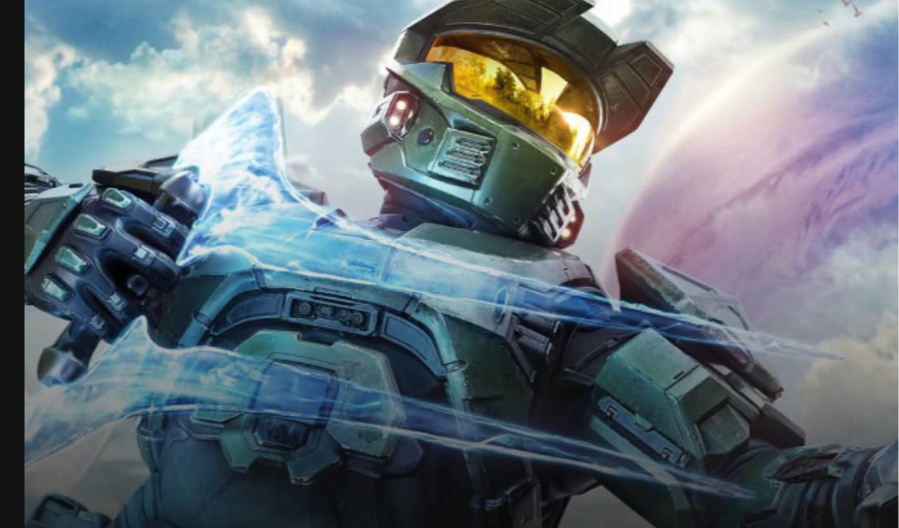
Xbox hands future Halo development to Call of Duty maker Activision and cuts 268 more jobs, as Ninja Theory faces closure after two sale deals collapse. Microsoft's Xbox is handing development of future Halo games to Activision, the publisher behind Call of Duty, while cutting a further 268 jobs as part of a company-wide overhaul. The shift moves one of the brand's most recognisable franchises away from the studio that currently makes it, and comes on top of layoffs that will affect staff at that team. Matt Booty, Xbox's chief content officer, confirmed the changes in a blog post on Tuesday. Halo Studios, which released Halo: Campaign Evolved in July, will now stay focused on supporting the community and maintaining existing titles rather than building a new entry. Any future Halo game will be led by Activision instead. Rob Kostich, Activision's president, said the aim was to "make the greatest Halo game ever, worthy of its universe and legacy, while staying true to what made players love it in the first place." He added that the publisher had already started pulling together what he described as a purpose-built team of talent to work on the next chapter alongside the game's community. The latest cuts extend a restructuring that Xbox chief executive Asha Sharma announced in July, describing it as the largest reorganisation the division has ever attempted. That plan involved 1,600 immediate job losses out of 3,600 planned overall. Xbox says it is now three-quarters of the way through the process. Sharma said at the time that Microsoft's gaming arm had not been in good shape. She noted that products such as the Game Pass subscription service had generated real value but had not expanded fast enough. In an August interview, she also pointed to steep increases in computing and hardware costs as an outside strain on the business. The reshuffle has also thrown the future of other Xbox studios into doubt. Cambridge-based Ninja Theory, the Bafta-winning team behind the Hellblade series, was among five studios Sharma said in July would be spun off. Booty wrote on Tuesday that efforts to sell Ninja Theory had collapsed, with two separate agreements falling apart. As a result, Ninja Theory will begin a consultation with its employees over a proposed closure, though Booty said talks with potential buyers were still ongoing. Of the four other studios affected, three have returned to management control, while a consultation involving Arcane remains in progress. Halo has been tied to the Xbox identity since Microsoft entered the console market in 2001, and helped turn the company into a serious force in gaming. Industry figures were divided on what the change means. Jez Corden of Windows Central called it a "dramatic move," adding that Halo was "once to Xbox what Mario is to Nintendo" but that "years of mismanagement have eroded that." Christopher Dring, editor-in-chief and co-founder of The Game Business, said the military science-fiction shooter had been Xbox's "crown jewel" but that this had not been true "for more than a decade." He said placing Halo under Activision "makes sense," while cautioning that the publisher would need to be careful "not to lose what makes Halo unique." Keywords: Halo, Activision, Xbox layoffs, Halo Studios, Ninja Theory, Microsoft gaming, Rob Kostich, Call of Duty

US Judge Halts Deportation of DoorDash Driver Shot by ICE

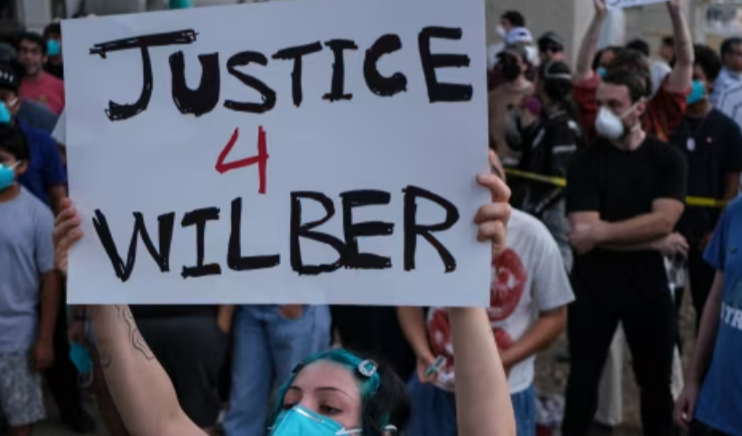
A federal judge temporarily blocked the removal of Wilber Rafael Garces Perez, a Venezuelan delivery driver shot by an ICE officer in Texas. A federal judge in Texas has temporarily stopped the deportation of a Venezuelan delivery driver who was shot by an immigration officer, according to his attorney. The order keeps 28-year-old Wilber Rafael Garces Perez in the country while a court reviews his case. Garces Perez was struck during the incident and is now being held at a detention centre with a bullet still lodged in his back, his lawyer says. Judge Orlando Garcia, appointed under President Bill Clinton, has set a hearing that requires Garces Perez to attend court in person on 30 September. Because that appearance is mandatory, he cannot be removed from the United States before that date. His immigration attorney, Kate Lincoln-Goldfinch, filed a federal lawsuit seeking a temporary restraining order to halt his removal. On social media, she described the ruling as securing a short-term block on the deportation while proceedings continue. She said the fight was far from finished and that her client still required proper medical treatment. According to Lincoln-Goldfinch, the bullet fractured Garces Perez's collarbone. He is now wearing a sling and dealing with heavy swelling and pain. She added that doctors have not yet established what caused the reduced movement he has experienced, or how lasting it might be. The shooting took place on Sunday, after which Garces Perez was moved from a hospital into detention. His lawyer said he was returned to a hospital on Monday evening after he became unable to move his arm inside the facility. He was treated a second time and then sent back to the detention centre. DHS defends its officers The Department of Homeland Security rejected criticism of how the case was handled. In a statement, it described Garces Perez only as an "illegal alien" and said he had been stopped in what it called a targeted vehicle stop. The agency disputed claims that he had received poor medical attention. On Tuesday, DHS went further, accusing sanctuary cities and news outlets of circulating what it labelled "false narratives" and of encouraging people to resist or flee from officers. DHS Secretary Markwayne Mullin said the man had received some of the finest medical care of his life and insisted he held no legal right to remain in the country. The department, which did not release the man's name, said his work permit had lapsed the previous year. "No amount of smears and false narratives will slow down ICE from doing its job by removing dangerous illegal aliens from our communities and making America safe again," Mullin said. A spokesperson for the US Attorney's Office in Texas declined to comment on the matter. Footage from the scene The Austin Police Department, which played no part in the operation, released dashcam and body-worn camera recordings on Tuesday. The footage does not capture the moment of the shooting. In one dashcam clip, several gunshots can be heard. Another shows officers moving toward Garces Perez's vehicle and taking him into custody. At one point his t-shirt is cut open, exposing what looks like a single gunshot wound in his back. The episode follows another fatal encounter earlier this year, when an ICE officer shot and killed a man in Houston. ICE shooting Texas, Wilber Rafael Garces Perez, DoorDash driver ICE, deportation blocked, Venezuelan immigrant detention, DHS Markwayne Mullin, immigration lawsuit Texas, Kate Lincoln-Goldfinch

White Sox Extension Talks With Munetaka Murakami Stall

Reports say the Chicago White Sox are in no rush to extend Japanese slugger Munetaka Murakami after a deep slump followed months of mutual interest. Contract extension talks between the Chicago White Sox and first baseman Munetaka Murakami appear to have stalled, according to a new report indicating the club is in no hurry to finalize a long-term deal with the Japanese slugger. The cooling follows months in which both the player and the front office signaled mutual interest. As recently as late August, White Sox general manager Chris Getz spoke openly about wanting Murakami in Chicago for the long haul. Asked directly about the first baseman's future, Getz praised his impact and confirmed that conversations about an extension had taken place. By all accounts at the time, interest ran in both directions. Murakami arrived as one of the offseason's most closely watched additions and quickly looked like the best free-agent signing in baseball. Even after a lengthy stint on the injured list, his adjustment to the Major Leagues came with striking ease. His batting average was not eye-catching, but he hit home runs at will and drew walks at an elite rate, becoming a central figure in the White Sox's breakout. That momentum has since reversed sharply. Over the last 30 days, Murakami has fallen into one of the season's ugliest slumps, slashing .115/.281/.231 while piling up 57 strikeouts. The collapse at the plate has coincided with the apparent slowdown in extension negotiations. There have been recent signs of life. Murakami has driven in a run in three of his last four games, a stretch that included a three-RBI performance with a home run on September 17. On September 19, at Rate Field in Chicago, he lined an RBI single against the Detroit Tigers in the first inning, another marker of a possible turnaround. The timing leaves the White Sox weighing a player who looked, for much of the year, like a foundational piece against a recent stretch that has raised fresh questions. Getz's earlier enthusiasm made an extension appear likely, but the latest reporting suggests the front office is content to wait rather than push a deal across the finish line. For now, Murakami's future in Chicago remains unresolved. The slugger who fueled the team's rise has cooled at the plate just as talks have gone quiet, and the coming days may show whether his recent flashes of production are enough to restart the conversation. Munetaka Murakami, Chicago White Sox, contract extension, Chris Getz, MLB free agent, Rate Field, Japanese slugger, White Sox first baseman

Nasdaq Hits Record Close As Dow Slips Chipmakers Surge

The Nasdaq closed at a record on Tuesday as chip stocks jumped, while the Dow ended lower. Labcorp and Quest fell; Apple and Danaher neared buy points. The Nasdaq composite closed at a record high on Tuesday, Sept. 22, 2026, even as the Dow Jones Industrial Average slipped and the major U.S. stock indexes finished the session mixed. Blue chips lagged the broader market while technology names, led by chipmakers, pushed higher. The Dow industrials came off their session lows but still ended lower. The advance across other indexes was helped by falling oil prices and declining Treasury yields, which sparked a rally through the day. President Donald Trump was a focus for traders after he threatened Iran during a speech at the United Nations, then described the talks that followed as "productive." Semiconductor stocks did much of the heavy lifting. Nvidia led a group of surging chipmakers, while Sandisk and Micron jumped. AMD, Intel, Micron, Nvidia and Sandisk were all flagged as key movers in the session, reflecting renewed appetite for the sector as yields eased. Apple And Danaher Near Buy Points Among individual stocks outside the chip space, Apple (AAPL) and Danaher (DHR) traded near buy points, technical levels that chart-focused investors watch as potential entry signals. Their strength stood in contrast to the day's weakest names. Diagnostics companies were hit hard. Labcorp (LH) and Quest Diagnostics (DGX) both swooned during the session, ranking among the notable decliners as the Dow struggled to hold ground. Trump Trading Filing Separately, a regulatory filing showed that Trump made a series of trades, according to reporting tied to Tuesday's market coverage. The filing added another layer of attention to the president's activity on a day when his remarks at the United Nations were already moving sentiment. The mixed finish left the market split between record-setting momentum in growth and technology shares and weakness among blue chips and diagnostics names. With oil prices and yields both retreating, buyers leaned toward the sectors that benefit most from lower rates, leaving the Nasdaq at a new high while the Dow closed in the red. Nasdaq record close, Dow Jones, Apple stock, chip stocks, Nvidia, Micron, stock market today, Trump UN speech