

Language Settings
Select Website Language

GDPR Compliance

We use cookies to ensure you get the best experience on our website. By continuing to use our site, you accept our use of cookies, Privacy Policy, and Terms of Service.

Filters

Channels
Topics
Other Filters

Tirupati Tirumala Temple Travel Guide September to October 2026

Tirupati Tirumala Temple Complete Guide to Tirumala Temple, Darshan, Places to Visit and Travel Tips Tirupati, in Andhra Pradesh, is one of India's most important pilgrimage and tourist destinations. Located at the foothills of the Seshachalam Hills, the city serves as the main gateway for millions of devotees visiting Tirumala Sri Venkateswara Swamy Temple every year. Along with its famous temple, Tirupati and the surrounding region offer several historic temples, waterfalls, scenic locations and cultural attractions. Whether you are visiting Tirupati for a spiritual journey, a family trip or a weekend getaway, proper planning can make your visit more comfortable. Here is a complete Tirupati travel guide covering the major temples, transportation, accommodation, places to visit and important travel tips. Tirupati and Tirumala: What's the Difference? Tirupati is the city located at the foothills of the Seshachalam Hills, while Tirumala is the hill town where the famous Sri Venkateswara Swamy Temple is located. The temple is situated approximately 22 km from Tirupati, depending on the route. Pilgrims generally travel from Tirupati to Tirumala by road, while some devotees also choose to walk through the traditional footpath routes. Sri Venkateswara Swamy Temple, Tirumala The Sri Venkateswara Swamy Temple is the principal attraction of the region and one of the most visited pilgrimage centres in India. The temple is dedicated to Lord Venkateswara, also known as Balaji or Srinivasa. It is located on the Tirumala Hills and is administered by the Tirumala Tirupati Devasthanams (TTD). Millions of devotees visit the temple every year to seek the blessings of Lord Venkateswara. Darshan Planning Visitors should plan their temple visit in advance, particularly during: Weekends Festival periods School holidays Major religious occasions Brahmotsavam and other important temple events Depending on the available arrangements, devotees may have different darshan options. Visitors should check the latest official TTD information before travelling because booking procedures, timings and availability can change. Kapila Theertham Kapila Theertham is a well-known temple and pilgrimage location situated close to Tirupati. The site is particularly known for its natural waterfall and the Sri Kapileswara Swamy Temple dedicated to Lord Shiva. During the rainy season, the surrounding landscape can become especially attractive. It is a popular stop for devotees and visitors exploring Tirupati's religious attractions. Sri Govindaraja Swamy Temple Located in the heart of Tirupati, the Sri Govindaraja Swamy Temple is another important Vaishnavite temple. The temple's impressive architecture and religious significance make it an important destination for pilgrims visiting the city. Its location also makes it convenient for travellers staying in central Tirupati. Sri Padmavathi Ammavari Temple The Sri Padmavathi Ammavari Temple at Tiruchanur, near Tirupati, is dedicated to Goddess Padmavathi, regarded as the consort of Lord Venkateswara. Many devotees visiting Tirumala also include Tiruchanur in their pilgrimage itinerary. The temple is one of the major religious attractions around Tirupati and can generally be included as part of a one-day local sightseeing plan. Sri Kalahasti Temple Srikalahasti, located near Tirupati, is another major pilgrimage destination in Andhra Pradesh. The Sri Kalahasteeswara Temple is dedicated to Lord Shiva and is traditionally associated with the Vayu element among the Pancha Bhoota temples. Visitors planning a longer trip around Tirupati can consider adding Srikalahasti to their itinerary. Talakona Waterfalls For travellers interested in nature, Talakona Waterfalls is one of the notable attractions in the wider Tirupati region. Surrounded by forests and hills, the area provides a different experience from the city's temples and pilgrimage sites. The location is particularly attractive for visitors looking to combine spirituality with nature and outdoor sightseeing. Chandragiri Fort History enthusiasts can include Chandragiri Fort in their Tirupati travel plans. The historic fort complex provides an opportunity to explore the region's architectural and political history. Its elevated location and surrounding landscape also make it an interesting sightseeing destination. How to Reach Tirupati Tirupati has good connectivity by air, rail and road. By Air Tirupati Airport provides air connectivity to the region. Travellers can check available flights from their departure city before planning their journey. By Train Tirupati has an important railway station with connectivity to several major cities across India. Travelling by train can be a convenient option for pilgrims coming from cities such as Chennai, Bengaluru, Hyderabad and other parts of the country. By Road Tirupati is well connected by road with several cities in Andhra Pradesh and neighbouring states. Buses, taxis and private vehicles are commonly used to reach the city and travel between Tirupati and Tirumala. Best Time to Visit Tirupati Tirupati can be visited throughout the year, but weather conditions and crowd levels should be considered before planning a trip. The cooler months are generally more comfortable for sightseeing and walking. Summer can be hot, particularly during the daytime. Devotees planning a temple visit during major festivals should expect potentially higher visitor numbers and should make travel and accommodation arrangements well in advance. Where to Stay in Tirupati Tirupati offers accommodation options for different budgets, including: Budget hotels Family hotels Guest houses Pilgrim accommodation Mid-range hotels Premium hotels Travellers should select accommodation based on their temple schedule, transportation requirements and budget. Those planning an early morning or late-night Tirumala visit may prefer accommodation with convenient transportation arrangements. Suggested Two-Day Tirupati Itinerary Day 1: Tirupati Local Sightseeing Start the day with a visit to: Sri Govindaraja Swamy Temple Sri Padmavathi Ammavari Temple Kapila Theertham Local attractions and markets If time permits, visitors can also explore nearby historical or cultural attractions. Day 2: Tirumala Begin early and travel from Tirupati to Tirumala. Complete the planned darshan and spend time visiting important locations around Tirumala before returning to Tirupati. Visitors with additional time can extend their trip to destinations such as Chandragiri or Srikalahasti. Important Travel Tips for Tirupati Visitors Before travelling, visitors should keep the following points in mind: Check the latest TTD information before your journey. Make accommodation arrangements in advance during peak periods. Carry valid identification documents where required. Allow extra travel time during weekends and festival periods. Wear comfortable clothing and footwear for walking. Follow temple rules and dress guidelines. Avoid carrying prohibited items into temple premises. Keep drinking water available, especially during warmer months. Senior citizens and families with children should plan their travel schedule carefully. Keep sufficient time between different sightseeing locations. Tirupati Travel: A Combination of Spirituality, History and Nature Tirupati is more than a pilgrimage destination. The region combines spiritual attractions, historic landmarks, natural landscapes and cultural experiences. For first-time visitors, the ideal trip can include Tirumala temple darshan along with important temples in Tirupati. Travellers with additional time can explore Srikalahasti, Chandragiri Fort and Talakona. With advance planning, visitors can enjoy a smoother and more comfortable journey while experiencing the religious and cultural heritage of the region. Frequently Asked Questions How far is Tirumala from Tirupati? Tirumala is located on the Tirumala Hills above Tirupati. The road journey generally takes around an hour or more depending on traffic, route and travel conditions. Which temple is the main attraction in Tirupati? The Sri Venkateswara Swamy Temple at Tirumala is the region's principal pilgrimage attraction. Can Tirupati be covered in two days? Yes. A two-day trip can cover Tirumala darshan and several important temples and attractions in Tirupati. Additional destinations may require more time. Is Tirupati suitable for family travel? Yes. Tirupati attracts families, senior citizens and travellers of different age groups. However, visitors should plan walking, transportation and waiting times according to their family's needs. What should visitors check before travelling? Travellers should check current temple arrangements, darshan information, accommodation availability, transportation schedules and weather conditions before starting their journey. A trip to Tirupati can be a memorable combination of devotion, history, culture and nature. From the sacred hills of Tirumala to the temples, waterfalls and historic sites surrounding the city, the region offers attractions for both pilgrims and tourists. For the best experience, travellers should plan their itinerary in advance, verify current temple and travel information and allow sufficient time for darshan and local sightseeing. Note: Temple timings, darshan arrangements, accommodation availability, transportation services and other visitor facilities may change. Travellers should verify the latest information through official sources before their journey.

Philippines Keeps One-China Line, Banks Taiwan Cooperation

Manila reaffirmed its One-China Policy but said it can still pursue economic, cultural and functional ties with Taiwan, as China warns against a new Taipei office. The Philippine government on Sunday restated that it formally recognizes China rather than Taiwan, while making clear that the position leaves room to build ties with Taipei. In a statement, the Department of Foreign Affairs said Manila continues to observe its One-China Policy under the 1975 Joint Communique between the Philippines and China, the agreement in which it acknowledged the government of the People's Republic of China as the only lawful government of China. That stance, the department said, is settled, plain and unchanged. Even so, it does not stop the Philippines from working with Taiwan on economic, cultural and functional matters. The clarification came days after a spokesperson for China's Ministry of Foreign Affairs called on Manila to stick to its "one China" commitment. The department pointed to recent remarks by Philippine President Ferdinand Marcos Jr, who described the Philippines and Taiwan as close neighbors with a long record of commercial dealings. Officials said they would keep using diplomacy, open lines of communication and the peaceful settlement of disputes under international law to protect national interests and support regional stability and prosperity. The department also said it would coordinate with other agencies to safeguard the welfare of Filipinos living on both sides of the Taiwan Strait. A second office planned for Cebu The diplomatic back-and-forth was set off by Taiwan's plans to expand its presence in the country. In a radio interview on Tuesday last week, Minister of Foreign Affairs Lin Chia-lung said Taipei was getting ready to open a second representative office in the Philippines. The new post would be located in Cebu and would assist travelers and businesspeople across the central Philippines, a region popular with tourists. Lin did not name a date for the opening. Taiwan's existing de facto mission, the Taipei Economic and Cultural Office, operates out of Manila. A Cebu branch would extend that footprint into a busier part of the archipelago. Beijing responded quickly. One day after Lin's interview, a Chinese foreign ministry spokesperson urged the Philippines to hold to its "one China" position. Then on Wednesday last week, ministry spokesman Guo Jiakun was asked at a briefing in Beijing about the reported Cebu plan and said the effort was "doomed to fail." Guo said the Philippines should back the "one China principle" with real actions and avoid any step that would damage relations between China and the Philippines. Manila's Sunday statement, issued in the wake of those warnings, amounted to a public balancing act: an unambiguous reaffirmation of its recognition of Beijing paired with an equally clear signal that practical cooperation with Taipei would continue. The exchange underscores the position the Philippines occupies as one of Taiwan's nearest neighbors, tied to the island by trade and by the movement of Filipino workers, tourists and businesspeople across the strait, even as it maintains formal diplomatic ties with China. Philippines One-China Policy, Taiwan Philippines relations, Taipei office Cebu, Ferdinand Marcos Jr, Lin Chia-lung, China Philippines relations, Taiwan Strait, Department of Foreign Affairs

Trump Approval Sinks to 32%, a Career Low, as Iran War Bites

A Reuters/Ipsos poll puts Trump's approval at 32 percent, his lowest ever, with Republicans turning on his cost-of-living record amid the Iran war. United States President Donald Trump's approval rating has slipped to 32 percent, the weakest reading of his political career, according to a new Reuters/Ipsos poll published on September 21, 2026. The drop was driven largely by his own party, as Republicans grew unhappy with his handling of household costs during an unpopular war with Iran. The four-day survey, which closed on Sunday, found that 73 percent of Republicans backed the president's performance in office. That figure stood at 82 percent just one week earlier, when his overall approval was 35 percent. The nine-point fall among his base marks a sharp shift for a leader who has relied heavily on Republican loyalty. Trump won a return to the White House in January 2025, campaigning on pledges to bring down inflation and pull the country out of overseas conflicts. In a Reuters/Ipsos poll taken in the hours after he was first sworn in, 47 percent of respondents approved of him. His standing has fallen by 15 points since that early peak. The economy remains the decisive concern for voters. Only 17 percent of those surveyed said they approved of how the president is managing the cost of living, which respondents identified as the country's top issue. Many told pollsters that prices at home would guide their choices at the ballot box. That verdict carries direct political stakes. The November 3 midterm elections will decide control of Congress, where Republicans hold slim majorities they are now trying to protect. Growing frustration inside the party over everyday expenses threatens the thin margins the president needs to keep his legislative agenda moving. Fuel prices and the Iran war Unease among Republicans has been building since February, when Trump ordered the start of the war on Iran. The conflict has driven gasoline and diesel prices steeply upward, adding to the financial strain that voters cite most often. For the first time in the polling series, Republicans who disapprove of the president's economic stewardship now outnumber those who approve, by 51 percent to 44 percent. That crossover point is significant because it shows discontent spreading beyond opposition voters and into the heart of Trump's coalition. The war he launched to project strength abroad has instead fed the price increases eroding his support at home. Talk of an ending, no confirmation from Tehran On Wednesday, Trump said the United States was "hopefully toward the end" of its war with Iran, comments that pointed toward a possible return to negotiations. Even so, fighting has continued in Yemen, and the path to any settlement remains unclear. Tehran has not confirmed that direct talks with Washington have restarted. Without agreement from the Iranian side, the president's optimistic framing stands unmatched by developments on the ground, leaving the timeline for peace uncertain. The survey was carried out online and collected 1,277 responses from adults across the United States. It carried a margin of error of three percentage points. Taken together, the numbers point to a presidency squeezed between an unresolved foreign war and a domestic economy that voters say is costing them too much, with a midterm test now weeks away. Trump approval rating, Reuters Ipsos poll, Iran war, cost of living, November 3 midterms, Republican support, gasoline prices, US politics

Vermont Man Convicted in Shooting of Three Palestinian Students

A Vermont jury found Jason Eaton, 51, guilty of attempted murder for the 2023 shooting that left student Hisham Awartani paralysed. He faces up to life. A jury in Burlington, Vermont, has found Jason Eaton guilty of attempted murder for opening fire on three Palestinian college students in November 2023, rejecting his claim that mental illness left him not responsible for the attack. Eaton, 51, now faces a maximum sentence of life in prison. The gunfire near the University of Vermont campus left Hisham Awartani paralysed from the waist down. His two friends, Tahseen Aliahmad and Kinnan Abdalhamid, were also hit. Jurors deliberated for several hours on Monday before returning the verdict, closing a trial that lasted a week and drew testimony from all three survivors as well as psychiatrists brought in by each side. Eaton was taken into custody to await sentencing, a hearing that has not yet been placed on the calendar. As the decision was announced, Awartani and Aliahmad - seated together in the front row of the courtroom - turned to embrace supporters seated nearby. The insanity defence Eaton never denied firing the shots. His legal team instead asked the jury to find him not guilty by reason of insanity, arguing that he was in the grip of a delusional psychotic disorder. According to the defence, he was convinced that the CIA and Israel's Mossad were sending him instructions over FM radio. Joshua O'Hara, the supervising lawyer at the Chittenden County Public Defender Office, told jurors that his client believed the two intelligence services had assigned him to stand guard over a Jewish family who lived across the road, and that a divine command was pushing him to act. Prosecutors urged the panel to dismiss that account. They pointed to a state psychiatrist's finding that Eaton suffered from no mental disease or defect, and said the facts pointed to a clear intent to kill. A Thanksgiving walk in Burlington The three friends, all now 23, spent their childhood together in Ramallah in the occupied West Bank before crossing to the United States to attend university. They had gathered in Burlington to spend the Thanksgiving holiday with Awartani's grandmother. On the night of the attack, the group set out for an evening walk close to the university. Awartani told the court they were smoking cigarettes and moving between English and Arabic as they talked. Two of the three wore keffiyehs. According to his testimony, Eaton was standing on the porch of his apartment building and stepped toward them without a word. From a distance of roughly five to 10 feet, Awartani said, Eaton drew a handgun and started firing. Awartani, at the time enrolled at Brown University, took a round to the chest that severed his ability to walk. Aliahmad, a student at Trinity College, was struck in the collarbone. Abdalhamid, who was studying at Haverford College, was shot in the right buttock. No hate crime charges The attack drew demands for investigators to treat it as a hate crime, given that the victims are Palestinian and were speaking Arabic and wearing keffiyehs. No such charges were ultimately brought. When officers searched Eaton's apartment, they recovered three shotguns along with a Ruger .380-calibre handgun. Laboratory analysis identified that pistol as the weapon fired at the three students. With the verdict now delivered, attention turns to sentencing, where Eaton could be ordered to spend the rest of his life behind bars. Jason Eaton verdict, Palestinian students Vermont shooting, Hisham Awartani, University of Vermont Burlington, attempted murder conviction, insanity defence rejected, Tahseen Aliahmad Kinnan Abdalhamid

Royal Enfield Adds Signature White to Classic 350 J-Series

Royal Enfield's Classic 350 gains a new Signature White finish at Rs 2,23,275 ex-showroom, arriving as the model leads domestic sales into the festive season. Royal Enfield has added a fresh Signature White finish to the Classic 350, priced at Rs 2,23,275 ex-showroom. The shade slots in alongside Emerald at the upper end of the range and gives buyers one more option as the company moves into the festive selling season. The update is purely cosmetic. The engine and running gear carry over without change, so only the paint scheme separates this variant from the rest of the line. White featured on the previous-generation Classic, but this marks the first time the colour has reached the current J-series version of the motorcycle. The Signature White scheme wraps the fuel tank and side panels in white and sets them against black accents. Thin dark pinstripes trace the outline of the tank and the triangular side panel, while a round Royal Enfield emblem and flowing Classic script reinforce the bike's period styling. The front and rear mudguards, the headlamp shell and the frame are all finished in black to sharpen the contrast. Chrome runs across the exhaust, the engine covers and the mirrors, matched to the traditional wire-spoke wheels. A brown rider's seat adds a further point of contrast to the black-and-white body. The rest of the silhouette stays true to the Classic template, keeping the rounded tank, circular headlamp and upright proportions that define the model. The lighter tone gives customers an alternative to the darker paints already on sale. Where Signature White Sits on Price At Rs 2,23,275, Signature White carries the same sticker as Emerald. Both sit above Stealth Black and Gun Grey, each listed at Rs 2,18,423, which makes the new white variant Rs 4,852 dearer than those two. With this addition, the published price sheet now spans 10 colour choices across the Classic 350 family. The range opens with Redditch Red at Rs 1,87,434, followed by Halcyon Black at Rs 1,90,195. Madras Red and Jodhpur Blue are both listed at Rs 1,93,668, Medallion Bronze at Rs 1,98,040 and Commando Sand at Rs 2,09,684. Every figure is quoted ex-showroom. Unchanged 349cc Motor Underneath the new paint, the Classic 350 keeps its 349cc single-cylinder, air-oil-cooled engine. It delivers 20.2 bhp at 6,100 rpm and 27 Nm at 4,000 rpm, driving through a five-speed gearbox with an assist-and-slipper clutch on the spec list. The launch lands while the Classic 350 remains Royal Enfield's best-selling model at home. The motorcycle moved 43,428 units in August 2026, a rise of 20.55 percent over the 36,025 units sold in August 2025. Against July's tally of 39,197, volumes climbed 10.79 percent, an increase of 4,231 units. Those numbers gave the Classic 350 a 37.78 percent share of Royal Enfield's domestic sales in August, and the model supplied close to 58 percent of the brand's net gain in yearly volume. Rolling out Signature White before the festive rush hands the company an added draw for its highest-volume bike, while the return of a white paint option revives a familiar look for buyers who recall the earlier Classic. Royal Enfield Classic 350, Signature White, Classic 350 price, J-series Classic 350, 349cc engine, Royal Enfield festive season, Classic 350 colours, Classic 350 sales

Kimchi Bacterium May Help Flush Nanoplastics From the Body

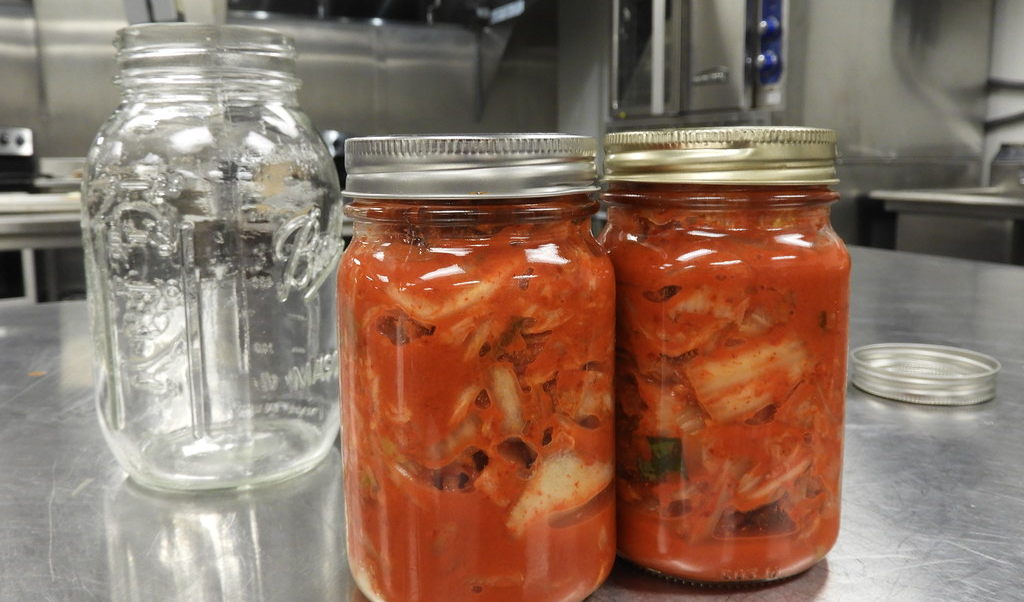
A lactic acid bacterium from kimchi bound to nanoplastics in gut-like conditions and more than doubled their excretion in mice, WiKim researchers found. A bacterium isolated from kimchi can bind to nanoplastics inside the intestine and may help the body remove them, according to the World Institute of Kimchi (WiKim), a government-funded research institute in South Korea operating under the Ministry of Science and ICT. The institute, led by President Hae Choon Chang, said the finding points to a possible new role for microbes long used only to ferment food. The study was carried out by a team led by Drs. Se Hee Lee and Tae Woong Whon, who tested a kimchi-derived lactic acid bacterium, Leuconostoc mesenteroides CBA3656, against polystyrene nanoplastics. Nanoplastics are ultrafine plastic particles smaller than one micrometer - a thousandth of a millimeter - produced as larger plastic materials break down. They can enter the body through food and drinking water, and because of their tiny size they may pass through the intestinal barrier and build up in organs such as the kidneys and brain. Under standard laboratory conditions, strain CBA3656 adsorbed 87% of the nanoplastics, close to the 85% recorded by a reference strain, Latilactobacillus sakei CBA3608. The two strains diverged sharply once tested in conditions designed to mimic the human intestine. There, the reference strain's binding rate collapsed to 3%, while the kimchi-derived strain held at 57%. That gap is central to the result. It indicates that CBA3656 can keep binding nanoplastics even in an environment resembling the human gut, where many bacteria lose the ability. The team then moved to animal testing using a germ-free mouse model. Both male and female mice given strain CBA3656 showed more than a twofold increase in nanoplastics detected in their feces compared with a control group that received no probiotic. The researchers said the result suggests the bacterium may aid excretion by attaching to the particles inside the intestine and carrying them out. Until now, biological methods to cut nanoplastic accumulation in the digestive tract have remained at an early stage. The WiKim work offers evidence that lactic acid bacteria from fermented foods can interact with environmental micropollutants, a function beyond their traditional part in fermentation, and points to a possible mechanism for reducing how much plastic lingers in the gut. "Plastic pollution is increasingly recognized not only as an environmental issue but also as a public health concern," said Dr. Sehee Lee, the study's lead researcher. "Our findings suggest that microorganisms derived from traditional fermented foods could represent a new biological approach to address this emerging challenge. We will continue to expand the scientific value of kimchi microbial resources to contribute to public health and environmental solutions." The research does not establish that eating kimchi clears nanoplastics from people; the tests were run in the laboratory and in mice. But the results identify a specific strain that stays active under gut-like conditions and boosts nanoplastic output in animals, giving scientists a concrete candidate to study further. kimchi bacteria nanoplastics, Leuconostoc mesenteroides CBA3656, World Institute of Kimchi, probiotic nanoplastic removal, polystyrene nanoplastics, fermented food health, gut microbes plastic, nanoplastic excretion

Study 65,000 Junk Food Ads Shown to Fans at 2026 World Cup

Researchers say Coca-Cola, McDonald's, Powerade and Lay's logos appeared 65,722 times during live play at the 2026 FIFA World Cup, filling 16% of match time. Football fans watching the 2026 FIFA World Cup were exposed to what researchers describe as a "constant bombardment" of junk food and drink advertising, with brand logos and products appearing 65,722 times during live play, a new study has found. The analysis, carried out by researchers at the University of Bristol and the University of Oxford, covered all 104 matches of the tournament hosted across the United States, Canada and Mexico. The team built an artificial intelligence tool to identify advertisements visible to television viewers while matches were in progress, most of them displayed on pitchside advertising boards and elsewhere around the stadiums. It focused on brands producing food and drink that is high in fat, salt or sugar, the definition used by the UK government. Those brands were on screen for a combined 28.1 hours across the tournament, equal to just over 16% of the total time the ball was in play. All of the advertising counted appeared on the international feed shown to every country broadcasting the matches. The figures do not include commercials aired during pre-match coverage, half-time breaks or the in-match hydration breaks. On average, the model recorded 576 visible junk food and drink advertisements during each individual game. Coca-Cola accounted for the largest share, appearing 21,893 times. McDonald's followed with 13,915, ahead of the energy drink Powerade at 12,777 and Lay's, the crisp brand sold as Walkers in the UK, at 12,087. All four are official partners of FIFA, football's world governing body, and Powerade is owned by the Coca-Cola company. The study also measured other categories of what it called "potentially harmful" advertising and found food and drink promotion far outweighed them. Junk food and drink logos appeared around seven times more often than those for alcohol and prediction market brands, roughly 10 times more often than gambling firms, and almost 25 times more often than cryptocurrency brands. "Repeatedly connecting unhealthy food and drink brands with football, excitement and national identity can make these brands familiar and normalise their consumption," the researchers argue. McDonald's advertising was among the most visible during Spain's victory over Argentina in the World Cup final. FIFA points to health campaigns Responding to the findings, FIFA said the overwhelming majority of its revenue is reinvested in football, including projects aimed at promoting health and wellbeing that draw thousands of participants. A spokesperson said the organisation "works with a broad, global portfolio of partners, all of which are subject to its governance and compliance frameworks." The spokesperson added that FIFA's social impact campaigns, among them one called Be Active, "delivered messages of unity, inclusion, health and friendship to audiences on an unprecedented scale throughout the World Cup." The brands named in the study were also approached for comment. Coca-Cola, McDonald's and PepsiCo, which owns Lay's, did not reply to requests. The research adds detail to a long-running debate over the presence of food and drink sponsors at major sporting events, quantifying how often such branding reaches viewers during the moments they are most engaged with the action. Because the counted advertising ran on the shared international feed, the exposure applied to audiences in every broadcasting market rather than being limited to the host nations. 2026 FIFA World Cup, junk food advertising, Coca-Cola World Cup, McDonald's sponsorship, University of Bristol study, FIFA partners, pitchside advertising, high fat salt sugar

F1 to Cut Maximum Race Distance by 15km From 2027

Formula 1 will shorten the maximum grand prix distance from 305km to 290km in 2027 as new engine rules force cars to burn more fuel. Formula 1 will cut the maximum distance of its grands prix by 15km from the 2027 season, reducing the ceiling from 305km (189.5 miles) to 290km (180.2 miles). Governing body the FIA confirmed the change, which sits alongside a wider overhaul of how disrupted races are timed. The decision is tied directly to F1's new engine formula. From next year the balance between internal combustion and electrical power shifts from 53-47 this season to 58-42, before moving again to 60-40 in 2028. Leaning more heavily on the combustion engine means the cars will burn more fuel over a race. That became a practical problem once it emerged that some teams wanted to carry their existing chassis into next season to cut costs. Because the fuel tank sits inside the chassis, its size cannot be altered. Teams reusing current chassis therefore risked running short of fuel before the chequered flag. Trimming the maximum race distance eases that constraint. New "hard stop time" for disrupted races Grands prix remain capped at two hours of racing. The bigger change concerns what happens when a race is interrupted by rain or accidents. The current rule allows up to three hours of total elapsed time to complete an event. That fixed three-hour ceiling will be replaced by a "hard stop time" that can vary from one race to the next. The FIA said the aim is to give crowds a better chance of seeing a race run to its full distance. "These changes were introduced to ensure that the spectators have the best possible chance to enjoy a full race if disruptions occur," the governing body said in a statement. Because the hard stop time is set according to local conditions, it will not be identical everywhere. Night races offer more room to let an interrupted event run later into the evening. Daytime races that face a relatively early sunset will have less flexibility. Practice sessions also affected The measures were agreed at a meeting of the F1 Commission, the rule-making body made up of the teams, the FIA and commercial rights holder F1. The Commission also signed off on greater flexibility to extend free practice sessions when they are interrupted. Under the current rules, the clock keeps running during practice even when a red flag is shown for an incident. That is different from qualifying and races, where the timer stops when the session is suspended. The revised approach brings more leeway into practice running so lost track time can be recovered. Taken together, the changes reshape both the length of a grand prix and the way F1 handles the interruptions that can otherwise cut a race short. The shorter maximum distance addresses a technical squeeze created by the 2027 power-unit rules, while the flexible hard stop time and practice tweaks are aimed at protecting the on-track spectacle for fans. Formula 1, F1 2027 rules, F1 race distance, FIA, grand prix, F1 engine regulations, hard stop time, F1 Commission

Apple Opens Claims in $250M Siri AI Settlement

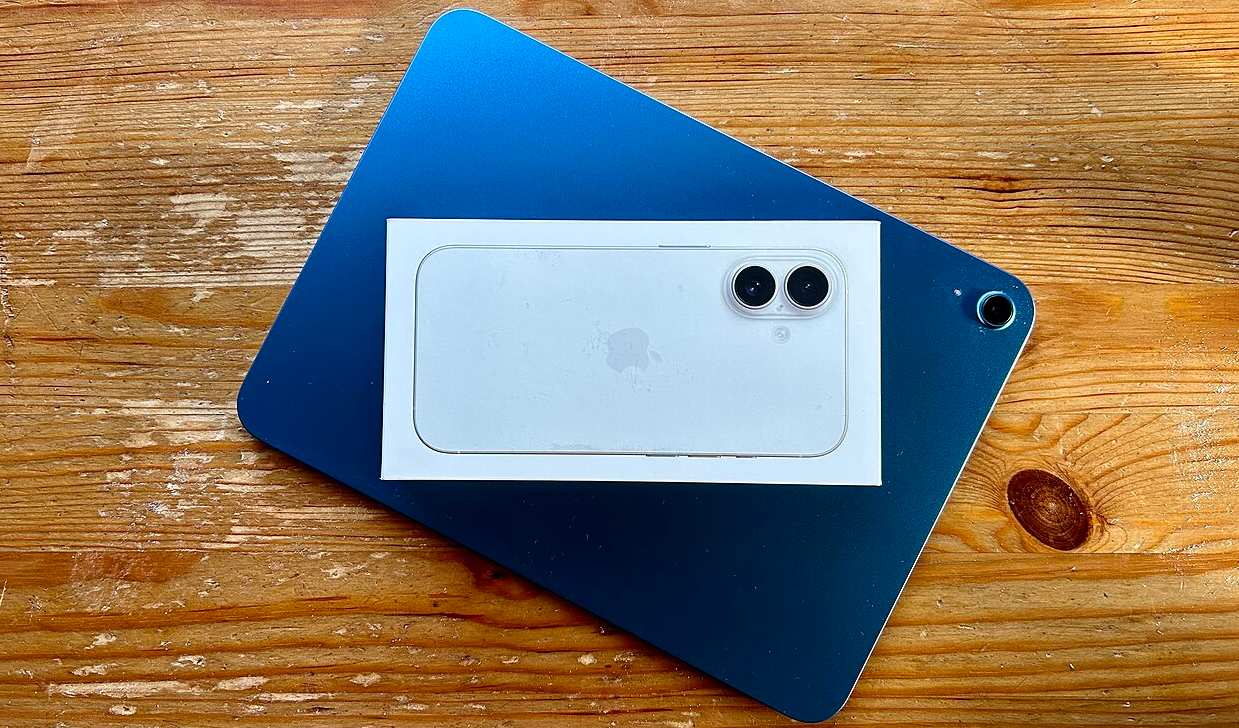
US owners of the iPhone 15 Pro and iPhone 16 can now file for payouts of $25 to $95 in Apple's $250 million Siri settlement, with a December 2026 deadline. Apple has agreed to pay $250 million to resolve a class action over its delayed artificial intelligence features for Siri, and affected iPhone owners in the United States can now apply for a share of the money. Claims must be filed through the settlement's official website by December 21, 2026. The payouts cover people who bought an iPhone 15 Pro, an iPhone 15 Pro Max, or any iPhone 16 model between June 10, 2024, and March 29, 2025. Each qualifying device is expected to return about $25, though the settlement site says that figure could rise as high as $95, depending on how many owners come forward. Fewer claims mean larger individual payments. Applicants need to supply their name, contact details, and the serial number of the eligible iPhone through the claims portal. Only US residents qualify. What the lawsuit alleged The complaint argued that Apple set what it described as a "clear and reasonable consumer expectation" that the AI tools shown off at its 2024 Worldwide Developers Conference would ship together with the iPhone 16. When the phone arrived, it carried a narrower feature set, even though Apple marketed the hardware as "built for Apple Intelligence." Apple went on to push back the release of the smarter, AI-driven version of Siri. That upgraded assistant only reached users this month with the launch of iOS 27, well after the iPhone 16 first went on sale. Apple has denied that it did anything wrong and is settling without admitting liability. Owners who believe they qualify should review the eligibility rules and file before the December deadline to be considered for a payment. Apple Siri settlement, iPhone 16 claim, Apple Intelligence, class action payout, iPhone 15 Pro, $250 million settlement, iOS 27 Siri, WWDC 2024

State Pension Set to Top £13,000 How to Check Your Forecast

The UK flat-rate state pension is expected to pass £13,000 next April, yet one in eight people have never checked their forecast. Here's how. The UK state pension is on course to pass £13,000 a year from next April, but many people have no idea how much they are due to receive. One in eight people surveyed by HM Revenue and Customs (HMRC) said they had never checked their forecast, according to figures published on 21 September 2026. The state pension is paid by the government once workers reach pension age, currently in their late 60s. Those who reached state pension age after April 2016 receive the flat-rate pension of £241.30 a week, or £12,547.60 a year. People who reached that age before April 2016 receive the older basic state pension of £184.90 a week, or £9,614.80 a year. Many on the older rate qualify for an extra payment known as the additional state pension. The amount rises every year under the triple lock, which lifts the pension by whichever is highest of inflation, average wage growth or 2.5%. That formula is expected to push the flat-rate pension above £13,000 next April. How contributions build up Workers pay towards the state pension through National Insurance (NI) contributions. In most cases, 35 years of qualifying contributions are needed to receive the full amount. Records can have gaps - for example, for people who have lived abroad. Those who take time out of work to look after children or family members can still earn NI credits if they claim child benefit or carer's allowance. It is also possible to fill gaps with voluntary payments. Since April 2025, however, people have only been able to buy back the previous six years. Experts point to that limit as a reason to check a forecast well ahead of retirement, rather than waiting until pension age approaches. Anyone can view their forecast by downloading the HMRC app or using the official online state pension forecast service. Proving your identity requires official photo ID. HMRC also warned people never to click links in unsolicited emails or text messages, even ones that appear official, because they may be scams. For broader guidance, HMRC has launched a Tax Confident website covering tax and pensions. The government-funded, independent Money Helper service offers a free retirement guidance tool that walks users through their options. Why people put off checking The most common reason people gave for not checking was that retirement felt too far away to think about, according to an HMRC survey of 5,000 consumers. Others said they had lost track of pension pots from previous jobs, or were unsure how career breaks might affect what they are entitled to. People aged 45 to 54 were the group most likely never to have checked their forecast at all. Most pensioners do not rely on the state pension alone. Many also draw on other income, chiefly savings built up in workplace or private pensions over their careers. Myrtle Lloyd, HMRC's chief customer officer, urged people not to delay. "Whether retirement is decades away or just around the corner, I'd encourage everyone to check their forecast and see if there's anything they can do now to boost their entitlement later," she said. state pension, HMRC, pension forecast, National Insurance, triple lock, flat-rate state pension, retirement, UK pensions

First UK Charges Filed Over 1994 Rwanda Genocide

Dr Vincent Brown, 65, of north London faces seven charges tied to the 1994 Rwanda genocide - the first such UK prosecution, the CPS says. A Rwandan man who has made his home in north London is set to become the first person prosecuted in Britain over the 1994 genocide in Rwanda, the Crown Prosecution Service (CPS) has announced. Dr Vincent Brown, who previously went by the name Dr Vincent Bajinya, faces seven separate counts and is due before Westminster Magistrates' Court on Tuesday. Brown, 65, has been charged with a single count of conduct ancillary to genocide, alongside six counts of conduct ancillary to murder as a crime against humanity. Frank Ferguson, who leads the CPS Special Crime and Counter Terrorism Division, said the accused "is alleged to have directed and incited acts of murder and genocide carried out by others." Ferguson said prosecutors moved to bring charges after examining evidence compiled by the War Crimes Team within the Metropolitan Police. "We concluded that our legal test for bringing criminal charges had been met," he said. A seven-year inquiry The police investigation opened in September 2019, prompted by a formal appeal from the Rwandan government. Kigali had asked British authorities to look into individuals it accused of taking part in killings in the Rugenge district of the capital in April 1994. The Metropolitan Police described the resulting case as the product of "a complex and extensive seven-year investigation." Commander Helen Flanagan, who heads Counter Terrorism Policing London, said the prosecution carried a wider message. "This case demonstrates the UK is not a safe haven for individuals suspected of committing international crimes," she said. Flanagan added that officers remained determined to see suspects in genocide and other atrocity cases "held accountable through due legal process." She also confirmed that Brown's case is not an isolated one. "A number of other investigations remain ongoing into other individuals in the UK for similar offences related to the genocide in Rwanda," she said. 100 days of killing The charges relate to one of the deadliest episodes of mass violence of the late 20th century. Across roughly 100 days in 1994, about 800,000 people were killed in Rwanda. The victims were predominantly ethnic Tutsis, along with moderate Hutus, and the killings were carried out by Hutu extremists. Those responsible set out to destroy the minority Tutsi population and also turned on political rivals, regardless of the ethnic background of the people they targeted. After the slaughter ended, the mostly Tutsi forces that seized control of the country were themselves accused of killing thousands of Hutus in acts of reprisal. Brown's appearance at Westminster Magistrates' Court will mark the opening stage of the first British criminal proceedings tied to those events. Rwanda genocide, Vincent Brown, Vincent Bajinya, UK war crimes, Crown Prosecution Service, Westminster Magistrates Court, Metropolitan Police War Crimes Team, crimes against humanity

'Dancing with the Stars' Cast Reveals Viral Hits Night Song Picks

The 14 remaining 'Dancing with the Stars' couples explain their song choices for the September 22 Viral Hits Night, from Teddy Swims to Rihanna. The 14 remaining couples on "Dancing with the Stars" have locked in their music for the show's "Viral Hits Night," airing September 22. On Monday, each celebrity and professional partner explained on the program's official Instagram Stories why they picked the tracks they will perform in week two. The set list was published earlier in the week, but the dancers used the social media posts to share the personal reasons behind their selections. Their choices span recent viral songs and longtime favorites, and several of the couples tied their picks to family, career milestones or the artists themselves. Julia Stiles and Ezra Sosa will perform a Tango to Teddy Swims' "The Door." Stiles told fans she chose it simply because she likes it. "It's a viral hit in my world," she said, noting that Teddy Swims built his career after the track took off online. "It's a great song." Jenna Dewan and Val Chmerkovskiy are dancing a Jive to "Animal" by Katseye. Dewan said she is personally obsessed with the song, and so is her daughter, Everly. "We broke down doors to get to the Katseye concert last year, and it was so fun," she said, calling the group incredible dancers. Tatyana Ali and Jan Ravnik picked Billie Eilish's "What Was I Made For" for their Foxtrot, describing it as "the Oscar-winning song from Barbie." "Jimmy Kimmel Live" sidekick Guillermo Rodriguez and Witney Carson will perform a Paso Doble to Rihanna's "Where Have You Been." Rodriguez said the singer makes him feel more confident. "I love Rihanna, she's great," he said. "She's so nice. She's friendly." "Summer House" star Ciara Miller and Brandon Armstrong chose Tinashe's "No Broke Boys" for their Tango. Asked why, Miller said, "Because they tend to ruin your life." The song carries an added connection for the couple: Tinashe is Armstrong's former celebrity partner on the show. Ezra French and Daniella Karagach are set to Cha Cha to Flo Rida's "Low." French called it a staple at wedding receptions. "Every wedding. All ages. Everybody knows this song," he said. Jackson Olson and Emma Slater will Foxtrot to "That's So True" by Gracie Abrams. Olson pointed to the singer's rise after she opened for Taylor Swift. "She went super-viral for opening up for Taylor Swift in the Eras Tour, and she made a name for herself and paved her way," he said. "She is super-awesome, and we cannot wait to make her proud." Connor Wood and Rylee Arnold picked "12 by 12" by Sombr for their Tango. "He's so great," Wood said of the artist. "But I love this song, but also when you hear this song on the ballroom, it's like something takes over." Two more pairings round out the announced lineup. Giada De Laurentiis and Alan Bernsten will dance a Salsa to Becky G's "Bella Ciao," while Maura Higgins and her partner Mark are also part of the night's roster. The "Viral Hits Night" theme leans into songs that gained momentum through social media and streaming, and the couples' explanations show how those tracks reached them in different ways. Some cited chart success and awards, others pointed to concerts, weddings and the pull of a particular artist. The episode marks the second week of the current season. With 14 couples still competing, the September 22 broadcast will put their song choices to the test on the ballroom floor. Dancing with the Stars, Viral Hits Night, DWTS season, Julia Stiles DWTS, Jenna Dewan, Guillermo Rodriguez, reality TV dance competition, DWTS set list

Karina Becomes Category 1 Hurricane Far Out in Pacific

Karina reached hurricane strength Sunday with 80 mph winds, staying far out at sea but sending dangerous swells toward southwest Mexico. Karina grew from a tropical storm into a hurricane over the Pacific Ocean on Sunday, and forecasters said it could reach major-storm strength later in the week. The system's center sat far offshore and posed no danger to any coastline. The National Hurricane Center in Miami measured Karina's top sustained winds at 80 miles per hour (130 kilometers per hour), placing it at Category 1 on the intensity scale. A storm must reach Category 3 to be classed as a major hurricane. At the time of the update, Karina was roughly 820 miles (1,325 kilometers) southwest of the lower end of Mexico's Baja California Peninsula. It was tracking to the northwest at 15 miles per hour (24 kilometers per hour), on a course that would carry it deeper into open water. Even with the storm holding its distance from shore, forecasters warned that its swells were expected to whip up hazardous surf and rip currents along stretches of southwest Mexico and the Baja California Peninsula. A second system, Tropical Storm Lowell, was churning about 1,150 miles (1,850 kilometers) southeast of Hawaii. It also presented no risk to land. Across in the Atlantic, the National Oceanic and Atmospheric Administration has projected a quieter-than-usual season, an outlook it linked to El Niño. The agency's forecast called for eight to 14 named storms, of which three to six could become hurricanes and one to three could strengthen into major hurricanes. Hurricane Karina, Category 1 hurricane, National Hurricane Center, Tropical Storm Lowell, Baja California swells, Pacific hurricane season, rip current warning, NOAA forecast

Realme 16 Pro Harry Potter Edition Lands in India at INR 62,999

Realme's Harry Potter Edition phone brings a UV-reactive Hogwarts crest, 200MP camera and 7,000mAh battery. Limited to 5,000 units, on sale from 22 September. Realme has released the 16 Pro Harry Potter Edition in India, priced at INR 62,999 and set to reach buyers on 22 September 2026. The company announced the handset on 21 September alongside a matching pair of earbuds, the Buds T500 Pro Harry Potter Edition, listed at INR 6,999. Both products go on sale on the same day. The phone marks Realme's second tie-up with Warner Bros., arriving after the Realme 15 Pro Game of Thrones Limited Edition. Only 5,000 units of the new model will be produced for the global market, with the Indian version shipping in a single 12GB RAM and 256GB storage configuration. The centrepiece of the design is the Hogwarts crest set into the rear panel. Realme describes the crest as carrying the world's first quadra light sensing color changing technology. Placed under ultraviolet light, the emblem shows the colours of all four Hogwarts houses at once. The back panel itself uses a textured brown finish with an Argyle pattern that draws on the look of Wizard's Chess. Other touches extend the theme across the hardware and software. The frame carries the engraved line "Welcome to Hogwarts," while the camera surround takes the form of a metal mirror shaped after Hedwig, Harry's owl. The interface adds Harry Potter icons, lock screens, wallpapers and camera filters. Buyers receive a gift box modelled on Harry's school trunk. Inside are a Hogwarts acceptance letter, a Platform 9¾ ticket, bookmarks, character postcards, a phone case and a SIM ejector tool. Beneath the styling, the specifications match the standard Realme 16 Pro. The phone runs a 6.78-inch AMOLED screen at a 144Hz refresh rate, a 200MP main camera, the Dimensity 7300-Max processor and a 7,000mAh battery. The Buds T500 Pro Harry Potter Edition follow the same approach. The earbuds ship in a brown charging case bearing the Hogwarts logo and further themed detailing, while their internal hardware mirrors the regular Buds T500 Pro. Realme 16 Pro Harry Potter Edition, Realme Buds T500 Pro, Warner Bros Realme collaboration, Realme 16 Pro price India, Dimensity 7300-Max, Hogwarts crest phone, color-changing phone technology

Facebook, Instagram Hit By Outage For Thousands In US

Facebook and Instagram went down for thousands of US users on Sunday, with over 17,000 Facebook reports logged on Downdetector. Meta stayed silent. Meta's two largest social media platforms, Facebook and Instagram, stopped working for thousands of users across the United States on Sunday, September 21, according to outage-tracking service Downdetector.com. Downdetector logged more than 17,000 reports of problems with Facebook as of 9:11 PM Eastern Time. Instagram drew more than 5,000 outage reports over the same window. Both apps are owned and operated by Meta. The trouble surfaced across the day and pushed the two services onto Downdetector's list of most-affected platforms. The site measures disruptions by pulling together status complaints submitted from several sources, which means its totals reflect user-filed reports rather than a direct count from the companies. Because those figures come from people voluntarily flagging problems, the real number of users unable to load their feeds or post content may be higher than the reported tallies. Downdetector's counts capture only a share of everyone affected. Meta did not immediately reply to a request for comment from Reuters. The company had not put out an official statement explaining what caused the disruption or when full service would return. The outage was concentrated among users in the United States. There were no confirmed details on the specific cause, the scope beyond the US, or how long individual users were locked out. With Facebook and Instagram counting billions of accounts worldwide, even a US-focused disruption can generate a heavy spike in complaints within a short period. Sunday's numbers built up quickly before the evening peak recorded by Downdetector. As of the latest figures, the situation remained unresolved publicly, with Meta yet to confirm the problem or share a timeline for a fix. Facebook outage, Instagram down, Meta, Downdetector, social media outage, US internet outage, Facebook down